
- Call Us
- +8618633052223
- njhdvlz@163.com
Oct . 12, 2025 11:05 Back to list
Stainless Steel Sanitary Butterfly Valve | Hygienic, 3A
The long-neck wafer valve that keeps clean-in-place lines moving
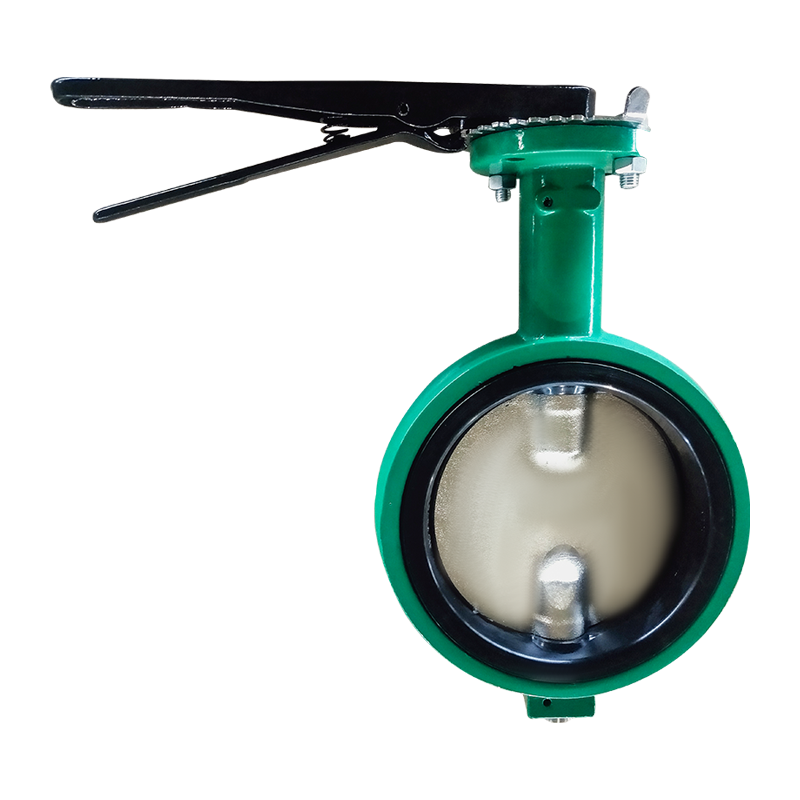
If you’re speccing a stainless steel sanitary butterfly valve, the Long Neck Wafer Type Model 25 caught my eye for a simple reason: it’s built to sit comfortably under insulation and still be easy to actuate. To be honest, that saves a lot of knuckle-busting in tight skids.
Quick context: what’s changing in hygienic valves
Across dairies, breweries, and bioprocessing, two trends are obvious: more SIP/CIP cycles and more automation. In fact, many customers say they’re pushing valves harder—higher cycle counts, hotter steam, tighter leak specs—while trying to keep maintenance windows tiny. That’s where a long-neck wafer body with a cleanable design makes practical sense.
Product at a glance
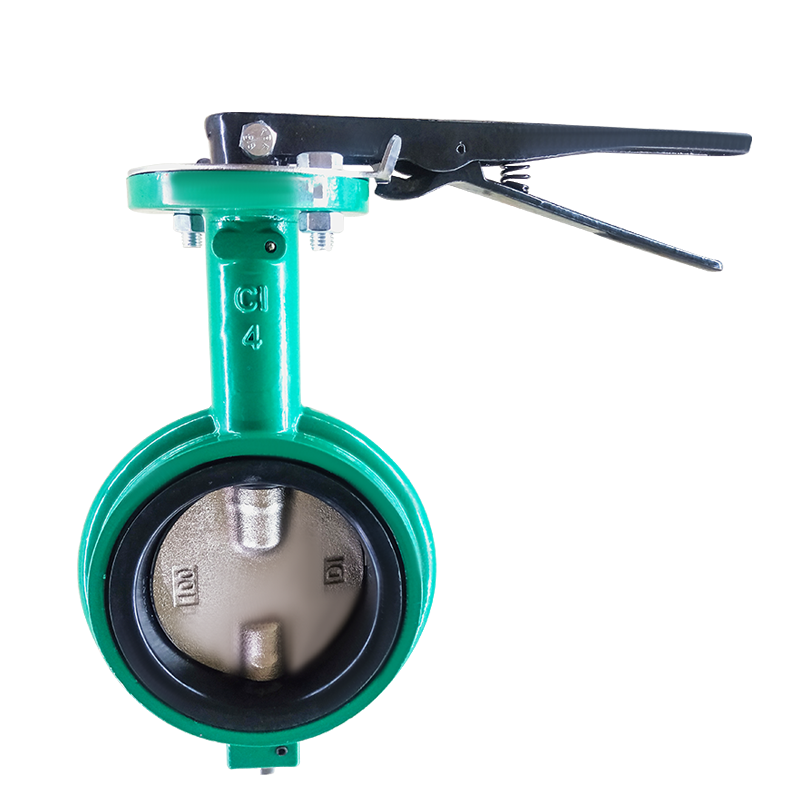
Long Neck Wafer Type Model 25 Butterfly Valve — origin: Development area of Huanmadian, NingJin county, Hebei province, China. Sizes 1″ to 12″. Body styles available: wafer type model 15 and model 25, plus lug type model 20 and model 30. When ordered with 316L wetted parts, FDA-compliant seats, and polished internals, it’s fit for sanitary service.
| Spec | Typical value (≈, real-world use may vary) |
|---|---|
| Size range | 1″–12″ |
| Body/Disc material | SS304 or SS316L |
| Seat options | EPDM, FKM (Viton), PTFE-lined |
| Pressure rating | PN10/PN16 (≈150–232 psi) |
| Temp range | -10 to 120°C EPDM; up to 150–180°C with FKM/PTFE (SIP) |
| Surface finish (ID) | Ra ≤ 0.8 μm standard; ≤ 0.5 μm optional (ASME BPE-style) |
| Mounting pad | ISO 5211 compatible |
| Testing | Hydrostatic (1.5×) & seat leakage per EN 12266-1/API 598 |
How it’s built (and tested)
- Materials: forged/cast SS316L wetted parts; elastomers compliant with FDA 21 CFR 177.2600.
- Methods: CNC machining, orbital weld-ready edges, mechanical polish; electropolish optional.
- Testing: shell test at ≈1.5× PN; seat test at ≈1.1× PN; surface roughness verification; torque/actuation test; helium sniff optional on request.
- Service life: ≈500,000–1,000,000 cycles depending on media, seat, and SIP frequency.
Where it’s used (and what people say)
Breweries (wort transfer, CIP return), dairies (milk, whey, clean water), beverage syrup rooms, cosmetics, and light bioprocess utilities. One brewer told me, “The long neck actually keeps my insulation intact—no more hacks with a knife.” Another plant engineer noted better actuator clearance around pipe racks, which, surprisingly, was the deciding factor.
Vendor snapshot (you have options)
| Vendor | Hygienic certs | Finish | Lead time | Notes |
|---|---|---|---|---|
| Hongda Valve (Model 25) | Material certs, CIP/SIP-ready; 3-A/EHEDG on request | Ra ≤0.8 μm std; ≤0.5 μm opt | ≈2–4 weeks | Strong value, long neck for insulation |
| Global Brand A | 3-A, EHEDG widely available | Ra ≤0.5 μm common | ≈1–6 weeks | Premium pricing, broad actuator kits |
| Global Brand B | 3-A options; FDA elastomers | Ra ≤0.8 μm | ≈2–5 weeks | Good for general beverage/service water |
Customization
- Neck length for insulated lines, high-torque handles, or pneumatic/electric actuation (ISO 5211).
- Seats: EPDM for dairy, FKM/PTFE for hot SIP or solvents.
- Gasket compatibility with common CIP chemistries (NaOH, peracetic acid).
- Flange drilling to match ANSI/JIS/EN for wafer installs; end hardware kits available.
In short, the Model 25 is a practical stainless steel sanitary butterfly valve choice when you want cleanability plus clearance. I guess that’s why maintenance teams keep shortlisting it for brownfield upgrades.
Case notes
- Microbrewery CIP loop: zero visible seat leakage after 200k cycles; EPDM seats, 85°C CIP, PN10.
- Dairy pasteurizer bypass: long neck preserved 40 mm insulation; operators reported faster LOTO.
- Cosmetics mixing skid: FKM seats handled 120°C SIP; torque stayed within spec after 6 months.
References
- ASME BPE: Bioprocessing Equipment Standard (surface finish and cleanability).
- 3-A Sanitary Standards; EHEDG Hygienic Design Guidelines.
- EN 12266-1 and API 598: Industrial valve pressure and seat leakage tests.
- FDA 21 CFR 177.2600: Rubber articles for repeated use (elastomer compliance).
- ISO 5211: Actuator mounting interface for valves.
-
Comprehensive Guide to Wholesale 3 Butterfly Valve Price and Supplier Selection
NewsJan.28,2026
-
Comprehensive Guide to Wholesale Water Main Check Valve Selection and Application
NewsJan.27,2026
-
Wholesale 6 Lug Butterfly Valve – Durable & Cost-Effective Solutions for Industrial Applications
NewsJan.06,2026
-
Wholesale Composeal Butterfly Valve - Reliable Industrial Sealing Solutions
NewsJan.06,2026
-
Wholesale Marine Check Valve | Durable & Certified Marine Valves
NewsJan.06,2026
-
Wholesale Butterfly Valve Gas – B2B Solutions for Efficient Gas Flow Control | Hongda Valve
NewsJan.05,2026
 Afrikaans
 Albanian
 Amharic
 Arabic
 Armenian
 Azerbaijani
 Basque
 Belarusian
 Bengali
 Bosnian
 Bulgarian
 Catalan
 Cebuano
 Corsican
 Croatian
 Czech
Czech
 Danish
 Dutch
Dutch
 Esperanto
 Estonian
 Finnish
 French
 Frisian
 Galician
 Georgian
 German
 Greek
Greek
 Gujarati
 Haitian Creole
 Hausa
Hausa
 Hawaiian
 Hebrew
 Hindi
Hindi
 Miao
Miao
 Hungarian
 Icelandic
 Igbo
Igbo
 Indonesian
 Irish
Irish
 Italian
 Japanese
 Javanese
 Kannada
 Kazakh
 Khmer
Khmer
 Rwandese
 Korean
 Kurdish
 Kyrgyz
 Lao
Lao
 Latin
Latin
 Latvian
 Lithuanian
 Luxembourgish
 Macedonian
 Malgashi
 Malay
Malay
 Malayalam
 Maltese
 Maori
Maori
 Marathi
 Mongolian
 Myanmar
 Nepali
 Norwegian
 Norwegian
 Occitan
 Pashto
 Persian
 Polish
 Portuguese
 Punjabi
 Romanian
 Russian
 Samoan
 Scottish Gaelic
 Serbian
 Sesotho
 Shona
Shona
 Sindhi
 Sinhala
 Slovak
 Slovenian
 Somali
 Spanish
 Sundanese
 Swahili
 Swedish
 Tagalog
 Tajik
Tajik
 Tamil
Tamil
 Tatar
Tatar
 Telugu
 Thai
Thai
 Turkish
 Turkmen
 Ukrainian
 Urdu
Urdu
 Uighur
 Uzbek
Uzbek
 Vietnamese
 Welsh
Welsh
 Bantu
Bantu
 Yiddish
 Yoruba
 Zulu
Zulu
 English