
- Call Us
- +8618633052223
- njhdvlz@163.com
You know, I've been running around construction sites for over a decade now, and let me tell you, things are changing. Everyone's talking about digitalization, smart factories, and getting more efficient. But honestly, a lot of it feels like hype until you see it actually make life easier for the guys on the ground. Lately, it’s all about remote monitoring and predictive maintenance, especially for things like check valves. Seems like every factory owner wants to know when a valve is about to fail before it actually causes a shutdown. It’s a good idea, sure, but the devil's in the details.
One thing I've noticed is that a lot of designers focus on the theoretical performance, all those flow rates and pressure drops, and they completely forget about the real world. Like, have you ever tried tightening a flange in the rain with greasy hands? Exactly. Designing something that looks great on paper but is a nightmare to install and maintain? That’s a trap. A big one.
And it’s not just about ergonomics. It’s about the materials too. We mostly deal with stainless steel – 316 is the workhorse, of course. Smells… metallic, obviously. But you can tell a good 316 batch by the weight. Feels solid, you know? Not flimsy. We also use a lot of ductile iron for the bodies, especially for larger valves. Gets pretty cold in the winter, though. Gotta wear gloves. Sometimes we get requests for exotic alloys, titanium, even… but those are rare. Cost a fortune, and frankly, most applications don’t need them.
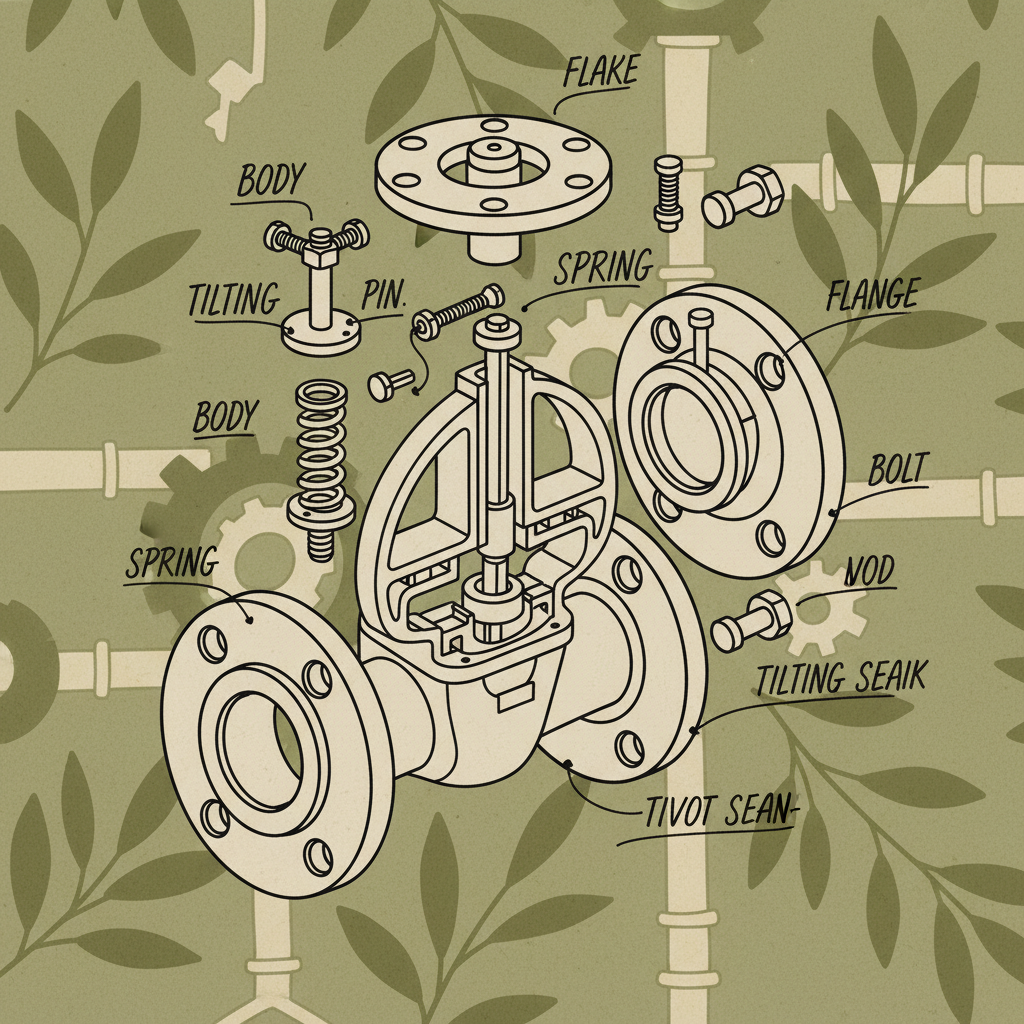
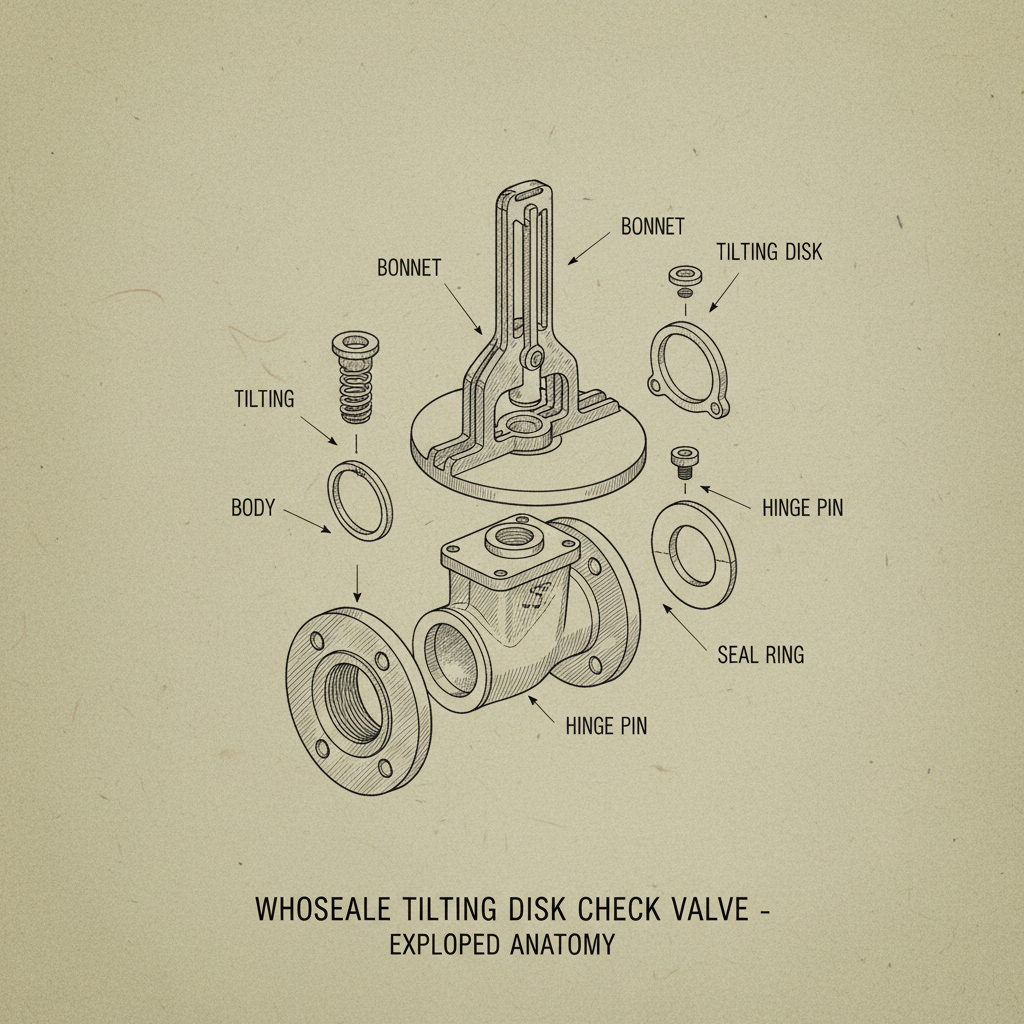
To be honest, everyone's chasing 'smart' now. Remote monitoring, data analytics… it sounds great, but a lot of these systems are just over-engineered. I was at a petrochemical plant last month, and they had a whole team dedicated to analyzing the data from their check valves. Turns out, the data wasn’t telling them anything the experienced operators couldn't already tell by listening to the system. Strangely enough, the simple stuff still works best.
And the biggest pitfall? Designing for the lab, not the field. They’ll spec a valve for perfect flow conditions, but what happens when the pressure fluctuates, or the fluid has some solids in it? It’ll choke up, that’s what. You need a robust design that can handle the real-world mess.
Honestly, it's not considering the fluid. Everyone jumps to stainless steel, thinking it solves everything. But you need to know the fluid’s pH, temperature, and whether it contains any solids. Otherwise, you’re just asking for trouble. I've seen valves fail prematurely simply because the material wasn’t compatible with the fluid, and it wasn't a cheap valve either, mind you.
It depends on the application, but generally, they're pretty low maintenance. A yearly visual inspection to check for leaks and corrosion is usually sufficient. If they're used in dirty environments, you might need to clean them more frequently. But honestly, if it's a good quality valve and installed correctly, it'll run for years with minimal attention.
The orientation affects the flow characteristics and the potential for clogging. Vertical ones are good for applications where space is limited, but they can be more prone to solids buildup. Horizontal ones generally have better flow efficiency. It depends on the specifics of the application. There’s no one-size-fits-all answer.
It depends on the design and materials. High-frequency cycling can cause fatigue failure, especially in the disk and hinge mechanism. You need a valve specifically designed for that type of application, with robust materials and a fatigue-resistant design. We usually recommend a forged steel disk in those cases.
Usually, it’s down to worn seals, corrosion, or damage to the disk seating surface. Solids trapped between the disk and the seat can also cause leakage. Regular inspection and maintenance can prevent most of these issues. If you see leakage, don't ignore it—it usually gets worse quickly.
They can, but it's not ideal. Viscous fluids can cause the disk to stick and prevent proper seating, leading to leakage or chatter. You might need a larger valve size or a different type of check valve for highly viscous fluids. We once tried using them with molasses... it was a disaster. Seriously, a sticky disaster.
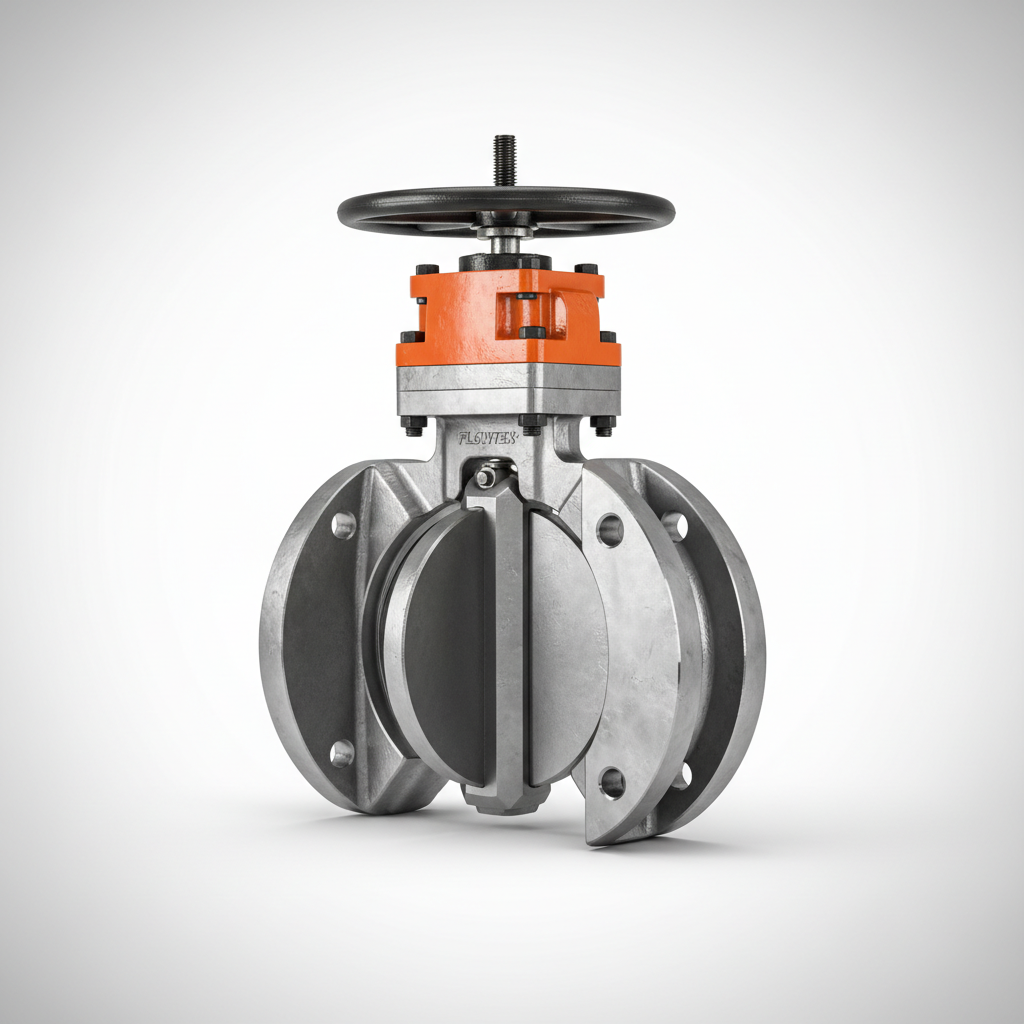
So, yeah, tilting disk check valves – they’re not glamorous, but they’re essential. They’re the unsung heroes of any fluid system. Choosing the right one requires understanding the application, the fluid, and the potential pitfalls. Don’t just go for the cheapest option; you’ll regret it. Invest in quality, and prioritize reliability.
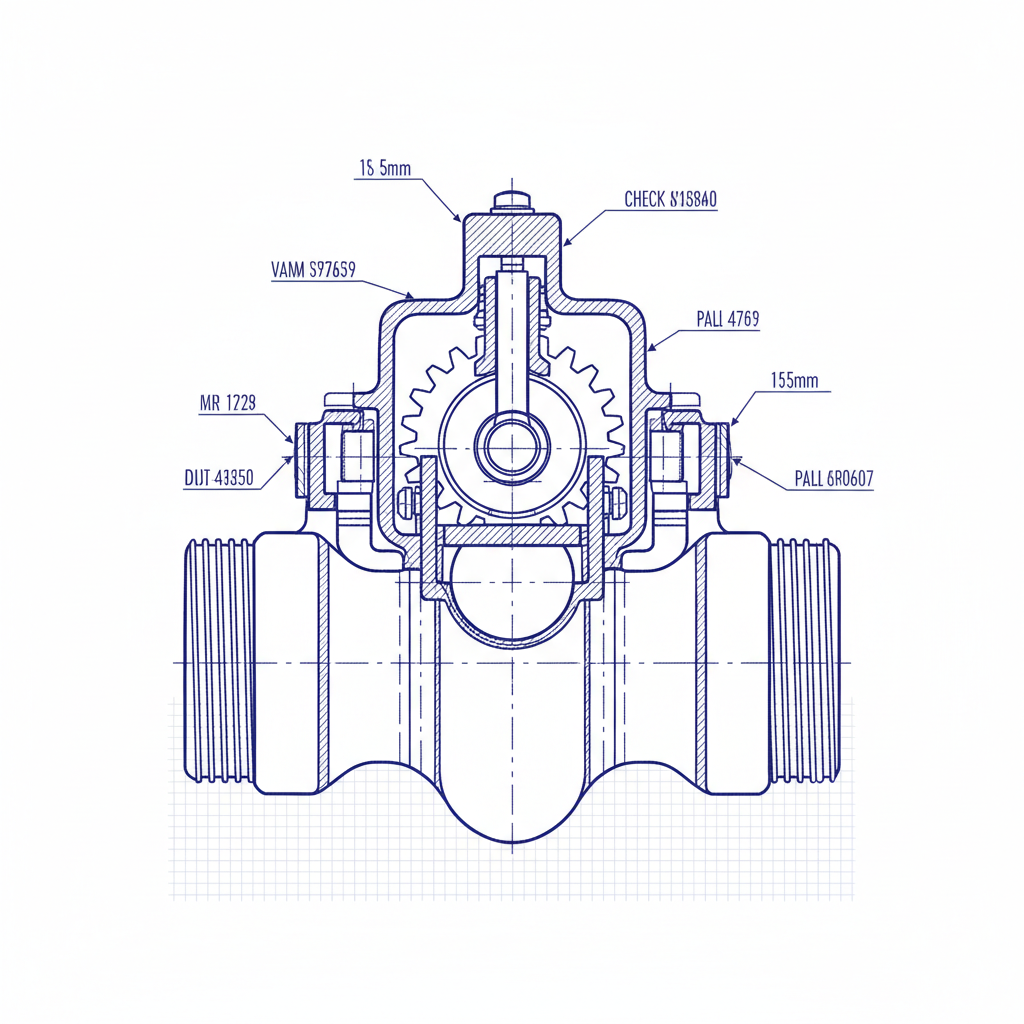
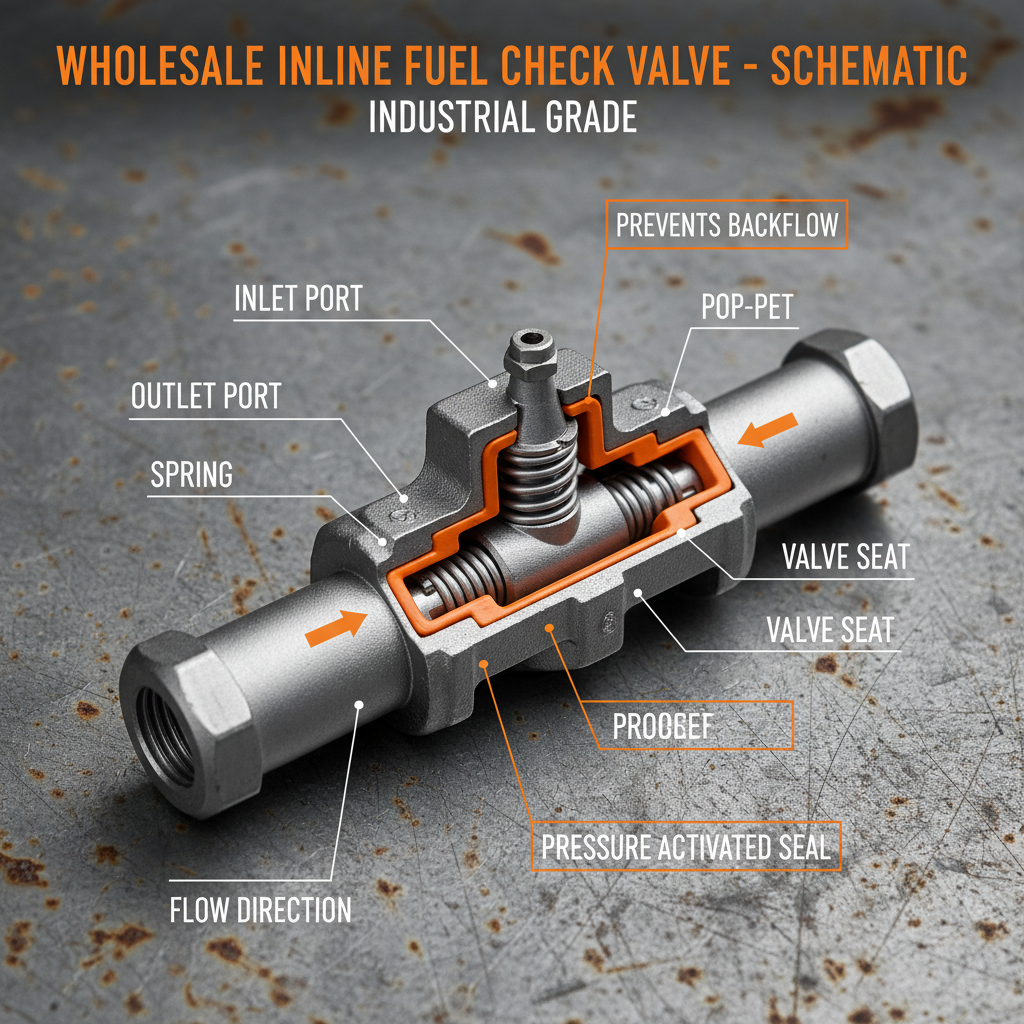
Look, there's a lot of engineering that goes into these things, but at the end of the day, it all comes down to one thing: Does it hold the pressure? Does it prevent backflow? If it does, you've got a good valve. Ultimately, whether this thing works or not, the worker will know the moment he tightens the screw.

 Afrikaans
 Albanian
 Amharic
 Arabic
 Armenian
 Azerbaijani
 Basque
 Belarusian
 Bengali
 Bosnian
 Bulgarian
 Catalan
 Cebuano
 Corsican
 Croatian
 Czech
Czech
 Danish
 Dutch
Dutch
 Esperanto
 Estonian
 Finnish
 French
 Frisian
 Galician
 Georgian
 German
 Greek
Greek
 Gujarati
 Haitian Creole
 Hausa
Hausa
 Hawaiian
 Hebrew
 Hindi
Hindi
 Miao
Miao
 Hungarian
 Icelandic
 Igbo
Igbo
 Indonesian
 Irish
Irish
 Italian
 Japanese
 Javanese
 Kannada
 Kazakh
 Khmer
Khmer
 Rwandese
 Korean
 Kurdish
 Kyrgyz
 Lao
Lao
 Latin
Latin
 Latvian
 Lithuanian
 Luxembourgish
 Macedonian
 Malgashi
 Malay
Malay
 Malayalam
 Maltese
 Maori
Maori
 Marathi
 Mongolian
 Myanmar
 Nepali
 Norwegian
 Norwegian
 Occitan
 Pashto
 Persian
 Polish
 Portuguese
 Punjabi
 Romanian
 Russian
 Samoan
 Scottish Gaelic
 Serbian
 Sesotho
 Shona
Shona
 Sindhi
 Sinhala
 Slovak
 Slovenian
 Somali
 Spanish
 Sundanese
 Swahili
 Swedish
 Tagalog
 Tajik
Tajik
 Tamil
Tamil
 Tatar
Tatar
 Telugu
 Thai
Thai
 Turkish
 Turkmen
 Ukrainian
 Urdu
Urdu
 Uighur
 Uzbek
Uzbek
 Vietnamese
 Welsh
Welsh
 Bantu
Bantu
 Yiddish
 Yoruba
 Zulu
Zulu
 English