
- Call Us
- +8618633052223
- njhdvlz@163.com
Sep . 19, 2025 18:20 Back to list
Wafer Type Check Valve: Compact, Efficient & Non-Slam Design
Introduction to Wafer Type Check Valves and Industry Trends
In the intricate landscape of industrial fluid control, the efficiency and reliability of components are paramount. Among these, the wafer type check valve stands out as a critical device for preventing backflow in piping systems. This compact and highly efficient valve type is increasingly favored across various sectors due to its space-saving design, reduced weight, and superior performance characteristics compared to traditional check valves.
Current industry trends indicate a strong move towards more sustainable, energy-efficient, and low-maintenance solutions. The demand for valves that can operate reliably under diverse conditions, from cryogenic temperatures to high-pressure steam, while minimizing operational costs, is driving innovation. The wafer type check valve perfectly aligns with these trends, offering a streamlined design that contributes to lower pressure drops, subsequently reducing energy consumption in pumping systems. Furthermore, the development of advanced materials and precision manufacturing techniques has significantly enhanced the durability and service life of these valves, making them an indispensable component in modern industrial infrastructure.
The global market for industrial valves, including valve check wafer types, is projected to grow substantially, driven by expanding investments in oil and gas, power generation, water and wastewater treatment, and chemical processing. According to recent market analysis, the demand for compact and high-performance valves is particularly robust in retrofitting existing systems and designing new, more efficient plants. This article will delve into the technical intricacies, manufacturing excellence, diverse applications, and inherent advantages of the wafer type check valve, providing a comprehensive guide for B2B decision-makers and engineers.
Understanding the Wafer Type Check Valve: Design and Principles
A wafer style check valve 2 is a non-return valve designed to allow fluid (liquid or gas) to flow in one direction only, automatically closing to prevent backflow. Unlike traditional flanged check valves, the wafer type is characterized by its compact, face-to-face dimension, which allows it to be installed between two flanges in a pipeline. The Series F16 Dual Plate Wafer Type Check Valve, for instance, exemplifies this design philosophy, offering robust performance in a minimal footprint.
Structural Components and Operation
- Body: Typically cast or forged, forming the main housing. Its slim profile is the defining characteristic of a valve wafer type.
- Dual Plates (Discs): Two semicircular discs, hinged on a central pin. These plates are engineered to open fully with forward flow and close rapidly upon flow reversal.
- Springs: Torsion springs are commonly used to assist in the rapid closure of the dual plates, enhancing the non-slam characteristic, crucial for a wafer type non slam check valve. This minimizes water hammer effects, which can be detrimental to piping systems.
- Shaft/Pin: Connects the discs to the body, allowing pivotal movement.
- Seats: Integral or replaceable, providing a seal against the discs when the valve is closed. Materials vary (e.g., EPDM, Viton, Metal-to-Metal) based on media and temperature.
When fluid flows in the intended direction, the pressure exerted on the dual plates overcomes the spring force, causing the plates to swing open, allowing unimpeded flow. Upon cessation or reversal of flow, the spring force, combined with back-pressure, rapidly pushes the plates back into the closed position against the seat, preventing backflow. This swift action is critical in preventing pressure surge and maintaining system integrity.
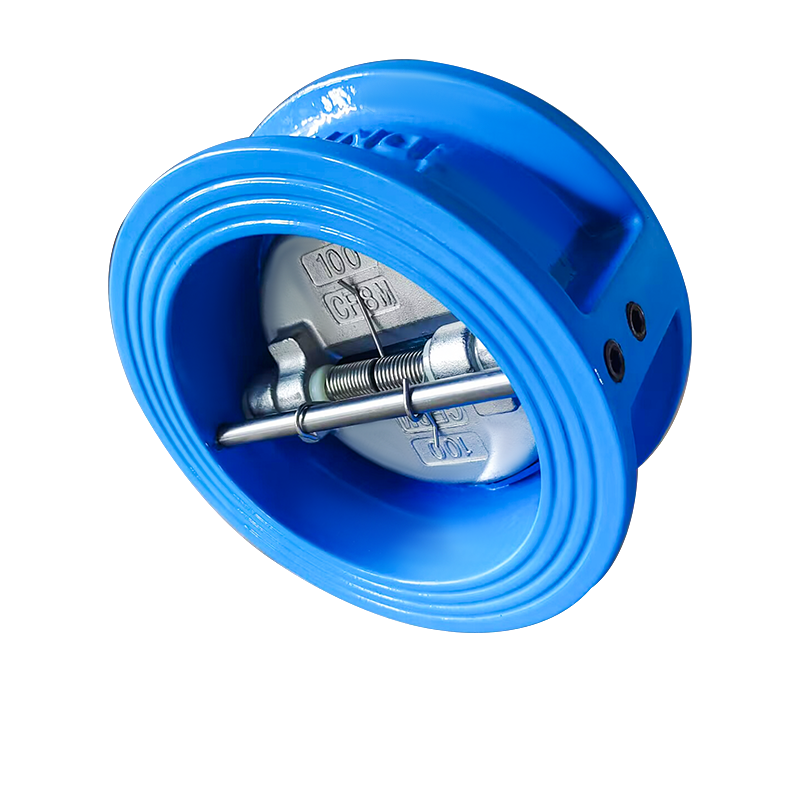
Figure 1: Illustration of a Dual Plate Wafer Type Check Valve (Series F16)
Manufacturing Process: Precision Engineering for Reliability
The manufacturing of a high-quality check wafer valve involves a meticulous process that combines advanced metallurgical techniques with precision machining and rigorous testing. This ensures each valve meets stringent performance, safety, and durability standards required by various industrial applications.
Detailed Process Flow:
- Material Selection and Procurement:
This critical initial step involves selecting high-grade raw materials such as cast iron (GG25, GGG40), ductile iron (GJS-400-15), carbon steel (WCB, LCB), stainless steel (CF8, CF8M, Duplex, Super Duplex), and specialized alloys. Selection is based on the specific media, pressure, temperature, and corrosion resistance requirements. All materials are sourced from certified suppliers and undergo incoming material inspection to verify chemical composition and mechanical properties.
- Casting or Forging of Body and Components:
Valve bodies and discs are typically produced via precision casting or forging. Casting involves pouring molten metal into molds to create the desired shape, followed by cooling and solidification. Forging, conversely, uses compressive forces to shape metal, resulting in enhanced strength and grain structure. Both processes are precisely controlled to ensure dimensional accuracy and material integrity, crucial for the longevity of a check valve wafer lug type.
- CNC Machining:
Once the rough castings or forgings are cooled, they undergo advanced Computer Numerical Control (CNC) machining. This stage involves precise cutting, drilling, and finishing of critical surfaces such as the seat, bore, and flange mating areas to achieve exact tolerances. CNC machining ensures smooth operation, tight sealing, and interchangeability of parts.
- Assembly:
Skilled technicians meticulously assemble the valve components, including the dual plates, shaft, springs, and seat materials. Proper alignment and tensioning of the springs are paramount to ensure the non-slam function and effective sealing. Lubrication of moving parts is also applied to facilitate smooth operation and extend service life.
- Testing and Quality Control:
Every wafer type check valve undergoes rigorous testing to comply with international standards such as ISO 5208 (Pressure Testing), API 598 (Valve Inspection and Testing), and ANSI B16.104. This includes:
- Hydrostatic Shell Test: To verify the pressure integrity of the valve body.
- Low-Pressure Air Seat Test: To confirm bubble-tight sealing at low pressures.
- High-Pressure Liquid Seat Test: To ensure sealing effectiveness under maximum rated pressure.
- Functional Test: To verify proper opening and closing of the discs.
- Surface Treatment and Packaging:
Finished valves may receive protective coatings, such as epoxy painting for corrosion resistance, especially for applications in harsh environments or for water supply & drainage. Finally, valves are carefully packaged to prevent damage during transit, ready for dispatch to target industries like petrochemicals, metallurgy, and power generation.
The average service life of a well-manufactured wafer type check valve can range from 10 to 25 years, depending on the application, fluid characteristics, and maintenance regimen. The emphasis on high-quality materials and precision engineering ensures advantages such as significant energy saving due to low pressure drop, and superior corrosion resistance, making them ideal for challenging industrial environments.
Technical Specifications: Series F16 Dual Plate Wafer Type Check Valve
The Series F16 Dual Plate Wafer Type Check Valve is engineered to meet the demanding requirements of various industrial applications. Its design adheres to international standards, ensuring compatibility and reliable performance.
Key Product Parameters:
| Parameter | Specification (Series F16) |
|---|---|
| Nominal Size Range | DN50 - DN1200 (2" - 48") |
| Pressure Class Ratings | PN10, PN16, PN25, PN40, Class 150, Class 300, Class 600 |
| Applicable Standards | API 594, API 6D, ASME B16.34 (Design); API 598, ISO 5208 (Testing); ASME B16.5, ASME B16.47 (Flange Compatibility) |
| Face-to-Face Dimension | API 594 Standard (Short Pattern) |
| Body Materials | Cast Iron (GG25), Ductile Iron (GGG40/50), Carbon Steel (WCB, LCB, LC1), Stainless Steel (CF8, CF8M, CF3, CF3M, Duplex, Super Duplex), Bronze (C95800) |
| Disc Materials | Stainless Steel (304, 316, 316L, Duplex), Bronze, Hastelloy, Monel |
| Seat Materials | EPDM, NBR, Viton (FKM), PTFE, Metal-to-Metal (Hardfaced) |
| Spring Materials | Stainless Steel (SS304, SS316, Inconel for high temp/corrosion) |
| Temperature Range | -196°C to +450°C (Material and seat dependent) |
| End Connection | Wafer, Lug, Double Flanged (for specific designs) |
| Flow Characteristic | Low Pressure Drop, High Flow Capacity |
Performance Data and Certifications:
The Series F16 wafer type check valve typically exhibits a cracking pressure between 0.05 bar to 0.1 bar (0.75 psi to 1.5 psi), indicating minimal pressure required to open the valve, contributing to energy efficiency. Pressure recovery coefficients (K_v or C_v) are optimized to ensure low head loss across the valve. All valves are supplied with material certificates (e.g., EN 10204 3.1) and are often certified to recognized quality management systems such as ISO 9001 and environmental management systems like ISO 14001, affirming their authoritative standing in the market.
Key Advantages and Performance Benefits
The selection of a wafer type check valve over other check valve configurations offers distinct advantages, particularly in terms of operational efficiency, system protection, and installation flexibility.
Operational & Technical Advantages:
- Compact Design and Reduced Weight: The wafer design means significantly shorter face-to-face dimensions and lighter weight compared to swing or lift check valves. This reduces installation space, structural support requirements, and shipping costs, making it a preferred valve check wafer for tight installations.
- Low Pressure Drop: The streamlined internal flow path and spring-assisted dual plates minimize turbulence and resistance, resulting in a very low-pressure drop across the valve. This directly translates to energy savings, as pumps consume less power to maintain desired flow rates. For example, a typical 6-inch wafer type check valve might have a pressure loss of less than 0.5 psi at full flow, significantly less than a comparable swing check valve.
- Non-Slam Operation: The fast-acting, spring-assisted closure of the dual plates mitigates the effects of water hammer and pressure surges. This non-slam characteristic protects sensitive upstream equipment and piping systems from potentially damaging pressure transients, extending the lifespan of the entire system.
- Versatile Installation: Wafer style check valve 2 can be installed in both horizontal and vertical pipelines (with upward flow), offering greater flexibility in system design and layout.
- Cost-Effectiveness: Beyond the initial purchase price, the long-term cost of ownership is reduced due to lower energy consumption, minimal maintenance requirements, and extended operational life. The lighter weight also contributes to reduced handling and installation labor costs.
- Enhanced Sealing: Precision-machined seats and robust sealing materials ensure a tight shut-off, preventing costly backflow and maintaining process integrity. The Series F16, for instance, offers various seat material options to ensure compatibility with a wide range of media and temperatures, achieving Class VI leakage rates for critical applications.
Comparative Advantages:
| Feature | Wafer Type Check Valve (Dual Plate) | Swing Check Valve | Lift Check Valve |
|---|---|---|---|
| Footprint/Weight | Extremely compact, low weight | Large, heavy | Moderate, heavy |
| Pressure Drop | Very low | Moderate to high | Moderate to high |
| Slamming Potential | Minimal (non-slam design) | High (especially in fast-closing applications) | Moderate |
| Installation Orientation | Horizontal or Vertical (upward flow) | Mostly horizontal, some vertical (upward flow) | Mostly horizontal, some vertical (upward flow) |
| Maintenance Access | Requires removal from pipeline | Often has a bolted bonnet for in-line repair | Often has a bolted bonnet for in-line repair |
| Cost-Efficiency | High (initial + operational) | Moderate | Moderate |
Application Scenarios Across Industries
The versatility and robust performance of the wafer type check valve make it suitable for a vast array of industrial applications where preventing backflow is critical, and space or weight savings are beneficial. Its adaptability across different media and operating conditions underscores its value in modern processing plants.
Typical Industries and Applications:
- Petrochemical and Oil & Gas:
Used extensively in crude oil transfer lines, refined product pipelines, gas processing plants, and offshore platforms. The compact design of the check wafer valve is particularly advantageous on space-constrained platforms. They prevent backflow to pumps, compressors, and separation units, handling hydrocarbons, corrosive chemicals, and various gas streams under high pressure and temperature.
- Power Generation:
Essential in steam lines, condensate return systems, cooling water circuits, and boiler feed lines in thermal, nuclear, and combined cycle power plants. The non-slam feature protects critical turbine and pump components from sudden flow reversals, ensuring operational stability and energy saving.
- Water Supply and Wastewater Treatment:
Widely deployed in pumping stations, filtration systems, and distribution networks. They prevent treated water from flowing back into raw water lines and protect pumps from reverse flow damage. Their corrosion resistance (with appropriate material selection) is vital in handling various water qualities and even mildly aggressive effluents.
- Chemical Processing:
Used for handling acids, alkalis, solvents, and other aggressive chemicals. Material compatibility (e.g., stainless steel, duplex, Hastelloy) with the specific medium ensures long service life and prevents contamination or dangerous backflow in multi-stage processes. The wafer style check valve 2 minimizes leakage, crucial for hazardous fluids.
- HVAC and Building Services:
Integrated into heating, ventilation, and air conditioning systems, as well as fire protection systems. They ensure water flows in the correct direction to maintain system pressure and prevent energy loss due to reverse circulation.
- Metallurgy and Mining:
In metallurgical processes, they manage cooling water, process gases, and slurries. In mining, they are used in dewatering and slurry transportation systems, requiring robust construction and abrasion-resistant materials.
- Marine and Shipbuilding:
Utilized in ballast systems, cooling water systems, and bilge lines, where compact size and reliability are paramount due to limited space on vessels and the corrosive marine environment.
In each of these sectors, the Series F16 wafer type check valve provides reliable backflow prevention, contributing to operational safety, efficiency, and system integrity. Its adaptability to various fluid types, pressures, and temperatures, alongside its compact form factor, makes it an optimal solution for demanding industrial environments.
Vendor Comparison and Customized Solutions
Selecting the right vendor for wafer type check valve solutions is crucial for ensuring long-term reliability and performance. A reputable supplier like Hongda Valve, with extensive experience in the field, offers not only high-quality standard products but also the capability for customized solutions to meet unique project specifications.
Factors for Vendor Comparison:
- Certifications and Standards: Verify that the vendor's products adhere to international standards (ISO, API, ASME) and possess relevant quality certifications (ISO 9001). Hongda Valve's adherence to these standards demonstrates a commitment to quality and safety.
- Material Expertise: A superior vendor offers a wide range of material options for body, disc, and seats, along with the metallurgical expertise to recommend the best combination for specific media and operating conditions.
- Manufacturing Capabilities: Assess whether the vendor utilizes advanced manufacturing processes like CNC machining, and has robust quality control procedures throughout their production cycle. This is critical for consistent product quality.
- Experience and Track Record: Longevity in the industry, positive customer feedback, and successful case studies from diverse applications reflect a vendor's experience and trustworthiness.
- Technical Support and After-Sales Service: Access to expert technical advice during selection, installation, and post-purchase support is invaluable.
- Customization Capabilities: For unique projects, the ability to modify designs, materials, or features of a valve wafer type is a significant advantage.
Customized Solutions:
While standard Series F16 valves cater to most applications, some projects demand bespoke solutions. Hongda Valve excels in providing tailored wafer type check valve designs, including:
- Specialized Alloys: For extremely corrosive or high-temperature environments, custom materials like Hastelloy, Monel, or Titanium can be used for valve components.
- Unique Face-to-Face Dimensions: To fit into existing pipeline configurations or extremely confined spaces.
- Enhanced Sealing Options: For zero-leakage requirements, custom soft seat materials or advanced metal-to-metal seating configurations with specific surface treatments can be engineered.
- Cryogenic or High-Temperature Service: Designs adapted for extreme thermal conditions, involving specific material selections and manufacturing tolerances.
- Specific Cracking Pressure Requirements: Springs can be calibrated to open at precise differential pressures, critical for sensitive systems.
- Lug Type Configurations: For applications requiring direct bolting to flanges or ease of removal/maintenance, check valve wafer lug type can be customized with specific lug drilling patterns.
Partnering with a vendor offering robust customization ensures that the wafer type non slam check valve integrates seamlessly into complex systems, optimizing performance and extending operational life.
Real-World Application Case Studies
Practical examples demonstrate the tangible benefits of deploying wafer type check valve solutions in demanding industrial contexts. These case studies highlight the successful application of the Series F16 in diverse scenarios.
Case Study 1: Large-Scale Water Treatment Plant Upgrade
- Challenge: A municipal water treatment plant faced frequent pump trip issues and pipeline damage due to severe water hammer from aging swing check valves in their primary pumping station. The existing system had limited space for larger, heavier valve replacements.
- Solution: The plant replaced 24-inch and 36-inch swing check valves with Series F16 Dual Plate wafer type check valve units made from Ductile Iron with EPDM seats. The compact design facilitated easy installation between existing flanges without major pipeline modifications.
- Results: Post-installation, the plant reported a dramatic reduction in water hammer incidents, leading to fewer pump failures and extended pipeline service life. The low-pressure drop characteristics of the wafer type non slam check valve also contributed to a measurable 5% reduction in annual pumping energy costs.
Case Study 2: Petrochemical Refinery Expansion
- Challenge: During an expansion project, a petrochemical refinery needed to install check valves in high-pressure, high-temperature hydrocarbon lines. Space constraints and the necessity for minimal pressure loss were critical. Traditional check valves were too bulky and caused unacceptable pressure drops.
- Solution: Hongda Valve supplied custom Series F16 wafer type check valve units in A216 WCB carbon steel with 316SS discs and metal-to-metal seating, rated for Class 300 service and temperatures up to 350°C. The valves were designed with specific face-to-face dimensions to integrate perfectly within the tight piping layout.
- Results: The compact check wafer valve design successfully addressed the space limitations. The engineered low-pressure drop ensured optimal flow characteristics, contributing to the overall efficiency of the refinery's new processing units. The robust construction and material selection have ensured reliable, long-term operation without maintenance issues for over five years.
Case Study 3: Offshore Oil Platform – Saltwater Injection System
- Challenge: An offshore platform required reliable backflow prevention in its saltwater injection system, which involved highly corrosive seawater at high pressures. The extreme environment and the need for high operational uptime demanded exceptional material resistance and performance stability from the valves.
- Solution: Wafer type non slam check valves (Series F16) manufactured from Super Duplex Stainless Steel (UNS S32750) with Viton seats were selected. This material provided superior resistance to chloride corrosion and high mechanical strength suitable for the demanding offshore environment. The check valve wafer lug type design was chosen for enhanced flange engagement and ease of installation.
- Results: The Super Duplex wafer type check valves demonstrated excellent resilience against the corrosive seawater, maintaining integrity and preventing costly backflow into injection pumps. The non-slam feature protected the high-value pumps and associated piping from pressure surges, contributing to the platform's stringent safety and operational efficiency standards.
Frequently Asked Questions (FAQ)
Q1: What is the primary advantage of a wafer type check valve over a traditional swing check valve?
The primary advantages of a wafer type check valve are its compact, lightweight design, which saves significant space and reduces installation costs, and its non-slamming operation due to spring-assisted closure. This minimizes water hammer and protects the piping system from damaging pressure surges.
Q2: Can the Series F16 Dual Plate Wafer Type Check Valve be installed in any orientation?
The Series F16 wafer type non slam check valve can be installed in both horizontal and vertical pipelines. For vertical installations, ensure the flow direction is upward to ensure proper operation of the dual plates.
Q3: How do you ensure the correct material selection for a specific application?
Material selection for any valve wafer type is based on fluid characteristics (corrosiveness, temperature, pressure), environmental conditions, and industry standards. Our technical experts can assist by analyzing your specific application requirements to recommend the optimal body, disc, and seat materials, ensuring maximum service life and operational reliability.
Q4: What is the typical lead time for an order of Series F16 valves?
Standard Series F16 wafer type check valve units typically have a lead time of 4-6 weeks, depending on quantity and current production schedules. Customized or highly specialized material configurations may require 8-12 weeks. We recommend contacting our sales team for precise lead time estimates based on your specific order.
Q5: What warranty and after-sales support do you provide for your check valves?
We offer a standard 12-month warranty from the date of installation or 18 months from the date of shipment (whichever comes first) against manufacturing defects for our check wafer valve products. Our dedicated after-sales support team provides technical assistance, troubleshooting, and spare parts availability to ensure continuous, reliable operation of your valves throughout their service life.
Conclusion
The wafer type check valve, particularly the Series F16 Dual Plate design, represents a significant advancement in industrial fluid control. Its compact footprint, lightweight construction, low-pressure drop, and non-slamming characteristics provide unparalleled advantages in terms of operational efficiency, system protection, and cost-effectiveness. From critical petrochemical applications to municipal water infrastructure, these valves are proving to be indispensable components for reliable backflow prevention.
As industries continue to prioritize efficiency, sustainability, and safety, the demand for high-performance, precision-engineered solutions like the wafer type non slam check valve will only grow. By choosing a reputable manufacturer with proven expertise and robust quality controls, B2B decision-makers can ensure their systems are equipped with valves that offer long-term reliability and superior performance, contributing to reduced operational costs and enhanced system integrity.
References
- API Standard 594: Check Valves: Flanged, Lug, Wafer and Butt-welding Ends. American Petroleum Institute.
- ISO 5208: Industrial valves - Pressure testing of metallic valves. International Organization for Standardization.
- ASME B16.34: Valves – Flanged, Threaded, and Welding End. American Society of Mechanical Engineers.
- Val-Matic Valve & Mfg. Corp. (2018). Wafer Check Valve Manual.
- Metals Handbook, Desk Edition (2nd ed.). (1998). ASM International.
-
Industrial Guide to Wholesale Large Butterfly Valve Procurement
NewsApr.16,2026
-
High Quality Wholesale Inlet Butterfly Valve for Industrial Systems
NewsApr.09,2026
-
Comprehensive Guide to Wholesale Butterfly Valve 8 Inch Price and Selection
NewsApr.07,2026
-
Comprehensive Guide to Wholesale SS 304 Butterfly Valve Selection and Applications
NewsApr.04,2026
-
Comprehensive Guide to Wholesale Valve Material Selection and Cost Optimization
NewsMar.31,2026
-
Comprehensive Guide to Wholesale Inline Hydraulic Check Valve Solutions
NewsMar.28,2026
Sep . 08, 2025 16:38 Back to list
Wafer Type Check Valve: Compact, Efficient & Non-Slam Design
Introduction to Wafer Type Check Valves and Industry Trends
In the intricate landscape of industrial fluid control, the efficiency and reliability of components are paramount. Among these, the wafer type check valve stands out as a critical device for preventing backflow in piping systems. This compact and highly efficient valve type is increasingly favored across various sectors due to its space-saving design, reduced weight, and superior performance characteristics compared to traditional check valves.
Current industry trends indicate a strong move towards more sustainable, energy-efficient, and low-maintenance solutions. The demand for valves that can operate reliably under diverse conditions, from cryogenic temperatures to high-pressure steam, while minimizing operational costs, is driving innovation. The wafer type check valve perfectly aligns with these trends, offering a streamlined design that contributes to lower pressure drops, subsequently reducing energy consumption in pumping systems. Furthermore, the development of advanced materials and precision manufacturing techniques has significantly enhanced the durability and service life of these valves, making them an indispensable component in modern industrial infrastructure.
The global market for industrial valves, including valve check wafer types, is projected to grow substantially, driven by expanding investments in oil and gas, power generation, water and wastewater treatment, and chemical processing. According to recent market analysis, the demand for compact and high-performance valves is particularly robust in retrofitting existing systems and designing new, more efficient plants. This article will delve into the technical intricacies, manufacturing excellence, diverse applications, and inherent advantages of the wafer type check valve, providing a comprehensive guide for B2B decision-makers and engineers.
Understanding the Wafer Type Check Valve: Design and Principles
A wafer style check valve 2 is a non-return valve designed to allow fluid (liquid or gas) to flow in one direction only, automatically closing to prevent backflow. Unlike traditional flanged check valves, the wafer type is characterized by its compact, face-to-face dimension, which allows it to be installed between two flanges in a pipeline. The Series F16 Dual Plate Wafer Type Check Valve, for instance, exemplifies this design philosophy, offering robust performance in a minimal footprint.
Structural Components and Operation
- Body: Typically cast or forged, forming the main housing. Its slim profile is the defining characteristic of a valve wafer type.
- Dual Plates (Discs): Two semicircular discs, hinged on a central pin. These plates are engineered to open fully with forward flow and close rapidly upon flow reversal.
- Springs: Torsion springs are commonly used to assist in the rapid closure of the dual plates, enhancing the non-slam characteristic, crucial for a wafer type non slam check valve. This minimizes water hammer effects, which can be detrimental to piping systems.
- Shaft/Pin: Connects the discs to the body, allowing pivotal movement.
- Seats: Integral or replaceable, providing a seal against the discs when the valve is closed. Materials vary (e.g., EPDM, Viton, Metal-to-Metal) based on media and temperature.
When fluid flows in the intended direction, the pressure exerted on the dual plates overcomes the spring force, causing the plates to swing open, allowing unimpeded flow. Upon cessation or reversal of flow, the spring force, combined with back-pressure, rapidly pushes the plates back into the closed position against the seat, preventing backflow. This swift action is critical in preventing pressure surge and maintaining system integrity.
Figure 1: Illustration of a Dual Plate Wafer Type Check Valve (Series F16)
Manufacturing Process: Precision Engineering for Reliability
The manufacturing of a high-quality check wafer valve involves a meticulous process that combines advanced metallurgical techniques with precision machining and rigorous testing. This ensures each valve meets stringent performance, safety, and durability standards required by various industrial applications.
Detailed Process Flow:
- Material Selection and Procurement:
This critical initial step involves selecting high-grade raw materials such as cast iron (GG25, GGG40), ductile iron (GJS-400-15), carbon steel (WCB, LCB), stainless steel (CF8, CF8M, Duplex, Super Duplex), and specialized alloys. Selection is based on the specific media, pressure, temperature, and corrosion resistance requirements. All materials are sourced from certified suppliers and undergo incoming material inspection to verify chemical composition and mechanical properties.
- Casting or Forging of Body and Components:
Valve bodies and discs are typically produced via precision casting or forging. Casting involves pouring molten metal into molds to create the desired shape, followed by cooling and solidification. Forging, conversely, uses compressive forces to shape metal, resulting in enhanced strength and grain structure. Both processes are precisely controlled to ensure dimensional accuracy and material integrity, crucial for the longevity of a check valve wafer lug type.
- CNC Machining:
Once the rough castings or forgings are cooled, they undergo advanced Computer Numerical Control (CNC) machining. This stage involves precise cutting, drilling, and finishing of critical surfaces such as the seat, bore, and flange mating areas to achieve exact tolerances. CNC machining ensures smooth operation, tight sealing, and interchangeability of parts.
- Assembly:
Skilled technicians meticulously assemble the valve components, including the dual plates, shaft, springs, and seat materials. Proper alignment and tensioning of the springs are paramount to ensure the non-slam function and effective sealing. Lubrication of moving parts is also applied to facilitate smooth operation and extend service life.
- Testing and Quality Control:
Every wafer type check valve undergoes rigorous testing to comply with international standards such as ISO 5208 (Pressure Testing), API 598 (Valve Inspection and Testing), and ANSI B16.104. This includes:
- Hydrostatic Shell Test: To verify the pressure integrity of the valve body.
- Low-Pressure Air Seat Test: To confirm bubble-tight sealing at low pressures.
- High-Pressure Liquid Seat Test: To ensure sealing effectiveness under maximum rated pressure.
- Functional Test: To verify proper opening and closing of the discs.
- Surface Treatment and Packaging:
Finished valves may receive protective coatings, such as epoxy painting for corrosion resistance, especially for applications in harsh environments or for water supply & drainage. Finally, valves are carefully packaged to prevent damage during transit, ready for dispatch to target industries like petrochemicals, metallurgy, and power generation.
The average service life of a well-manufactured wafer type check valve can range from 10 to 25 years, depending on the application, fluid characteristics, and maintenance regimen. The emphasis on high-quality materials and precision engineering ensures advantages such as significant energy saving due to low pressure drop, and superior corrosion resistance, making them ideal for challenging industrial environments.
Technical Specifications: Series F16 Dual Plate Wafer Type Check Valve
The Series F16 Dual Plate Wafer Type Check Valve is engineered to meet the demanding requirements of various industrial applications. Its design adheres to international standards, ensuring compatibility and reliable performance.
Key Product Parameters:
| Parameter | Specification (Series F16) |
|---|---|
| Nominal Size Range | DN50 - DN1200 (2" - 48") |
| Pressure Class Ratings | PN10, PN16, PN25, PN40, Class 150, Class 300, Class 600 |
| Applicable Standards | API 594, API 6D, ASME B16.34 (Design); API 598, ISO 5208 (Testing); ASME B16.5, ASME B16.47 (Flange Compatibility) |
| Face-to-Face Dimension | API 594 Standard (Short Pattern) |
| Body Materials | Cast Iron (GG25), Ductile Iron (GGG40/50), Carbon Steel (WCB, LCB, LC1), Stainless Steel (CF8, CF8M, CF3, CF3M, Duplex, Super Duplex), Bronze (C95800) |
| Disc Materials | Stainless Steel (304, 316, 316L, Duplex), Bronze, Hastelloy, Monel |
| Seat Materials | EPDM, NBR, Viton (FKM), PTFE, Metal-to-Metal (Hardfaced) |
| Spring Materials | Stainless Steel (SS304, SS316, Inconel for high temp/corrosion) |
| Temperature Range | -196°C to +450°C (Material and seat dependent) |
| End Connection | Wafer, Lug, Double Flanged (for specific designs) |
| Flow Characteristic | Low Pressure Drop, High Flow Capacity |
Performance Data and Certifications:
The Series F16 wafer type check valve typically exhibits a cracking pressure between 0.05 bar to 0.1 bar (0.75 psi to 1.5 psi), indicating minimal pressure required to open the valve, contributing to energy efficiency. Pressure recovery coefficients (K_v or C_v) are optimized to ensure low head loss across the valve. All valves are supplied with material certificates (e.g., EN 10204 3.1) and are often certified to recognized quality management systems such as ISO 9001 and environmental management systems like ISO 14001, affirming their authoritative standing in the market.
Key Advantages and Performance Benefits
The selection of a wafer type check valve over other check valve configurations offers distinct advantages, particularly in terms of operational efficiency, system protection, and installation flexibility.
Operational & Technical Advantages:
- Compact Design and Reduced Weight: The wafer design means significantly shorter face-to-face dimensions and lighter weight compared to swing or lift check valves. This reduces installation space, structural support requirements, and shipping costs, making it a preferred valve check wafer for tight installations.
- Low Pressure Drop: The streamlined internal flow path and spring-assisted dual plates minimize turbulence and resistance, resulting in a very low-pressure drop across the valve. This directly translates to energy savings, as pumps consume less power to maintain desired flow rates. For example, a typical 6-inch wafer type check valve might have a pressure loss of less than 0.5 psi at full flow, significantly less than a comparable swing check valve.
- Non-Slam Operation: The fast-acting, spring-assisted closure of the dual plates mitigates the effects of water hammer and pressure surges. This non-slam characteristic protects sensitive upstream equipment and piping systems from potentially damaging pressure transients, extending the lifespan of the entire system.
- Versatile Installation: Wafer style check valve 2 can be installed in both horizontal and vertical pipelines (with upward flow), offering greater flexibility in system design and layout.
- Cost-Effectiveness: Beyond the initial purchase price, the long-term cost of ownership is reduced due to lower energy consumption, minimal maintenance requirements, and extended operational life. The lighter weight also contributes to reduced handling and installation labor costs.
- Enhanced Sealing: Precision-machined seats and robust sealing materials ensure a tight shut-off, preventing costly backflow and maintaining process integrity. The Series F16, for instance, offers various seat material options to ensure compatibility with a wide range of media and temperatures, achieving Class VI leakage rates for critical applications.
Comparative Advantages:
| Feature | Wafer Type Check Valve (Dual Plate) | Swing Check Valve | Lift Check Valve |
|---|---|---|---|
| Footprint/Weight | Extremely compact, low weight | Large, heavy | Moderate, heavy |
| Pressure Drop | Very low | Moderate to high | Moderate to high |
| Slamming Potential | Minimal (non-slam design) | High (especially in fast-closing applications) | Moderate |
| Installation Orientation | Horizontal or Vertical (upward flow) | Mostly horizontal, some vertical (upward flow) | Mostly horizontal, some vertical (upward flow) |
| Maintenance Access | Requires removal from pipeline | Often has a bolted bonnet for in-line repair | Often has a bolted bonnet for in-line repair |
| Cost-Efficiency | High (initial + operational) | Moderate | Moderate |
Application Scenarios Across Industries
The versatility and robust performance of the wafer type check valve make it suitable for a vast array of industrial applications where preventing backflow is critical, and space or weight savings are beneficial. Its adaptability across different media and operating conditions underscores its value in modern processing plants.
Typical Industries and Applications:
- Petrochemical and Oil & Gas:
Used extensively in crude oil transfer lines, refined product pipelines, gas processing plants, and offshore platforms. The compact design of the check wafer valve is particularly advantageous on space-constrained platforms. They prevent backflow to pumps, compressors, and separation units, handling hydrocarbons, corrosive chemicals, and various gas streams under high pressure and temperature.
- Power Generation:
Essential in steam lines, condensate return systems, cooling water circuits, and boiler feed lines in thermal, nuclear, and combined cycle power plants. The non-slam feature protects critical turbine and pump components from sudden flow reversals, ensuring operational stability and energy saving.
- Water Supply and Wastewater Treatment:
Widely deployed in pumping stations, filtration systems, and distribution networks. They prevent treated water from flowing back into raw water lines and protect pumps from reverse flow damage. Their corrosion resistance (with appropriate material selection) is vital in handling various water qualities and even mildly aggressive effluents.
- Chemical Processing:
Used for handling acids, alkalis, solvents, and other aggressive chemicals. Material compatibility (e.g., stainless steel, duplex, Hastelloy) with the specific medium ensures long service life and prevents contamination or dangerous backflow in multi-stage processes. The wafer style check valve 2 minimizes leakage, crucial for hazardous fluids.
- HVAC and Building Services:
Integrated into heating, ventilation, and air conditioning systems, as well as fire protection systems. They ensure water flows in the correct direction to maintain system pressure and prevent energy loss due to reverse circulation.
- Metallurgy and Mining:
In metallurgical processes, they manage cooling water, process gases, and slurries. In mining, they are used in dewatering and slurry transportation systems, requiring robust construction and abrasion-resistant materials.
- Marine and Shipbuilding:
Utilized in ballast systems, cooling water systems, and bilge lines, where compact size and reliability are paramount due to limited space on vessels and the corrosive marine environment.
In each of these sectors, the Series F16 wafer type check valve provides reliable backflow prevention, contributing to operational safety, efficiency, and system integrity. Its adaptability to various fluid types, pressures, and temperatures, alongside its compact form factor, makes it an optimal solution for demanding industrial environments.
Vendor Comparison and Customized Solutions
Selecting the right vendor for wafer type check valve solutions is crucial for ensuring long-term reliability and performance. A reputable supplier like Hongda Valve, with extensive experience in the field, offers not only high-quality standard products but also the capability for customized solutions to meet unique project specifications.
Factors for Vendor Comparison:
- Certifications and Standards: Verify that the vendor's products adhere to international standards (ISO, API, ASME) and possess relevant quality certifications (ISO 9001). Hongda Valve's adherence to these standards demonstrates a commitment to quality and safety.
- Material Expertise: A superior vendor offers a wide range of material options for body, disc, and seats, along with the metallurgical expertise to recommend the best combination for specific media and operating conditions.
- Manufacturing Capabilities: Assess whether the vendor utilizes advanced manufacturing processes like CNC machining, and has robust quality control procedures throughout their production cycle. This is critical for consistent product quality.
- Experience and Track Record: Longevity in the industry, positive customer feedback, and successful case studies from diverse applications reflect a vendor's experience and trustworthiness.
- Technical Support and After-Sales Service: Access to expert technical advice during selection, installation, and post-purchase support is invaluable.
- Customization Capabilities: For unique projects, the ability to modify designs, materials, or features of a valve wafer type is a significant advantage.
Customized Solutions:
While standard Series F16 valves cater to most applications, some projects demand bespoke solutions. Hongda Valve excels in providing tailored wafer type check valve designs, including:
- Specialized Alloys: For extremely corrosive or high-temperature environments, custom materials like Hastelloy, Monel, or Titanium can be used for valve components.
- Unique Face-to-Face Dimensions: To fit into existing pipeline configurations or extremely confined spaces.
- Enhanced Sealing Options: For zero-leakage requirements, custom soft seat materials or advanced metal-to-metal seating configurations with specific surface treatments can be engineered.
- Cryogenic or High-Temperature Service: Designs adapted for extreme thermal conditions, involving specific material selections and manufacturing tolerances.
- Specific Cracking Pressure Requirements: Springs can be calibrated to open at precise differential pressures, critical for sensitive systems.
- Lug Type Configurations: For applications requiring direct bolting to flanges or ease of removal/maintenance, check valve wafer lug type can be customized with specific lug drilling patterns.
Partnering with a vendor offering robust customization ensures that the wafer type non slam check valve integrates seamlessly into complex systems, optimizing performance and extending operational life.
Real-World Application Case Studies
Practical examples demonstrate the tangible benefits of deploying wafer type check valve solutions in demanding industrial contexts. These case studies highlight the successful application of the Series F16 in diverse scenarios.
Case Study 1: Large-Scale Water Treatment Plant Upgrade
- Challenge: A municipal water treatment plant faced frequent pump trip issues and pipeline damage due to severe water hammer from aging swing check valves in their primary pumping station. The existing system had limited space for larger, heavier valve replacements.
- Solution: The plant replaced 24-inch and 36-inch swing check valves with Series F16 Dual Plate wafer type check valve units made from Ductile Iron with EPDM seats. The compact design facilitated easy installation between existing flanges without major pipeline modifications.
- Results: Post-installation, the plant reported a dramatic reduction in water hammer incidents, leading to fewer pump failures and extended pipeline service life. The low-pressure drop characteristics of the wafer type non slam check valve also contributed to a measurable 5% reduction in annual pumping energy costs.
Case Study 2: Petrochemical Refinery Expansion
- Challenge: During an expansion project, a petrochemical refinery needed to install check valves in high-pressure, high-temperature hydrocarbon lines. Space constraints and the necessity for minimal pressure loss were critical. Traditional check valves were too bulky and caused unacceptable pressure drops.
- Solution: Hongda Valve supplied custom Series F16 wafer type check valve units in A216 WCB carbon steel with 316SS discs and metal-to-metal seating, rated for Class 300 service and temperatures up to 350°C. The valves were designed with specific face-to-face dimensions to integrate perfectly within the tight piping layout.
- Results: The compact check wafer valve design successfully addressed the space limitations. The engineered low-pressure drop ensured optimal flow characteristics, contributing to the overall efficiency of the refinery's new processing units. The robust construction and material selection have ensured reliable, long-term operation without maintenance issues for over five years.
Case Study 3: Offshore Oil Platform – Saltwater Injection System
- Challenge: An offshore platform required reliable backflow prevention in its saltwater injection system, which involved highly corrosive seawater at high pressures. The extreme environment and the need for high operational uptime demanded exceptional material resistance and performance stability from the valves.
- Solution: Wafer type non slam check valves (Series F16) manufactured from Super Duplex Stainless Steel (UNS S32750) with Viton seats were selected. This material provided superior resistance to chloride corrosion and high mechanical strength suitable for the demanding offshore environment. The check valve wafer lug type design was chosen for enhanced flange engagement and ease of installation.
- Results: The Super Duplex wafer type check valves demonstrated excellent resilience against the corrosive seawater, maintaining integrity and preventing costly backflow into injection pumps. The non-slam feature protected the high-value pumps and associated piping from pressure surges, contributing to the platform's stringent safety and operational efficiency standards.
Frequently Asked Questions (FAQ)
Q1: What is the primary advantage of a wafer type check valve over a traditional swing check valve?
The primary advantages of a wafer type check valve are its compact, lightweight design, which saves significant space and reduces installation costs, and its non-slamming operation due to spring-assisted closure. This minimizes water hammer and protects the piping system from damaging pressure surges.
Q2: Can the Series F16 Dual Plate Wafer Type Check Valve be installed in any orientation?
The Series F16 wafer type non slam check valve can be installed in both horizontal and vertical pipelines. For vertical installations, ensure the flow direction is upward to ensure proper operation of the dual plates.
Q3: How do you ensure the correct material selection for a specific application?
Material selection for any valve wafer type is based on fluid characteristics (corrosiveness, temperature, pressure), environmental conditions, and industry standards. Our technical experts can assist by analyzing your specific application requirements to recommend the optimal body, disc, and seat materials, ensuring maximum service life and operational reliability.
Q4: What is the typical lead time for an order of Series F16 valves?
Standard Series F16 wafer type check valve units typically have a lead time of 4-6 weeks, depending on quantity and current production schedules. Customized or highly specialized material configurations may require 8-12 weeks. We recommend contacting our sales team for precise lead time estimates based on your specific order.
Q5: What warranty and after-sales support do you provide for your check valves?
We offer a standard 12-month warranty from the date of installation or 18 months from the date of shipment (whichever comes first) against manufacturing defects for our check wafer valve products. Our dedicated after-sales support team provides technical assistance, troubleshooting, and spare parts availability to ensure continuous, reliable operation of your valves throughout their service life.
Conclusion
The wafer type check valve, particularly the Series F16 Dual Plate design, represents a significant advancement in industrial fluid control. Its compact footprint, lightweight construction, low-pressure drop, and non-slamming characteristics provide unparalleled advantages in terms of operational efficiency, system protection, and cost-effectiveness. From critical petrochemical applications to municipal water infrastructure, these valves are proving to be indispensable components for reliable backflow prevention.
As industries continue to prioritize efficiency, sustainability, and safety, the demand for high-performance, precision-engineered solutions like the wafer type non slam check valve will only grow. By choosing a reputable manufacturer with proven expertise and robust quality controls, B2B decision-makers can ensure their systems are equipped with valves that offer long-term reliability and superior performance, contributing to reduced operational costs and enhanced system integrity.
References
- API Standard 594: Check Valves: Flanged, Lug, Wafer and Butt-welding Ends. American Petroleum Institute.
- ISO 5208: Industrial valves - Pressure testing of metallic valves. International Organization for Standardization.
- ASME B16.34: Valves – Flanged, Threaded, and Welding End. American Society of Mechanical Engineers.
- Val-Matic Valve & Mfg. Corp. (2018). Wafer Check Valve Manual.
- Metals Handbook, Desk Edition (2nd ed.). (1998). ASM International.
 Afrikaans
 Albanian
 Amharic
 Arabic
 Armenian
 Azerbaijani
 Basque
 Belarusian
 Bengali
 Bosnian
 Bulgarian
 Catalan
 Cebuano
 Corsican
 Croatian
 Czech
Czech
 Danish
 Dutch
Dutch
 Esperanto
 Estonian
 Finnish
 French
 Frisian
 Galician
 Georgian
 German
 Greek
Greek
 Gujarati
 Haitian Creole
 Hausa
Hausa
 Hawaiian
 Hebrew
 Hindi
Hindi
 Miao
Miao
 Hungarian
 Icelandic
 Igbo
Igbo
 Indonesian
 Irish
Irish
 Italian
 Japanese
 Javanese
 Kannada
 Kazakh
 Khmer
Khmer
 Rwandese
 Korean
 Kurdish
 Kyrgyz
 Lao
Lao
 Latin
Latin
 Latvian
 Lithuanian
 Luxembourgish
 Macedonian
 Malgashi
 Malay
Malay
 Malayalam
 Maltese
 Maori
Maori
 Marathi
 Mongolian
 Myanmar
 Nepali
 Norwegian
 Norwegian
 Occitan
 Pashto
 Persian
 Polish
 Portuguese
 Punjabi
 Romanian
 Russian
 Samoan
 Scottish Gaelic
 Serbian
 Sesotho
 Shona
Shona
 Sindhi
 Sinhala
 Slovak
 Slovenian
 Somali
 Spanish
 Sundanese
 Swahili
 Swedish
 Tagalog
 Tajik
Tajik
 Tamil
Tamil
 Tatar
Tatar
 Telugu
 Thai
Thai
 Turkish
 Turkmen
 Ukrainian
 Urdu
Urdu
 Uighur
 Uzbek
Uzbek
 Vietnamese
 Welsh
Welsh
 Bantu
Bantu
 Yiddish
 Yoruba
 Zulu
Zulu
 English