
- Call Us
- +8618633052223
- njhdvlz@163.com
Oct . 02, 2025 12:55 Back to list
Stainless Steel Sanitary Butterfly Valve: 3A & CIP/SIP?
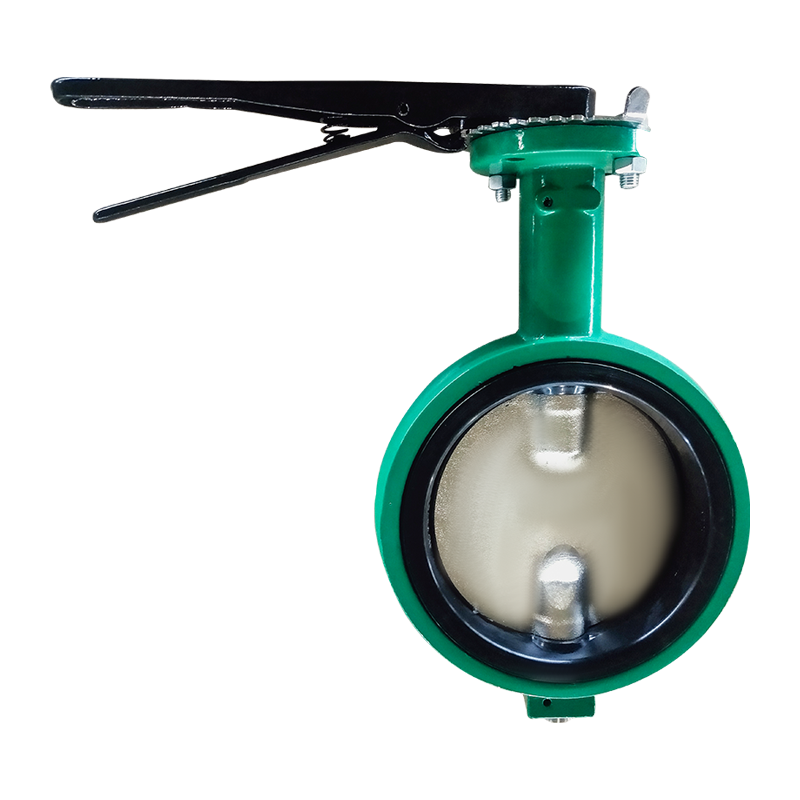
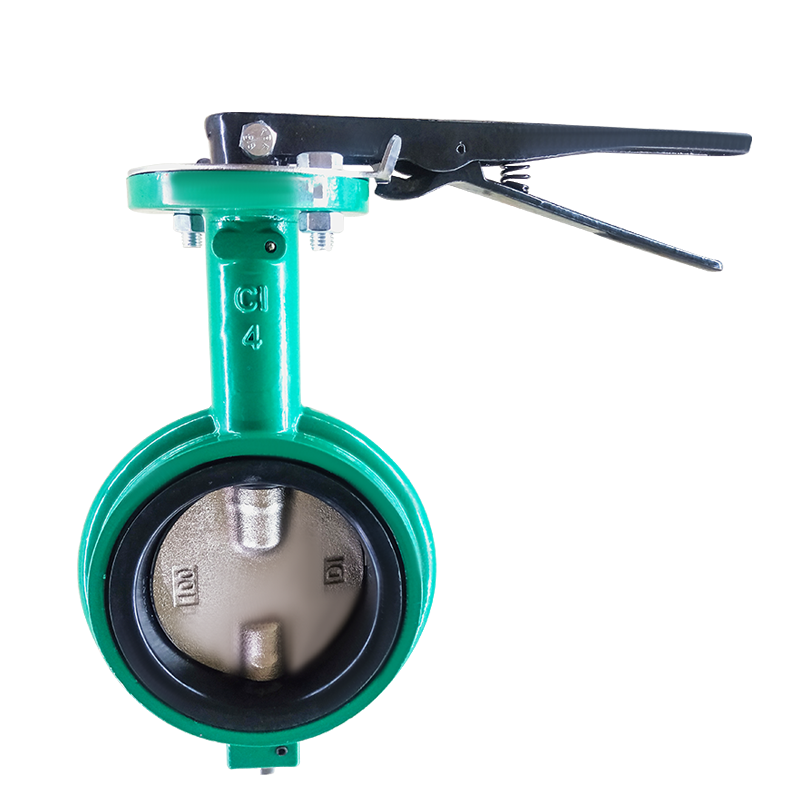
Long Neck Wafer Type Model 25 Butterfly Valve: field notes, specs, and real-world picks
If you’re speccing a stainless steel sanitary butterfly valve for a dairy line or a craft brewery, here’s what I’ve seen on the floor lately: buyers want rugged bodies, low torque, and documentation that actually checks out. The Long Neck Wafer Type Model 25 from Ningjin (Hebei, China) fits right into that conversation—especially where insulation clearance and fast changeouts matter. Trends? Shorter CIP windows, higher automation rates, and stricter surface finish targets, even outside pharma. To be honest, that’s pushing mid-market valves to level up.
Where it’s used (and why it sticks)
Common use cases include dairy pasteurization loops, brewery wort transfer, beverage syrup manifolds, CIP return headers, cosmetics batching, and utility lines in biotech where full aseptic design isn’t mandatory. Operators like the quarter-turn feedback—many customers say the handle detents feel “sure” without being stiff. And the long neck really helps when you’ve got 50 mm of pipe insulation; you can still access the handle or actuator without knuckle-busting.
Core specs (practical view)
| Product | Long Neck Wafer Type Model 25 Butterfly Valve |
| Size range | 1″–12″ (≈ DN25–DN300) |
| Body styles | Wafer Model 15 / 25; Lug Model 20 / 30 (for isolation) |
| Materials | 304 or 316L wetted parts (≈ ASTM A351 CF8/CF3M); seats: EPDM/FKM/PTFE (FDA‑compliant options) |
| Surface finish | Ra ≤ 0.8 μm typical; electropolish optional (real-world may vary by batch) |
| Pressure & temp | Up to around 10–16 bar; −10 to 120°C (seat-dependent) |
| Actuation | Manual lever; pneumatic/ electric via ISO 5211 pad |
| Testing | Hydro/air seat tests per EN 12266‑1, leakage rate A (bubble-tight) |
Factory workflow (what matters in the end)
Materials incoming check → CNC machining → deburr and passivate → seat/shaft assembly → 100% seat test → traceable marking → final QA. Service life is typically around 5–10 years with preventive maintenance, or ≈ 300k–1M cycles depending on seat material and CIP chemistry. I’ve seen 0 visible leakage at 6 bar on seat tests when EPDM is properly conditioned [3]; your mileage depends on media and temperature swings.
Vendor snapshot (quick compare)
| Vendor | Origin | Lead time | Finish/Docs | Price |
|---|---|---|---|---|
| Hongda (Ningjin, Hebei) | China | ≈ 2–4 weeks | Ra reports; EN 12266 tests; ISO 5211 mount | Value tier |
| Regional Brand A | EU | ≈ 3–6 weeks | Extensive cert pack (3‑A/BPE options) | Mid–High |
| Import B | APAC | Stock to 4 weeks | Basic docs; variable finish | Low–Mid |
Note: specs and lead times are approximate; real-world use may vary with size, seat, and audit requirements.
Compliance and options
Seats available in FDA 21 CFR 177‑compliant materials; 3‑A compatible designs on request; alignment with ASME BPE surface targets in higher tiers; CE (PED) and ISO 9001 factory QA are commonly provided. Actuator mounting follows ISO 5211, which makes upgrades easier later.
Mini case notes
- Dairy (Hebei): swapped legacy gate valves for two dozen stainless steel sanitary butterfly valve units on a CIP loop; reduced leak call-outs by ~30% after seat change to FKM for hot caustic.
- Craft brewery (EU): opted for long-neck wafer bodies to clear 40 mm insulation; pneumatic actuation using ISO 5211 pad, 0 issues in 9 months, torque stayed low even after frequent SIP-lite cycles.
Final thought: if you need cleanability, quick isolation, and sane documentation, a long‑neck wafer body like this is hard to beat. And yes, a stainless steel sanitary butterfly valve still wins on cost-of-ownership versus many seat valves—especially where cavity traps are a concern.
Origin
Development area of Huanmadian, NingJin county, Hebei province, China.
References
- ASME BPE – Bioprocessing Equipment Standard. asme.org
- 3‑A Sanitary Standards for Valves. 3-a.org
- EN 12266‑1: Industrial valves – Testing of metallic valves. CEN
- FDA 21 CFR 177 – Indirect food additives (elastomers). fda.gov
- ISO 5211 – Industrial valves: Part-turn actuator attachments. iso.org
-
Comprehensive Guide to Wholesale 3 Butterfly Valve Price and Supplier Selection
NewsJan.28,2026
-
Comprehensive Guide to Wholesale Water Main Check Valve Selection and Application
NewsJan.27,2026
-
Wholesale 6 Lug Butterfly Valve – Durable & Cost-Effective Solutions for Industrial Applications
NewsJan.06,2026
-
Wholesale Composeal Butterfly Valve - Reliable Industrial Sealing Solutions
NewsJan.06,2026
-
Wholesale Marine Check Valve | Durable & Certified Marine Valves
NewsJan.06,2026
-
Wholesale Butterfly Valve Gas – B2B Solutions for Efficient Gas Flow Control | Hongda Valve
NewsJan.05,2026
 Afrikaans
 Albanian
 Amharic
 Arabic
 Armenian
 Azerbaijani
 Basque
 Belarusian
 Bengali
 Bosnian
 Bulgarian
 Catalan
 Cebuano
 Corsican
 Croatian
 Czech
Czech
 Danish
 Dutch
Dutch
 Esperanto
 Estonian
 Finnish
 French
 Frisian
 Galician
 Georgian
 German
 Greek
Greek
 Gujarati
 Haitian Creole
 Hausa
Hausa
 Hawaiian
 Hebrew
 Hindi
Hindi
 Miao
Miao
 Hungarian
 Icelandic
 Igbo
Igbo
 Indonesian
 Irish
Irish
 Italian
 Japanese
 Javanese
 Kannada
 Kazakh
 Khmer
Khmer
 Rwandese
 Korean
 Kurdish
 Kyrgyz
 Lao
Lao
 Latin
Latin
 Latvian
 Lithuanian
 Luxembourgish
 Macedonian
 Malgashi
 Malay
Malay
 Malayalam
 Maltese
 Maori
Maori
 Marathi
 Mongolian
 Myanmar
 Nepali
 Norwegian
 Norwegian
 Occitan
 Pashto
 Persian
 Polish
 Portuguese
 Punjabi
 Romanian
 Russian
 Samoan
 Scottish Gaelic
 Serbian
 Sesotho
 Shona
Shona
 Sindhi
 Sinhala
 Slovak
 Slovenian
 Somali
 Spanish
 Sundanese
 Swahili
 Swedish
 Tagalog
 Tajik
Tajik
 Tamil
Tamil
 Tatar
Tatar
 Telugu
 Thai
Thai
 Turkish
 Turkmen
 Ukrainian
 Urdu
Urdu
 Uighur
 Uzbek
Uzbek
 Vietnamese
 Welsh
Welsh
 Bantu
Bantu
 Yiddish
 Yoruba
 Zulu
Zulu
 English