- Call Us
- +8618633052223
- njhdvlz@163.com
To be honest, things have been… hectic. Everyone’s talking about IoT integration, right? Sensors in everything. It's all well and good in the brochures, but out on site, it just means another point of failure. And another cable to trip over. You wouldn’t believe how many times I’ve nearly face-planted because of some wirelessly-connected gizmo.
I've been seeing a lot of demand for smaller form factors too. Everyone wants things miniature. Which is fine, until you're trying to get a grip on something that feels like holding a button. That’s where you start running into real problems. And those fancy ceramic materials? Forget about it. Too brittle for most applications, honestly. They look great in the lab, but try dropping one on concrete...
The biggest trend, I think, is everyone chasing higher efficiency. Less waste, lower energy consumption. It sounds good, but it usually means cutting corners on materials. And that always comes back to bite you.
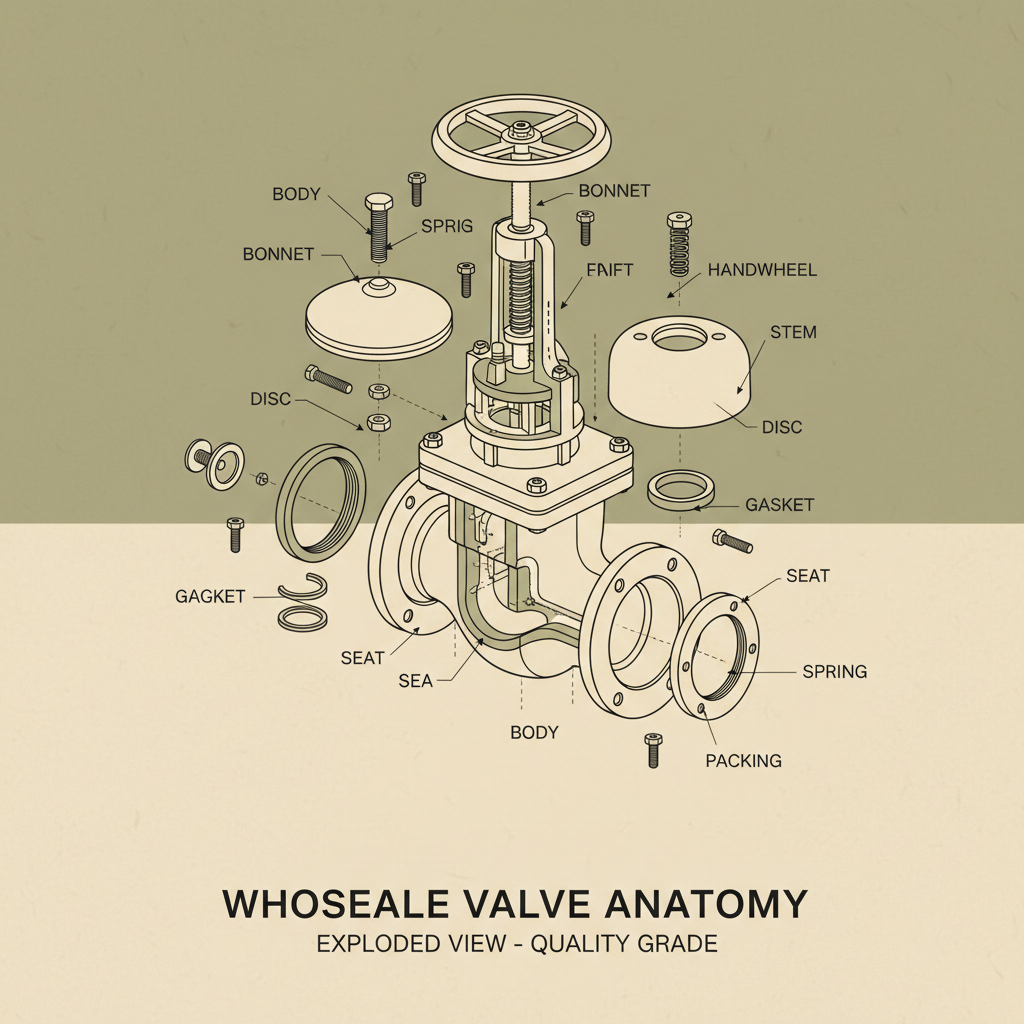
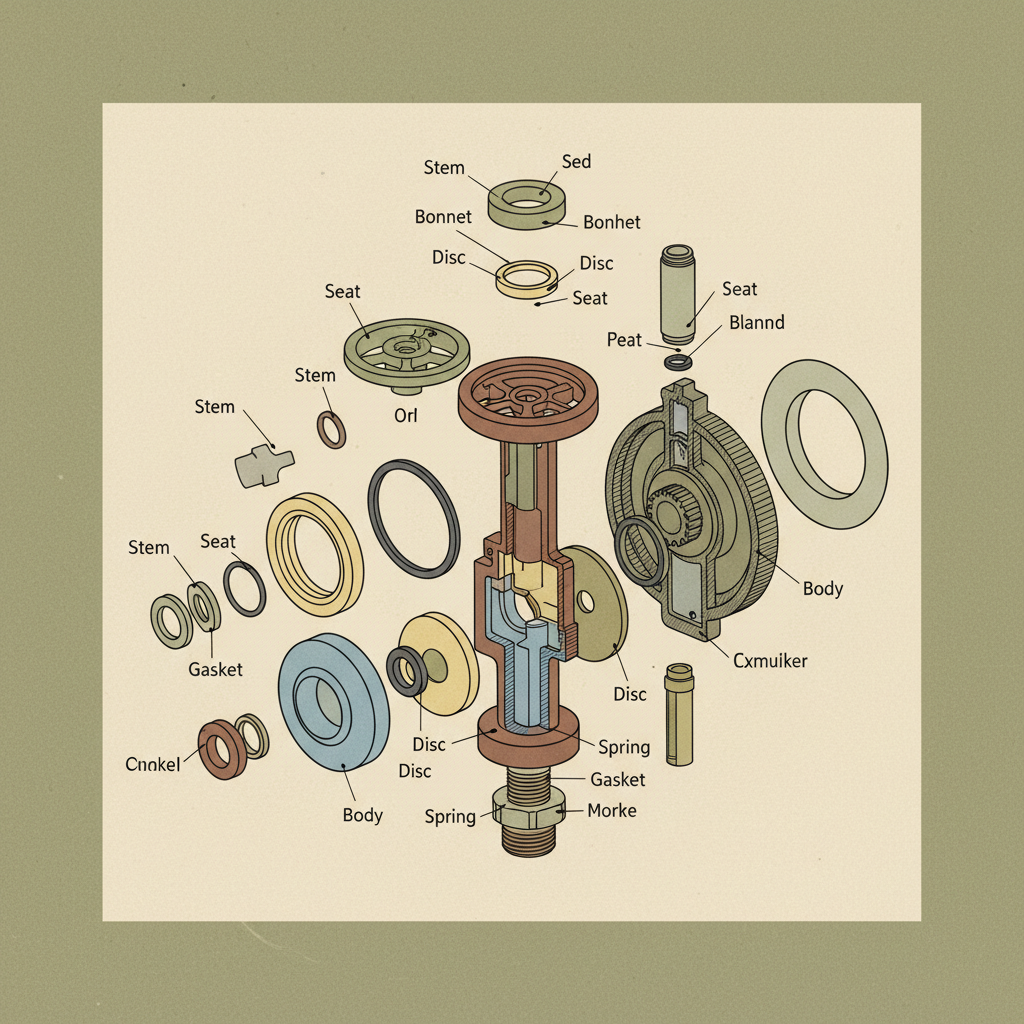
Have you noticed how everyone’s obsessed with ‘smart’ everything these days? It’s good for sales, I guess, but it doesn’t always translate to practicality. I was at a petrochemical plant last month, and they were trying to retrofit old systems with these fancy automated valves. It turned into a nightmare. Compatibility issues, software glitches, the whole nine yards. Sometimes, the simplest solution is still the best.
The demand for specialized alloys is also through the roof. People want materials that can withstand extreme temperatures, corrosive environments, you name it. But these materials are expensive and hard to source. And let me tell you, getting a delivery on time is half the battle.
Generally, it's corrosion or erosion. But sometimes it’s just poor installation. You’d be surprised how many problems stem from something as simple as improper tightening or using the wrong gasket material. And of course, foreign object damage. A little bit of grit can do a lot of damage over time. Really, it's usually a combination of factors, but understanding the specific environment is crucial for preventing failures.
Critical. Absolutely critical. You can have the best valves in the world, but if you don't maintain them properly, they're going to fail eventually. Regular inspections, lubrication, and replacement of worn parts are essential. It's cheaper to spend a little money on maintenance than to deal with a catastrophic failure that shuts down your entire operation. I tell people all the time, a stitch in time saves nine.
Start with understanding the fluid, the temperature, and the pressure. Then, consider the corrosive properties of the environment. There are charts and guides available, but experience is the best teacher. Don’t be afraid to ask questions and consult with experts. And always overestimate rather than underestimate the requirements. Better to have a valve that's slightly over-engineered than one that fails prematurely.
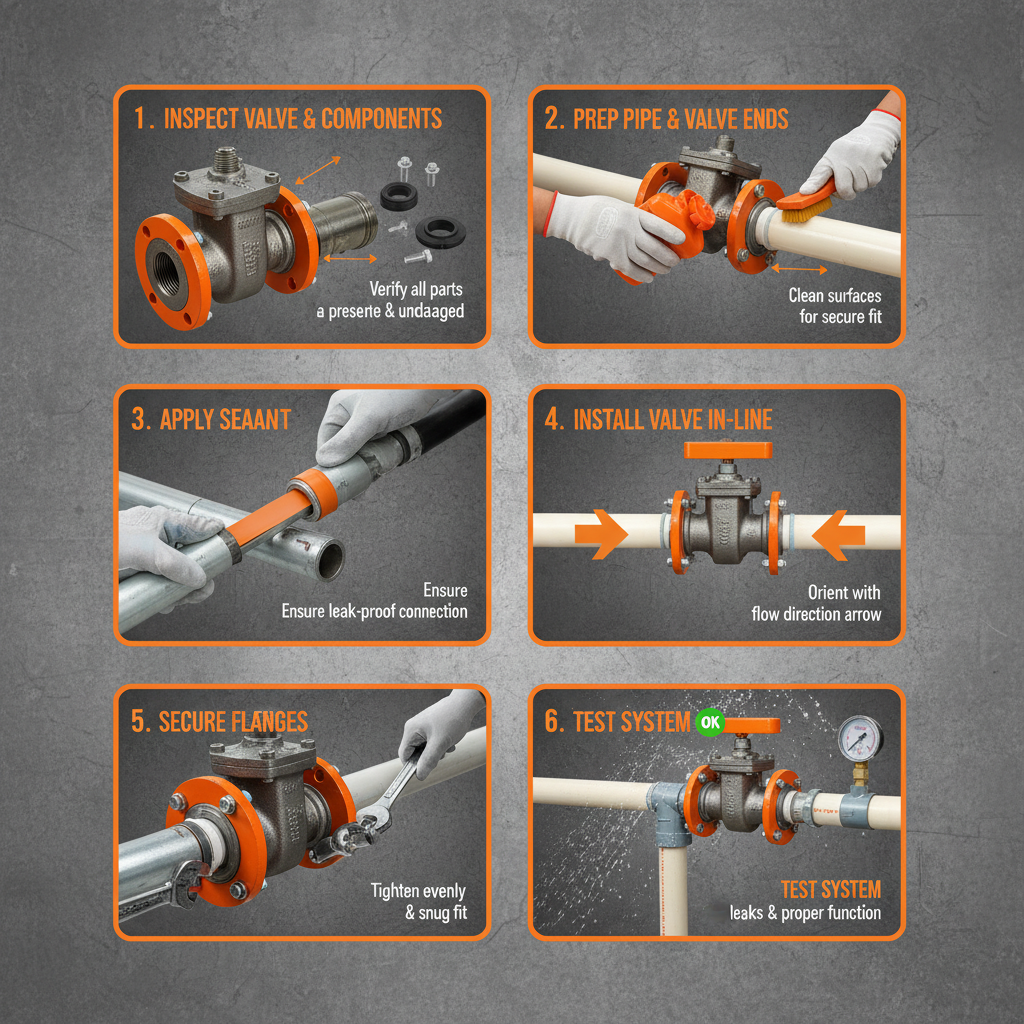
Follow the manufacturer's instructions to the letter. Use the correct tools and techniques. Make sure the piping is aligned properly to avoid stress on the valve body. And don’t overtighten the connections! You can damage the valve seals. A little bit of Teflon tape can go a long way. Seriously. It's the little things that matter.
Sometimes. It depends on the extent of the damage. If it’s just a worn seal or a damaged gasket, refurbishment is usually a good option. But if the valve body is corroded or cracked, it’s probably time for a replacement. Refurbishing can save you money, but you need to make sure it's done properly. Otherwise, you're just postponing the inevitable.
I'm seeing a lot of interest in digital valves with remote monitoring and control. Smart valves, basically. It allows you to track performance, identify potential problems, and make adjustments remotely. But, like I said earlier, the more technology you add, the more points of failure you introduce. It’s a trade-off. Also, there's a growing demand for valves made from sustainable materials, which is good. People are starting to think about the environmental impact of their choices.
Ultimately, wholesale valve quality isn’t just about the materials or the design. It’s about understanding the application, anticipating the challenges, and making sure the valve is installed and maintained properly. It’s a holistic process. The fancy certifications and lab results mean nothing if the valve doesn’t perform in the real world.
And in the end, whether this thing works or not, the worker will know the moment he tightens the screw. That's what matters. It’s a gut feeling, a sense of confidence that comes from years of experience. And if you don’t have that, you’re in trouble.

 Afrikaans
 Albanian
 Amharic
 Arabic
 Armenian
 Azerbaijani
 Basque
 Belarusian
 Bengali
 Bosnian
 Bulgarian
 Catalan
 Cebuano
 Corsican
 Croatian
 Czech
Czech
 Danish
 Dutch
Dutch
 Esperanto
 Estonian
 Finnish
 French
 Frisian
 Galician
 Georgian
 German
 Greek
Greek
 Gujarati
 Haitian Creole
 Hausa
Hausa
 Hawaiian
 Hebrew
 Hindi
Hindi
 Miao
Miao
 Hungarian
 Icelandic
 Igbo
Igbo
 Indonesian
 Irish
Irish
 Italian
 Japanese
 Javanese
 Kannada
 Kazakh
 Khmer
Khmer
 Rwandese
 Korean
 Kurdish
 Kyrgyz
 Lao
Lao
 Latin
Latin
 Latvian
 Lithuanian
 Luxembourgish
 Macedonian
 Malgashi
 Malay
Malay
 Malayalam
 Maltese
 Maori
Maori
 Marathi
 Mongolian
 Myanmar
 Nepali
 Norwegian
 Norwegian
 Occitan
 Pashto
 Persian
 Polish
 Portuguese
 Punjabi
 Romanian
 Russian
 Samoan
 Scottish Gaelic
 Serbian
 Sesotho
 Shona
Shona
 Sindhi
 Sinhala
 Slovak
 Slovenian
 Somali
 Spanish
 Sundanese
 Swahili
 Swedish
 Tagalog
 Tajik
Tajik
 Tamil
Tamil
 Tatar
Tatar
 Telugu
 Thai
Thai
 Turkish
 Turkmen
 Ukrainian
 Urdu
Urdu
 Uighur
 Uzbek
Uzbek
 Vietnamese
 Welsh
Welsh
 Bantu
Bantu
 Yiddish
 Yoruba
 Zulu
Zulu
 English