
- Call Us
- +8618633052223
- njhdvlz@163.com
Wholesale valve operation represents a critical component of modern infrastructure, impacting everything from water distribution and oil & gas pipelines to industrial processing and power generation. Its significance lies in the efficient and reliable control of fluid flow, ensuring the safe and effective operation of countless systems globally. Understanding the nuances of wholesale valve operation is paramount for engineers, procurement specialists, and anyone involved in managing large-scale fluid handling projects, offering benefits from optimized performance to reduced operational costs.
The global relevance of wholesale valve operation stems from the universal need to manage fluids effectively. According to the World Bank, significant investment is continuously directed toward improving water infrastructure, a sector heavily reliant on high-quality valves. Furthermore, ISO standards related to valve manufacturing and testing demonstrate the commitment to quality and safety on a global scale. A primary challenge lies in balancing cost-effectiveness with long-term reliability, particularly in harsh operating environments.
Wholesale valve operation encompasses the procurement, distribution, and application of valves in bulk quantities. Unlike retail sales, wholesale focuses on serving businesses and industrial clients who require large volumes for diverse projects. It's a process integral to modern industry, ensuring consistent supply for critical infrastructure and supporting humanitarian needs – for example, providing rapid access to clean water solutions in disaster-stricken areas. wholesale valve operation is key to project success.

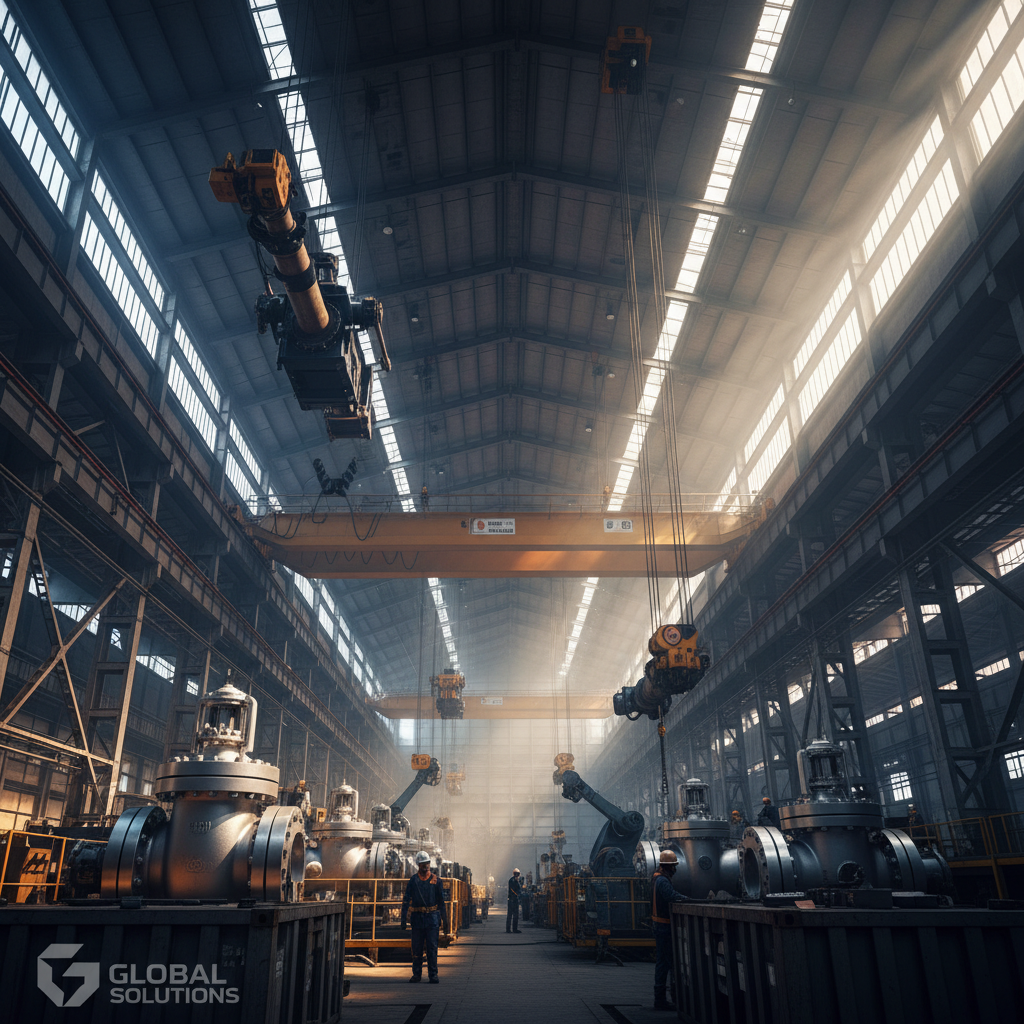
Durability is arguably the most crucial factor in wholesale valve operation, especially when considering long-term operational costs and safety. Valves operating in demanding environments – such as offshore oil rigs or wastewater treatment plants – are subjected to constant stress from pressure, temperature fluctuations, and corrosive substances. Selecting valves constructed from high-grade materials, like stainless steel, alloy 20, or specialized polymers, ensures longevity and minimizes the risk of catastrophic failure.
The cost of downtime due to valve failure far outweighs the initial investment in higher-quality, more durable valves. Furthermore, durable valves contribute significantly to environmental protection by reducing the likelihood of leaks and spills. A robust wholesale valve operation prioritizes sourcing valves with proven track records of reliability and adherence to stringent quality control standards, ultimately safeguarding operational efficiency and environmental responsibility.
When choosing a wholesale valve supplier, prioritize experience, reputation, product quality, and customer support. Consider their certifications, lead times, and ability to meet your specific requirements. A supplier with a proven track record of reliability and a commitment to industry standards is essential. Also, assess their capacity for customization and their responsiveness to technical inquiries.
Verify that the supplier has the necessary certifications (e.g., ISO 9001) and that the valves are tested according to relevant industry standards (e.g., API, ANSI). Request documentation such as material test reports and pressure test certificates. A reputable supplier will readily provide this information.
Lead times vary depending on valve type, quantity, and supplier capacity. Generally, standard valves in stock can be shipped within a few days. Customized valves or large orders may require several weeks or even months. It's crucial to discuss lead times with the supplier upfront to ensure they align with your project schedule.
A good wholesale valve supplier will offer after-sales support, including maintenance recommendations and access to spare parts. Establish a preventative maintenance schedule to prolong valve life and prevent unexpected failures. For complex repairs, consider engaging a qualified valve service technician.
Automated valves offer increased precision, efficiency, and safety. They can be integrated with control systems for remote operation and data monitoring, reducing manual intervention and minimizing human error. Automated valves also enable faster response times and improved process control.
Select valve materials that are compatible with the fluid being handled and the operating environment. Consider protective coatings or linings to enhance corrosion resistance. Implement regular inspection and maintenance programs to identify and address early signs of corrosion.
In conclusion, wholesale valve operation is a vital component of modern infrastructure, demanding a comprehensive understanding of durability, scalability, cost efficiency, and emerging technologies. Prioritizing quality, reliability, and sustainability is paramount for ensuring long-term operational success and minimizing environmental impact. Strategic sourcing, proactive maintenance, and a commitment to continuous improvement are key to maximizing value.
Looking ahead, embracing digital transformation, adopting sustainable materials, and investing in skilled labor will be crucial for navigating the evolving landscape of wholesale valve operation. By focusing on these key areas, businesses can ensure they are well-positioned to meet the challenges and opportunities of the future. Visit our website at www.hongdavalve.com to learn more about our wholesale valve solutions.

 Afrikaans
 Albanian
 Amharic
 Arabic
 Armenian
 Azerbaijani
 Basque
 Belarusian
 Bengali
 Bosnian
 Bulgarian
 Catalan
 Cebuano
 Corsican
 Croatian
 Czech
Czech
 Danish
 Dutch
Dutch
 Esperanto
 Estonian
 Finnish
 French
 Frisian
 Galician
 Georgian
 German
 Greek
Greek
 Gujarati
 Haitian Creole
 Hausa
Hausa
 Hawaiian
 Hebrew
 Hindi
Hindi
 Miao
Miao
 Hungarian
 Icelandic
 Igbo
Igbo
 Indonesian
 Irish
Irish
 Italian
 Japanese
 Javanese
 Kannada
 Kazakh
 Khmer
Khmer
 Rwandese
 Korean
 Kurdish
 Kyrgyz
 Lao
Lao
 Latin
Latin
 Latvian
 Lithuanian
 Luxembourgish
 Macedonian
 Malgashi
 Malay
Malay
 Malayalam
 Maltese
 Maori
Maori
 Marathi
 Mongolian
 Myanmar
 Nepali
 Norwegian
 Norwegian
 Occitan
 Pashto
 Persian
 Polish
 Portuguese
 Punjabi
 Romanian
 Russian
 Samoan
 Scottish Gaelic
 Serbian
 Sesotho
 Shona
Shona
 Sindhi
 Sinhala
 Slovak
 Slovenian
 Somali
 Spanish
 Sundanese
 Swahili
 Swedish
 Tagalog
 Tajik
Tajik
 Tamil
Tamil
 Tatar
Tatar
 Telugu
 Thai
Thai
 Turkish
 Turkmen
 Ukrainian
 Urdu
Urdu
 Uighur
 Uzbek
Uzbek
 Vietnamese
 Welsh
Welsh
 Bantu
Bantu
 Yiddish
 Yoruba
 Zulu
Zulu
 English