
- Call Us
- +8618633052223
- njhdvlz@163.com
Apr . 09, 2026 02:05 Back to list
High Quality Wholesale Inlet Butterfly Valve for Industrial Systems
The Ultimate Guide to Sourcing Wholesale Inlet Butterfly Valve for Industrial Systems
In the complex world of fluid control, the efficiency of your piping system often depends on the quality of your flow regulation components. Selecting a high-quality wholesale inlet butterfly valve is critical for maintaining optimal pressure and flow rates in industrial applications. Whether you are managing a water treatment plant, a chemical processing facility, or an HVAC system, the inlet valve acts as the primary guardian of your system's integrity. In this comprehensive guide, we will explore the technical nuances, procurement advantages, and selection criteria to help you make an informed investment for your infrastructure.
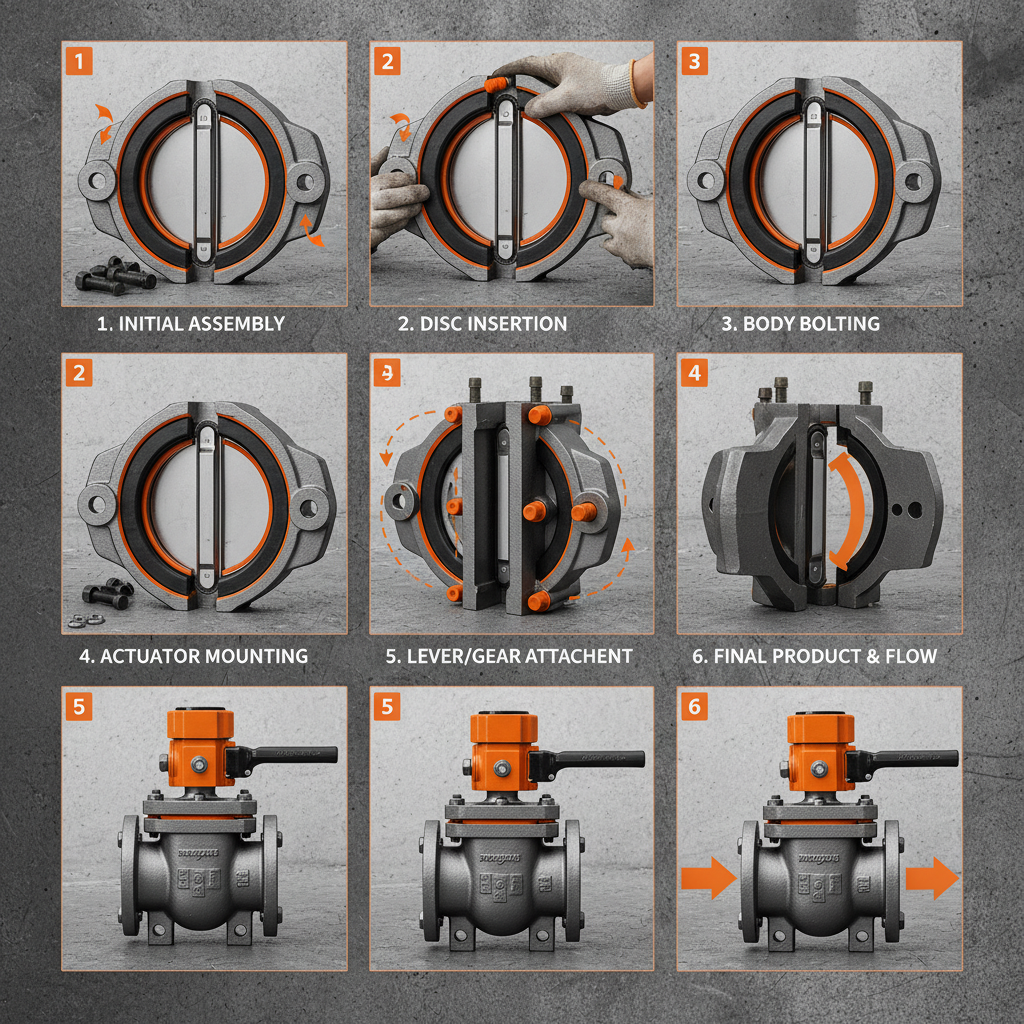
Why Choose a Wholesale Inlet Butterfly Valve for Your Project?
Opting for a wholesale inlet butterfly valve strategy allows industrial buyers to achieve significant economies of scale while ensuring consistency across their entire installation. Butterfly valves are preferred for inlet positions because of their compact design, quick operation, and low pressure drop. When purchased in bulk, companies can standardize their maintenance protocols, as every valve shares the same specifications and seal materials. This reduces the variety of spare parts needed in inventory and streamlines the installation process. By partnering with a reliable manufacturer like Hongda Valve, you ensure that each unit meets rigorous international quality standards.
Pro Tip: Standardizing your valve components through wholesale procurement not only lowers the unit cost but also minimizes the risk of installation errors caused by mismatched specifications.
Key Technical Advantages of the Inlet Butterfly Valve
The primary appeal of the wholesale inlet butterfly valve lies in its quarter-turn mechanism. This allows for rapid shut-off and precise throttling of the incoming fluid stream. Unlike gate valves, which require multiple turns to close, the butterfly valve provides immediate control, which is essential for emergency shut-down scenarios. Additionally, the lightweight construction reduces the overall load on the piping supports, making it an ideal choice for large-diameter pipes where heavy valves would be impractical and costly to install.
Performance Benefits:
• Tight Sealing: Advanced elastomer seats prevent leakage at the inlet.
• Low Torque: Easier to operate manually or via actuators.
• Space Saving: Minimal face-to-face dimensions compared to globe valves.
• Versatility: Compatible with various media including water, gas, and oil.
Comparison: Wholesale Inlet Butterfly Valve vs. Ball Valves
When deciding between a wholesale inlet butterfly valve and a ball valve, engineers must consider the trade-off between sealing tightness and cost-efficiency. While ball valves offer an absolute seal, butterfly valves are significantly more cost-effective for larger pipe diameters. Furthermore, the butterfly valve's disc remains in the flow stream, which can be an advantage for certain throttling applications. The table below provides a clear comparison to help you determine the best fit for your specific industrial needs.
Industry Applications for Wholesale Inlet Butterfly Valves
The adaptability of the wholesale inlet butterfly valve makes it a staple across various sectors. In wastewater treatment, these valves handle large volumes of slurry and water with minimal wear. In chemical plants, specialized linings (such as PTFE) allow the valves to resist corrosive agents. Additionally, the food and beverage industry utilizes stainless steel butterfly valves to maintain hygiene standards while controlling flow. The ability to automate these valves via pneumatic or electric actuators further enhances their utility in smart-factory environments.
Technical Specifications for a Wholesale Inlet Butterfly Valve
To ensure you are purchasing the correct equipment, it is essential to review the technical specifications. A high-quality wholesale inlet butterfly valve should be rated for the maximum pressure and temperature your system will encounter. The choice of seat material (EPDM, NBR, or Viton) is determined by the chemical composition of the medium. Below is a specification table for a standard industrial-grade butterfly valve typically offered in wholesale quantities.
Maintenance and Longevity of Inlet Valves
To maximize the return on your investment in a wholesale inlet butterfly valve, a proactive maintenance schedule is essential. The most common point of failure is the seat seal, which can degrade over time due to chemical exposure or mechanical wear. Regularly inspecting the valve for leaks and lubricating the stem ensures smooth operation. Because these valves are often purchased in bulk, maintenance teams can perform "staggered replacements," ensuring that no two critical valves are at the end of their lifespan simultaneously, thus maintaining uninterrupted system uptime.
Conclusion: Optimizing Flow with Quality Valves
Sourcing a high-performance wholesale inlet butterfly valve is more than just a cost-saving measure; it is a strategic decision to improve system reliability and operational efficiency. By understanding the technical specifications and choosing a trusted partner like Hongda Valve, you can ensure your industrial processes remain fluid and secure. Whether for new installations or system upgrades, the butterfly valve remains the gold standard for efficient inlet control.
Frequently Asked Questions (FAQs)
What are the primary benefits of buying butterfly valves wholesale?
Buying a wholesale inlet butterfly valve offers three primary advantages: cost reduction, standardization, and supply chain stability. By ordering in bulk, businesses significantly lower the per-unit price and shipping costs. Standardization means that all valves in a facility share the same dimensions and materials, which simplifies maintenance and reduces the variety of replacement parts needed in stock. Furthermore, wholesale agreements often ensure a priority supply of components, preventing costly project delays caused by individual part shortages.
How do I choose the right seat material for my inlet valve?
The seat material is the most critical factor for leak prevention and longevity. EPDM is ideal for water and steam applications due to its excellent heat resistance. NBR (Nitrile) is the best choice for oil and fuel systems because of its resistance to hydrocarbons. For highly corrosive chemicals or extreme temperatures, PTFE (Teflon) is recommended as it is chemically inert. When browsing Hongda Valve's catalog, we recommend matching the seat material to the specific pH and temperature of your fluid to prevent premature seal failure.
Can a butterfly valve be used for precise throttling at the inlet?
Yes, butterfly valves can be used for throttling, although they are primarily designed for on/off service. For precise flow control at the inlet, it is recommended to use an automated actuator (electric or pneumatic) with a positioner. This allows for incremental adjustments of the disc angle to regulate the flow rate accurately. However, users should be aware that high-velocity flow against a partially closed disc can cause cavitation or erosion over time, so it is important to select a valve with a reinforced disc for continuous throttling applications.
What is the difference between wafer and lug type butterfly valves?
The difference lies in how the valve is mounted between pipe flanges. A wafer-style valve is "sandwiched" between two flanges and held in place by the bolts passing through the valve body; it is more compact and cheaper, but the entire line must be depressurized to remove the valve. A lug-style valve has threaded inserts (lugs) that allow it to be bolted directly to the flange. This means the valve can act as a dead-end, allowing you to disconnect one side of the piping while the valve remains in place and the other side remains pressurized.
-
Industrial Guide to Wholesale Large Butterfly Valve Procurement
NewsApr.16,2026
-
High Quality Wholesale Inlet Butterfly Valve for Industrial Systems
NewsApr.09,2026
-
Comprehensive Guide to Wholesale Butterfly Valve 8 Inch Price and Selection
NewsApr.07,2026
-
Comprehensive Guide to Wholesale SS 304 Butterfly Valve Selection and Applications
NewsApr.04,2026
-
Comprehensive Guide to Wholesale Valve Material Selection and Cost Optimization
NewsMar.31,2026
-
Comprehensive Guide to Wholesale Inline Hydraulic Check Valve Solutions
NewsMar.28,2026
 Afrikaans
 Albanian
 Amharic
 Arabic
 Armenian
 Azerbaijani
 Basque
 Belarusian
 Bengali
 Bosnian
 Bulgarian
 Catalan
 Cebuano
 Corsican
 Croatian
 Czech
Czech
 Danish
 Dutch
Dutch
 Esperanto
 Estonian
 Finnish
 French
 Frisian
 Galician
 Georgian
 German
 Greek
Greek
 Gujarati
 Haitian Creole
 Hausa
Hausa
 Hawaiian
 Hebrew
 Hindi
Hindi
 Miao
Miao
 Hungarian
 Icelandic
 Igbo
Igbo
 Indonesian
 Irish
Irish
 Italian
 Japanese
 Javanese
 Kannada
 Kazakh
 Khmer
Khmer
 Rwandese
 Korean
 Kurdish
 Kyrgyz
 Lao
Lao
 Latin
Latin
 Latvian
 Lithuanian
 Luxembourgish
 Macedonian
 Malgashi
 Malay
Malay
 Malayalam
 Maltese
 Maori
Maori
 Marathi
 Mongolian
 Myanmar
 Nepali
 Norwegian
 Norwegian
 Occitan
 Pashto
 Persian
 Polish
 Portuguese
 Punjabi
 Romanian
 Russian
 Samoan
 Scottish Gaelic
 Serbian
 Sesotho
 Shona
Shona
 Sindhi
 Sinhala
 Slovak
 Slovenian
 Somali
 Spanish
 Sundanese
 Swahili
 Swedish
 Tagalog
 Tajik
Tajik
 Tamil
Tamil
 Tatar
Tatar
 Telugu
 Thai
Thai
 Turkish
 Turkmen
 Ukrainian
 Urdu
Urdu
 Uighur
 Uzbek
Uzbek
 Vietnamese
 Welsh
Welsh
 Bantu
Bantu
 Yiddish
 Yoruba
 Zulu
Zulu
 English