
- Call Us
- +8618633052223
- njhdvlz@163.com
Sep . 15, 2025 08:20 Back to list
Robust Butterfly Valve Rubber Lined for Optimal Performance
Understanding the Core: The butterfly valve rubber Component
In industrial fluid control systems, the integrity and performance of valves are paramount. Central to the functionality of many high-performance butterfly valves is the elastomer liner, commonly referred to as the butterfly valve rubber. This critical component dictates the valve's sealing capability, media compatibility, and operational lifespan. Its design and material selection are crucial for applications ranging from general utilities to highly corrosive chemical processes.
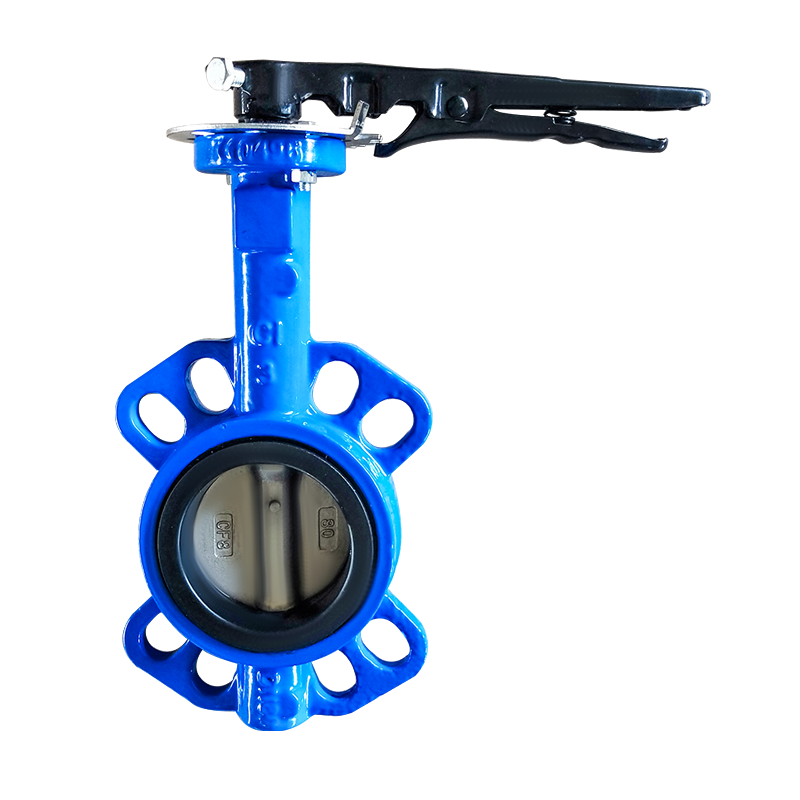
The Series F101 Wafer Type Butterfly Valve, for instance, relies heavily on a precisely engineered rubber liner to ensure zero leakage and reliable shut-off. Unlike metal-seated valves, the elastomer seat provides a resilient seal, accommodating minor imperfections and offering excellent sealing characteristics even under varying pressure conditions. This article delves into the intricate details of manufacturing, application, and technical considerations for this essential component, addressing the needs of B2B decision-makers and engineering professionals.
Process Flow: Manufacturing the Butterfly Valve Rubber Liner
The manufacturing of a high-quality butterfly valve rubber liner is a meticulous process demanding precision engineering and stringent quality control. This process ensures the liner can withstand diverse operational stresses, including pressure, temperature fluctuations, and chemical exposure. Here's a detailed breakdown of the key steps involved:
1. Material Selection and Compounding
- Elastomer Choice: Based on the intended application, specific elastomers are chosen. Common types include EPDM (Ethylene Propylene Diene Monomer) for water and mild chemicals, NBR (Nitrile Butadiene Rubber) for oil and hydrocarbons, Viton (Fluoroelastomer) for high-temperature and aggressive chemical services, and Silicone for food-grade and medical applications. The selection criteria include chemical resistance, temperature range, mechanical strength, and compression set.
- Compounding: Raw rubber polymers are blended with various additives such as vulcanizing agents (e.g., sulfur), accelerators, activators, fillers (e.g., carbon black, silica for strength), plasticizers, and anti-degradants. This compounding process is critical to achieve the desired physical and chemical properties of the final rubber, ensuring optimal resilience, hardness, and durability.
2. Pre-forming and Molding
- Pre-forming: The compounded rubber material is often pre-formed into blanks or sheets, which are then precisely cut or extruded to the approximate shape required for the mold. This step reduces material waste and ensures consistent material distribution within the mold cavity.
- Compression/Injection Molding: The pre-formed rubber is placed into a heated mold cavity. In compression molding, pressure is applied to force the rubber to fill the cavity. In injection molding, molten rubber is injected into the mold. Both methods ensure the rubber takes the exact shape of the valve body's interior, including intricate sealing beads and flange faces.
3. Vulcanization (Curing)
- This is the irreversible process where rubber, under heat and pressure, forms cross-links between polymer chains. Vulcanization transforms the plastic, deformable rubber into a highly elastic material with improved strength, chemical resistance, and thermal stability. Precise control over temperature and time is vital to achieve optimal physical properties and ensure a long service life.
4. Trimming and Finishing
- After molding and vulcanization, excess rubber (flash) is carefully trimmed from the liner. Advanced techniques like cryogenic deflashing or precision cutting ensure clean edges and dimensional accuracy, which are critical for proper sealing within the valve body.
5. Quality Control and Testing Standards
- Visual Inspection: Checking for surface defects, inconsistencies, or foreign matter.
- Dimensional Inspection: Verifying critical dimensions against engineering drawings using calipers, micrometers, and optical comparators to ensure perfect fitment.
- Material Property Testing: Hardness (Durometer A or D per ASTM D2240), Tensile Strength, Elongation, and Compression Set (per ASTM D395) are routinely performed to confirm the material meets specifications.
- Leakage Testing: Once assembled into the valve body, the valve undergoes hydrostatic and low-pressure air tests (e.g., API 598, ISO 5208) to guarantee bubble-tight shut-off.
- Certification: Products often adhere to international standards like ISO 9001 for quality management, API 609 for butterfly valves, and material-specific standards like FDA for food-grade applications.
The resulting butterfly valve rubber liner boasts properties optimized for a service life often exceeding 10 years under normal operating conditions, contributing significantly to reduced maintenance costs and operational efficiency in industries such as petrochemical, metallurgy, power generation, and water supply & drainage. The precise manufacturing of the rubber ensures advantages like superior energy saving through minimal pressure drop and exceptional corrosion resistance against a wide range of media.
Industry Trends in Butterfly Valve Rubber Technology
The market for butterfly valves is continuously evolving, driven by demands for increased efficiency, environmental compliance, and enhanced safety. For the butterfly valve rubber components, several key trends are shaping development:
- Advanced Elastomer Formulations: Research is focused on developing new rubber compounds that offer superior chemical resistance, higher temperature ratings, and extended service life. This includes elastomers with improved resistance to ozone, UV, and extreme pH levels, reducing the need for more expensive exotic alloys. For aggressive media, advanced PTFE lined butterfly valve options are also becoming more prevalent, though rubber remains cost-effective for many applications.
- Enhanced Sealing Geometries: Innovations in liner design aim to reduce torque requirements, improve sealing performance at low pressures, and ensure longer-lasting tight shut-off. This often involves intricate lip designs and reinforced seating areas that minimize wear.
- Sustainability and Eco-Friendly Materials: Growing emphasis on reducing environmental impact is driving demand for rubber materials that are recyclable, produced with less energy, or contain fewer hazardous substances. This also extends to long-lasting designs that reduce material consumption over the valve's lifecycle.
- Smart Sensing Integration: While still nascent for rubber components themselves, there's a trend towards integrating smart sensors into valve assemblies to monitor liner integrity, temperature, and pressure, allowing for predictive maintenance and minimizing unplanned downtime.
- Material Alternatives: For highly corrosive or abrasive applications where even specialized rubber struggles, alternatives like PTFE lined butterfly valve, PPH butterfly valve, or PP butterfly valve (often referred to as polypropylene butterfly valve) are gaining traction, offering different compromises in terms of cost, temperature, and chemical compatibility. However, for resilient sealing and cost-effectiveness, rubber remains a strong contender.
Technical Specifications: Series F101 Wafer Type Butterfly Valve with Rubber Liner
The Series F101 Wafer Type Butterfly Valve exemplifies robust engineering suitable for a broad spectrum of industrial applications. Its design, centered around a resilient butterfly valve rubber liner, ensures reliable performance and longevity.
General Specifications
| Parameter | Specification |
|---|---|
| Valve Type | Wafer Type Butterfly Valve |
| Nominal Diameter (DN) | DN50 - DN600 (2" - 24") |
| Nominal Pressure (PN) | PN10 / PN16 (Class 150) |
| Body Material | Ductile Iron (GGG40/50), Cast Steel Butterfly Valve (WCB), Stainless Steel (CF8/CF8M) |
| Disc Material | Ductile Iron (Nickel Plated), Stainless Steel (SS304/SS316) |
| Stem Material | Stainless Steel (SS410/SS416/SS304/SS316) |
| Sealing Material (Liner) | EPDM, NBR, Viton, Silicone, PTFE (as specialized options) |
| Operating Temperature Range | -30°C to +150°C (depending on liner material) |
| Actuation | Lever, Gearbox, Pneumatic, Electric |
| Design Standard | API 609, BS EN 593 |
| Face-to-Face Dimension | ISO 5752, API 609, BS EN 558 |
| Flange Drilling | ANSI 150, BS 4504 PN10/16, DIN PN10/16, JIS 10K |
| Inspection & Test | API 598, ISO 5208 |
Application Scenarios of Butterfly Valve Rubber Liners
The versatility of butterfly valve rubber liners makes them indispensable across a multitude of industries where reliable shut-off and throttling capabilities are required. Their adaptability to various media, temperatures, and pressures solidifies their role in critical infrastructure.
- Water Treatment and Distribution: EPDM-lined butterfly valves are extensively used in potable water systems, wastewater treatment plants, and irrigation networks due to their excellent resistance to water, ozone, and non-aggressive chemicals. They provide tight shut-off and are cost-effective for large-scale municipal applications.
- HVAC Systems: In heating, ventilation, and air conditioning, butterfly valves with EPDM liners are common for controlling chilled water, hot water, and condenser water flows, offering efficient regulation and reliable isolation.
- Chemical Processing (Mild to Moderate): Depending on the specific elastomer (e.g., Viton for strong acids/bases, NBR for hydrocarbons), these valves are employed for various chemical fluids. For highly aggressive or abrasive chemicals, options like PTFE lined butterfly valve or specialized polypropylene butterfly valve variants might be preferred, but rubber offers significant cost advantages for compatible media.
- Food and Beverage Industry: Silicone or special food-grade EPDM liners, compliant with FDA standards, are used for hygienic applications, handling potable liquids, spirits, and food products where cleanliness and non-contamination are crucial.
- Power Generation: Used in cooling water systems, intake, and discharge lines for reliable flow control in power plants.
- Mining and Slurry Applications: While more abrasive media often call for specific hardened liners, certain heavy-duty rubber compounds can offer good service in less abrasive slurry applications, benefiting from the resilience of the elastomer.
A prime example is the use of EPDM-lined butterfly valves in large municipal water pumping stations. These valves handle high flow rates, requiring minimal pressure drop and excellent long-term sealing. The flexibility of the butterfly valve rubber allows for reliable operation, even with minor particulate matter, outperforming rigid metal seats in such scenarios.
Technical Advantages of Butterfly Valve Rubber Liners
The widespread adoption of rubber-lined butterfly valves stems from several distinct technical advantages they offer over other valve types and seating materials:
- Superior Sealing Performance: The resilient nature of the butterfly valve rubber liner allows it to conform tightly around the disc, providing a bubble-tight shut-off (Class VI leakage per ANSI/FCI 70-2). This is critical for preventing leakage and maintaining system integrity, especially in low-pressure applications where metal seats might struggle.
- Corrosion Resistance: By enveloping the valve body's interior, the rubber liner acts as a protective barrier, preventing corrosive media from contacting the metal body or disc (if the disc is also coated). This significantly extends the valve's lifespan in chemical environments, reducing the need for expensive exotic metal bodies like those found in fully stainless steel or cast steel butterfly valve designs.
- Abrasion Resistance: Certain rubber compounds, such as Nitrile (NBR), offer excellent resistance to abrasive slurries or particulate-laden fluids, protecting the valve's internal components from wear.
- Lower Operating Torque: The smooth, low-friction surface of the rubber liner often results in lower operating torque compared to metal-seated valves, leading to smaller, more cost-effective actuators and reduced energy consumption.
- Cost-Effectiveness: For many applications, rubber-lined butterfly valves offer a more economical solution compared to high-performance metal-seated or specialized plastic-lined valves (e.g., PPH butterfly valve). The lower material cost for the liner and simpler manufacturing contribute to overall savings.
- Reduced Maintenance: With proper material selection, the durable rubber liner provides a long service life, minimizing the frequency of maintenance and replacement, thus lowering operational costs.
Vendor Comparison for Butterfly Valves
Selecting the right vendor for butterfly valves, especially those relying on high-quality butterfly valve rubber liners, is critical for project success and long-term operational reliability. Here's a comparative framework:
Key Evaluation Criteria for Vendors
| Criterion | Importance | Considerations |
|---|---|---|
| Material Expertise | High | Deep understanding of elastomer chemistry, compounding, and compatibility with various media. Ability to recommend optimal butterfly valve rubber liners (EPDM, NBR, Viton) or alternatives like PTFE lined butterfly valve, PP butterfly valve. |
| Manufacturing Quality | Critical | Certifications (ISO 9001), use of advanced CNC machining, precision molding for rubber components, robust testing protocols (API 598). Look for consistent product quality. |
| Product Range & Customization | High | Ability to provide a full range of sizes, pressure classes, and materials (e.g., cast steel butterfly valve bodies, various rubber liners, specialized coatings). Flexibility for tailored solutions. |
| Technical Support & Experience | High | Years of industry experience, engineering support for selection and troubleshooting, positive customer feedback, case studies demonstrating successful project implementations. |
| Lead Times & Logistics | Moderate | Reliable lead times, efficient fulfillment, and global shipping capabilities. Stock availability for standard products. |
| After-Sales Service & Warranty | High | Comprehensive warranty, readily available spare parts (especially liners), technical assistance for installation and maintenance. |
| Pricing & Value Proposition | Moderate | Competitive pricing balanced with quality, long-term performance, and total cost of ownership (TCO), not just initial purchase price. |
A reputable vendor will not only offer a broad product line, including the Series F101 Wafer Type Butterfly Valve, but also demonstrate a deep commitment to material science, manufacturing excellence, and customer support, ensuring that the chosen butterfly valve rubber solution performs optimally throughout its expected lifespan.
Customized Solutions for Butterfly Valve Rubber Liners
While standard butterfly valve rubber liners cover a wide range of applications, many industrial processes require highly specific solutions. Customization allows engineers to precisely match the valve's sealing component to unique operational demands, optimizing performance and extending service life.
Areas of Customization:
- Elastomer Compound Formulation: Beyond standard EPDM or NBR, suppliers can custom-compound rubbers for enhanced resistance to specific chemicals, higher or lower temperature extremes, improved abrasion resistance, or specific regulatory compliance (e.g., ultrapure water, pharmaceutical grades). This often involves modifying filler content, cure systems, or polymer blends.
- Liner Geometry and Thickness: For specialized applications, the thickness of the rubber lining can be adjusted for increased wear allowance in abrasive services or to accommodate specific flange types. The seating bead geometry can be optimized for lower torque or enhanced sealing performance under vacuum conditions.
- Adhesion to Body: For critical services, the rubber liner can be permanently bonded to the valve body, providing maximum integrity against vacuum or rapid pressure changes, often requiring specialized bonding agents and processes during molding.
- Color Coding: In complex plants, color-coded liners can be implemented for quick visual identification of material types, reducing the risk of incorrect valve application.
- Certifications and Compliance: Custom solutions can be engineered to meet specific certifications such as FDA (food contact), USP Class VI (medical), WRAS (potable water), or ATEX (explosive atmospheres), which might require specific material compositions and testing.
For example, a client in a semiconductor manufacturing plant might require an EPDM liner specifically formulated for ultra-pure water systems, with extremely low leachables and certified to meet stringent cleanliness standards. Or, a mining operation might need an NBR liner with enhanced hardness and abrasion resistance for handling highly corrosive mineral slurries. Partnering with a valve manufacturer that possesses in-house material science expertise and flexible production capabilities is paramount for successful custom solutions.
Application Case Studies
Real-world applications demonstrate the tangible benefits of properly specified butterfly valve rubber components in industrial settings:
Case Study 1: Municipal Water Treatment Plant Upgrade
- Challenge: An aging municipal water treatment plant faced recurring leakage issues and high maintenance costs with its existing metal-seated gate valves in the raw water intake and filter backwash lines. The plant needed a reliable, low-maintenance solution for DN300 and DN400 lines operating at PN10.
- Solution: The plant upgraded to Series F101 Wafer Type Butterfly Valves with EPDM butterfly valve rubber liners and ductile iron bodies. EPDM was chosen for its excellent resistance to ozone and chlorinated water, ensuring long-term sealing integrity.
- Result: After 5 years of operation, the new valves demonstrated zero leakage, significantly reducing water loss and operational expenses. The low torque requirement allowed for smaller, more economical pneumatic actuators, contributing to energy savings. Maintenance intervals for valve components were extended by over 150%.
Case Study 2: Chemical Processing Facility – Caustic Soda Line
- Challenge: A chemical plant struggled with frequent valve failures in a 25% caustic soda line (NaOH) operating at 70°C. Standard EPDM liners were degrading rapidly, causing downtime and safety concerns. The alternative, a specialized PTFE lined butterfly valve, was deemed too expensive for all required points.
- Solution: The client implemented Series F101 Butterfly Valves with Viton (FKM) butterfly valve rubber liners. Viton's superior chemical and temperature resistance to strong alkalis made it an ideal choice for this demanding application. The valve bodies were cast steel butterfly valve (WCB) with stainless steel discs for added robustness.
- Result: The Viton-lined valves provided a durable and cost-effective solution. Valve lifespan increased from 6 months to over 3 years, drastically reducing replacement frequency and associated labor costs. The enhanced safety and reliability were critical for compliance.
Case Study 3: HVAC System in a Commercial Complex
- Challenge: A large commercial building required precise flow control for its extensive chilled water and hot water lines (DN150 to DN300). The main concern was energy efficiency and long-term, leak-free operation without excessive pressure drop.
- Solution: The Series F101 Wafer Type Butterfly Valve with EPDM rubber liners and ductile iron bodies were chosen for their robust design and reliable sealing. The inherent low-pressure drop characteristic of butterfly valves contributed to system efficiency.
- Result: The installation led to optimized HVAC system performance with stable temperature control. The resilient EPDM butterfly valve rubber seats provided consistent, tight shut-off, preventing energy waste from bypass or leakage. Annual energy consumption related to fluid transport was observed to be significantly lower compared to alternative valve types.
Trustworthiness: FAQ, Lead Time, Warranty & Support
Establishing trust is paramount in B2B relationships. Our commitment extends beyond manufacturing high-quality butterfly valve rubber-lined valves to providing comprehensive support throughout the product lifecycle.
Frequently Asked Questions (FAQ)
- Q: How do I select the correct butterfly valve rubber material for my application?
A: Selection depends on media type, temperature, pressure, and chemical compatibility. EPDM is ideal for water, NBR for hydrocarbons, and Viton for high-temperature chemicals. Consult our technical team with your specific process parameters for an accurate recommendation. - Q: What is the expected service life of the Series F101 valve liners?
A: Under normal operating conditions and with correct material selection, our butterfly valve rubber liners typically offer a service life of 5-10 years or more. Factors like abrasive media, extreme temperatures, and frequent cycling can affect this. - Q: Can these valves be used for throttling applications?
A: Yes, butterfly valves are suitable for throttling, particularly within the 20% to 80% open range. For precise control, we recommend sizing the valve carefully or considering specialized control valve designs. - Q: Are spare parts for the rubber liners readily available?
A: Yes, we maintain a comprehensive inventory of spare butterfly valve rubber liners for all standard sizes and materials of our Series F101 valves, ensuring quick replacement and minimal downtime.
Lead Time and Fulfillment
We understand the importance of timely delivery for project schedules. Our standard lead time for Series F101 Wafer Type Butterfly Valves with common butterfly valve rubber liners ranges from 2-4 weeks for stock sizes and materials. For customized orders or larger quantities, lead times will be provided upon request and confirmed at the time of order placement. We leverage an optimized supply chain and efficient manufacturing processes to ensure prompt fulfillment.
Warranty Commitments
All our Series F101 Wafer Type Butterfly Valves, including their butterfly valve rubber liners, are backed by a comprehensive 12-month warranty from the date of installation or 18 months from shipment, whichever comes first. This warranty covers defects in material and workmanship. For detailed terms and conditions, please refer to our official warranty policy document or contact our sales team.
Customer Support Information
Our dedicated customer support team is available to assist with technical inquiries, product selection, order status, and after-sales service. We pride ourselves on responsive and knowledgeable support to ensure your complete satisfaction. Please reach out to us via:
- Phone: +1 (XXX) XXX-XXXX (Example)
- Email: sales@hongdavalve.com
- Website: www.hongdavalve.com (for contact forms and technical resources)
Conclusion
The butterfly valve rubber liner is a cornerstone of modern fluid control, offering a compelling blend of resilient sealing, chemical compatibility, and cost-effectiveness. From the meticulous process of compounding specific elastomers like EPDM, NBR, and Viton, through precision molding and rigorous testing, these liners ensure the high performance and long service life expected in demanding industrial environments. As industries continue to evolve, so too will the technology behind these vital rubber components, driven by innovation in material science and engineering. Choosing the right valve and liner, such as the robust Series F101, is a strategic decision that underpins operational efficiency, safety, and sustainability across petrochemical, water treatment, HVAC, and countless other sectors.
References
- ASTM International. "ASTM D2240: Standard Test Method for Rubber Property—Durometer Hardness." (Example for a real standard)
- API (American Petroleum Institute). "API 609: Butterfly Valves: Double Flanged, Lug- and Wafer-Type." (Example for a real standard)
- ISO (International Organization for Standardization). "ISO 9001: Quality management systems—Requirements." (Example for a real standard)
- Rubber Manufacturers Association (RMA). "Handbook for Rubber Products." (Example for an industry association handbook)
- Valve Manufacturers Association of America (VMA). "Valves & Actuators Handbook." (Example for an industry association handbook)
-
Comprehensive Guide to Wholesale 3 Butterfly Valve Price and Supplier Selection
NewsJan.28,2026
-
Comprehensive Guide to Wholesale Water Main Check Valve Selection and Application
NewsJan.27,2026
-
Wholesale 6 Lug Butterfly Valve – Durable & Cost-Effective Solutions for Industrial Applications
NewsJan.06,2026
-
Wholesale Composeal Butterfly Valve - Reliable Industrial Sealing Solutions
NewsJan.06,2026
-
Wholesale Marine Check Valve | Durable & Certified Marine Valves
NewsJan.06,2026
-
Wholesale Butterfly Valve Gas – B2B Solutions for Efficient Gas Flow Control | Hongda Valve
NewsJan.05,2026
 Afrikaans
 Albanian
 Amharic
 Arabic
 Armenian
 Azerbaijani
 Basque
 Belarusian
 Bengali
 Bosnian
 Bulgarian
 Catalan
 Cebuano
 Corsican
 Croatian
 Czech
Czech
 Danish
 Dutch
Dutch
 Esperanto
 Estonian
 Finnish
 French
 Frisian
 Galician
 Georgian
 German
 Greek
Greek
 Gujarati
 Haitian Creole
 Hausa
Hausa
 Hawaiian
 Hebrew
 Hindi
Hindi
 Miao
Miao
 Hungarian
 Icelandic
 Igbo
Igbo
 Indonesian
 Irish
Irish
 Italian
 Japanese
 Javanese
 Kannada
 Kazakh
 Khmer
Khmer
 Rwandese
 Korean
 Kurdish
 Kyrgyz
 Lao
Lao
 Latin
Latin
 Latvian
 Lithuanian
 Luxembourgish
 Macedonian
 Malgashi
 Malay
Malay
 Malayalam
 Maltese
 Maori
Maori
 Marathi
 Mongolian
 Myanmar
 Nepali
 Norwegian
 Norwegian
 Occitan
 Pashto
 Persian
 Polish
 Portuguese
 Punjabi
 Romanian
 Russian
 Samoan
 Scottish Gaelic
 Serbian
 Sesotho
 Shona
Shona
 Sindhi
 Sinhala
 Slovak
 Slovenian
 Somali
 Spanish
 Sundanese
 Swahili
 Swedish
 Tagalog
 Tajik
Tajik
 Tamil
Tamil
 Tatar
Tatar
 Telugu
 Thai
Thai
 Turkish
 Turkmen
 Ukrainian
 Urdu
Urdu
 Uighur
 Uzbek
Uzbek
 Vietnamese
 Welsh
Welsh
 Bantu
Bantu
 Yiddish
 Yoruba
 Zulu
Zulu
 English