
- Call Us
- +8618633052223
- njhdvlz@163.com
Sep . 11, 2025 08:20 Back to list
Wafer Type Check Valve: Compact, Non-Slam Flow Control
Understanding the Core of Industrial Flow Control: The Wafer Type Check Valve
In demanding industrial environments, efficient and reliable fluid control is paramount. A critical component in achieving this is the check valve, designed to permit fluid flow in one direction only and prevent backflow. Among the various types, the wafer type check valve stands out for its compact design, ease of installation, and robust performance across a multitude of applications. This article delves into the technical intricacies, market dynamics, and operational benefits of these essential valves, providing a comprehensive guide for B2B decision-makers and engineering professionals.
Current Industry Trends and Market Dynamics
The global market for industrial valves, including the wafer type check valve, is experiencing steady growth, driven by expansion in sectors such as oil & gas, chemical processing, power generation, and water & wastewater treatment. Key trends include:
- Miniaturization and Space Efficiency: Industries are increasingly seeking compact valve solutions that can fit into constrained spaces without compromising performance. The wafer design, being inherently space-saving, perfectly aligns with this trend, particularly for applications requiring wafer style check valve installations in tight pipelines.
- Enhanced Material Performance: There's a growing demand for valves constructed from advanced alloys and composites that offer superior corrosion resistance, high-temperature tolerance, and extended service life. This reduces maintenance costs and improves operational uptime.
- Energy Efficiency: Focus on reducing energy consumption is driving innovation in valve design, leading to lower pressure drop and improved flow characteristics, which translates to tangible energy savings over the valve's lifecycle. The wafer type non slam check valve variants are particularly valued for their ability to minimize hydraulic shock and associated energy losses.
- Smart Valve Technology: Integration of sensors for condition monitoring, predictive maintenance, and remote control capabilities is becoming more prevalent, although more common in actuated control valves, this trend influences design considerations even for passive components like check valves in terms of compatibility and data integration.
- Standardization and Certifications: Adherence to international standards (e.g., API 594, ANSI/ASME, ISO 15848-1) and regional certifications is critical for market acceptance and ensuring product reliability and safety.
These trends underscore the importance of selecting a high-quality valve wafer type that not only meets current operational demands but also offers adaptability for future industrial advancements.
Manufacturing Process Flow of Wafer Type Check Valves
The production of a high-performance check wafer valve involves a meticulous sequence of engineering and manufacturing steps to ensure precision, durability, and compliance with stringent industry standards. A typical process flow for the Series F16 Dual Plate Wafer Type Check Valve, for example, encompasses:
1. Material Selection and Preparation
Materials are chosen based on the intended application, fluid compatibility, temperature, and pressure requirements. Common materials include:
- Body: Carbon Steel (WCB), Stainless Steel (CF8M, CF8, CF3M), Duplex Stainless Steel (CD3MN), Bronze (C95800), Alloy Steel.
- Plates: Stainless Steel (304, 316, 316L), Duplex Steel, Bronze, Monel.
- Shafts: Stainless Steel (304, 316, 17-4PH), Monel.
- Springs: Inconel X-750, Stainless Steel (316).
- Seals/Seats: EPDM, Viton (FKM), NBR (Buna-N), PTFE, Metal-to-Metal.
Raw materials undergo rigorous incoming quality inspection, including chemical analysis and mechanical testing, to confirm specifications.
2. Manufacturing Processes
- Casting/Forging: Valve bodies are typically produced via casting for complex geometries or forging for enhanced material strength and integrity, especially for high-pressure applications.
- CNC Machining: Precision machining of the body, plates, shafts, and other internal components ensures tight tolerances for sealing surfaces, hinge mechanisms, and overall fit. This step is critical for achieving optimal flow characteristics and preventing leakage.
- Heat Treatment: Depending on the material, components may undergo heat treatment to enhance mechanical properties like hardness, toughness, and corrosion resistance.
- Surface Treatment: For specific applications, surfaces might be treated with coatings (e.g., FBE, internal epoxy) to improve corrosion resistance or reduce friction.
3. Assembly and Integration
Expert technicians meticulously assemble the valve, integrating plates, springs, shafts, and seals into the machined body. Precision alignment and tensioning of springs are critical for reliable non-slam operation.
4. Testing and Quality Assurance
Every wafer type check valve undergoes rigorous testing to comply with international standards such as:
- API 598: Pressure Testing of Valves (Shell Test, High-Pressure Seat Test, Low-Pressure Seat Test).
- API 6D: Pipeline Valves.
- ISO 5208: Industrial valves - Pressure testing of metallic valves.
- ANSI/ASME B16.34: Valves—Flanged, Threaded, and Welding End.
Additional tests may include Nondestructive Examination (NDE) like radiographic, ultrasonic, or magnetic particle inspection for critical applications.
This controlled process ensures a long service life, typically exceeding 20 years with proper maintenance, in target industries such as petrochemicals, metallurgy, power generation, and water supply & drainage. The advantages in these scenarios include significant energy saving due to low pressure drop and superior corrosion resistance when appropriate materials are specified.
Technical Specifications: Series F16 Dual Plate Wafer Type Check Valve
The Series F16 Dual Plate Wafer Type Check Valve exemplifies robust engineering tailored for demanding B2B applications. Below are key technical parameters that illustrate its design and performance capabilities:
| Parameter | Specification |
|---|---|
| Valve Type | Dual Plate Wafer Type Check Valve |
| Design Standard | API 594, ASME B16.34 |
| Face to Face | API 594, ISO 5752, EN 558 |
| Flange Connection | ASME B16.5, ASME B16.47, EN 1092-1, JIS B2220 |
| Pressure Rating | Class 150 - Class 2500 (PN10 - PN420) |
| Nominal Size (DN) | DN50 - DN1200 (2 inch - 48 inch) |
| Body Material | WCB, LCB, LCC, CF8, CF8M, CF3M, CD3MN, C95800, WC6, WC9 |
| Plate Material | SS304, SS316, SS316L, Duplex, Bronze, Monel |
| Seat Material | EPDM, NBR, Viton, PTFE, Metal-to-Metal |
| Operating Temperature | -196°C to 550°C (Material Dependent) |
| Testing Standard | API 598, ISO 5208 |
| Valve Operation | Automatic (Self-Actuating) |
Application Scenarios and Target Industries
The versatility and compact nature of the valve check wafer make it an indispensable component across a broad spectrum of industrial applications. Its primary function is to prevent backflow, protecting pumps, compressors, and other critical equipment from potential damage.
- Oil & Gas Industry: Used in pipelines, refinery operations, and offshore platforms for hydrocarbon transport, preventing reverse flow in gas and liquid lines, and protecting pumps and compressors. The check valve wafer lug type is often preferred for ease of installation and maintenance.
- Petrochemical and Chemical Processing: Handling a wide range of corrosive and high-temperature chemicals, these valves ensure unidirectional flow in chemical reactors, transfer lines, and processing units, crucial for process integrity and safety.
- Power Generation: Essential in cooling water systems, condensate return lines, and fuel delivery systems in thermal, nuclear, and hydroelectric power plants, ensuring efficient operation and preventing equipment damage from water hammer.
- Water Supply and Drainage: Employed in municipal water treatment plants, pumping stations, and irrigation systems to prevent backflow and maintain system pressure, particularly effective in preventing contamination in potable water networks.
- HVAC Systems: Integrated into heating, ventilation, and air conditioning systems to manage water and refrigerant flow, optimize energy consumption, and prevent fluid reversal.
- Metallurgy and Mining: Utilized in slurry lines, cooling systems, and chemical processing within mining and metal refining operations, often requiring abrasive-resistant materials.
Technical Advantages of Wafer Type Check Valves
The widespread adoption of the check wafer valve is attributed to several significant technical and operational advantages:
- Compact and Lightweight Design: Its wafer-style body, designed to fit between flanges, significantly reduces weight and installation space compared to traditional flanged check valves. This is particularly advantageous in crowded pipe racks and for reducing structural support requirements.
- Low Pressure Drop: The streamlined design and efficient plate closure mechanism minimize resistance to flow, leading to a lower pressure drop across the valve. This translates directly into energy savings for pumping systems.
- Non-Slam Operation (Dual Plate Design): Dual plate designs, often spring-loaded, offer rapid closure without slamming, effectively mitigating water hammer and its destructive effects on piping systems and equipment. This makes the wafer type non slam check valve highly desirable.
- Versatile Installation: Can be installed in both horizontal and vertical pipelines, offering greater flexibility in system design.
- Cost-Effectiveness: Reduced material usage due to compact size, lower installation costs, and minimized maintenance requirements contribute to a lower total cost of ownership over the valve's lifecycle.
- Material Flexibility: Available in a wide range of materials, allowing for optimal selection based on media characteristics (corrosive, abrasive, high-temperature) and ensuring long-term performance and corrosion resistance.
Vendor Comparison and Selection Criteria
Choosing the right vendor for wafer type check valve solutions is crucial for long-term operational success. Key factors to consider include product quality, certifications, customization capabilities, and after-sales support. Below is a comparative overview of typical considerations:
| Feature/Criteria | High-Tier Vendor (e.g., Hongda Valve) | Standard Vendor |
|---|---|---|
| Design & Manufacturing Standards | Adherence to API 594, ASME B16.34, ISO 9001, CE, PED; often exceeding minimum requirements. | Meets basic industry standards; may lack specific international certifications. |
| Material Quality & Traceability | Full material traceability (MTCs), certified raw materials, advanced alloys available. | Standard material grades; traceability may be less comprehensive. |
| Customization & Engineering Support | Extensive customization options (materials, coatings, end connections), dedicated engineering team for complex projects. | Limited customization, primarily standard configurations. |
| Testing & Quality Assurance | 100% API 598 pressure testing, NDE capabilities, comprehensive QC documentation. | Standard hydrostatic testing; less extensive additional testing. |
| Service Life & Warranty | Longer service life expectation (20+ years), extended warranty periods. | Standard warranty, typical service life. |
| After-Sales Support | Global technical support, spare parts availability, field service engineers. | Regional support, limited spare parts inventory. |
Customized Solutions for Unique Challenges
While standard Series F16 Dual Plate Wafer Type Check Valve models meet most requirements, certain applications demand tailored solutions. Reputable manufacturers offer extensive customization capabilities to address specific operational parameters, including:
- Exotic Materials: For highly corrosive or extreme temperature services, customization includes using Hastelloy, Monel, Inconel, or Titanium for valve bodies and internal components.
- Special Coatings: Internal or external coatings like PTFE, FBE (Fusion Bond Epoxy), or specific ceramic linings can be applied to enhance corrosion resistance, reduce friction, or improve abrasion resistance for slurries.
- Pressure and Temperature Ratings: Valves can be engineered for specific higher-than-standard pressure classes or cryogenic/high-temperature applications, often requiring specialized design calculations and material treatments.
- End Connection Variations: While wafer type is standard, variations like check valve wafer lug type (full-lug, semi-lug) or even flanged designs can be customized for specific piping interface requirements.
- Specific Spring Characteristics: Custom spring materials or designs can be implemented to achieve precise cracking pressures or dampen closure rates for exceptionally sensitive systems.
These customized solutions ensure optimal performance and longevity, even in the most challenging industrial conditions, demonstrating the manufacturer's expertise and commitment to customer success.
Application Case Studies
Real-world applications highlight the efficacy and reliability of wafer type check valve installations:
Case Study 1: Preventing Water Hammer in a Municipal Pumping Station
A large municipal water supply system frequently experienced severe water hammer issues whenever pumps shut down, leading to pipe bursts and equipment damage. After analysis, it was determined that conventional swing check valves were closing too slowly. The solution involved replacing 14 existing 24-inch swing check valve check wafer units with Series F16 Dual Plate wafer type non slam check valve units made from Ductile Iron (A536) with EPDM seats. The spring-assisted dual plates ensured rapid, non-slam closure. Over two years post-installation, the water utility reported zero instances of water hammer-related damage, a 15% reduction in pump energy consumption due to lower head loss, and significantly reduced maintenance costs, confirming the valve's energy saving and protective advantages.
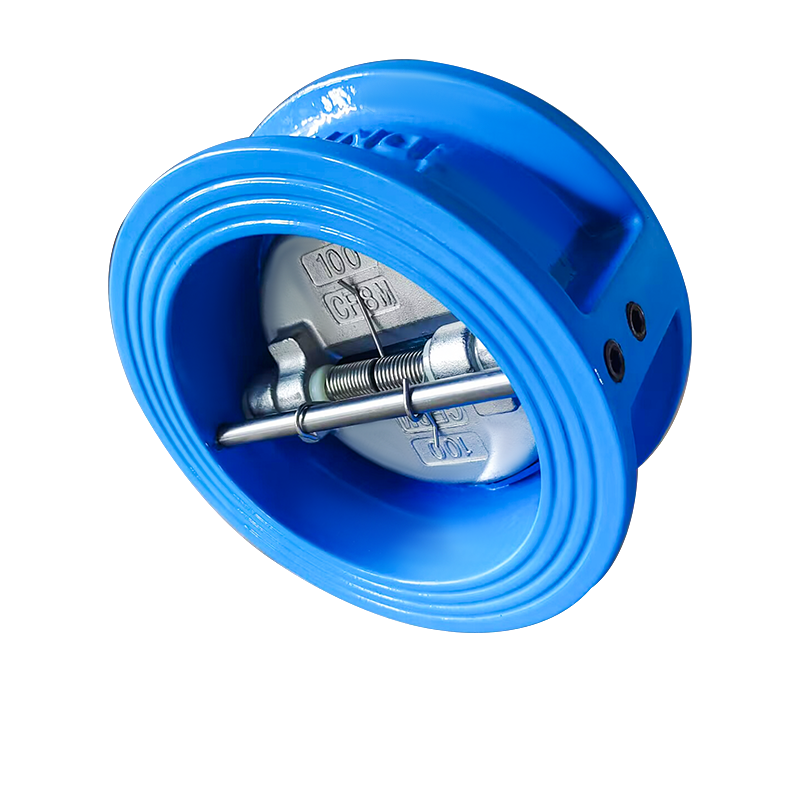
Figure 1: Illustration of a dual plate wafer type check valve.
Case Study 2: Corrosive Media Control in a Chemical Plant
A chemical processing facility handling concentrated sulfuric acid at elevated temperatures faced recurring issues with valve corrosion and leakage. Standard cast iron check valves had a service life of less than six months. The engineering team opted for customized Series F16 Dual Plate wafer style check valve units manufactured from Duplex Stainless Steel (CD3MN) with PTFE seats and Hastelloy springs. The specialized material selection provided exceptional corrosion resistance. Post-installation, the valves have been in continuous operation for over five years without any leakage or material degradation, demonstrating superior corrosion resistance and extending the maintenance cycle by over tenfold. This significantly reduced operational risks and costs.
Commitment to Trustworthiness: FAQ, Lead Times, Warranty, and Support
Frequently Asked Questions (FAQs)
- Q: What is the typical service life of a Series F16 Dual Plate Wafer Type Check Valve?
- A: With proper material selection and regular maintenance, our Series F16 valves are designed for a service life of 20 years or more in standard industrial applications.
- Q: Can these valves be installed in any orientation?
- A: Yes, the dual plate wafer type check valve is designed for installation in both horizontal and vertical pipelines, provided the flow direction is correctly oriented.
- Q: How do you ensure your valves meet industry standards?
- A: All our valves are designed, manufactured, and tested in strict accordance with international standards such as API 594, API 598, ASME B16.34, ISO 9001, and PED. Comprehensive quality control is applied at every stage of production.
Lead Time and Fulfillment
Standard Series F16 Dual Plate wafer style check valve models typically have a lead time of 4-6 weeks, depending on quantity and current production schedules. For highly customized solutions or very large orders, lead times will be provided upon specific project quotation. We maintain a robust supply chain and efficient manufacturing processes to ensure timely delivery and operational continuity for our clients. Expedited options may be available for urgent requirements.
Warranty Commitments
We stand behind the quality and performance of our products. All Series F16 Dual Plate wafer type check valve units come with a standard 18-month warranty from shipment date or 12 months from installation, whichever comes first, against manufacturing defects and material failures under normal operating conditions. Extended warranty options are available for specific projects.
Customer Support Information
Our dedicated customer support team and network of technical specialists are available to assist with product selection, technical inquiries, installation guidance, and after-sales service. We offer global support through our regional offices and partners, ensuring prompt and effective resolution of any issues. Contact details for technical support and sales inquiries are readily available on our official website, ensuring direct access to experienced professionals.
Conclusion
The wafer type check valve, particularly advanced designs like the Series F16 Dual Plate variant, represents a critical element in modern industrial fluid control. Its blend of compact design, efficient operation, and robust construction makes it an indispensable asset across diverse sectors, including petrochemical, water treatment, and power generation. By understanding its manufacturing precision, technical advantages, and comprehensive support offerings, B2B stakeholders can make informed decisions that optimize system performance, ensure safety, and deliver long-term value.
References
- American Petroleum Institute (API) Standard 594, "Check Valves: Flanged, Lug, Wafer and Butt-welding Ends."
- American Society of Mechanical Engineers (ASME) Boiler and Pressure Vessel Code, Section VIII, Division 1, "Rules for Construction of Pressure Vessels."
- International Organization for Standardization (ISO) 9001, "Quality management systems — Requirements."
- Valve Manufacturers Association of America (VMA) technical publications and guidelines.
-
Comprehensive Guide to Wholesale 3 Butterfly Valve Price and Supplier Selection
NewsJan.28,2026
-
Comprehensive Guide to Wholesale Water Main Check Valve Selection and Application
NewsJan.27,2026
-
Wholesale 6 Lug Butterfly Valve – Durable & Cost-Effective Solutions for Industrial Applications
NewsJan.06,2026
-
Wholesale Composeal Butterfly Valve - Reliable Industrial Sealing Solutions
NewsJan.06,2026
-
Wholesale Marine Check Valve | Durable & Certified Marine Valves
NewsJan.06,2026
-
Wholesale Butterfly Valve Gas – B2B Solutions for Efficient Gas Flow Control | Hongda Valve
NewsJan.05,2026
 Afrikaans
 Albanian
 Amharic
 Arabic
 Armenian
 Azerbaijani
 Basque
 Belarusian
 Bengali
 Bosnian
 Bulgarian
 Catalan
 Cebuano
 Corsican
 Croatian
 Czech
Czech
 Danish
 Dutch
Dutch
 Esperanto
 Estonian
 Finnish
 French
 Frisian
 Galician
 Georgian
 German
 Greek
Greek
 Gujarati
 Haitian Creole
 Hausa
Hausa
 Hawaiian
 Hebrew
 Hindi
Hindi
 Miao
Miao
 Hungarian
 Icelandic
 Igbo
Igbo
 Indonesian
 Irish
Irish
 Italian
 Japanese
 Javanese
 Kannada
 Kazakh
 Khmer
Khmer
 Rwandese
 Korean
 Kurdish
 Kyrgyz
 Lao
Lao
 Latin
Latin
 Latvian
 Lithuanian
 Luxembourgish
 Macedonian
 Malgashi
 Malay
Malay
 Malayalam
 Maltese
 Maori
Maori
 Marathi
 Mongolian
 Myanmar
 Nepali
 Norwegian
 Norwegian
 Occitan
 Pashto
 Persian
 Polish
 Portuguese
 Punjabi
 Romanian
 Russian
 Samoan
 Scottish Gaelic
 Serbian
 Sesotho
 Shona
Shona
 Sindhi
 Sinhala
 Slovak
 Slovenian
 Somali
 Spanish
 Sundanese
 Swahili
 Swedish
 Tagalog
 Tajik
Tajik
 Tamil
Tamil
 Tatar
Tatar
 Telugu
 Thai
Thai
 Turkish
 Turkmen
 Ukrainian
 Urdu
Urdu
 Uighur
 Uzbek
Uzbek
 Vietnamese
 Welsh
Welsh
 Bantu
Bantu
 Yiddish
 Yoruba
 Zulu
Zulu
 English