
- Call Us
- +8618633052223
- njhdvlz@163.com
Mar . 14, 2026 02:05 Back to list
Comprehensive Guide to Wholesale Steam Check Valve Selection and Sourcing
Understanding Wholesale Steam Check Valve Options
Steam check valves are crucial components in many industrial applications, preventing backflow and ensuring efficient system operation. Sourcing wholesale steam check valve solutions requires careful consideration of material, pressure ratings, connection types, and supplier reliability. This article will provide a comprehensive guide to navigating the world of wholesale steam check valves, helping you make informed decisions for your business. Whether you are an OEM, a distributor, or an end-user, understanding the nuances of these valves is key to operational success.
Types of Wholesale Steam Check Valves
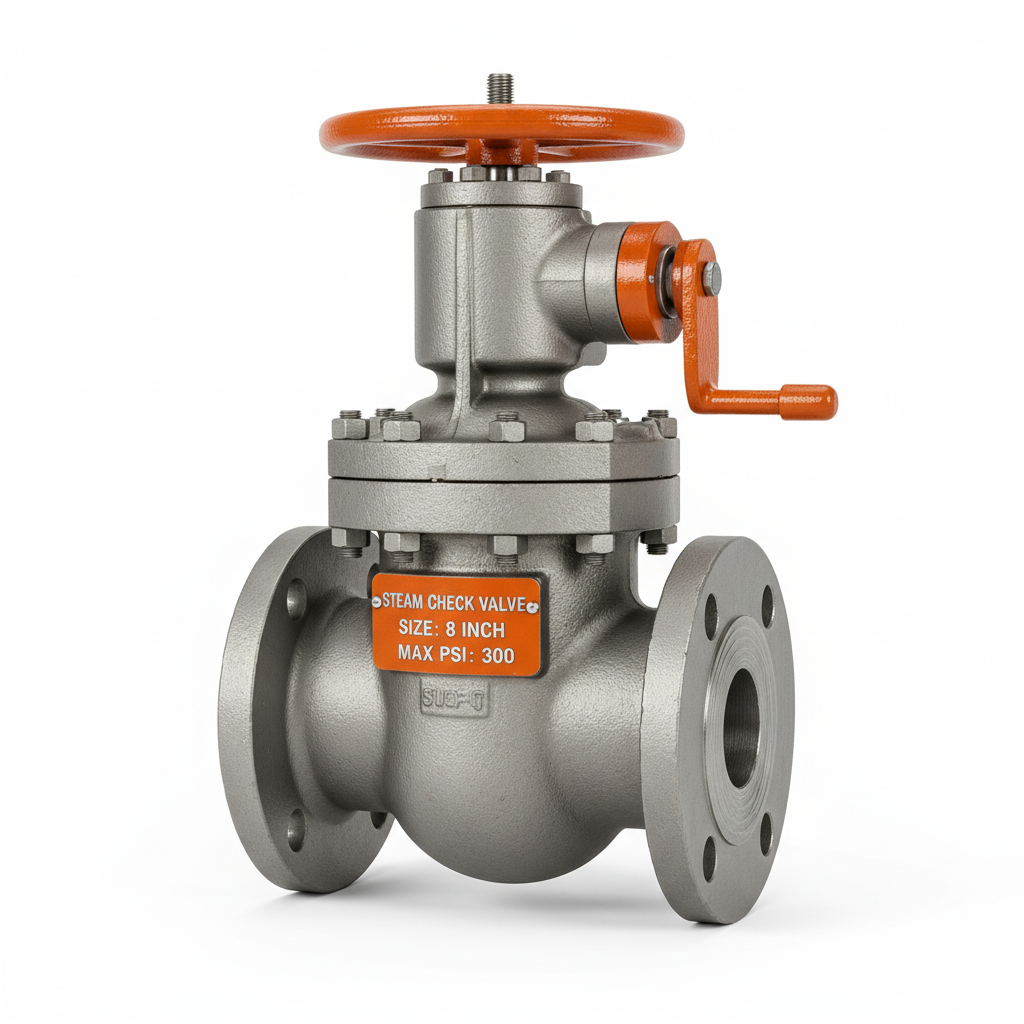
There are several types of check valves commonly available for steam applications. Each type has unique advantages and disadvantages depending on the specific requirements. Swing check valves are popular due to their simplicity and low pressure drop. Lift check valves are well-suited for applications requiring positive shut-off. Ball check valves offer excellent sealing and are suitable for dirty fluids. Finally, piston check valves provide precise control and are often used in high-pressure systems. Understanding these differences is crucial when sourcing steam check valves wholesale. Selecting the right type can dramatically impact system performance and longevity.
Key Takeaway: The type of check valve chosen should align with the steam system's specific pressure, temperature, and flow characteristics. Prioritize positive shut-off for critical applications.
Material Considerations for Steam Applications
The material of a steam check valve is a critical factor, as it must withstand high temperatures, pressures, and potential corrosion. Common materials include carbon steel, stainless steel (304, 316), and alloy steels. Carbon steel is a cost-effective option for non-corrosive steam systems. Stainless steel offers superior corrosion resistance, making it ideal for systems handling condensate or treated steam. Alloy steels provide enhanced strength and temperature resistance for demanding applications. When looking for wholesale steam check valves, ensure the material is compatible with the steam's composition and operating conditions. This prevents premature failure and costly downtime.
Material Selection Guide:
• Carbon Steel: Cost-effective, suitable for clean steam.
• Stainless Steel (304/316): Corrosion resistant, ideal for condensate systems.
• Alloy Steel: High strength and temperature resistance.
Wholesale Steam Check Valve Pressure and Connection Types
Steam check valves are available in a wide range of pressure ratings, typically from 125 PSI to 2500 PSI or higher. Select a valve with a pressure rating that exceeds the maximum operating pressure of your steam system. Connection types include threaded, flanged, and welded. Threaded connections are suitable for smaller pipe sizes and lower pressures. Flanged connections provide a robust and reliable seal for larger pipes and higher pressures. Welded connections offer a permanent and leak-proof joint, ideal for critical applications. When sourcing wholesale steam check valve options, carefully consider the system's pressure and piping configuration to ensure compatibility.
Finding Reliable Wholesale Steam Check Valve Suppliers
Choosing the right supplier is paramount when purchasing wholesale steam check valves. Look for suppliers with a proven track record of quality, reliability, and competitive pricing. Consider factors such as certifications (ISO 9001), lead times, and after-sales support. A supplier with extensive industry experience can offer valuable technical assistance and ensure you receive the right valves for your specific application. Verify the supplier’s ability to meet your volume requirements and provide consistent product quality.
Quality Control and Testing Procedures
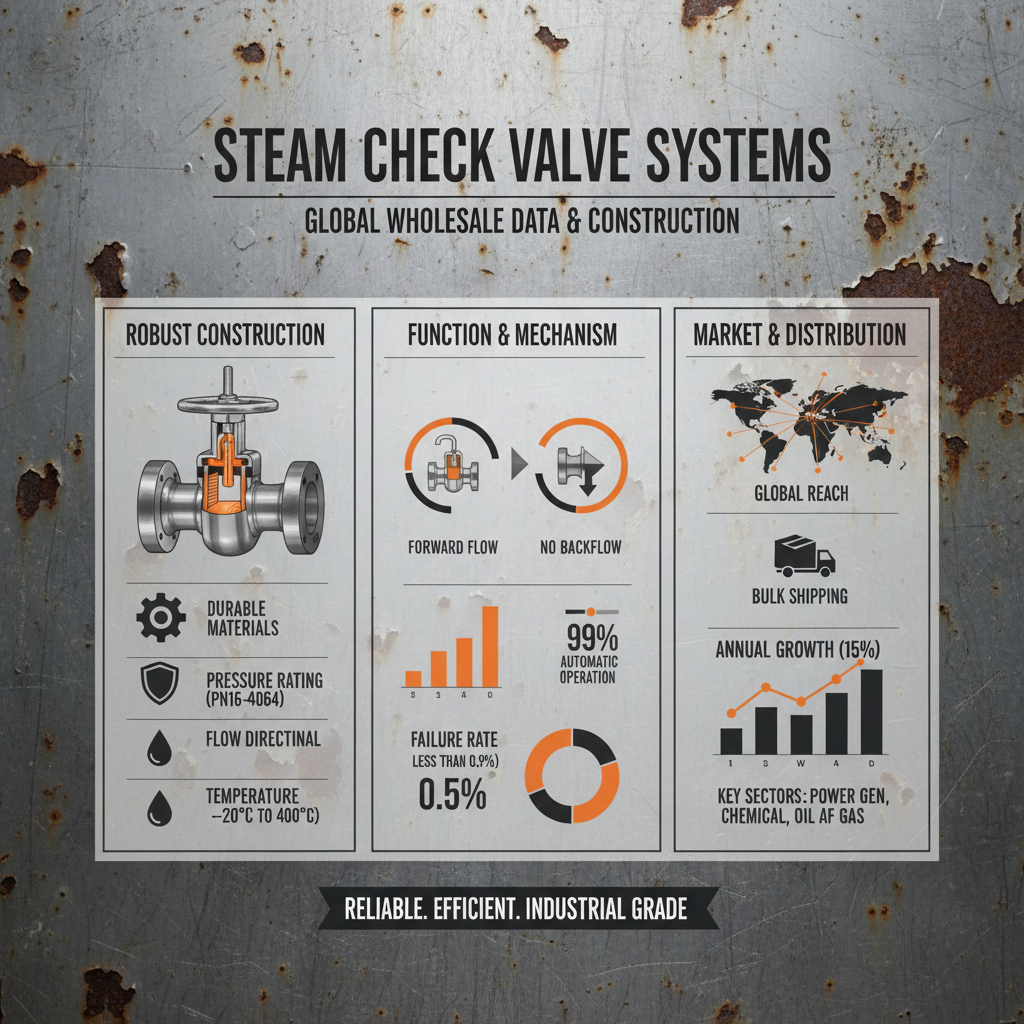
Reputable wholesale steam check valve suppliers implement rigorous quality control procedures to ensure product integrity. These procedures typically include material verification, dimensional inspections, pressure testing, and leak testing. Ensure the supplier provides documentation outlining their quality control process and testing results. Testing to industry standards such as API 598 is crucial. A commitment to quality control minimizes the risk of failures and ensures the long-term reliability of your steam system. Partnering with a supplier who prioritizes quality is a smart investment.
Conclusion: Sourcing Reliable Steam Check Valves
Successfully sourcing wholesale steam check valves involves careful consideration of valve type, material, pressure rating, supplier reliability, and quality control. By prioritizing these factors, you can ensure optimal system performance, minimize downtime, and maximize your return on investment. Hongda Valve offers a comprehensive range of high-quality steam check valves and dedicated customer support.
Frequently Asked Questions (FAQs)
What is the typical lead time for wholesale steam check valve orders?
Lead times vary depending on the valve type, quantity, and supplier's production schedule. Standard valves in stock typically ship within 1-2 weeks. Custom valves or large orders may require 4-8 weeks or longer. It’s crucial to communicate your requirements and delivery deadlines clearly to the supplier to ensure timely fulfillment. Factors such as material availability and factory workload can also impact lead times. A reliable supplier will provide accurate lead time estimates and keep you informed of any potential delays.
Do you offer customized steam check valve solutions?
Yes, we offer customized steam check valve solutions to meet specific application requirements. This includes modifications to materials, connection types, pressure ratings, and valve configurations. We work closely with our customers to understand their needs and develop tailored solutions that optimize performance and reliability. Customization options may involve specialized coatings, unique port designs, or integration with other system components. Contact our engineering team to discuss your customization needs.
What certifications do your steam check valves hold?
Our steam check valves are manufactured to meet or exceed relevant industry standards and certifications. This includes ISO 9001 for quality management, and API 598 for testing procedures. Specific valve models may also hold certifications such as CE marking for European compliance. We provide documentation verifying these certifications upon request. Certifications ensure that our valves meet stringent safety and performance requirements.
-
Industrial Guide to Wholesale Large Butterfly Valve Procurement
NewsApr.16,2026
-
High Quality Wholesale Inlet Butterfly Valve for Industrial Systems
NewsApr.09,2026
-
Comprehensive Guide to Wholesale Butterfly Valve 8 Inch Price and Selection
NewsApr.07,2026
-
Comprehensive Guide to Wholesale SS 304 Butterfly Valve Selection and Applications
NewsApr.04,2026
-
Comprehensive Guide to Wholesale Valve Material Selection and Cost Optimization
NewsMar.31,2026
-
Comprehensive Guide to Wholesale Inline Hydraulic Check Valve Solutions
NewsMar.28,2026
 Afrikaans
 Albanian
 Amharic
 Arabic
 Armenian
 Azerbaijani
 Basque
 Belarusian
 Bengali
 Bosnian
 Bulgarian
 Catalan
 Cebuano
 Corsican
 Croatian
 Czech
Czech
 Danish
 Dutch
Dutch
 Esperanto
 Estonian
 Finnish
 French
 Frisian
 Galician
 Georgian
 German
 Greek
Greek
 Gujarati
 Haitian Creole
 Hausa
Hausa
 Hawaiian
 Hebrew
 Hindi
Hindi
 Miao
Miao
 Hungarian
 Icelandic
 Igbo
Igbo
 Indonesian
 Irish
Irish
 Italian
 Japanese
 Javanese
 Kannada
 Kazakh
 Khmer
Khmer
 Rwandese
 Korean
 Kurdish
 Kyrgyz
 Lao
Lao
 Latin
Latin
 Latvian
 Lithuanian
 Luxembourgish
 Macedonian
 Malgashi
 Malay
Malay
 Malayalam
 Maltese
 Maori
Maori
 Marathi
 Mongolian
 Myanmar
 Nepali
 Norwegian
 Norwegian
 Occitan
 Pashto
 Persian
 Polish
 Portuguese
 Punjabi
 Romanian
 Russian
 Samoan
 Scottish Gaelic
 Serbian
 Sesotho
 Shona
Shona
 Sindhi
 Sinhala
 Slovak
 Slovenian
 Somali
 Spanish
 Sundanese
 Swahili
 Swedish
 Tagalog
 Tajik
Tajik
 Tamil
Tamil
 Tatar
Tatar
 Telugu
 Thai
Thai
 Turkish
 Turkmen
 Ukrainian
 Urdu
Urdu
 Uighur
 Uzbek
Uzbek
 Vietnamese
 Welsh
Welsh
 Bantu
Bantu
 Yiddish
 Yoruba
 Zulu
Zulu
 English