
- Call Us
- +8618633052223
- njhdvlz@163.com
Sep . 23, 2025 10:55 Back to list
2 Inch Butterfly Valve | Durable, Efficient Flow Control
Overview of the 2-Inch Butterfly Valve Technology
In industrial fluid control systems, the choice of valve significantly impacts efficiency, safety, and operational costs. Among the myriad options, the 2 inch butterfly valve stands out as a critical component, particularly for applications requiring reliable on-off or throttling services in compact pipelines. Its compact design, lightweight construction, and quick operation make it an indispensable asset across various industries. This comprehensive article delves into the technical intricacies, application breadth, and strategic advantages of this essential industrial component, focusing on the Series F101 U-Section Wafer Type Butterfly Valve, a testament to modern engineering in fluid dynamics.
The market demand for efficient and robust valve solutions continues to grow, driving innovations in materials science, manufacturing processes, and control mechanisms. Understanding the core attributes of the 2 inch butterfly valve, from its manufacturing journey to its real-world performance, is paramount for B2B decision-makers and engineers aiming to optimize their operational frameworks.
Industry Trends and Market Dynamics
The global industrial valve market is experiencing robust growth, propelled by expanding infrastructure, increasing industrial automation, and stringent regulatory standards. For smaller diameter valves like the 2 inch butterfly valve, key trends include a heightened focus on smart valve technologies, superior material performance for challenging environments, and enhanced longevity to reduce maintenance overheads. Digitization and the Internet of Things (IoT) are progressively integrating with valve control systems, enabling predictive maintenance and remote operation, thereby optimizing process efficiency and minimizing downtime.
Environmental regulations are also influencing valve design, pushing for zero-leakage solutions and materials that withstand corrosive and erosive media more effectively. While the demand for standard sizes remains stable, there's an increasing niche for specialized large-diameter valves such as a 16 inch butterfly valve or an 18 inch butterfly valve for high-volume applications in water treatment and power generation. Concurrently, the efficiency and cost-effectiveness of a standard 2 in butterfly valve ensure its enduring relevance across diverse sectors. The manufacturing landscape, especially in regions like China, is evolving, with advanced facilities producing high-quality components, including sophisticated options like the china 18 inch butterfly valve, catering to both domestic and international markets.
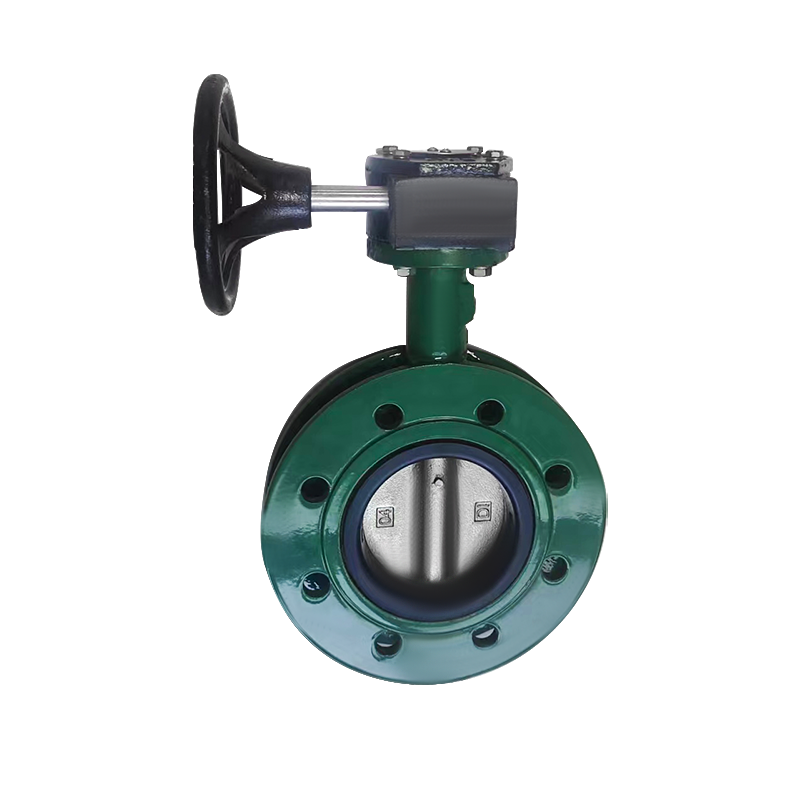
Figure 1: Typical Industrial Installation of a Butterfly Valve
Technical Specifications: Series F101 U-Section Wafer Type
The Series F101 U-Section Wafer Type Butterfly Valve exemplifies precision engineering tailored for demanding industrial environments. This design is highly favored for its ease of installation between two flanges, making it suitable for a wide range of applications. The "U-Section" design provides robust structural integrity, while the wafer configuration ensures a compact face-to-face dimension, crucial for space-constrained installations.
Key Parameters & Materials
- Nominal Size Range: DN50 to DN1200 (2 inch to 48 inch). This flexibility ensures the design principles of the Series F101 are scalable, from a critical 2 inch butterfly valve to larger industrial requirements such as an 18 butterfly valve.
- Pressure Rating: Typically PN10/PN16 (Class 150), offering reliable performance under moderate to high-pressure conditions.
- Body Materials: Ductile Iron (GGG40/50), Cast Iron (GG25), Carbon Steel (WCB), Stainless Steel (CF8/CF8M). Material selection is critical for corrosion resistance and mechanical strength.
- Disc Materials: Stainless Steel (CF8/CF8M), Ductile Iron with Nickel plating, Bronze. The disc's material must withstand direct media contact and provide tight sealing.
- Seat Materials: EPDM, NBR, Viton, PTFE. Elastomeric seats offer excellent sealing capabilities for diverse media and temperatures.
- Operating Temperature: -20°C to +180°C, depending on seat and disc material.
- Actuation: Lever, Gearbox, Pneumatic, Electric. Provides flexibility in operational control and automation integration.
- Standards: Designed and manufactured to EN593, API609, BS5155. Face-to-face dimensions to EN558 Series 20, ISO 5752 Series 20. Flange connections to EN1092-2 PN10/PN16, ASME B16.5 Class 150.
Product Specification Table: 2-Inch Butterfly Valve (Series F101)
| Parameter | Specification (2 inch / DN50) |
|---|---|
| Nominal Diameter | 2 inch (DN50) |
| Body Type | U-Section Wafer |
| Pressure Class | PN10 / PN16 (150 PSI) |
| Body Material Options | Ductile Iron (GGG40/50), WCB, SS304/SS316 |
| Disc Material Options | SS304/SS316, Ductile Iron (Ni-plated), Bronze |
| Seat Material Options | EPDM, NBR, Viton, PTFE |
| Operating Temperature Range | -20°C to +180°C (material dependent) |
| Actuator Options | Lever, Gear, Pneumatic, Electric |
| Leakage Class | API 598 (Zero Leakage) |
| Face-to-Face Standard | EN558 Series 20, ISO 5752 Series 20 |
Manufacturing Process: Ensuring Precision and Durability
The production of a high-quality 2 inch butterfly valve involves a sophisticated sequence of engineering and manufacturing steps, meticulously designed to meet stringent industry standards and deliver exceptional service life. This process ensures each valve component contributes to the overall integrity and performance.
Process Flow Schematic:
- Material Procurement & Inspection: Raw materials such as ductile iron, carbon steel, or stainless steel for the valve body and disc are sourced from certified suppliers. Incoming materials undergo rigorous chemical composition analysis and mechanical property testing (e.g., tensile strength, hardness) to ensure compliance with standards like ASTM or EN.
- Casting/Forging:
- Body and Disc: For the Series F101, body and disc components are typically produced via precision casting. Molten metal is poured into molds, followed by controlled cooling. For higher pressure or critical applications, forging may be employed to enhance material density and grain structure.
- Shaft: Valve shafts are often forged or drawn from high-strength stainless steel bars, ensuring robust torque transmission.
- CNC Machining: Cast or forged components proceed to advanced CNC (Computer Numerical Control) machining centers. This stage ensures precise dimensions for critical interfaces such as flange connection surfaces, seat pockets, disc profiles, and shaft boreholes. Tolerances are held to microns, essential for achieving tight shut-off and smooth operation.
- Surface Treatment & Coating: Depending on the application, valve bodies and discs may undergo surface treatments like nickel plating (for ductile iron discs), epoxy coating (for added corrosion resistance in water applications), or specialized coatings for abrasive media.
- Seat Vulcanization/Assembly: Elastomeric seats (EPDM, NBR, Viton) are either molded directly onto a metal support ring or precisely cut and fitted into the valve body. PTFE seats are often precision-machined and installed. This process is crucial for achieving bubble-tight shut-off.
- Final Assembly: All machined and treated components—body, disc, shaft, seat, bearings, packing, and actuator interface—are meticulously assembled. Proper alignment and torque settings are paramount.
- Quality Control & Testing: Each 2 inch butterfly valve undergoes a series of stringent tests to conform to international standards such as ISO 5208 (pressure testing), API 598 (valve inspection and testing), and ANSI/AWWA C504 (rubber-seated butterfly valves).
- Hydrostatic Body Test: Verifies the integrity of the valve body under high pressure.
- Low-Pressure Air Seat Test: Confirms bubble-tight shut-off capabilities.
- High-Pressure Liquid Seat Test: Ensures zero leakage under operational pressure.
- Operational Torque Test: Measures the torque required to open/close the valve, ensuring smooth actuation.
- Fugitive Emissions Testing: For specific applications, valves undergo testing to ensure minimal stem leakage, adhering to standards like ISO 15848-1.
- Packaging & Shipment: Approved valves are carefully packed, often with protective coatings and crating, for safe transit to the client.
The adherence to these detailed processes and rigorous testing protocols ensures a service life often exceeding 10-15 years under typical operating conditions, offering significant energy savings due to minimal pressure drop and superior corrosion resistance thanks to advanced material selection and coatings.
Application Scenarios and Technical Advantages
The versatility and robust performance of the 2 inch butterfly valve make it ideal for a vast array of industrial applications. Its compact size and efficient design provide distinct advantages in scenarios where space is limited and reliable flow control is critical.
Target Industries:
- Petrochemical Industry: Used in utility lines, cooling water systems, and non-critical process lines where quick shut-off is needed. Its compact nature aids in complex piping layouts.
- Metallurgy and Mining: Applications involving water supply, slurry transport (with appropriate disc and seat materials), and dust suppression systems benefit from its durability.
- Water Supply & Drainage: Pumping stations, water treatment plants, and distribution networks widely employ butterfly valves for flow regulation and isolation. The corrosion resistance of chosen materials is paramount here.
- HVAC Systems: Often found in heating, ventilation, and air conditioning systems for controlling water flow in large buildings.
- Food & Beverage: With sanitary materials (e.g., polished stainless steel discs and FDA-approved EPDM seats), these valves are used in processing and utility lines.
- Pulp & Paper: For handling water, chemicals, and fibrous slurries, requiring robust and corrosion-resistant designs.
Key Technical Advantages:
- Compact Design & Lightweight: The wafer style of the 2 inch butterfly valve offers a significantly smaller footprint and lower weight compared to other valve types (e.g., gate or globe valves) of similar capacity. This reduces installation costs, supporting structures, and simplifies maintenance.
- Quick Operation: A quarter-turn (90-degree rotation) from fully open to fully closed allows for rapid shut-off or modulation, critical for emergency stops or precise flow regulation.
- Energy Saving: The streamlined disc design within the valve body minimizes flow obstruction when fully open, resulting in a very low-pressure drop across the valve. This translates to reduced pumping energy requirements and lower operational costs. For instance, studies show butterfly valves can reduce energy consumption by up to 30% compared to globe valves in throttling applications.
- Corrosion Resistance: With options for body materials like ductile iron with epoxy coating, stainless steel (SS304/SS316) discs, and various elastomeric seats, the Series F101 is highly adaptable to corrosive media, ensuring extended service life and reliability in aggressive chemical or wastewater environments.
- Cost-Effectiveness: Compared to ball or gate valves of equivalent size and rating, butterfly valves are generally more economical to purchase, install, and maintain, especially in sizes like 16 inch butterfly valve or a standard 2 in butterfly valve.
- Bi-directional Flow Capability: Many butterfly valve designs, including the Series F101 with its resilient seat, are suitable for bi-directional flow with bubble-tight shut-off, simplifying piping designs and reducing the need for multiple valve types.
Vendor Comparison and Customized Solutions
Selecting the right valve vendor is as critical as choosing the right valve. Factors such as manufacturing quality, adherence to international standards, customization capabilities, and after-sales support significantly influence long-term operational success. When considering a 2 inch butterfly valve or larger units like an 18 inch butterfly valve, a thorough vendor comparison is essential.
Key Vendor Comparison Criteria:
- Certifications & Compliance: Look for ISO 9001 (Quality Management), CE (European conformity), API 609 (Butterfly Valves), WRAS/NSF (for potable water applications), and FDA compliance (for food-grade applications). These signify adherence to international quality and safety benchmarks.
- Manufacturing Capabilities: Assess the vendor's capacity for in-house manufacturing, quality control processes, and the use of advanced machinery (e.g., CNC). A strong manufacturing base, especially from established industrial hubs (e.g., a reputable china 18 inch butterfly valve manufacturer), often correlates with consistent quality.
- Technical Support & Expertise: A vendor with experienced engineers who can provide application-specific guidance, material selection advice, and troubleshooting support adds immense value.
- Customization Options: The ability to tailor valves to unique project requirements (e.g., specialized coatings, specific actuation types, unique face-to-face dimensions for retrofits) is a significant differentiator.
- Lead Time & Logistics: Reliable lead times and efficient logistics are crucial for project scheduling, especially for critical infrastructure projects.
- Warranty & After-Sales Service: Comprehensive warranties and responsive after-sales support ensure long-term peace of mind and operational continuity.
Customized Solutions for Diverse Needs:
While standard 2 in butterfly valve models cover a broad range of applications, many industrial processes require tailored solutions. Leading manufacturers offer extensive customization capabilities:
- Material Upgrades: For highly corrosive or abrasive media, customization can involve selecting exotic alloys for the disc and shaft, or high-performance polymers for seats, going beyond standard options.
- Special Coatings: Applications in seawater, chemical processing, or extreme temperatures may require specific internal or external coatings (e.g., RILSAN, Halar) for enhanced protection.
- Actuator Integration: Custom solutions often include integrating specific pneumatic, electric, or hydraulic actuators, intelligent positioners, limit switches, and solenoid valves to meet precise automation and control requirements.
- End Connections: While wafer and lug types are common, custom flange drilling, grooved ends, or butt-weld ends can be provided to match existing pipeline infrastructure.
- Special Testing: Beyond standard tests, specialized procedures like cryogenic testing, fire-safe testing (API 607), or fugitive emissions testing (ISO 15848-1) can be performed for critical applications.
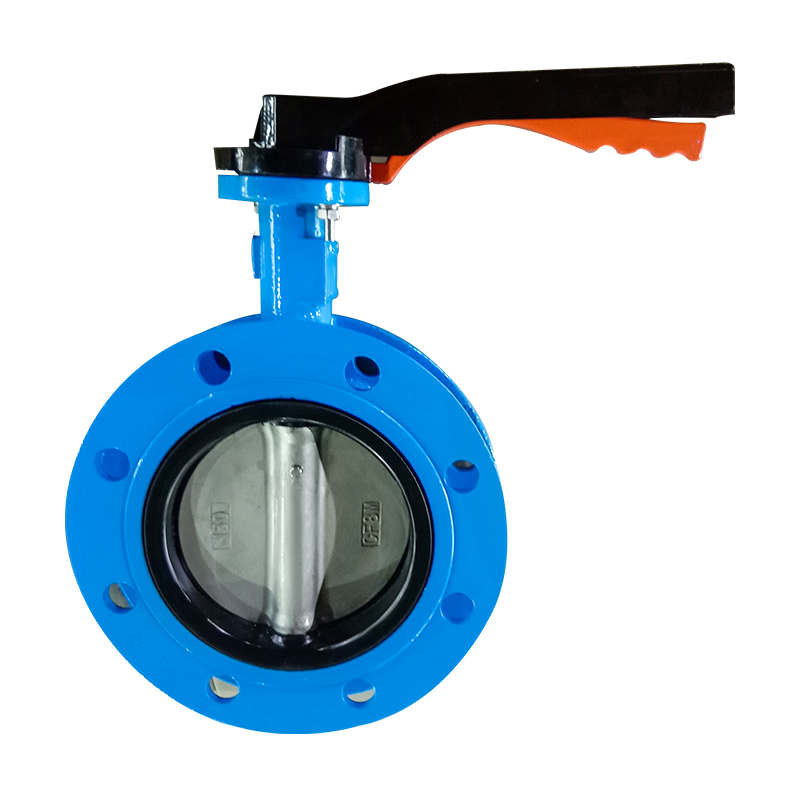
Figure 2: Customization in Valve Actuation Systems
Application Case Studies & Customer Experience
Real-world applications underscore the reliability and effectiveness of the 2 inch butterfly valve. These case studies highlight typical usage scenarios and the tangible benefits experienced by end-users.
Case Study 1: Municipal Water Treatment Plant Upgrade
A municipal water treatment facility in a major metropolitan area was experiencing frequent maintenance issues and high operational costs due to outdated gate valves in their chemical dosing and filter backwash lines. The plant decided to replace 50 units of 2 inch butterfly valve equivalents with Series F101 U-Section Wafer Type valves with EPDM seats and ductile iron bodies.
- Challenge: Slow operation, significant pressure drop, and leakage from aging valves leading to chemical waste and increased pumping energy.
- Solution: Installation of Series F101 valves, chosen for their zero-leakage capability, low torque operation, and corrosion-resistant materials suitable for treated water and various chemical solutions (e.g., hypochlorite, coagulants).
- Outcome: The plant reported a 15% reduction in pumping energy consumption due to lower pressure drop and a 20% decrease in chemical consumption over the first year. Maintenance frequency on these lines dropped by 70%, significantly improving operational efficiency and reducing labor costs. Customer feedback highlighted the ease of installation and reliable performance.
Case Study 2: Chemical Processing Facility – Corrosive Service
A specialty chemical producer required reliable isolation for a pipeline carrying dilute acids and various solvents at elevated temperatures. Their existing bronze valves were showing signs of rapid corrosion and frequent seal failures. They opted for Series F101 valves with SS316 body and disc, and Viton seats for their 2 in butterfly valve requirements.
- Challenge: Aggressive media leading to premature valve failure, risking environmental contamination and production downtime.
- Solution: Implementation of Series F101 valves featuring superior chemical resistance due to SS316 construction and Viton seating. This specific material configuration was a customized solution based on the chemical compatibility requirements.
- Outcome: The new valves demonstrated exceptional longevity, extending the service life by over 300% compared to previous installations. The facility achieved enhanced safety compliance and significantly reduced its maintenance budget. The positive experience led to a subsequent order for larger 16 inch butterfly valve units for their main utility lines.
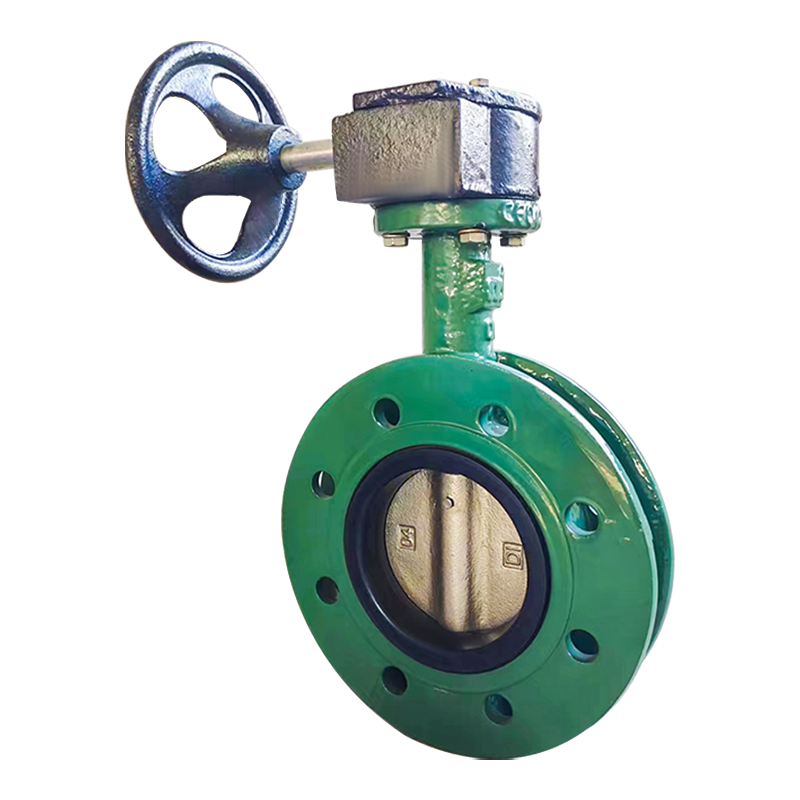
Figure 3: A Butterfly Valve Ready for Deployment in a Critical System
Ensuring Trustworthiness: FAQ, Lead Time, Warranty & Support
Trust is foundational in B2B relationships. Transparent information regarding product support, delivery, and guarantees is crucial for long-term partnerships.
Frequently Asked Questions (FAQ):
- Q1: What is the typical service life of a Series F101 2 inch butterfly valve?
- A1: With proper material selection for the application and regular maintenance, Series F101 valves are designed for a service life of 10-15 years, often exceeding this in less demanding conditions. This is backed by adherence to ISO and ANSI testing standards.
- Q2: Can the Series F101 valve be used for abrasive media?
- A2: While standard Series F101 valves are generally for non-abrasive fluids, customization options exist. For abrasive media, we can offer disc and seat materials specifically designed for enhanced wear resistance, such as PTFE-lined seats or specialized disc coatings. Please consult our technical team for specific recommendations.
- Q3: What are the main advantages of a wafer-type butterfly valve over a lug-type?
- A3: Wafer type valves, like the Series F101, are more compact and typically more economical. They are designed for installation between two flanges. Lug type valves, however, have threaded inserts, allowing them to be installed at the end of a line or for easier single-flange removal for maintenance, which offers greater flexibility in certain piping configurations.
Lead Time and Fulfillment:
Our standard lead time for a 2 inch butterfly valve (Series F101, common materials, manual actuation) is typically 2-4 weeks from order confirmation. For larger sizes, customized materials, or actuated configurations, lead times may extend to 6-10 weeks. We maintain a robust inventory of critical components and raw materials to facilitate efficient production and minimize delays. Rush orders can be accommodated based on production schedule and material availability. Our global logistics network ensures efficient and timely delivery to your project site.
Warranty Commitments:
We stand behind the quality and performance of our Series F101 U-Section Wafer Type Butterfly Valves. All valves are supplied with a standard 12-month warranty from the date of installation or 18 months from the date of shipment, whichever comes first, covering manufacturing defects and material failures under normal operating conditions. Extended warranty options are available upon request for critical applications, demonstrating our confidence in our products and commitment to customer satisfaction.
Customer Support and After-Sales Service:
Our dedicated customer support team and network of technical specialists are available to provide comprehensive after-sales service. This includes:
- Technical Assistance: Expert guidance on installation, operation, and troubleshooting.
- Spare Parts Provision: Readily available genuine spare parts to ensure minimal downtime.
- Maintenance & Repair Services: On-site or workshop-based repair and refurbishment services for extended product life.
- Training: Providing training sessions for client's operational and maintenance personnel.
Conclusion
The Series F101 U-Section Wafer Type 2 inch butterfly valve represents a pinnacle of efficient and reliable fluid control technology. Its robust manufacturing process, adherence to international standards, and adaptable design make it an excellent choice for a wide array of B2B applications in industries ranging from water treatment to petrochemicals. By leveraging advanced materials, precise engineering, and comprehensive quality control, this valve delivers significant operational advantages, including energy savings, superior corrosion resistance, and extended service life. For project managers and engineers, understanding these technical nuances and vendor capabilities ensures optimal system performance and long-term cost-effectiveness.
References
- ISO (International Organization for Standardization). ISO 5208: Industrial valves — Pressure testing of metallic valves. Geneva, Switzerland.
- API (American Petroleum Institute). API Standard 598: Valve Inspection and Testing. Washington D.C., USA.
- AWWA (American Water Works Association). AWWA C504: Standard for Rubber-Seated Butterfly Valves, Sizes 3 In. (75 mm) Through 72 In. (1,800 mm). Denver, Colorado, USA.
- EN (European Standards). EN 593: Industrial valves — Metallic butterfly valves. Brussels, Belgium.
- Fluid Sealing Association (FSA). Valve Fundamentals Handbook: A Guide to the Design, Selection, and Application of Valves. USA.
-
Comprehensive Guide to Wholesale 3 Butterfly Valve Price and Supplier Selection
NewsJan.28,2026
-
Comprehensive Guide to Wholesale Water Main Check Valve Selection and Application
NewsJan.27,2026
-
Wholesale 6 Lug Butterfly Valve – Durable & Cost-Effective Solutions for Industrial Applications
NewsJan.06,2026
-
Wholesale Composeal Butterfly Valve - Reliable Industrial Sealing Solutions
NewsJan.06,2026
-
Wholesale Marine Check Valve | Durable & Certified Marine Valves
NewsJan.06,2026
-
Wholesale Butterfly Valve Gas – B2B Solutions for Efficient Gas Flow Control | Hongda Valve
NewsJan.05,2026
 Afrikaans
 Albanian
 Amharic
 Arabic
 Armenian
 Azerbaijani
 Basque
 Belarusian
 Bengali
 Bosnian
 Bulgarian
 Catalan
 Cebuano
 Corsican
 Croatian
 Czech
Czech
 Danish
 Dutch
Dutch
 Esperanto
 Estonian
 Finnish
 French
 Frisian
 Galician
 Georgian
 German
 Greek
Greek
 Gujarati
 Haitian Creole
 Hausa
Hausa
 Hawaiian
 Hebrew
 Hindi
Hindi
 Miao
Miao
 Hungarian
 Icelandic
 Igbo
Igbo
 Indonesian
 Irish
Irish
 Italian
 Japanese
 Javanese
 Kannada
 Kazakh
 Khmer
Khmer
 Rwandese
 Korean
 Kurdish
 Kyrgyz
 Lao
Lao
 Latin
Latin
 Latvian
 Lithuanian
 Luxembourgish
 Macedonian
 Malgashi
 Malay
Malay
 Malayalam
 Maltese
 Maori
Maori
 Marathi
 Mongolian
 Myanmar
 Nepali
 Norwegian
 Norwegian
 Occitan
 Pashto
 Persian
 Polish
 Portuguese
 Punjabi
 Romanian
 Russian
 Samoan
 Scottish Gaelic
 Serbian
 Sesotho
 Shona
Shona
 Sindhi
 Sinhala
 Slovak
 Slovenian
 Somali
 Spanish
 Sundanese
 Swahili
 Swedish
 Tagalog
 Tajik
Tajik
 Tamil
Tamil
 Tatar
Tatar
 Telugu
 Thai
Thai
 Turkish
 Turkmen
 Ukrainian
 Urdu
Urdu
 Uighur
 Uzbek
Uzbek
 Vietnamese
 Welsh
Welsh
 Bantu
Bantu
 Yiddish
 Yoruba
 Zulu
Zulu
 English