- Call Us
- +8618633052223
- njhdvlz@163.com
The global demand for reliable drainage systems is constantly growing, driven by urbanization, industrial expansion, and increasingly stringent environmental regulations. A critical component of these systems is the check valve, preventing backflow and safeguarding infrastructure. This article focuses on the essential role of the wholesale check valve for drain line, exploring its definition, key features, applications, and future trends. Understanding these valves isn't just about plumbing; it's about ensuring public health, protecting environmental resources, and maintaining the efficiency of vital industries.
The need for cost-effective and robust drainage solutions is paramount worldwide. From municipal wastewater treatment plants to commercial buildings and residential complexes, a functional drain line system is fundamental. The wholesale check valve for drain line offers a solution to prevent contamination and damage caused by backflow, addressing a core issue in infrastructure maintenance. The increasing availability of these valves through wholesale channels makes them accessible to a wider range of projects and budgets.
The efficacy and affordability of wholesale check valve for drain line solutions impact various sectors. Proper drain line operation translates to reduced maintenance costs, extended infrastructure lifespan, and improved sanitation standards, benefits felt globally. This article provides a comprehensive overview of the topic, offering insights for professionals and stakeholders involved in construction, plumbing, environmental engineering, and related fields.
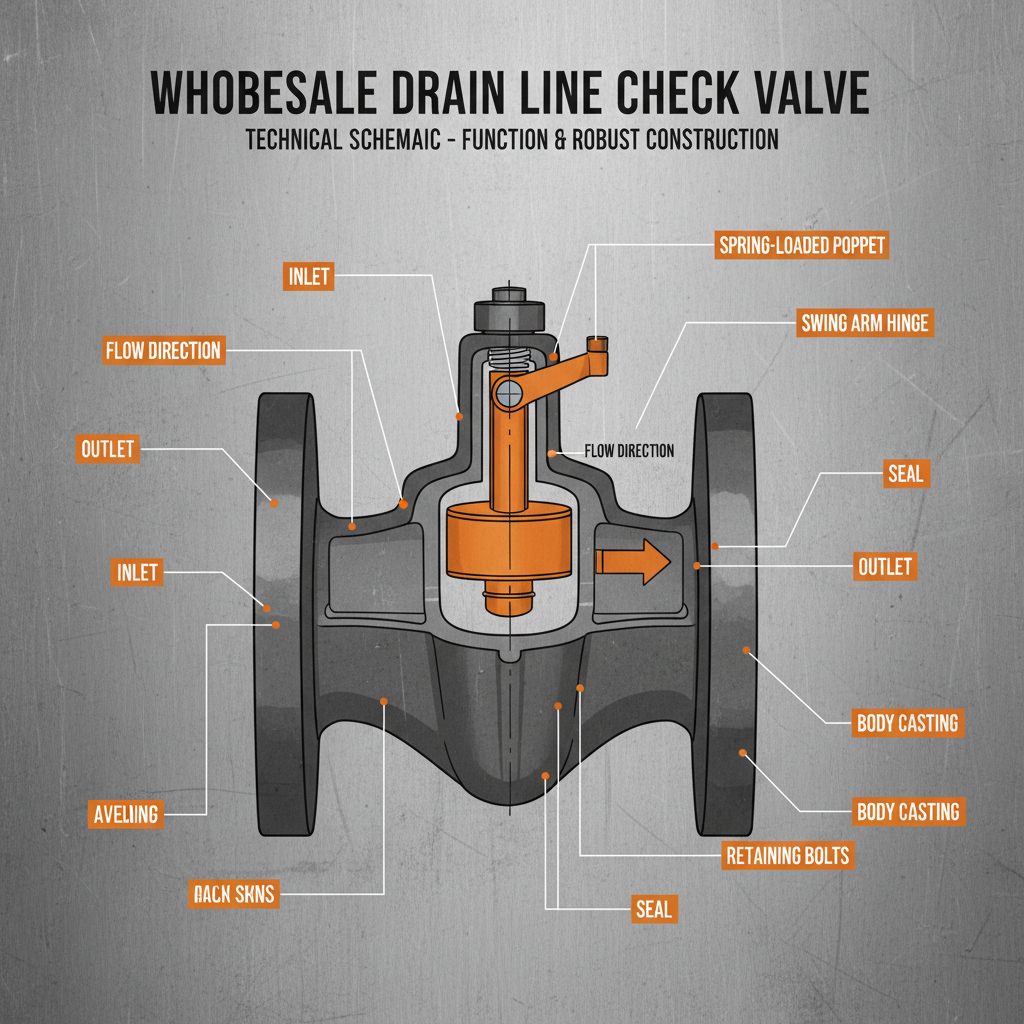
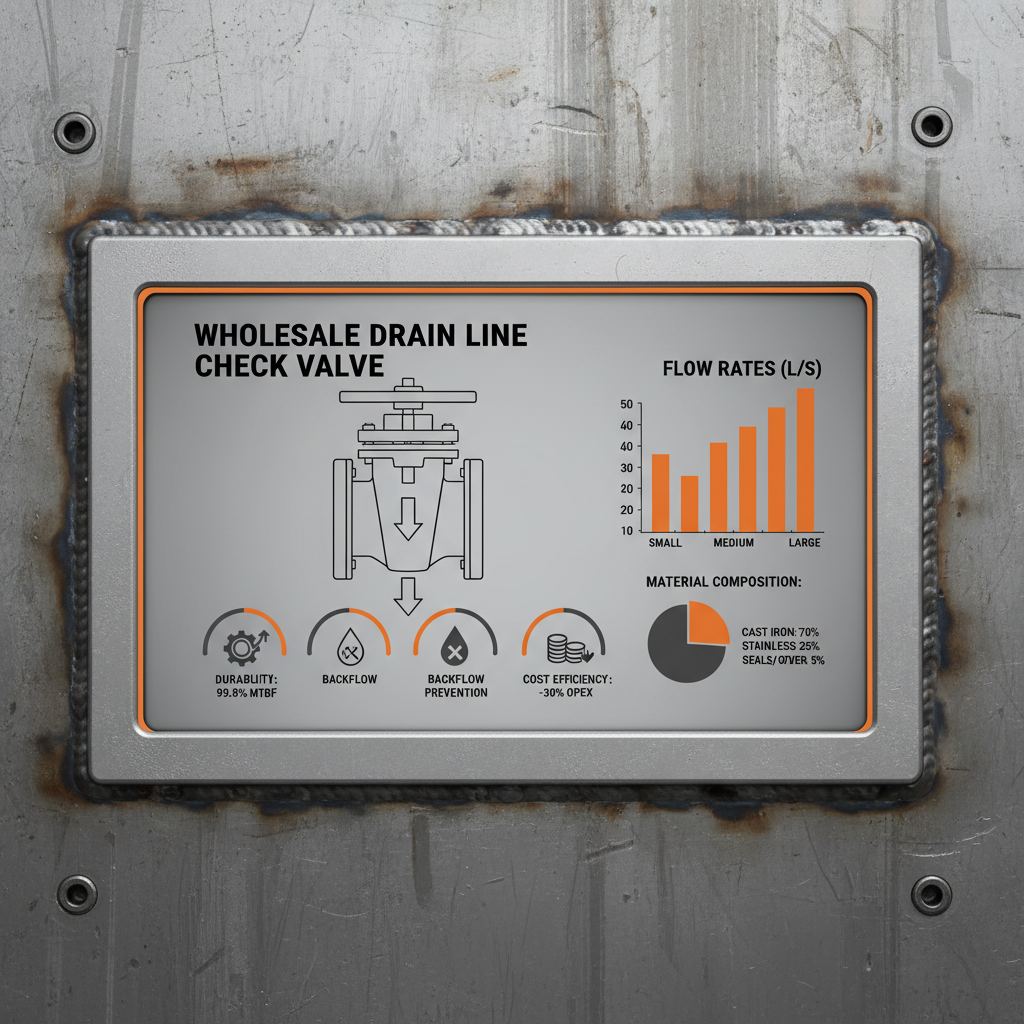
The wholesale market for check valves dedicated to drain lines represents a significant segment of the broader valve industry. These valves, purchased in bulk by contractors, distributors, and industrial users, are essential for maintaining the integrity of drainage systems. Understanding the specifications, materials, and applications of these valves is critical for ensuring long-term performance and preventing costly repairs.
The increasing emphasis on sustainable infrastructure and water conservation is driving demand for high-quality, reliable check valves. A properly functioning wholesale check valve for drain line minimizes the risk of backflow contamination, protecting potable water supplies and the environment. This proactive approach reduces the need for extensive remediation efforts and associated costs.
The lifespan of a wholesale check valve for drain line depends heavily on the material, installation quality, and operating conditions. PVC valves can last 20-30 years, while stainless steel valves may exceed 50 years with proper maintenance. Regular inspections and cleaning are crucial for maximizing valve life and preventing premature failure. Corrosive environments will significantly reduce lifespan, requiring more frequent replacements.
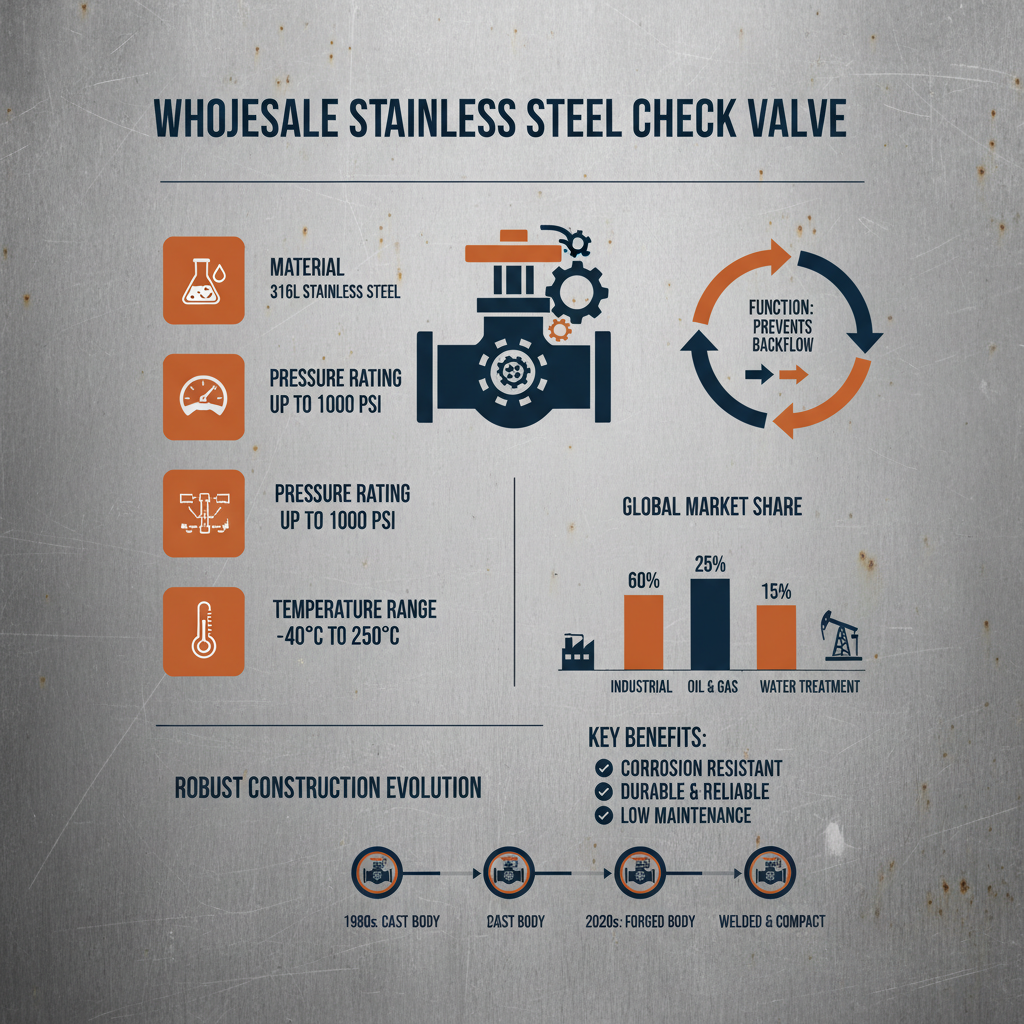
The most common materials include PVC, CPVC, brass, stainless steel, and cast iron. PVC and CPVC are cost-effective and suitable for many residential applications. Brass offers good corrosion resistance. Stainless steel is preferred for demanding industrial applications and corrosive environments. Cast iron provides durability but is heavier and more prone to corrosion if not properly coated.
Determining the correct size requires considering the pipe diameter and the expected flow rate. Undersizing the valve will create excessive back pressure, while oversizing may lead to improper sealing. Consult a plumbing professional or refer to the valve manufacturer's sizing charts. Accurate flow rate calculations are crucial for optimal performance. The valve's port size should match or exceed the pipe diameter.
Common types include swing check valves, lift check valves, ball check valves, and duckbill check valves. Swing check valves are widely used due to their simplicity and reliability. Lift check valves are suitable for vertical pipelines. Ball check valves are effective in high-flow applications. Duckbill check valves are ideal for preventing solids buildup. Selection depends on the specific application requirements.
Yes, regular maintenance is essential. This includes periodic inspections for leaks, corrosion, and debris buildup. Cleaning the valve seat and disc ensures proper sealing. Lubricating moving parts (if applicable) prevents sticking. Addressing minor issues promptly can prevent costly repairs or replacements. Keep records of inspections and maintenance activities.
Finding a reputable supplier is critical. Look for companies with a proven track record, certifications, and a wide range of products. Check online directories, industry trade shows, and referrals from other professionals. Ensure the supplier offers competitive pricing, timely delivery, and excellent customer support. Hongda Valve is a reliable source.
In summary, the wholesale check valve for drain line is a fundamental component of any reliable and sustainable drainage system. Its role in preventing backflow contamination, protecting infrastructure, and ensuring public health is undeniable. The market for these valves is driven by global needs for improved sanitation, environmental protection, and efficient water management.
Looking ahead, innovations in materials, smart technology, and sustainable design will continue to enhance the performance and value of these valves. Investing in high-quality wholesale check valve for drain line solutions is not just a cost-effective measure; it’s a commitment to long-term infrastructure integrity and a healthier future. Visit our website at www.hongdavalve.com to explore our comprehensive range of check valve solutions.

 Afrikaans
 Albanian
 Amharic
 Arabic
 Armenian
 Azerbaijani
 Basque
 Belarusian
 Bengali
 Bosnian
 Bulgarian
 Catalan
 Cebuano
 Corsican
 Croatian
 Czech
Czech
 Danish
 Dutch
Dutch
 Esperanto
 Estonian
 Finnish
 French
 Frisian
 Galician
 Georgian
 German
 Greek
Greek
 Gujarati
 Haitian Creole
 Hausa
Hausa
 Hawaiian
 Hebrew
 Hindi
Hindi
 Miao
Miao
 Hungarian
 Icelandic
 Igbo
Igbo
 Indonesian
 Irish
Irish
 Italian
 Japanese
 Javanese
 Kannada
 Kazakh
 Khmer
Khmer
 Rwandese
 Korean
 Kurdish
 Kyrgyz
 Lao
Lao
 Latin
Latin
 Latvian
 Lithuanian
 Luxembourgish
 Macedonian
 Malgashi
 Malay
Malay
 Malayalam
 Maltese
 Maori
Maori
 Marathi
 Mongolian
 Myanmar
 Nepali
 Norwegian
 Norwegian
 Occitan
 Pashto
 Persian
 Polish
 Portuguese
 Punjabi
 Romanian
 Russian
 Samoan
 Scottish Gaelic
 Serbian
 Sesotho
 Shona
Shona
 Sindhi
 Sinhala
 Slovak
 Slovenian
 Somali
 Spanish
 Sundanese
 Swahili
 Swedish
 Tagalog
 Tajik
Tajik
 Tamil
Tamil
 Tatar
Tatar
 Telugu
 Thai
Thai
 Turkish
 Turkmen
 Ukrainian
 Urdu
Urdu
 Uighur
 Uzbek
Uzbek
 Vietnamese
 Welsh
Welsh
 Bantu
Bantu
 Yiddish
 Yoruba
 Zulu
Zulu
 English