- Call Us
- +8618633052223
- njhdvlz@163.com
In the complex landscape of municipal water management and industrial piping, the efficiency of flow control often hinges on the quality of underground infrastructure. The decision to source a wholesale buried butterfly valve is not merely a procurement choice but a strategic investment in long-term system reliability and operational safety. These specialized valves are engineered to withstand the harsh conditions of subterranean installation while providing precise regulation of fluid movement.
Globally, the demand for robust water distribution networks has surged as urban populations expand and industrialization intensifies. By optimizing the supply chain through wholesale acquisition, municipalities and contractors can ensure a consistent standard of quality across vast networks, reducing the risk of catastrophic failures. The integration of high-performance butterfly valves into buried service lines ensures a compact footprint and rapid actuation, which are critical for emergency shutdowns and routine maintenance.
Understanding the technical nuances and commercial advantages of these components allows engineers and procurement officers to balance cost-efficiency with technical rigor. Whether dealing with potable water, wastewater, or industrial cooling systems, the right buried valve solution prevents leaks, reduces water hammer effects, and minimizes the need for frequent, costly excavations. This guide explores the depths of the buried butterfly valve ecosystem to provide a comprehensive roadmap for informed decision-making.
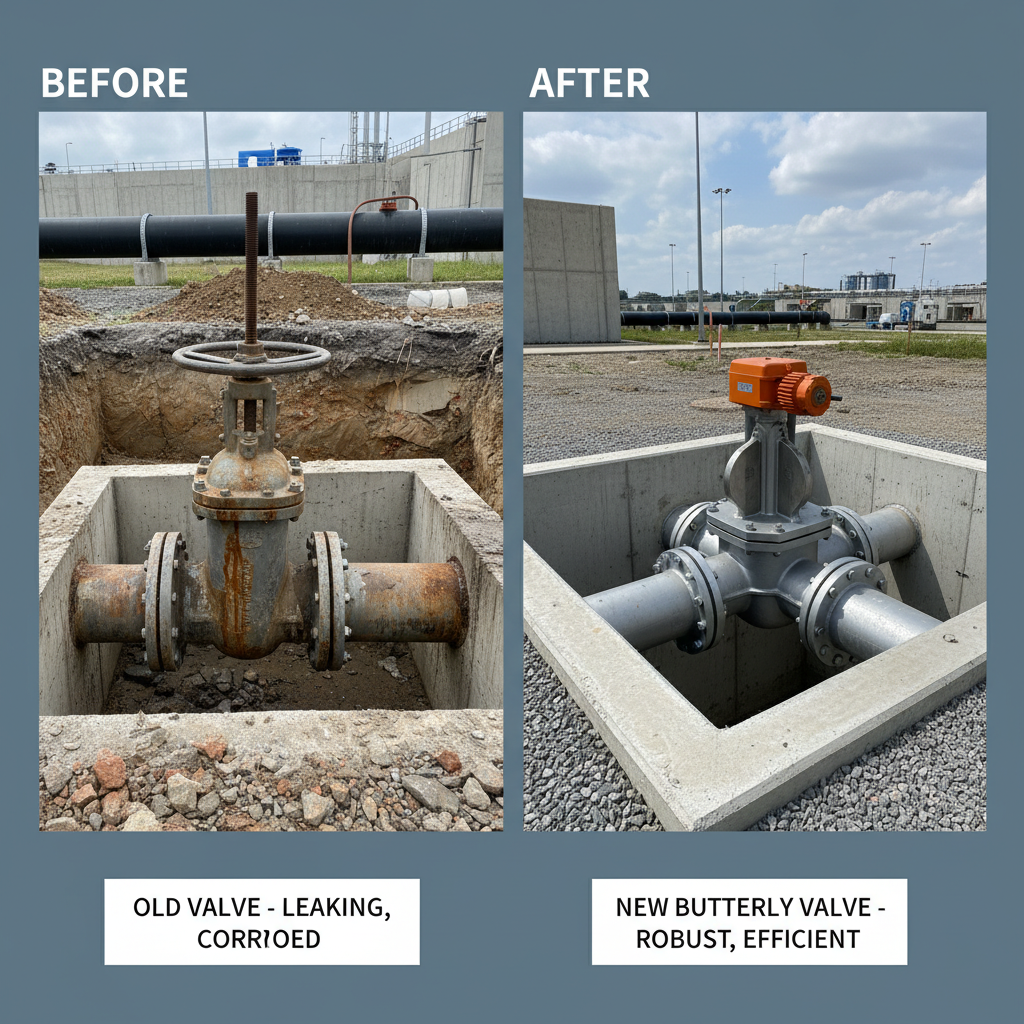
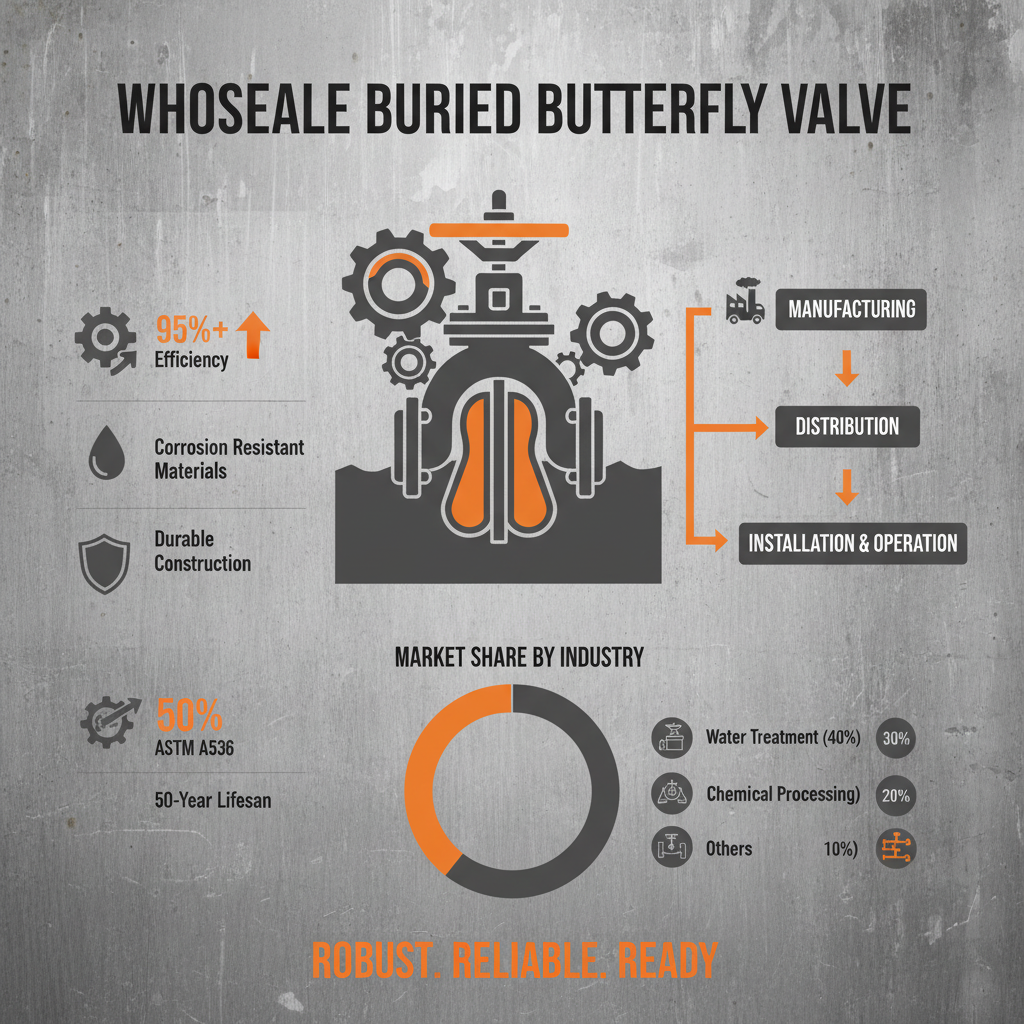
The global infrastructure market is currently undergoing a massive transition toward "smart" and "durable" utilities. According to standards set by ISO and various international water associations, the failure rate of underground piping is often linked to the degradation of control valves. When sourcing a wholesale buried butterfly valve, industry leaders are looking for solutions that mitigate the risks of corrosion and soil shifting, which can compromise the seal of traditional gate valves.
The challenge lies in the environmental volatility of buried installations. Soil acidity, groundwater fluctuations, and external pressure can lead to premature valve failure, resulting in millions of dollars in lost revenue and environmental damage. By shifting toward high-grade butterfly designs available through wholesale channels, operators can implement a standardized, high-reliability component across their entire network, ensuring that every junction meets the same rigorous performance criteria.
Wholesale sourcing ensures technical uniformity across a project, which is critical for maintenance. It allows for bulk customization of stem lengths and coating specifications, reducing the per-unit cost while maintaining high quality. Additionally, it simplifies the supply chain, ensuring that replacement parts are identical to the installed units, reducing downtime during repairs.
The primary differences are the protective coatings and the stem design. Buried valves require high-grade anti-corrosive coatings (like epoxy) to survive soil contact. They also typically feature extended stems that reach a surface-level valve box, allowing operators to open or close the valve from the street level without excavating the pipe.
Ductile iron is the industry standard for the body due to its strength and flexibility. For the disc, stainless steel (304 or 316) is preferred to prevent rust. For the seals, EPDM is generally best for potable water, while Nitrile (NBR) is superior for oil or chemical applications. These combinations ensure a lifespan of 20-50 years when properly coated.
Yes, though it is more complex than surface valves. Automation typically involves installing an electric or pneumatic actuator at the surface or using specialized submersible actuators. Wholesale options often include "actuator-ready" stems that facilitate the installation of remote control systems for smart city water management.
The first line of defense is the factory-applied coating, such as Fusion Bonded Epoxy (FBE). Secondly, using a proper valve box with gravel bedding prevents the accumulation of corrosive organic matter around the valve. In extremely aggressive soils, cathodic protection (sacrificial anodes) can be used to further prevent metal loss.
Butterfly valves offer a more compact design, lower cost, and faster operation (quarter-turn vs. multiple turns). While gate valves may provide a slightly better absolute shut-off in very high-pressure scenarios, butterfly valves are far more efficient for the majority of municipal and industrial water applications, especially when sourced wholesale for large projects.
The strategic implementation of a wholesale buried butterfly valve system is a cornerstone of modern, efficient fluid management. By focusing on material integrity, standardized procurement, and the integration of advanced coatings, organizations can build underground networks that are not only durable but also cost-effective. The transition from fragmented purchasing to a cohesive wholesale strategy ensures that reliability is a constant, rather than a variable, across the entire infrastructure.
Looking ahead, the convergence of IoT technology and sustainable material science will redefine how we interact with buried utilities. We encourage engineers and procurement specialists to move beyond the "lowest bid" mentality and instead prioritize Total Cost of Ownership and long-term system resilience. Investing in quality today prevents the catastrophic failures of tomorrow. For industry-leading solutions and bulk procurement, visit our website: www.hongdavalve.com

 Afrikaans
 Albanian
 Amharic
 Arabic
 Armenian
 Azerbaijani
 Basque
 Belarusian
 Bengali
 Bosnian
 Bulgarian
 Catalan
 Cebuano
 Corsican
 Croatian
 Czech
Czech
 Danish
 Dutch
Dutch
 Esperanto
 Estonian
 Finnish
 French
 Frisian
 Galician
 Georgian
 German
 Greek
Greek
 Gujarati
 Haitian Creole
 Hausa
Hausa
 Hawaiian
 Hebrew
 Hindi
Hindi
 Miao
Miao
 Hungarian
 Icelandic
 Igbo
Igbo
 Indonesian
 Irish
Irish
 Italian
 Japanese
 Javanese
 Kannada
 Kazakh
 Khmer
Khmer
 Rwandese
 Korean
 Kurdish
 Kyrgyz
 Lao
Lao
 Latin
Latin
 Latvian
 Lithuanian
 Luxembourgish
 Macedonian
 Malgashi
 Malay
Malay
 Malayalam
 Maltese
 Maori
Maori
 Marathi
 Mongolian
 Myanmar
 Nepali
 Norwegian
 Norwegian
 Occitan
 Pashto
 Persian
 Polish
 Portuguese
 Punjabi
 Romanian
 Russian
 Samoan
 Scottish Gaelic
 Serbian
 Sesotho
 Shona
Shona
 Sindhi
 Sinhala
 Slovak
 Slovenian
 Somali
 Spanish
 Sundanese
 Swahili
 Swedish
 Tagalog
 Tajik
Tajik
 Tamil
Tamil
 Tatar
Tatar
 Telugu
 Thai
Thai
 Turkish
 Turkmen
 Ukrainian
 Urdu
Urdu
 Uighur
 Uzbek
Uzbek
 Vietnamese
 Welsh
Welsh
 Bantu
Bantu
 Yiddish
 Yoruba
 Zulu
Zulu
 English