
- Call Us
- +8618633052223
- njhdvlz@163.com
Aug . 22, 2025 18:41 Back to list
Installation Tips for Wafer Type Butterfly Valve Systems
In industrial fluid control systems, the wafer type butterfly valve stands out for its compact design and efficient flow regulation, making it a staple in applications like water treatment, petrochemicals, and power generation. Also known as wafer style valve or wafer style butterfly valve, this component fits between flanges, offering space-saving advantages over bulkier valve types. Ningjin Hongda Valve Co., Ltd., a professional valve supplier integrating design, production, and service, excels in manufacturing such valves. With specialized production lines for casting and assembly, their products—including the Series F170 butterfly valves (compliant with MSS SP-67, BS5155, and API 609)—cover sizes 1½″ to 24″ in wafer and lug types, compatible with various flange standards. Proper installation is key to maximizing the performance of these valves, and the following tips ensure a seamless setup.
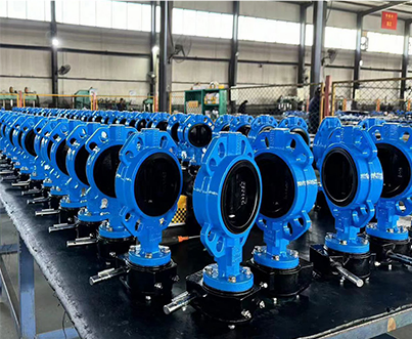
Pre-Installation Preparation for Wafer Type Butterfly Valve
- Inspect Valve and Components: Before installation, examine the wafer type butterfly valve for any damage—check the disc, seal, and body for cracks or deformities. Ensure all parts (like gaskets and fasteners) are included and in good condition. Ningjin Hongda’s rigorous quality control minimizes defects, but a quick inspection prevents issues during setup.
- Verify Compatibility: Confirm the wafer style valvematches the pipeline’s pressure rating, size (1½″ to 24″ for Series F170 models), and flange standards (GB, ANSI, DIN, etc.). Mismatched components can cause leaks or valve failure, especially in high-pressure systems like petrochemical pipelines.
- Clean the Pipeline: Remove debris, rust, or scale from the flange faces and pipeline interior. Even small particles can damage the valve’s seal or hinder the disc’s movement, affecting flow control. Use a wire brush or cloth to ensure a smooth, clean surface.
Proper Positioning of Wafer Style Butterfly Valve
- Align with Flow Direction: Wafer style butterfly valvehas a directional design—check the arrow on the body to ensure it matches the fluid flow direction. Installing it backward can lead to poor sealing, increased pressure drop, and premature wear, especially in systems handling corrosive media.
- Flange Alignment: The valve relies on adjacent flanges for support, so ensure the flanges are parallel and centered. Misaligned flanges can warp the wafer type butterfly valvebody when bolts are tightened, causing the disc to bind or leak. Use shims if needed to adjust alignment.
- Leave Space for Operation: Position the valve so the handle or actuator has enough clearance to rotate fully (90 degrees for full open/close). Avoid tight spaces that restrict movement, as this can make operation cumbersome and lead to incomplete closure.
Mounting Steps for Wafer Type Butterfly Valve
- Insert Between Flanges: Place the wafer style valvebetween the pipeline flanges, ensuring the gasket (if required) is correctly positioned on both sides. The valve’s thin profile (a key advantage of wafer designs) should fit snugly without gaps.
- Tighten Bolts Gradually: Use a crisscross pattern to tighten flange bolts, applying even pressure to avoid uneven stress on the wafer type butterfly valve. Over-tightening can distort the body or compress the seal excessively, while under-tightening causes leaks. Refer to the valve’s specifications for torque limits.
- Test for Leaks: After mounting, conduct a pressure test with water or air. Open and close the valve several times to check for smooth operation, then inspect flange connections for leaks. Tighten bolts slightly if drips appear, but avoid over-tightening.
Common Mistakes to Avoid with Wafer Style Valve
|
Mistake |
Consequence |
Prevention |
|
Ignoring Flow Direction |
Poor sealing, increased wear |
Check the arrow on the wafer style valve body |
|
Over-Tightening Bolts |
Body distortion, seal damage |
Use a torque wrench and crisscross tightening |
|
Using Incorrect Gaskets |
Leaks, incompatible materials with fluids |
Match gaskets to the valve and pipeline media |
|
Skipping Pipeline Cleaning |
Debris damage to disc or seal |
Clean flanges and interior before installation |
|
Inadequate Flange Alignment |
Binding disc, uneven pressure on valve body |
Use alignment tools to ensure parallel flanges |
Avoiding these errors ensures the wafer type butterfly valve operates efficiently, reducing maintenance needs and extending its lifespan.
Wafer Type Butterfly Valve FAQS
Can Wafer Type Butterfly Valve Be Installed Vertically?
Yes, wafer type butterfly valve can be installed vertically, but ensure the disc’s weight doesn’t cause it to sag when closed. For vertical lines with heavy discs, choose valves with stem bearings designed for this orientation.
What Gasket Material Works Best for Wafer Style Valve?
Gasket material depends on the fluid—use EPDM for water, Viton for oils and chemicals, and PTFE for high temperatures. Ningjin Hongda can recommend compatible gaskets for their wafer style valve models.
How to Handle Leaks After Installing Wafer Style Butterfly Valve?
First, check if bolts are evenly tightened (use the crisscross method). If leaks persist, inspect the gasket for damage or misalignment. Replace the gasket if necessary, ensuring it matches the wafer style valve size and media.
Are Wafer Type Butterfly Valve Compatible with All Flange Standards?
Series F170 wafer type butterfly valve from Ningjin Hongda are compatible with GB, ANSI, DIN, BS, and JIS flanges, covering most industrial standards. Always verify compatibility with your specific flange type before installation.
Where Can I Get Reliable Wafer Style Butterfly Valve and Installation Guidance?
Ningjin Hongda Valve Co., Ltd. provides high-quality wafer type butterfly valve (including Series F170) and expert support. Their range of sizes (1½″ to 24″) and compliance with global standards make them a trusted choice, with guidance available to ensure proper installation.
-
Industrial Guide to Wholesale Large Butterfly Valve Procurement
NewsApr.16,2026
-
High Quality Wholesale Inlet Butterfly Valve for Industrial Systems
NewsApr.09,2026
-
Comprehensive Guide to Wholesale Butterfly Valve 8 Inch Price and Selection
NewsApr.07,2026
-
Comprehensive Guide to Wholesale SS 304 Butterfly Valve Selection and Applications
NewsApr.04,2026
-
Comprehensive Guide to Wholesale Valve Material Selection and Cost Optimization
NewsMar.31,2026
-
Comprehensive Guide to Wholesale Inline Hydraulic Check Valve Solutions
NewsMar.28,2026
 Afrikaans
 Albanian
 Amharic
 Arabic
 Armenian
 Azerbaijani
 Basque
 Belarusian
 Bengali
 Bosnian
 Bulgarian
 Catalan
 Cebuano
 Corsican
 Croatian
 Czech
Czech
 Danish
 Dutch
Dutch
 Esperanto
 Estonian
 Finnish
 French
 Frisian
 Galician
 Georgian
 German
 Greek
Greek
 Gujarati
 Haitian Creole
 Hausa
Hausa
 Hawaiian
 Hebrew
 Hindi
Hindi
 Miao
Miao
 Hungarian
 Icelandic
 Igbo
Igbo
 Indonesian
 Irish
Irish
 Italian
 Japanese
 Javanese
 Kannada
 Kazakh
 Khmer
Khmer
 Rwandese
 Korean
 Kurdish
 Kyrgyz
 Lao
Lao
 Latin
Latin
 Latvian
 Lithuanian
 Luxembourgish
 Macedonian
 Malgashi
 Malay
Malay
 Malayalam
 Maltese
 Maori
Maori
 Marathi
 Mongolian
 Myanmar
 Nepali
 Norwegian
 Norwegian
 Occitan
 Pashto
 Persian
 Polish
 Portuguese
 Punjabi
 Romanian
 Russian
 Samoan
 Scottish Gaelic
 Serbian
 Sesotho
 Shona
Shona
 Sindhi
 Sinhala
 Slovak
 Slovenian
 Somali
 Spanish
 Sundanese
 Swahili
 Swedish
 Tagalog
 Tajik
Tajik
 Tamil
Tamil
 Tatar
Tatar
 Telugu
 Thai
Thai
 Turkish
 Turkmen
 Ukrainian
 Urdu
Urdu
 Uighur
 Uzbek
Uzbek
 Vietnamese
 Welsh
Welsh
 Bantu
Bantu
 Yiddish
 Yoruba
 Zulu
Zulu
 English