
- Call Us
- +8618633052223
- njhdvlz@163.com
You know, things are changing fast. Everyone’s talking about IoT integration now, which is fine, but I swear half the guys on site still struggle with Bluetooth pairing. To be honest, the biggest trend I’ve seen isn't some fancy tech, it's demand for stuff that just works first time, every time. They want reliability, not bells and whistles. And frankly, a lot of manufacturers are still missing that mark.
What I’ve noticed is a lot of designers get hung up on making things look good, and forget about practicality. Like, a really intricate valve body – beautiful, maybe, but a nightmare to clean when it’s caked in mud. I encountered this at a factory in Ningbo last time, they had this gorgeous polished stainless steel check valve... utterly useless for anything except looking pretty. It’s a classic trap, really. Simple is almost always better.
We’re primarily using brass – standard stuff, C37700. Feels solid, smells a bit… metallic, obviously. You can tell a good casting by the weight. Then there’s the EPDM seals, which, surprisingly, hold up well even with some pretty harsh chemicals. The guys appreciate that, less fussing around replacing things. Though, strangely, the smell of uncured EPDM always reminds me of my grandmother’s kitchen. Don't ask.
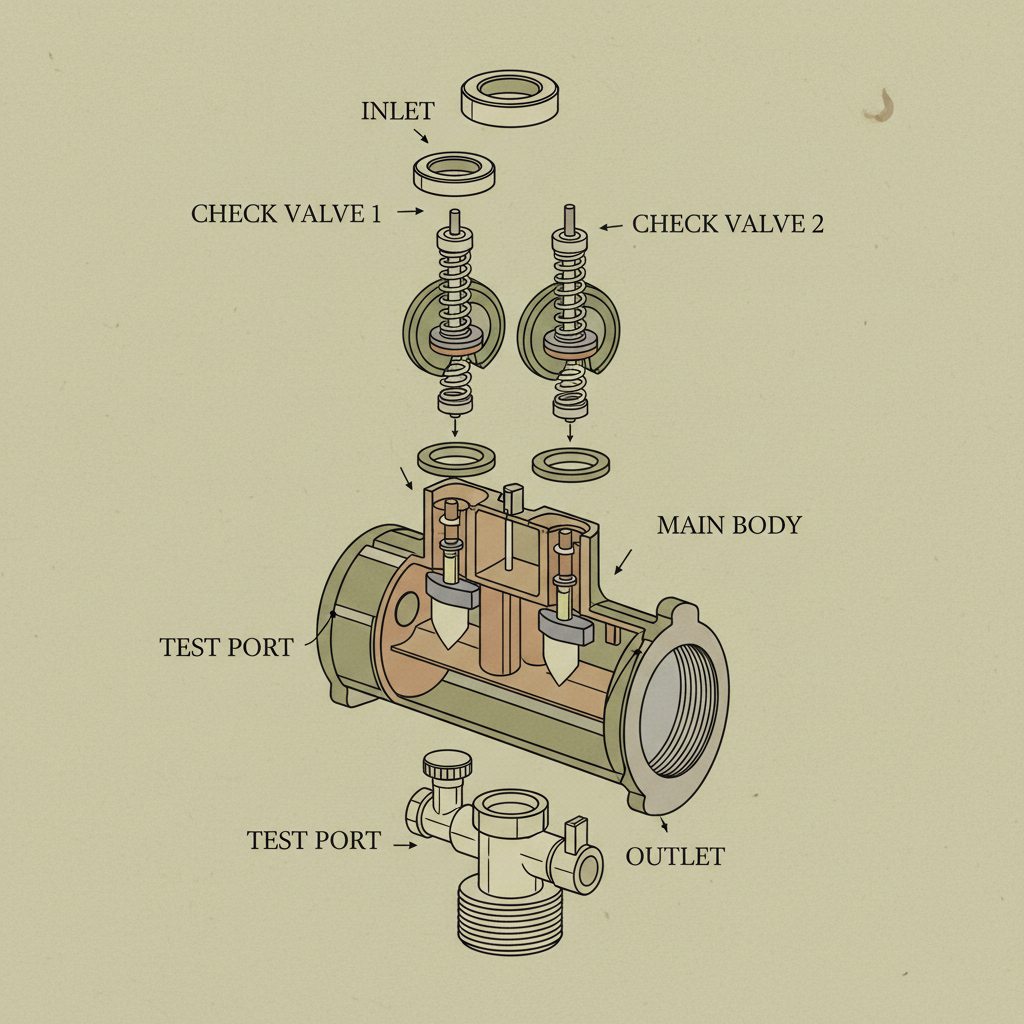
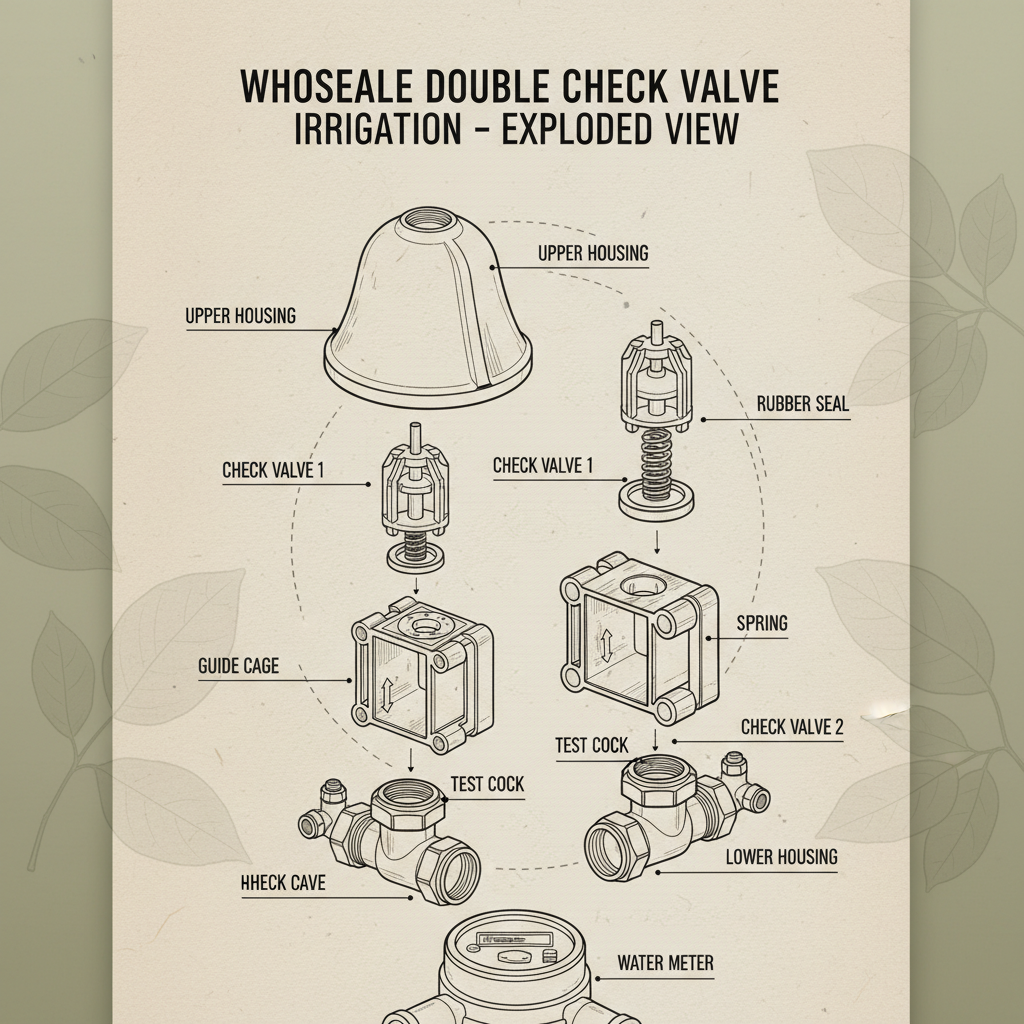
Honestly, the push for 'smart' valves is kinda overblown. Guys just want something that doesn’t leak and doesn't require a PhD to install. The real innovation is in materials science – finding stuff that can withstand higher pressures, more corrosive environments, and just… last longer. I’ve seen too many cheap plastic valves fail after six months, and then you’re dealing with a whole mess of downtime and repairs.
Another thing…these overly complex internal mechanisms. Look, simplicity is king. The fewer moving parts, the better. More parts mean more potential failure points. I swear, sometimes these engineers are trying to over-engineer the obvious.
Honestly, it depends on the water quality and how well it’s maintained. But we generally see them lasting 5-7 years without issues in standard residential applications. We've had reports of some lasting over a decade, but those are exceptions. Regular flushing and inspection are key to maximizing lifespan.
Pretty much. We offer a range of connection options - threaded, flanged, socket weld - to accommodate most common piping materials like PVC, copper, and stainless steel. It’s crucial to use the correct sealant and torque specifications for the specific material to ensure a leak-proof connection. We have guides on our website, but if you're unsure, just ask.
We offer a 1-year warranty against manufacturing defects. That covers faulty materials or workmanship. It doesn't cover damage caused by improper installation, misuse, or normal wear and tear. But we’re generally pretty fair about handling claims – we want our customers to be happy. We also offer extended warranties on certain models.
They can, to a degree. But high sediment content will significantly reduce their lifespan. We recommend installing a strainer upstream of the valve to remove larger particles. We also offer valves with built-in strainers for particularly dirty water sources. It's all about preventative maintenance, really.
Absolutely. We stock valves with pressure ratings ranging from 150 PSI to 500 PSI. The specific pressure rating depends on the application. For residential irrigation, 150 PSI is usually sufficient. For industrial applications, you might need something higher. We can also custom-build valves to specific pressure requirements.
Lead times vary depending on the complexity of the customization and our current production schedule. Typically, it's around 4-6 weeks for custom orders. We’ll provide a more accurate estimate when we receive your specifications. We understand that time is money, so we do our best to expedite the process whenever possible.
So, yeah. Wholesale double check valve irrigation – it’s not glamorous, but it’s essential. It’s about reliability, durability, and providing a simple, effective solution for a complex problem. The trends come and go, but the core principles remain the same: quality materials, robust design, and a focus on real-world performance.
Look, at the end of the day, don’t get caught up in the hype. Choose valves that are built to last, easy to install, and backed by a reputable manufacturer. And remember to tell your customers to use Teflon tape. Seriously. For more information, or to request a quote, visit our website: www.hongdavalve.com

 Afrikaans
 Albanian
 Amharic
 Arabic
 Armenian
 Azerbaijani
 Basque
 Belarusian
 Bengali
 Bosnian
 Bulgarian
 Catalan
 Cebuano
 Corsican
 Croatian
 Czech
Czech
 Danish
 Dutch
Dutch
 Esperanto
 Estonian
 Finnish
 French
 Frisian
 Galician
 Georgian
 German
 Greek
Greek
 Gujarati
 Haitian Creole
 Hausa
Hausa
 Hawaiian
 Hebrew
 Hindi
Hindi
 Miao
Miao
 Hungarian
 Icelandic
 Igbo
Igbo
 Indonesian
 Irish
Irish
 Italian
 Japanese
 Javanese
 Kannada
 Kazakh
 Khmer
Khmer
 Rwandese
 Korean
 Kurdish
 Kyrgyz
 Lao
Lao
 Latin
Latin
 Latvian
 Lithuanian
 Luxembourgish
 Macedonian
 Malgashi
 Malay
Malay
 Malayalam
 Maltese
 Maori
Maori
 Marathi
 Mongolian
 Myanmar
 Nepali
 Norwegian
 Norwegian
 Occitan
 Pashto
 Persian
 Polish
 Portuguese
 Punjabi
 Romanian
 Russian
 Samoan
 Scottish Gaelic
 Serbian
 Sesotho
 Shona
Shona
 Sindhi
 Sinhala
 Slovak
 Slovenian
 Somali
 Spanish
 Sundanese
 Swahili
 Swedish
 Tagalog
 Tajik
Tajik
 Tamil
Tamil
 Tatar
Tatar
 Telugu
 Thai
Thai
 Turkish
 Turkmen
 Ukrainian
 Urdu
Urdu
 Uighur
 Uzbek
Uzbek
 Vietnamese
 Welsh
Welsh
 Bantu
Bantu
 Yiddish
 Yoruba
 Zulu
Zulu
 English