
- Call Us
- +8618633052223
- njhdvlz@163.com
Sep . 02, 2025 02:00 Back to list
2 Inch Butterfly Valve - High Performance & Durable Flow Control
The Pivotal Role of the 2 inch butterfly valve in Industrial Fluid Control
In the intricate world of industrial fluid management, precision and reliability are paramount. Among the myriad valve types, the 2 inch butterfly valve stands out as a critical component, offering efficient flow control in a compact and cost-effective package. This article delves into the technical intricacies, application versatility, and strategic importance of these vital devices, particularly focusing on robust solutions like the Series F101 U-Section Wafer Type Butterfly Valve.
From petrochemical processing to municipal water treatment, the demand for resilient and high-performing valves continues to escalate. Understanding the manufacturing processes, adherence to international standards, and the capabilities of customization are essential for B2B decision-makers seeking optimal system performance and longevity.
Industry Trends and Market Dynamics for Industrial Valves
The industrial valve market, encompassing a wide range of sizes from a diminutive 2 inch butterfly valve to a formidable 18 inch butterfly valve, is currently undergoing significant transformation. Key trends include an increasing focus on digitalization, automation, and the integration of smart valve technology for enhanced process control and predictive maintenance. End-users are increasingly prioritizing valves that offer superior energy efficiency, extended service life, and robust performance in challenging environments.
Geographically, the demand for industrial valves, including specialized units like the china 18 inch butterfly valve, is driven by rapid industrialization and infrastructure development in emerging economies, alongside modernization efforts in established markets. According to a recent report by Grand View Research, the global industrial valves market size was valued at USD 77.2 billion in 2022 and is expected to grow at a compound annual growth rate (CAGR) of 4.3% from 2023 to 2030. This growth underscores the continuous need for reliable flow control solutions across sectors. Environmental regulations are also pushing for valves with lower fugitive emissions, prompting innovations in sealing technologies and material science. The trend towards modular design and easier maintenance is also gaining traction, impacting the design and material selection for every butterfly valve, regardless of size.
Technical Specifications of the Series F101 U-Section Wafer Type Butterfly Valve
The Series F101 U-Section Wafer Type Butterfly Valve is engineered for optimal performance and versatility, designed to meet the rigorous demands of various industrial applications. For a 2 inch butterfly valve (DN50), the specifications are precisely calibrated to ensure reliable operation and tight shut-off capabilities.
Key Product Parameters:
| Parameter | Specification for 2 Inch Butterfly Valve (DN50) |
|---|---|
| Nominal Diameter | DN50 (2 inch) |
| Pressure Rating | PN10/PN16 (10 Bar / 16 Bar) |
| Body Material Options | Ductile Iron (GGG40/GGG50), Cast Iron (GG25), Stainless Steel (CF8M/CF3M) |
| Disc Material Options | Ductile Iron (Nickel Plated), Stainless Steel (CF8M/CF3M), Aluminium Bronze |
| Seat Material Options | EPDM, NBR, PTFE, Viton |
| Stem Material Options | Stainless Steel (SS410, SS304, SS316) |
| Applicable Temperature Range | -20°C to +180°C (depending on seat material) |
| Connection Type | Wafer Type (flange connection per EN1092-2 PN10/PN16, ASME B16.5 Class 150) |
| Operation Type | Lever, Gearbox, Pneumatic Actuator, Electric Actuator |
| Design Standard | EN593 (formerly BS5155), API 609, ANSI B16.34 |
| Face-to-Face Standard | EN558 Series 20, ISO 5752 Series 20 |
These specifications highlight the engineering precision behind the Series F101, ensuring that the 2 in butterfly valve delivers exceptional performance in various fluid handling applications. The U-section body design provides a lightweight yet robust structure, simplifying installation between flanges while maintaining sealing integrity.
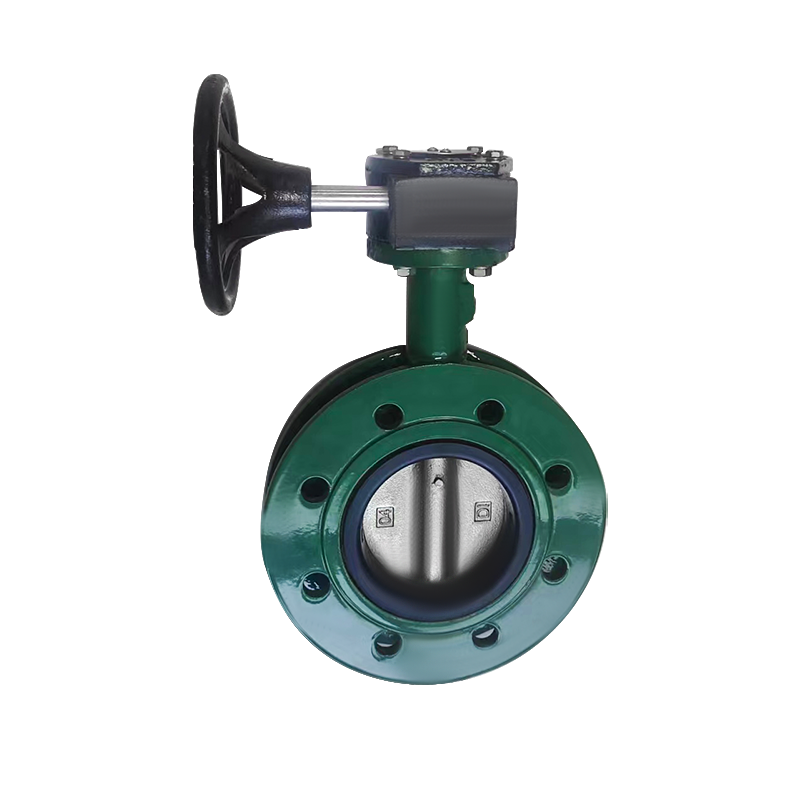
The Advanced Manufacturing Process of a 2 inch butterfly valve
The production of a high-quality 2 inch butterfly valve involves a meticulously controlled process, from raw material selection to final inspection. Our manufacturing philosophy emphasizes precision, adherence to stringent quality control, and the integration of advanced technologies to ensure superior product performance and extended service life. This process is consistent across various sizes, including the manufacture of a 16 inch butterfly valve and larger units, adapted for scale and complexity.
Process Flow Schematic:
- Raw Material Sourcing & Inspection: Selection of certified materials (e.g., ductile iron GGG50, stainless steel CF8M) from approved suppliers. Incoming materials undergo chemical analysis and mechanical property testing to ensure compliance with international standards like ASTM and EN specifications.
- Casting/Forging of Body & Disc: The valve body and disc are either cast or forged, depending on material and application requirements. Ductile iron bodies are typically cast using advanced foundry techniques to minimize porosity and ensure structural integrity. Stainless steel components may be forged for enhanced strength and fatigue resistance, particularly crucial for high-pressure or high-temperature applications.
- Precision CNC Machining: State-of-the-art CNC machining centers are utilized to achieve precise dimensions and tight tolerances for the body, disc, and stem. This step is critical for ensuring perfect sealing surfaces, smooth operation, and interchangeability of parts. Key dimensions, seat pockets, and stem bores are machined to micron-level accuracy.
- Seat & Seal Manufacturing: Elastomeric (EPDM, NBR, Viton) and PTFE seats are molded or machined to exact specifications. The choice of material is critical for corrosion resistance and temperature limits, directly impacting the valve's service life in target industries such as petrochemical (PTFE for chemical resistance) and water supply & drainage (EPDM for resilience).
- Assembly: Components are meticulously assembled in a clean environment. This includes inserting the stem, disc, and seat into the body, followed by attaching the operating mechanism (lever, gearbox, or actuator). Critical torque specifications are maintained to ensure proper sealing and operational integrity.
-
Testing & Quality Assurance: Every valve undergoes rigorous testing protocols to meet and exceed industry standards such as ISO 5208 (pressure testing) and API 598 (valve inspection and testing).
- Hydrostatic Shell Test: Performed at 1.5 times the nominal pressure to verify body integrity.
- Low-Pressure Air Seat Test: Conducted at 5-7 bar to ensure bubble-tight shut-off.
- High-Pressure Hydrostatic Seat Test: At 1.1 times the nominal pressure to confirm dynamic sealing under operating conditions.
- Functional Test: Verifies smooth operation and correct open/close positioning.
- Fugitive Emissions Testing (Optional): For critical applications, complying with ISO 15848-1.
- Surface Treatment & Coating: Bodies are often coated with epoxy powder (Fusion Bonded Epoxy - FBE) using electrostatic application for enhanced corrosion resistance, particularly for applications in water and wastewater. This extends the service life and maintains aesthetic integrity.
- Final Inspection & Packaging: A final visual inspection confirms product aesthetics, labeling, and correct documentation. Valves are then securely packaged for transport, ensuring they arrive at the client's site in pristine condition.
This rigorous process ensures that each 2 in butterfly valve leaves the facility ready to deliver reliable, long-term performance, often achieving a design service life of over 20 years with proper maintenance, significantly contributing to energy saving in the overall system operation.
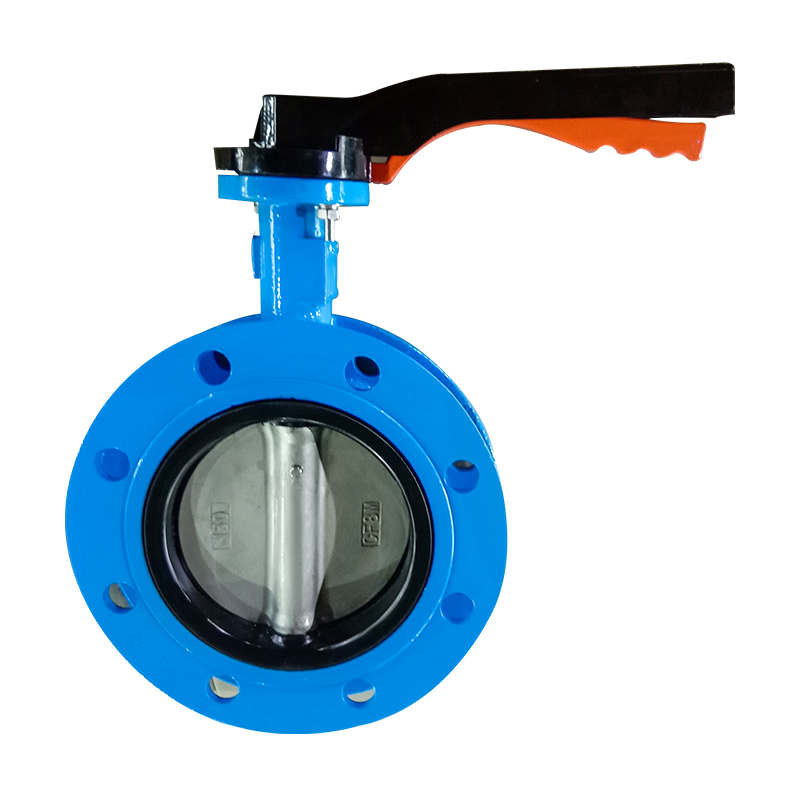
Application Scenarios and Technical Advantages
The versatility of the 2 inch butterfly valve makes it indispensable across a multitude of industrial sectors. Its compact design and efficient quarter-turn operation provide significant advantages over other valve types, such as ball or gate valves, especially in space-constrained applications or where rapid shut-off is required.
Typical Application Industries:
- Water Supply & Drainage: Essential for flow control in municipal water treatment plants, pumping stations, and distribution networks. The corrosion resistance of epoxy-coated ductile iron bodies and EPDM seats ensures long-term reliability in potable and wastewater applications.
- HVAC Systems: Used in heating, ventilation, and air conditioning systems for regulating water flow in chilled water and hot water loops.
- Petrochemical Industry: Employed in various processes requiring precise fluid handling, from cooling water lines to chemical transfer. Stainless steel bodies and PTFE seats are often specified for their chemical compatibility. Similar requirements apply for larger valves like the 18 butterfly valve in main process lines.
- Metallurgy: Critical for controlling cooling water and process fluids in steel mills and foundries, where robust construction and high-temperature resistance are key.
- Food & Beverage: Stainless steel variants with FDA-approved seat materials are used for hygienic applications, ensuring product purity and compliance with food safety regulations.
- Power Generation: Utilized in cooling water circuits, auxiliary systems, and flue gas desulfurization (FGD) processes.
Technical Advantages:
- Compact Design & Lightweight: The wafer-style body, especially for a 2 inch butterfly valve, allows for installation in tight spaces, reducing overall system footprint and weight.
- Cost-Effectiveness: Generally more economical than ball or gate valves of equivalent size and pressure rating, both in initial purchase and installation.
- Quick Operation: Quarter-turn (90-degree) operation enables rapid opening and closing, crucial for emergency shut-off or precise flow regulation.
- High Flow Capacity & Low Pressure Drop: The disc design, when fully open, offers minimal obstruction to flow, leading to lower pressure drops and reduced energy consumption (energy saving).
- Bi-directional Shut-off: Many designs offer reliable sealing in both flow directions, enhancing system flexibility.
- Excellent Sealing Performance: Resilient seat designs ensure bubble-tight shut-off, preventing leakage and ensuring process integrity.
- Low Maintenance: Simple design with fewer moving parts translates to reduced maintenance requirements and lower total cost of ownership.
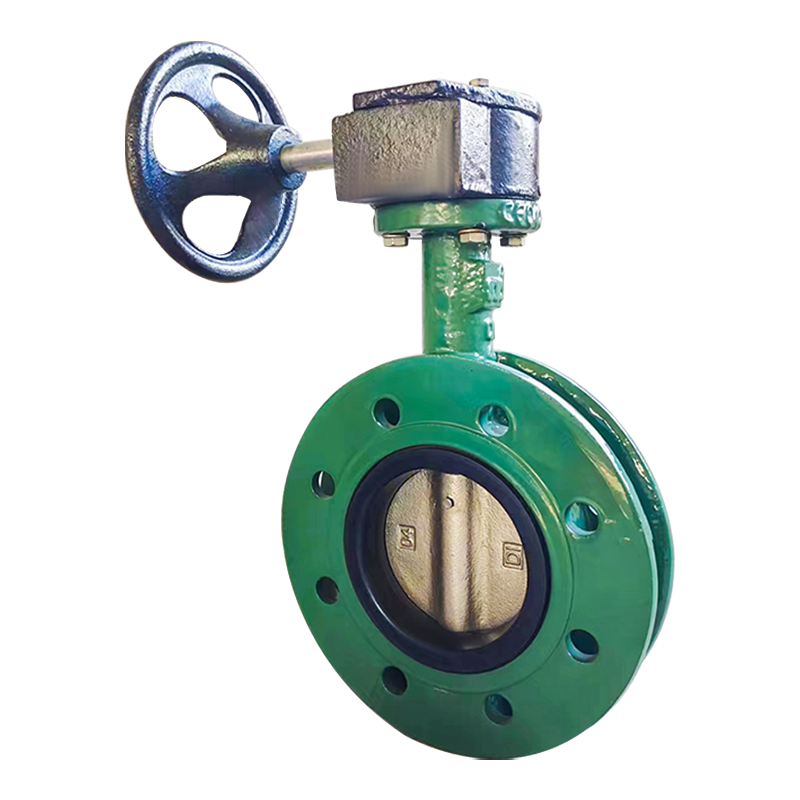
Vendor Comparison and Customized Solutions
Selecting the right valve supplier is as critical as selecting the right valve. B2B decision-makers must evaluate vendors based on several key criteria to ensure long-term success and optimal performance of their fluid control systems, whether for a standard 2 inch butterfly valve or a custom large-bore solution.
Key Considerations for Vendor Selection:
- Certifications & Quality Management: Look for ISO 9001:2015 certification, demonstrating a commitment to consistent quality. Compliance with industry-specific standards (e.g., API 609 for butterfly valves, CE marking for European markets) is non-negotiable.
- Experience & Track Record: A proven history of delivering reliable valves for diverse applications, indicated by years of service and reputable client partnerships. Testimonials and case studies provide valuable insights into a vendor's capabilities.
- Technical Expertise & Support: The ability to provide in-depth technical guidance, engineering support, and after-sales service is paramount. This includes material selection, sizing, and troubleshooting.
- Customization Capabilities: Not all applications are standard. A strong vendor offers tailored solutions for specific media, temperature, pressure, or operational requirements.
- Lead Time & Logistics: Efficient production capabilities and a robust supply chain ensure timely delivery, minimizing project delays.
- Warranty & After-Sales Service: Clear warranty commitments and accessible customer support are indicators of a vendor's confidence in their product and dedication to client satisfaction.
Customized Solutions: Tailoring the Valve to Your Needs
While standard products like the Series F101 2 inch butterfly valve cover a broad range of applications, many industrial processes require unique solutions. Customization can involve:
- Exotic Materials: For highly corrosive or abrasive media, specialized body, disc, or seat materials beyond standard options (e.g., Hastelloy, Titanium, specific ceramic coatings).
- Actuator Integration: Pre-assembly and calibration of specific pneumatic, electric, or hydraulic actuators to meet control system requirements. This is crucial for automation projects involving any 2 in butterfly valve to a 16 inch butterfly valve.
- Special Coatings: Internal or external coatings for enhanced chemical resistance, abrasion resistance, or anti-fouling properties.
- End Connections: Adapting to non-standard flange types, weld ends, or specific tapping requirements.
- Cryogenic or High-Temperature Service: Modifications to design and materials to operate reliably in extreme temperature ranges.
A vendor's capability to provide engineered-to-order solutions demonstrates true expertise and a deep understanding of complex fluid dynamics and material science.
Application Case Studies & Client Success
Real-world application demonstrates the tangible benefits of choosing high-quality industrial valves. These examples highlight the reliability, efficiency, and adaptability of our valve solutions, from a compact 2 inch butterfly valve to robust 18 inch butterfly valve applications.
Case Study 1: Municipal Water Treatment Plant Upgrade
Challenge: An aging municipal water treatment facility required replacement of numerous small-bore valves that were experiencing frequent failures due to corrosion and scaling, leading to significant maintenance costs and operational disruptions. The client needed a durable, corrosion-resistant solution that offered long service life and easy maintenance for various water lines, including chemical dosing and clarified water distribution.
Solution: We supplied over 150 units of the Series F101 U-Section Wafer Type Butterfly Valves, primarily in the 2 inch butterfly valve to 8-inch range. Valves featured ductile iron bodies with Fusion Bonded Epoxy (FBE) coating and EPDM seats, ensuring excellent corrosion resistance against treated water and mild chemicals. The compact wafer design facilitated quick and easy installation during plant downtime.
Outcome: After two years of operation, the client reported zero valve failures attributed to material degradation or operational issues. Maintenance cycles were extended by 30%, and the precise flow control contributed to optimized chemical dosing, resulting in an estimated 5% reduction in chemical consumption and overall energy saving.
Case Study 2: Chemical Processing Facility – Corrosive Media Handling
Challenge: A specialty chemicals manufacturer needed reliable shut-off and control for lines carrying aggressive organic solvents and acids at moderate temperatures. Previous valves experienced rapid seal degradation and external corrosion, posing safety risks and causing production losses. A specific requirement was for a 2 in butterfly valve capable of withstanding these harsh conditions.
Solution: We provided customized Series F101 butterfly valves with CF8M (SS316) stainless steel bodies and discs, coupled with virgin PTFE seats. The PTFE seat offers superior chemical compatibility and temperature resistance compared to elastomeric options. Each 2 inch butterfly valve was individually tested for leakage per API 598 standards.
Outcome: The stainless steel/PTFE combination proved highly effective. The valves exhibited excellent resistance to the corrosive media, eliminating leakage and significantly extending the service life compared to the previous valves. The client highlighted the enhanced safety and reduced downtime, leading to a noticeable improvement in operational efficiency and cost savings associated with less frequent valve replacements.
These case studies underscore our commitment to delivering reliable and high-performance valve solutions, built on extensive expertise and adherence to stringent quality controls.
Ensuring Trustworthiness: FAQs, Lead Time, Warranty & Support
Frequently Asked Questions (FAQs):
- Q: What is the typical service life of a 2 inch butterfly valve?
- A: With proper material selection for the application, correct installation, and routine maintenance, our Series F101 butterfly valves are designed for a service life of 15-20 years or more. Factors like media abrasiveness, temperature cycles, and operating frequency can influence longevity.
- Q: How do I select the correct seat material?
- A: Seat material selection is crucial and depends on the fluid media, operating temperature, and pressure. EPDM is excellent for water and general industrial applications. NBR is suitable for oils and fuels. Viton is preferred for higher temperatures and hydrocarbons, while PTFE offers superior chemical resistance across a broad range of aggressive fluids. Our technical team can assist with specific material recommendations.
- Q: Can these valves be automated?
- A: Absolutely. Our Series F101 butterfly valves, including the 2 inch butterfly valve, are designed with an ISO 5211 mounting pad, allowing for direct mounting of various pneumatic or electric actuators. We can supply valves pre-assembled with your preferred automation solution.
Lead Time and Fulfillment:
We maintain an optimized inventory and efficient production lines to ensure timely delivery. Standard lead time for common configurations of the Series F101 U-Section Wafer Type Butterfly Valve (including the 2 inch butterfly valve) is typically 4-6 weeks from order confirmation. For custom specifications or large project volumes (e.g., for china 18 inch butterfly valve orders), lead times will be provided on a project-specific basis, considering material availability and manufacturing complexity. Expedited options may be available upon request.
Warranty Commitments:
All our Series F101 U-Section Wafer Type Butterfly Valves are backed by a comprehensive 12-month warranty from the date of installation or 18 months from the date of shipment, whichever comes first. This warranty covers defects in material and workmanship under normal operating conditions. Full warranty terms and conditions are available upon request.
Customer Support Information:
Our dedicated customer support team and technical specialists are available to assist with product selection, technical inquiries, order status, and after-sales support. We are committed to providing prompt and effective assistance to ensure your complete satisfaction. Please visit our website or contact us directly via phone or email for assistance.
References
- Grand View Research. (2023). Industrial Valves Market Size, Share & Trends Analysis Report. Retrieved from [Insert relevant Grand View Research report URL if allowed, otherwise keep as plain text reference].
- ISO 9001:2015. Quality management systems – Requirements. International Organization for Standardization.
- API Standard 609, Butterfly Valves: Double Flanged, Lug- and Wafer-Type. American Petroleum Institute.
- EN 593:2017. Industrial valves. Metallic butterfly valves for general purpose. European Committee for Standardization.
- ISO 15848-1:2015. Industrial valves — Measurement, test and qualification procedures for fugitive emissions — Part 1: Classification system and qualification procedures for type testing of valves. International Organization for Standardization.
-
Industrial Guide to Wholesale Large Butterfly Valve Procurement
NewsApr.16,2026
-
High Quality Wholesale Inlet Butterfly Valve for Industrial Systems
NewsApr.09,2026
-
Comprehensive Guide to Wholesale Butterfly Valve 8 Inch Price and Selection
NewsApr.07,2026
-
Comprehensive Guide to Wholesale SS 304 Butterfly Valve Selection and Applications
NewsApr.04,2026
-
Comprehensive Guide to Wholesale Valve Material Selection and Cost Optimization
NewsMar.31,2026
-
Comprehensive Guide to Wholesale Inline Hydraulic Check Valve Solutions
NewsMar.28,2026
 Afrikaans
 Albanian
 Amharic
 Arabic
 Armenian
 Azerbaijani
 Basque
 Belarusian
 Bengali
 Bosnian
 Bulgarian
 Catalan
 Cebuano
 Corsican
 Croatian
 Czech
Czech
 Danish
 Dutch
Dutch
 Esperanto
 Estonian
 Finnish
 French
 Frisian
 Galician
 Georgian
 German
 Greek
Greek
 Gujarati
 Haitian Creole
 Hausa
Hausa
 Hawaiian
 Hebrew
 Hindi
Hindi
 Miao
Miao
 Hungarian
 Icelandic
 Igbo
Igbo
 Indonesian
 Irish
Irish
 Italian
 Japanese
 Javanese
 Kannada
 Kazakh
 Khmer
Khmer
 Rwandese
 Korean
 Kurdish
 Kyrgyz
 Lao
Lao
 Latin
Latin
 Latvian
 Lithuanian
 Luxembourgish
 Macedonian
 Malgashi
 Malay
Malay
 Malayalam
 Maltese
 Maori
Maori
 Marathi
 Mongolian
 Myanmar
 Nepali
 Norwegian
 Norwegian
 Occitan
 Pashto
 Persian
 Polish
 Portuguese
 Punjabi
 Romanian
 Russian
 Samoan
 Scottish Gaelic
 Serbian
 Sesotho
 Shona
Shona
 Sindhi
 Sinhala
 Slovak
 Slovenian
 Somali
 Spanish
 Sundanese
 Swahili
 Swedish
 Tagalog
 Tajik
Tajik
 Tamil
Tamil
 Tatar
Tatar
 Telugu
 Thai
Thai
 Turkish
 Turkmen
 Ukrainian
 Urdu
Urdu
 Uighur
 Uzbek
Uzbek
 Vietnamese
 Welsh
Welsh
 Bantu
Bantu
 Yiddish
 Yoruba
 Zulu
Zulu
 English