
- Call Us
- +8618633052223
- njhdvlz@163.com
Aug . 22, 2025 18:45 Back to list
Maintenance Best Practices for Groove Butterfly Valve
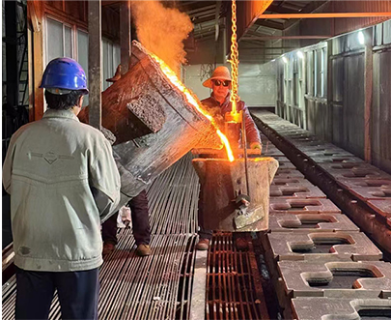
In industrial fluid systems, the groove butterfly valve (also known as grooved butterfly valve or grooved valve) is prized for its quick installation and reliable performance, making it a staple in water supply, sewage treatment, and petrochemical applications. These valves use grooved ends to connect to pipelines, eliminating the need for flanges and speeding up assembly. Ningjin Hongda Valve Co., Ltd., a professional valve supplier with specialized production lines for casting and assembly, manufactures high-quality groove butterfly valve models. Their valves comply with MSS SP-67, feature face-to-face dimensions conforming to the same standard, and have grooves matching AWWA C606 TABLE 4, available with handles (2″ to 12″) and manual gear operators (2″ to 12″). Proper maintenance is key to extending their lifespan, and the following best practices ensure consistent operation.
Daily Inspection of Groove Butterfly Valve
- Visual Checks: Start each day by examining the grooved butterfly valve for leaks around the grooved connections or valve body. Look for signs of corrosion on the body (common in water treatment systems) and check that the handle or gear operator moves freely. Even minor drips can indicate loose grooved couplings or worn seals, which need prompt attention.
- Operational Testing: Manually cycle the groove butterfly valveopen and closed at least once daily. This prevents the disc from sticking to the seat— a common issue in systems with stagnant fluid. For gear-operated models, listen for unusual noises (grinding or squeaking) which may signal a need for lubrication or part replacement.
- Pressure Monitoring: In systems with pressure gauges, record the pressure upstream and downstream of the grooved valve. A sudden pressure drop could indicate a partially closed valve or debris blocking the disc, while a spike may mean the valve isn’t opening fully—both issues that require investigation.
Cleaning and Lubrication for Grooved Butterfly Valve
- Clean Grooved Connections: Over time, dirt, scale, or debris can accumulate in the grooves of a groove butterfly valve, compromising the seal. Use a wire brush or cloth to clean the grooves regularly, ensuring they’re free of buildup. This step is especially important in sewage treatment, where solids can clog the connections.
- Lubricate Moving Parts: Apply a high-quality, water-resistant lubricant to the valve stem, gear operator (if equipped), and handle pivot points. For grooved butterfly valvewith handles (2″ to 12″), focus on the stem where the handle attaches—this prevents stiffness and ensures smooth operation. Avoid over-lubricating, as excess can attract dirt.
- Flush the Valve: In systems handling particulate matter (like industrial wastewater), periodically flush the grooved valveby opening it fully and allowing high-velocity fluid to flow through. This dislodges debris that may be trapped between the disc and seat, reducing wear and preventing leaks.
Preventive Maintenance for Groove Butterfly Valve
|
Component |
Maintenance Task |
Frequency |
Purpose |
|
Grooved Couplings |
Tighten bolts to manufacturer specifications |
Every 3 months |
Ensure a secure seal; prevent leaks at connections |
|
Valve Seat |
Inspect for wear, cracks, or hardening |
Every 6 months |
Maintain tight closure; avoid fluid bypass |
|
Stem and O-Rings |
Replace worn O-rings; clean and lubricate stem |
Annually (or sooner if stiffness occurs) |
Prevent stem leakage; ensure smooth disc movement |
|
Handle/Gear Operator |
Check for looseness; replace damaged parts |
Every 4 months |
Maintain reliable operation; prevent handle failure |
Ningjin Hongda’s grooved butterfly valve is designed for easy maintenance, with accessible components that simplify these tasks—critical for minimizing downtime in busy industrial settings.
Troubleshooting Common Issues with Grooved Valve
- Leaks at Grooved Connections: This is often caused by loose coupling bolts or a damaged gasket. Tighten the bolts in a crisscross pattern; if leaks persist, replace the gasket. Ensure the new gasket matches the valve’s size and material requirements.
- Valve Fails to Close Fully: Debris between the disc and seat is a common culprit. Flush the grooved valveas described earlier; if the issue continues, disassemble the valve to remove the obstruction. Inspect the seat for damage—worn seats may need replacement.
- Stiff Operation: Stiffness in a groove butterfly valvetypically indicates dry or contaminated lubricant, or a bent stem. Clean the stem, reapply lubricant, and check for stem damage. For severe cases, contact Ningjin Hongda for replacement parts, as a bent stem can cause irreversible damage.
Grooved Valve FAQS
How Often Should a Groove Butterfly Valve Be Inspected?
A groove butterfly valve should undergo daily visual checks and operational tests, with more detailed inspections (including component checks) every 3–6 months. High-use systems may require more frequent maintenance.
Can I Use Any Lubricant on a Grooved Butterfly Valve?
No, use lubricants compatible with the valve’s materials (e.g., rubber-compatible lubricants for seats) and the fluid being handled. Ningjin Hongda can recommend suitable lubricants for their grooved butterfly valve models.
What Causes a Grooved Valve to Stick in the Open Position?
Groove butterfly valve sticking is often due to debris between the disc and seat, or a dry, corroded stem. Flushing the valve and lubricating the stem usually resolves the issue; persistent sticking may indicate a damaged seat or stem.
Do Grooved Butterfly Valve Require Special Tools for Maintenance?
Basic tools (wrenches, wire brushes, lubricant applicators) are sufficient for most tasks. For replacing internal components (like seats), consult Ningjin Hongda’s guidelines—their grooved butterfly valve is designed for accessibility with standard tools.
Where Can I Get Replacement Parts for Grooved Butterfly Valve?
Ningjin Hongda Valve Co., Ltd. provides genuine replacement parts for their groove butterfly valve, including gaskets, O-rings, and seats. Their specialized production team ensures parts are compatible and meet the same high standards as the original valve components. Visit their website to learn more about maintenance support and parts availability.
-
Industrial Guide to Wholesale Large Butterfly Valve Procurement
NewsApr.16,2026
-
High Quality Wholesale Inlet Butterfly Valve for Industrial Systems
NewsApr.09,2026
-
Comprehensive Guide to Wholesale Butterfly Valve 8 Inch Price and Selection
NewsApr.07,2026
-
Comprehensive Guide to Wholesale SS 304 Butterfly Valve Selection and Applications
NewsApr.04,2026
-
Comprehensive Guide to Wholesale Valve Material Selection and Cost Optimization
NewsMar.31,2026
-
Comprehensive Guide to Wholesale Inline Hydraulic Check Valve Solutions
NewsMar.28,2026
 Afrikaans
 Albanian
 Amharic
 Arabic
 Armenian
 Azerbaijani
 Basque
 Belarusian
 Bengali
 Bosnian
 Bulgarian
 Catalan
 Cebuano
 Corsican
 Croatian
 Czech
Czech
 Danish
 Dutch
Dutch
 Esperanto
 Estonian
 Finnish
 French
 Frisian
 Galician
 Georgian
 German
 Greek
Greek
 Gujarati
 Haitian Creole
 Hausa
Hausa
 Hawaiian
 Hebrew
 Hindi
Hindi
 Miao
Miao
 Hungarian
 Icelandic
 Igbo
Igbo
 Indonesian
 Irish
Irish
 Italian
 Japanese
 Javanese
 Kannada
 Kazakh
 Khmer
Khmer
 Rwandese
 Korean
 Kurdish
 Kyrgyz
 Lao
Lao
 Latin
Latin
 Latvian
 Lithuanian
 Luxembourgish
 Macedonian
 Malgashi
 Malay
Malay
 Malayalam
 Maltese
 Maori
Maori
 Marathi
 Mongolian
 Myanmar
 Nepali
 Norwegian
 Norwegian
 Occitan
 Pashto
 Persian
 Polish
 Portuguese
 Punjabi
 Romanian
 Russian
 Samoan
 Scottish Gaelic
 Serbian
 Sesotho
 Shona
Shona
 Sindhi
 Sinhala
 Slovak
 Slovenian
 Somali
 Spanish
 Sundanese
 Swahili
 Swedish
 Tagalog
 Tajik
Tajik
 Tamil
Tamil
 Tatar
Tatar
 Telugu
 Thai
Thai
 Turkish
 Turkmen
 Ukrainian
 Urdu
Urdu
 Uighur
 Uzbek
Uzbek
 Vietnamese
 Welsh
Welsh
 Bantu
Bantu
 Yiddish
 Yoruba
 Zulu
Zulu
 English