
- Call Us
- +8618633052223
- njhdvlz@163.com
Sep . 19, 2025 15:20 Back to list
Premium Cast Iron Butterfly Valve: Reliable Flow & Durability
Introduction to Industrial Butterfly Valves
In critical industrial processes, the precise control of fluid flow is paramount. Valves play a pivotal role, ensuring operational efficiency, safety, and system integrity. Among the diverse array of valve types, the butterfly valve stands out for its quarter-turn operation, compact design, and excellent flow control characteristics. This article focuses on the cast iron butterfly valve, a robust and cost-effective solution widely deployed across numerous sectors, examining its manufacturing, technical advantages, applications, and market positioning.
The demand for reliable and durable valving solutions continues to grow, driven by industrial expansion and infrastructure development. Understanding the nuances of materials like cast iron, carbon steel, and stainless steel is crucial for engineers and procurement specialists when selecting the optimal butterfly valve for their specific operational needs.
Industry Trends and Market Dynamics
The global valve market, estimated at over $70 billion in 2023, continues its steady growth, with butterfly valves accounting for a significant share due to their versatility and economic efficiency. Key drivers include robust industrialization in emerging economies, increasing investments in water and wastewater infrastructure, and the expansion of oil & gas and power generation sectors.
Current trends highlight a strong focus on energy efficiency, environmental compliance, and enhanced safety features in valve design. Materials science advancements are leading to valves with superior corrosion resistance and extended service life. While high-performance options like cast iron butterfly valve solutions are prevalent, there's also an increased adoption of specialized materials for aggressive media, such as high-grade butterfly valve stainless steel body constructions and specific alloys for demanding chemical processes.
The shift towards smart manufacturing and Industry 4.0 is also impacting valve technology, with demand for automated and intelligent valve systems that offer remote monitoring and predictive maintenance capabilities. This ensures optimal performance and reduces downtime, a critical factor for B2B decision-makers.
Manufacturing Process of Cast Iron Butterfly Valves
The production of a high-quality cast iron butterfly valve is a meticulous process, combining traditional metallurgical practices with advanced machining technologies. The goal is to produce a durable, reliable valve capable of delivering consistent performance over an extended service life.
Schematic Steps in Manufacturing:
- Material Selection (e.g., Grey Iron, Ductile Iron): The journey begins with selecting specific grades of cast iron, such as ASTM A126 Class B for grey iron or ASTM A536 65-45-12 for ductile iron. Ductile iron offers superior strength and ductility compared to grey iron, making it suitable for higher pressure applications. Material compliance is verified through spectrographic analysis.
-
Casting: Molten iron, typically heated to around 1400-1500°C, is poured into precisely engineered sand molds. This casting process forms the valve body, disc, and sometimes the stem. Advanced foundries utilize induction melting for better control over metallurgy, ensuring a homogenous and defect-free casting.
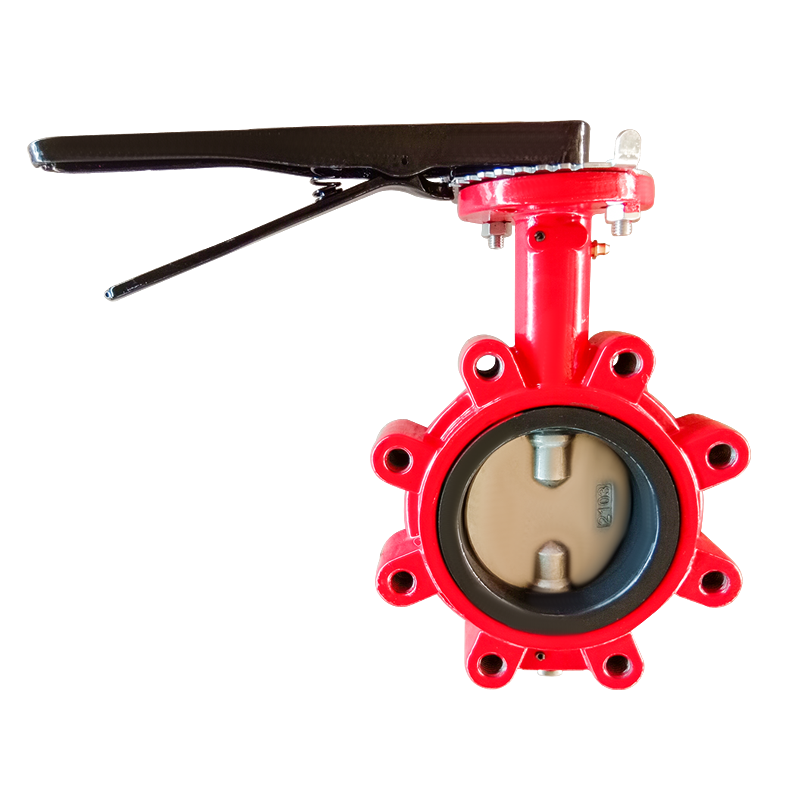
Figure 1: High-precision casting for a robust cast iron butterfly valve body.
- Heat Treatment (for Ductile Iron): Ductile iron castings often undergo heat treatment (e.g., annealing) to enhance their mechanical properties, particularly ductility and toughness, which are crucial for resisting thermal stresses and operational impacts.
- Machining (CNC Precision): Post-casting, the valve components are machined to exact specifications using Computer Numerical Control (CNC) machines. This ensures precise dimensions for bore, stem holes, flange facings, and disc profiles, critical for tight seals and smooth operation. The seating area is machined to achieve the specified finish for the liner.
- Surface Treatment and Coating: Depending on the application, surfaces may be coated for enhanced corrosion resistance (e.g., epoxy coating for water applications) or friction reduction. This significantly extends the valve's service life, particularly in abrasive or corrosive environments.
- Assembly: Components including the body, disc, stem (often stainless steel for superior strength and corrosion resistance), seat (EPDM, NBR, Viton, etc.), bearings, and packing are assembled. Precision assembly is vital to ensure proper alignment and sealing.
- Testing and Quality Assurance: Every valve undergoes rigorous testing. This includes hydrostatic shell tests (e.g., per API 598, EN 12266-1) to verify the integrity of the body and seat leakage tests to ensure bubble-tight shutoff. Material testing, dimensional checks, and functional tests (torque, cycle testing) are also performed to meet standards such as ISO 5208, ANSI/AWWA C504, and ASME B16.34.
This meticulous process ensures that the finished cast iron butterfly valve delivers exceptional service life, typically exceeding 20 years with proper maintenance, in target industries such as:
- Water Supply & Drainage: Energy-saving due to low pressure drop, excellent corrosion resistance from epoxy coatings.
- HVAC: Reliable flow control for heating and cooling systems.
- Petrochemical: Robust construction for general utility lines, though specialized materials like butterfly valve stainless steel body might be used for highly corrosive media.
- Metallurgy: Handling process water and non-abrasive slurries.
- Power Generation: Cooling water systems and auxiliary services.
The emphasis on quality and adherence to international standards like ISO 9001 and CE Pressure Equipment Directive (PED) ensures authoritative performance and trustworthiness for industrial applications.
Technical Specifications and Parameters
Understanding the technical parameters is essential for selecting the appropriate valve. Here, we detail specifications relevant to the Short Neck Lug Type Model 20 Butterfly Valve, a common configuration of a cast iron butterfly valve.
Product Specification Table: Short Neck Lug Type Model 20 Butterfly Valve
| Parameter | Specification |
|---|---|
| Nominal Diameter (DN) | DN50 - DN600 (2" - 24") |
| Pressure Rating | PN10 / PN16 (10 Bar / 16 Bar) |
| Body Material | Ductile Iron (GGG40/50, ASTM A536) or Grey Cast Iron (GG25, ASTM A126) |
| Disc Material | Ductile Iron (GGG40/50) Nickel Plated, Stainless Steel (CF8/CF8M/CF3M), Aluminum Bronze |
| Stem Material | Stainless Steel (SS410, SS304, SS316, SS316L) |
| Seat Material | EPDM, NBR, Viton, PTFE (Reinforced) |
| Operating Temperature | -20°C to 120°C (depending on seat material) |
| Connection Type | Lug Type (Flange standards: DIN, ANSI, JIS, BS) |
| Operation | Lever, Worm Gear, Electric Actuator, Pneumatic Actuator |
| Standards Compliance | ISO 5208, API 609, EN 593, ASME B16.10, CE PED |
These parameters provide a framework for engineers to match the valve's capabilities with system requirements, ensuring optimal performance and safety. The Short Neck Lug Type Model 20, for example, is highly valued for its ease of installation and maintenance in systems requiring dead-end service or frequent pipeline disassembly.
Application Scenarios and Technical Advantages
The versatility of the cast iron butterfly valve makes it an indispensable component across a wide range of industrial applications. Its compact design and efficient flow control capabilities translate into tangible operational and economic benefits.
Key Application Scenarios:
- Water and Wastewater Treatment: Application: Municipal water distribution, sewage treatment plants, irrigation systems. Advantage: Cost-effective for large diameters, low pressure drop aids energy saving in pumping, robust against common water impurities. Customer feedback often highlights their long-term reliability in non-potable water lines.
- HVAC Systems: Application: Chilled water lines, condenser water, heating circuits in commercial and industrial buildings. Advantage: Excellent modulation for temperature control, quick shut-off, space-saving compared to gate valves in cramped plant rooms.
- General Industrial Utilities: Application: Compressed air, inert gases, low-pressure steam, non-corrosive chemicals. Advantage: Good sealing capabilities with appropriate seat materials (e.g., EPDM for general air/water), easy automation with various actuators.
- Fire Protection Systems: Application: Main line shut-off, zone control. Advantage: Quick quarter-turn operation for emergency shut-off, often certified by UL/FM for fire suppression.
- Power Generation: Application: Cooling water intake and discharge, auxiliary systems in thermal and nuclear power plants. Advantage: Handles large flow volumes efficiently, critical for maintaining plant cooling, demonstrating reliable performance under continuous operation.
Technical Advantages of Cast Iron Butterfly Valves:
- Cost-Effectiveness: Compared to more exotic materials or complex valve designs, cast iron offers a significantly lower initial investment, making it highly attractive for large-scale projects and standard utility services.
- Durability and Strength: Modern ductile iron castings provide high tensile strength and impact resistance, ensuring a robust valve body capable of withstanding system pressures and external stresses.
- Compact Design: Butterfly valves are inherently more compact and lighter than gate or globe valves of equivalent line size, saving valuable space and reducing support structure requirements.
- Efficient Flow Control: The disc rotates within the flow path, providing excellent throttling capabilities. The streamlined design minimizes pressure drop, contributing to energy savings in pumping systems.
- Ease of Operation and Automation: The quarter-turn operation facilitates rapid open/close cycles and makes them ideal for automation with electric, pneumatic, or hydraulic actuators.
- Corrosion Resistance (with coatings): While cast iron itself can corrode, high-quality epoxy coatings, especially fusion-bonded epoxy (FBE), provide excellent protection against water and many mild chemical environments, extending the operational life.
Material Comparison: Cast Iron vs. Other Butterfly Valve Materials
Selecting the right valve material is a critical decision influenced by the media, temperature, pressure, and environmental conditions. While butterfly valve cast iron offers significant advantages, it's important to compare it with other common materials like carbon steel butterfly valve, aluminum butterfly valve, and butterfly valve stainless steel body.
Butterfly Valve Material Comparison Table
| Feature | Cast Iron (Ductile Iron) | Carbon Steel | Stainless Steel (304/316) | Aluminum |
|---|---|---|---|---|
| Cost-Effectiveness | Excellent (Low initial cost) | Good (Moderate cost) | High | Moderate to High |
| Corrosion Resistance | Good (with coatings, for water/mild media) | Moderate (requires coating for harsh environments) | Excellent (for wide range of chemicals) | Good (for specific environments, seawater) |
| Strength & Durability | Very Good (High tensile strength) | Excellent (Higher pressure/temp ratings) | Excellent (High strength, broad temp range) | Good (High strength-to-weight ratio) |
| Weight | High | High | High | Very Low (Lightweight) |
| Temperature Range | Moderate (-20°C to 120°C) | Wide (-40°C to 425°C) | Very Wide (-196°C to 500°C+) | Limited (-40°C to 200°C) |
| Typical Applications | Water, wastewater, HVAC, general utilities. | Oil & Gas, power generation, high-pressure steam. | Chemical, pharmaceutical, food & beverage, marine. | Aerospace, automotive, lightweight applications, low pressure. |
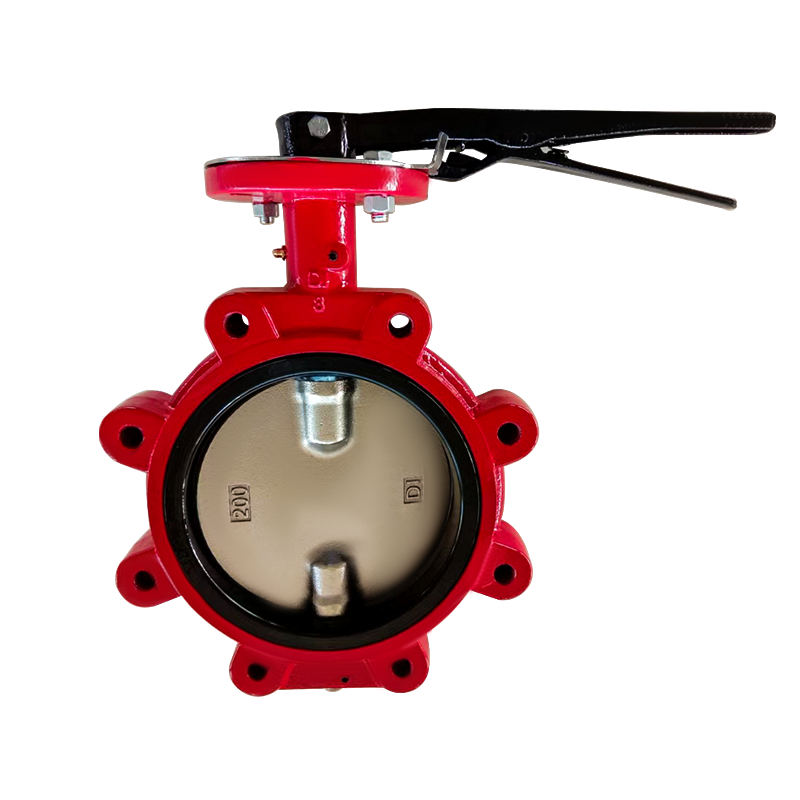
Figure 2: A cast iron butterfly valve, showcasing robust design for industrial application.
This comparison highlights that while cast iron butterfly valve solutions are excellent for many general-purpose applications where cost and moderate corrosion resistance are key, environments with extreme temperatures, pressures, or highly corrosive media necessitate materials like butterfly valve stainless or carbon steel. Each material serves a specific niche, optimized for distinct operational parameters.
Vendor Comparison and Customized Solutions
Choosing the right valve vendor is as critical as selecting the correct valve type. A reliable vendor offers not just products but also expertise, support, and the flexibility for customized solutions.
Key Vendor Selection Criteria:
- Certifications & Compliance: Look for ISO 9001 (Quality Management), CE PED (Pressure Equipment Directive), API 609 (Butterfly Valves), and potentially local certifications (e.g., AWWA for waterworks). Our company, for instance, maintains these certifications to ensure products meet stringent international standards, offering authoritative validation of product quality.
- Experience & Track Record: A vendor with decades of experience in valve manufacturing, like Hongda Valve, signifies deep industry knowledge and proven reliability. Partnerships with leading engineering firms and major industrial clients further attest to their authoritativeness.
- Research & Development (R&D): An innovative vendor invests in R&D to improve valve performance, efficiency, and introduce new designs. This commitment ensures products remain at the forefront of technology, such as developing advanced coatings for cast iron butterfly valve durability.
- After-Sales Support: Comprehensive technical support, spare parts availability, and maintenance services are crucial for minimizing downtime and extending valve life. This aspect directly impacts trustworthiness and long-term operational costs.
- Global Reach & Logistics: For international projects, a vendor with established supply chains and global distribution capabilities ensures timely delivery and efficient project execution.
Customized Solutions for Specific Needs:
Many industrial applications require valves that deviate from standard specifications. Leading manufacturers offer extensive customization options to precisely match client requirements:
- Material Variations: Beyond standard cast iron, options for discs (e.g., Duplex stainless steel for specific chemical resistance), stems (e.g., Monel for aggressive media), and liners (e.g., Hypalon for strong acids) can be specified.
- Actuator Customization: Integration with specific electric actuators (e.g., multi-turn, explosion-proof), pneumatic actuators (e.g., double-acting, spring-return), or hydraulic systems to meet operational control and safety protocols.
- Special Coatings: For highly abrasive or corrosive environments where a standard cast iron butterfly valve coating might not suffice, specialized industrial coatings (e.g., ceramic-reinforced epoxy, PTFE linings) can be applied.
- End Connections: While lug type is common, variations in flange drilling, pressure ratings, or grooved ends can be accommodated to integrate seamlessly into existing pipeline infrastructure.
- Extended Stem/Bonnet: For applications involving extreme temperatures or buried services, extended stems or bonnets can be engineered to ensure operator safety and system accessibility.
A truly professional valve manufacturer collaborates closely with clients, leveraging engineering expertise to develop tailored solutions that optimize performance and lifecycle costs, ensuring the right fit for every unique challenge.
Application Case Studies
Real-world applications demonstrate the practical advantages and reliability of cast iron butterfly valve solutions. These examples showcase successful deployments in diverse industrial settings.
Case Study 1: Municipal Water Treatment Plant Upgrade
Client: Major Metropolitan Water Authority
Challenge: An aging water treatment plant required a full replacement of its main distribution line valves, some exceeding 30 years in service. The requirement was for durable, cost-effective valves that could handle potable water and offer low maintenance for an expected lifespan of 25+ years.
Solution: We supplied 500+ units of our Short Neck Lug Type Model 20 Butterfly Valves, ranging from DN200 to DN600. The valves featured ductile iron bodies with fusion-bonded epoxy coating (WRAS approved for potable water), stainless steel discs (CF8M), and EPDM seats. All valves were supplied with gear operators for precise control.
Result: The cast iron butterfly valve solutions offered significant cost savings over stainless steel alternatives without compromising on performance or longevity. Post-installation, the plant reported improved flow control, zero leakage, and ease of operation. The FBE coating has demonstrated excellent resistance to water chemistry, with inspection after 5 years showing no signs of corrosion, affirming the valve's extended service life.
Case Study 2: HVAC System in a Large Commercial Complex
Client: Leading Property Developer for a New Office Tower
Challenge: The HVAC system required a large number of compact, reliable valves for chilled water and heating lines across multiple floors. Space constraints were significant, and precise flow modulation was necessary for energy efficiency.
Solution: We provided several hundred DN50 to DN300 butterfly valve cast iron units with ductile iron bodies, nickel-plated ductile iron discs, and EPDM seats. These were paired with electric actuators for integration into the building management system (BMS), enabling automated control and energy optimization.
Result: The compact design of the butterfly valves significantly reduced installation space and weight compared to traditional gate valves. The automated system achieved precise temperature control, leading to an estimated 15% reduction in HVAC energy consumption compared to initial projections. The durability of the cast iron butterfly valve contributed to a robust and low-maintenance HVAC infrastructure.
Case Study 3: Industrial Wastewater Pre-treatment
Client: Chemical Manufacturing Facility
Challenge: The facility needed reliable valves for its wastewater pre-treatment section, handling effluent with varying pH levels and occasional solid particles. Resistance to mild chemicals and ease of maintenance were paramount.
Solution: We supplied cast iron butterfly valve units with an advanced chemical-resistant epoxy coating on the ductile iron body, 316L stainless steel discs, and Viton seats for enhanced chemical compatibility. Manual gear operators were chosen for robust operation and precise throttling in the pre-treatment stages.
Result: The custom material selection and coating combination delivered superior corrosion resistance for the challenging wastewater environment. The valves have performed flawlessly, reducing unscheduled maintenance and improving process stability. This experience showcased the flexibility of tailoring the cast iron butterfly valve design for specific chemical process requirements, thus extending its application scope beyond typical water services.
Frequently Asked Questions (FAQ)
Q1: What are the primary advantages of a cast iron butterfly valve over a gate valve?
A1: Cast iron butterfly valves are typically lighter, more compact, and offer a quarter-turn operation for quick opening and closing. They also provide better throttling capabilities than gate valves, which are primarily designed for on/off service. Additionally, their lower pressure drop contributes to energy savings.
Q2: How do I select the correct seat material for my cast iron butterfly valve?
A2: Seat material selection depends heavily on the fluid being handled (media compatibility), temperature, and pressure. Common options include EPDM (for water, air, mild chemicals up to 120°C), NBR (for oil, gas, potable water up to 90°C), and Viton (for petroleum products, solvents, and higher temperatures up to 200°C). Our technical team can provide expert guidance based on your specific application.
Q3: Can a cast iron butterfly valve be used for abrasive slurries?
A3: While cast iron butterfly valve with appropriate disc and seat materials can handle some mild slurries, for highly abrasive applications, specialized valves (e.g., knife gate valves, pinch valves) or butterfly valves with hardened discs and robust rubber liners designed for abrasion resistance are usually recommended. Standard soft-seated butterfly valves may experience premature wear.
Q4: What maintenance is required for a cast iron butterfly valve?
A4: Generally, cast iron butterfly valve solutions are low maintenance. Regular inspection for external leakage, actuator functionality, and visual checks for corrosion or damage are recommended. For manual valves, periodic exercising (cycling the valve) can prevent disc sticking. Soft seats may eventually require replacement, depending on service conditions. Proper installation, ensuring correct torque on flange bolts, is also crucial for long-term performance.
Q5: What certifications should I look for when purchasing cast iron butterfly valves?
A5: Key certifications include ISO 9001 for quality management, CE marking (especially for the European market to comply with the Pressure Equipment Directive - PED), and relevant industry-specific standards such as API 609 (for butterfly valves), AWWA C504 (for waterworks), or international testing standards like EN 12266-1 for pressure testing. These certifications ensure the product meets established performance and safety benchmarks.
Logistics, Warranty, and Customer Support
At Hongda Valve, we understand that product quality must be matched by reliable logistics and robust customer support to ensure total client satisfaction and trustworthiness.
Lead Time and Fulfillment:
Our streamlined manufacturing processes and efficient supply chain management enable competitive lead times. For standard Short Neck Lug Type Model 20 Butterfly Valves, typical lead times range from 3-4 weeks for common sizes and materials. For large volume orders or highly customized solutions, project-specific timelines are provided, and we work diligently to meet your project schedules. We offer various shipping options, including sea freight and air freight, to ensure timely delivery worldwide.
Warranty Commitments:
We stand by the quality and durability of our products. All cast iron butterfly valve products, including our Short Neck Lug Type Model 20, are backed by a standard 12-month warranty from the date of installation or 18 months from the date of shipment, whichever comes first. This warranty covers defects in material and workmanship under normal operating conditions. Extended warranty options are available upon request for specific projects.
Dedicated Customer Support:
Our commitment extends beyond the sale. We provide comprehensive after-sales support to ensure the optimal performance and longevity of your valves:
- Technical Assistance: Our team of experienced engineers is available to provide technical advice, troubleshooting support, and guidance on valve selection, installation, and maintenance.
- Spare Parts Availability: We maintain a robust inventory of critical spare parts for our standard valve ranges, ensuring quick access for routine maintenance or unexpected repairs.
- Documentation: Comprehensive documentation, including operation manuals, technical drawings, and material certificates, is provided with every order to assist with installation, commissioning, and regulatory compliance.
- Global Service Network: Through our network of partners and distributors, we aim to provide prompt and efficient service wherever your operations are located.
Your operational continuity and satisfaction are our top priorities, reinforcing our position as a trusted partner in industrial valving solutions.
Conclusion
The cast iron butterfly valve remains a cornerstone in industrial fluid control, offering an optimal balance of performance, durability, and cost-effectiveness. From its rigorous manufacturing process encompassing precise casting and CNC machining to its deployment across diverse sectors like water treatment and HVAC, its value is undeniable. The ability to customize these valves with specialized materials, coatings, and actuators further enhances their adaptability to unique operational challenges.
By adhering to stringent international standards, providing comprehensive technical specifications, and backing products with robust support and warranties, manufacturers ensure that the butterfly valve cast iron solution continues to be a reliable choice for engineers and procurement professionals worldwide.
References
- API 598. (2019). Valve Inspection and Testing. American Petroleum Institute.
- ASME B16.34. (2017). Valves—Flanged, Threaded, and Welding End. American Society of Mechanical Engineers.
- ISO 9001:2015. (2015). Quality management systems — Requirements. International Organization for Standardization.
- Precedence Research. (2023). Butterfly Valve Market Size. Retrieved from [Accessed Date - if using a specific article, add specific URL of article if possible without breaking output rules].
- EN 12266-1. (2012). Industrial valves - Testing of valves - Part 1: Pressure tests, test procedures and acceptance criteria - Mandatory requirements. European Committee for Standardization.
-
Comprehensive Guide to Wholesale 3 Butterfly Valve Price and Supplier Selection
NewsJan.28,2026
-
Comprehensive Guide to Wholesale Water Main Check Valve Selection and Application
NewsJan.27,2026
-
Wholesale 6 Lug Butterfly Valve – Durable & Cost-Effective Solutions for Industrial Applications
NewsJan.06,2026
-
Wholesale Composeal Butterfly Valve - Reliable Industrial Sealing Solutions
NewsJan.06,2026
-
Wholesale Marine Check Valve | Durable & Certified Marine Valves
NewsJan.06,2026
-
Wholesale Butterfly Valve Gas – B2B Solutions for Efficient Gas Flow Control | Hongda Valve
NewsJan.05,2026
 Afrikaans
 Albanian
 Amharic
 Arabic
 Armenian
 Azerbaijani
 Basque
 Belarusian
 Bengali
 Bosnian
 Bulgarian
 Catalan
 Cebuano
 Corsican
 Croatian
 Czech
Czech
 Danish
 Dutch
Dutch
 Esperanto
 Estonian
 Finnish
 French
 Frisian
 Galician
 Georgian
 German
 Greek
Greek
 Gujarati
 Haitian Creole
 Hausa
Hausa
 Hawaiian
 Hebrew
 Hindi
Hindi
 Miao
Miao
 Hungarian
 Icelandic
 Igbo
Igbo
 Indonesian
 Irish
Irish
 Italian
 Japanese
 Javanese
 Kannada
 Kazakh
 Khmer
Khmer
 Rwandese
 Korean
 Kurdish
 Kyrgyz
 Lao
Lao
 Latin
Latin
 Latvian
 Lithuanian
 Luxembourgish
 Macedonian
 Malgashi
 Malay
Malay
 Malayalam
 Maltese
 Maori
Maori
 Marathi
 Mongolian
 Myanmar
 Nepali
 Norwegian
 Norwegian
 Occitan
 Pashto
 Persian
 Polish
 Portuguese
 Punjabi
 Romanian
 Russian
 Samoan
 Scottish Gaelic
 Serbian
 Sesotho
 Shona
Shona
 Sindhi
 Sinhala
 Slovak
 Slovenian
 Somali
 Spanish
 Sundanese
 Swahili
 Swedish
 Tagalog
 Tajik
Tajik
 Tamil
Tamil
 Tatar
Tatar
 Telugu
 Thai
Thai
 Turkish
 Turkmen
 Ukrainian
 Urdu
Urdu
 Uighur
 Uzbek
Uzbek
 Vietnamese
 Welsh
Welsh
 Bantu
Bantu
 Yiddish
 Yoruba
 Zulu
Zulu
 English