
- Call Us
- +8618633052223
- njhdvlz@163.com
Oct . 14, 2025 09:45 Back to list
2 Inch Butterfly Valve: Durable, Leak-Tight, Fast Delivery
Field Notes on a Workhorse: the 2 inch butterfly valve that plants keep rebuying
A quick confession: I didn’t expect to spend this much time comparing wafer bodies and seat materials. But the Series F101 U-Section Wafer Type from Hongda turned up repeatedly in my notes—HVAC contractors, a bottled-water line supervisor, even a brewery in Hebei—so I went back to the shop floor to see why. In short, it’s a practical piece of kit, not flashy, and that’s kind of the point.
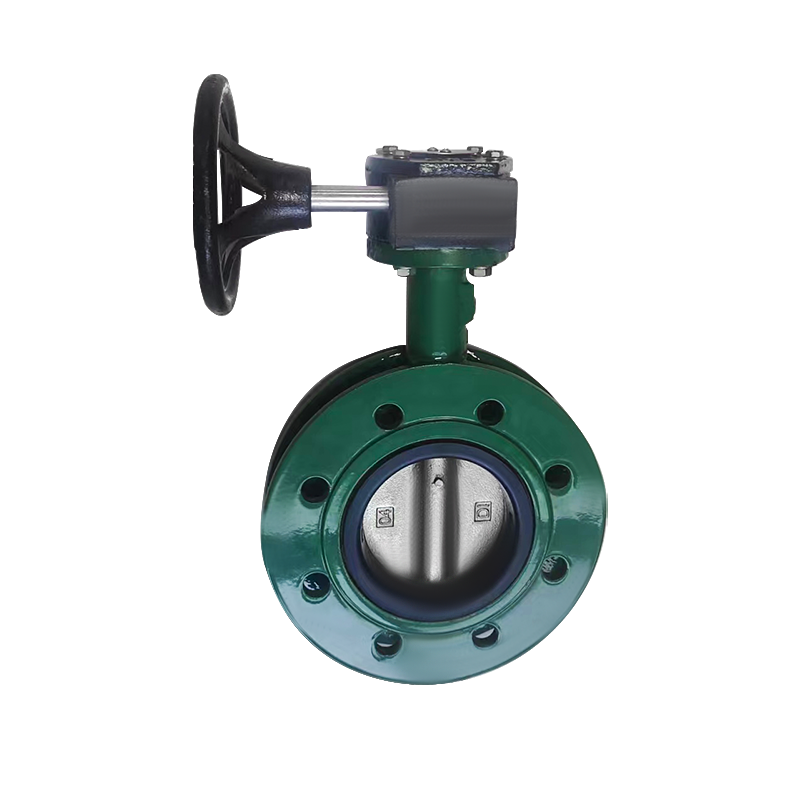
What it is and why it matters
Hongda’s Series F101 is a wafer and U-section wafer butterfly valve designed to comply with MSS SP-67, BS 5155, and API 609. It mates up with GB, ANSI, DIN, BS, and JIS flanges—handy when your skid is a standards mash-up. Sizes run from 1½″ to 48″; we’re zeroing in on the 2 inch butterfly valve because that’s where maintenance teams tell me uptime and price sensitivity collide. Origin, for those who care about logistics: Development area of Huanmadian, NingJin county, Hebei province, China.
Spec snapshot (2″, real-world use may vary)
| Nominal size | 2 in (DN50) |
| Body | Ductile iron (≈ EN-GJS-400-15), fusion-bonded epoxy ≈ 250 μm |
| Disc / Shaft | SS316 disc (or coated DI option) / SS410 or SS316 shaft |
| Seat options | EPDM (water/HVAC), NBR (oils), PTFE (chemical) |
| Pressure rating | PN16 / Class 150 (shell test ≈ 1.5×, seat ≈ 1.1× per ISO 5208/API 598) |
| Temperature window | EPDM ≈ -20 to +120 °C; PTFE up to ≈ +180 °C (check media compatibility) |
| Face-to-face | API 609 Category A, wafer/U-section |
| Torque (clean water) | ≈ 12–18 N·m initial breakaway |
| Flow coefficient (Cv) | ≈ 160 (disc at full open) |
| Weight | ≈ 2–3 kg (lever-operated) |
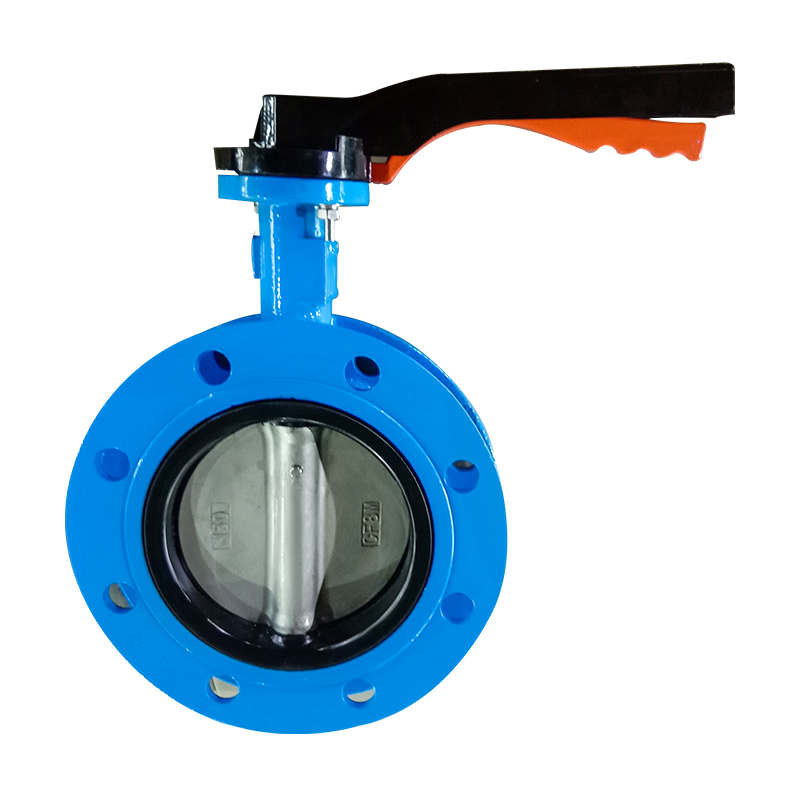
Process, testing, and service life
Materials are machined on CNC centers; elastomer seats are molded and interference-fitted. Bodies are shot-blasted, coated, then assembled with set torque. Each valve typically undergoes hydrostatic shell and seat tests per ISO 5208 or API 598; I’ve seen test benches run at 1.5× PN for shells and 110% for seats—bubble tight is the expectation for soft seats. In benign service (clean water), plants report 50k–100k cycles before seat swap; abrasive slurries, obviously, shorten that.
Where a 2 inch butterfly valve shines
- HVAC and chilled water loops (quick shutoff, compact build).
- Water and wastewater skids; pre-treatment on RO trains.
- Food & beverage transfer (go PTFE seat if cleaning chemicals get spicy).
- General chemical and compressed air lines (check media chart first).
Trend-wise, modular skids and decarbonization retrofits want lighter, shorter face-to-face hardware. This is where a U-section wafer body, to be honest, just makes installation less painful.
Vendor snapshot (what buyers actually compare)
| Vendor | Compliance | Price | Lead time | Customization | Notes |
|---|---|---|---|---|---|
| Hongda Series F101 | MSS SP-67, BS 5155, API 609 (designed to comply) | $ (economical) | ≈ 2–4 weeks | Seat/disc options, coating, handles/gear | Good for mixed-standard flanges |
| Global Brand A | Broad portfolio, third-party certs available | $$$ | 1–2 weeks (stocked) | Wide actuator ecosystem | Premium channel support |
| Regional Supplier B | Meets common plant specs | $$ | ≈ 3–6 weeks | Some customization | Variable QA; verify lot tests |
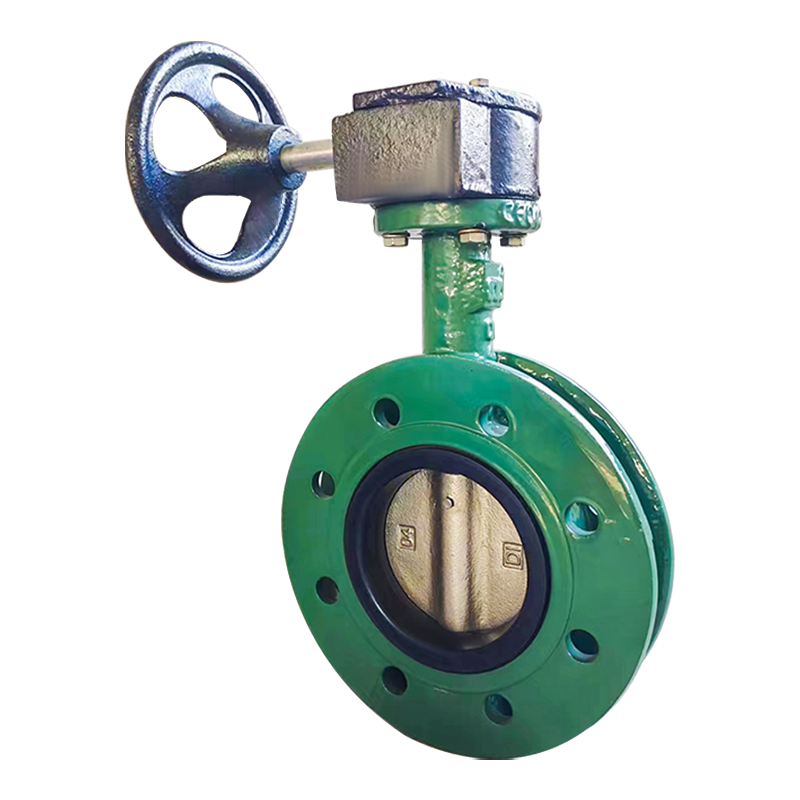
Customization and feedback
Options that matter: EPDM vs PTFE seats, SS316 discs for corrosion, lever vs gear vs ISO 5211 direct-mount actuators, and color-coded epoxy for plant zones. Many customers say the lever lock feels “reassuring, not sloppy,” which, surprisingly, influences operator trust more than spec sheets.
A quick case
A craft brewery swapped gate valves for a 2 inch butterfly valve on a CIP return. Result: close time fell from ~40 s to ~8 s, fewer stem leaks, and easier sanitation at 82 °C (EPDM seat). After six months, they reported zero external leakage and predictable torque—good enough that they standardized on the model across their hot and cold water loops.
Bottom line: if you need a compact, standards-friendly 2 inch butterfly valve with sensible options and straightforward testing lineage, the F101 U-section wafer is a pragmatic pick.
Authoritative references
- MSS SP-67: Butterfly Valves
- API 609: Butterfly Valves — Category A
- BS 5155: Specification for butterfly valves
- ISO 5208 / API 598: Pressure testing of valves
-
Comprehensive Guide to Wholesale 3 Butterfly Valve Price and Supplier Selection
NewsJan.28,2026
-
Comprehensive Guide to Wholesale Water Main Check Valve Selection and Application
NewsJan.27,2026
-
Wholesale 6 Lug Butterfly Valve – Durable & Cost-Effective Solutions for Industrial Applications
NewsJan.06,2026
-
Wholesale Composeal Butterfly Valve - Reliable Industrial Sealing Solutions
NewsJan.06,2026
-
Wholesale Marine Check Valve | Durable & Certified Marine Valves
NewsJan.06,2026
-
Wholesale Butterfly Valve Gas – B2B Solutions for Efficient Gas Flow Control | Hongda Valve
NewsJan.05,2026
 Afrikaans
 Albanian
 Amharic
 Arabic
 Armenian
 Azerbaijani
 Basque
 Belarusian
 Bengali
 Bosnian
 Bulgarian
 Catalan
 Cebuano
 Corsican
 Croatian
 Czech
Czech
 Danish
 Dutch
Dutch
 Esperanto
 Estonian
 Finnish
 French
 Frisian
 Galician
 Georgian
 German
 Greek
Greek
 Gujarati
 Haitian Creole
 Hausa
Hausa
 Hawaiian
 Hebrew
 Hindi
Hindi
 Miao
Miao
 Hungarian
 Icelandic
 Igbo
Igbo
 Indonesian
 Irish
Irish
 Italian
 Japanese
 Javanese
 Kannada
 Kazakh
 Khmer
Khmer
 Rwandese
 Korean
 Kurdish
 Kyrgyz
 Lao
Lao
 Latin
Latin
 Latvian
 Lithuanian
 Luxembourgish
 Macedonian
 Malgashi
 Malay
Malay
 Malayalam
 Maltese
 Maori
Maori
 Marathi
 Mongolian
 Myanmar
 Nepali
 Norwegian
 Norwegian
 Occitan
 Pashto
 Persian
 Polish
 Portuguese
 Punjabi
 Romanian
 Russian
 Samoan
 Scottish Gaelic
 Serbian
 Sesotho
 Shona
Shona
 Sindhi
 Sinhala
 Slovak
 Slovenian
 Somali
 Spanish
 Sundanese
 Swahili
 Swedish
 Tagalog
 Tajik
Tajik
 Tamil
Tamil
 Tatar
Tatar
 Telugu
 Thai
Thai
 Turkish
 Turkmen
 Ukrainian
 Urdu
Urdu
 Uighur
 Uzbek
Uzbek
 Vietnamese
 Welsh
Welsh
 Bantu
Bantu
 Yiddish
 Yoruba
 Zulu
Zulu
 English