
- Call Us
- +8618633052223
- njhdvlz@163.com
Oct . 13, 2025 12:30 Back to list
high quality wafer check valve suppliers – OEM & Fast Ship
Finding high quality wafer check valve suppliers isn’t just about price lists and glossy brochures. It’s about the metal, the machining, the quiet discipline of test benches, and—if you ask maintenance teams—the support that shows up when a line won’t start. I’ve toured a handful of shops from Hebei to Houston, and to be honest, the leaders all get the same fundamentals right: standards, repeatability, and short feedback loops between engineering and the shop floor.
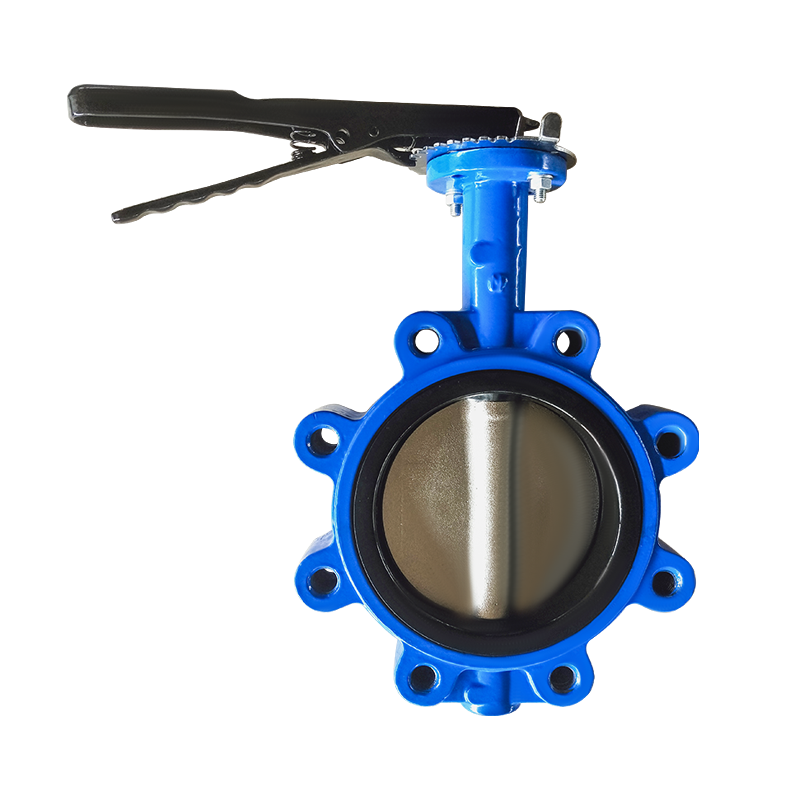
What’s trending in wafer check valves
Two themes keep coming up: lower pressure drop and better corrosion packages. Dual-plate wafer designs with streamlined discs are edging out chunky swing checks because pump energy is expensive (still). And on materials, it’s not just 316 anymore—duplex and even super duplex are showing up in desalination and produced water. Also, I guess it’s no surprise that more buyers are asking for API 598 test reports bundled with MTRs by heat lot, not just a generic “passed” stamp.
Technical snapshot: wafer check valve basics
| Parameter | Typical Value/Range (≈, real-world use may vary) |
|---|---|
| Size Range | DN50–DN600 (2″–24″) |
| Body/Disc Materials | WCB, CF8/CF8M, Duplex 2205; discs often CF8M or duplex |
| Spring | Stainless 316 or Inconel X-750 for high temp/corrosion |
| Pressure Class | PN10–PN40, Class 150/300 |
| Face-to-Face / Design | API 594, EN 558; wafer dual-plate or single-plate swing |
| Leakage / Tests | ISO 5208 Rate A/B; API 598 seat and shell tests |
| Cracking Pressure | ≈ 0.2–0.5 bar depending on size/spring |
| Service Life | Lab-tested up to ≈ 250k cycles; field life depends on media/velocity |
Process flow (what good suppliers actually do)
- Materials: ASTM A216/A351 bodies and discs; documented heat numbers and PMI on stainless.
- Methods: CNC machining of hinge pins/seat rings; flatness checks of wafer faces for proper gasket compression.
- Heat treatment: solution anneal for austenitics; verified hardness on springs.
- Testing: API 598 shell 1.5× rating, seat 1.1×; ISO 5208 leak class; visual per MSS SP-55.
- Documentation: EN 10204 3.1 MTRs, torque/cracking pressure curves, serialized traceability.
Why I’m looking at Hebei
There’s a cluster in NingJin county, Hebei, with surprisingly modern cells. One example is the Series F170 butterfly line (yes, butterfly—bear with me) produced in the development area of Huanmadian. The reason I bring it up: the same discipline that yields tight-tolerance butterfly valves often translates into reliable wafer checks on the next line over.
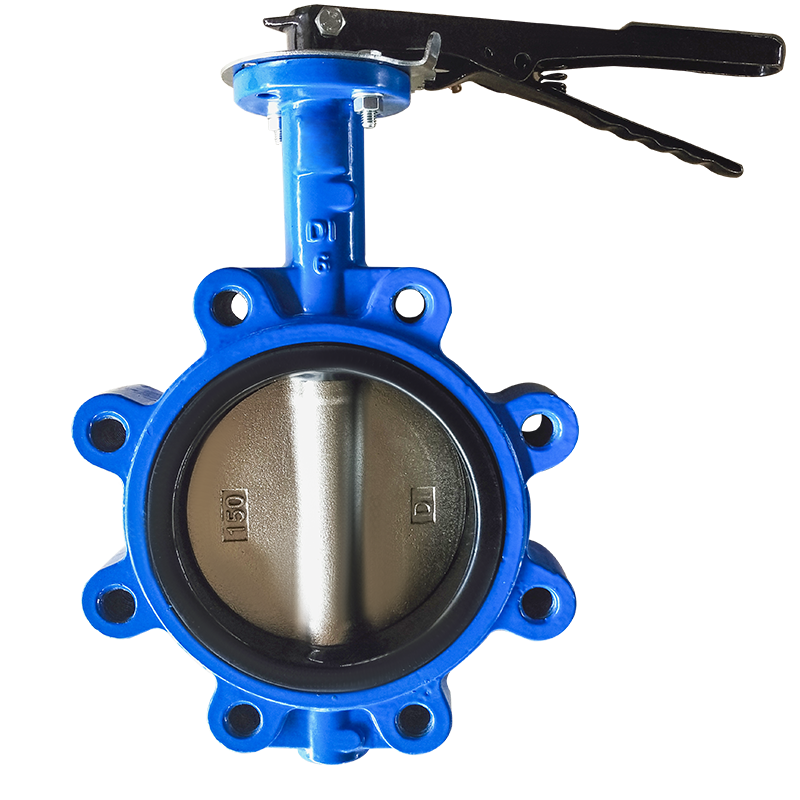
Series F170 snapshot (indicative of factory capability)
| Standards | MSS SP-67, BS 5155, API 609 |
| Sizes | 1½″ to 24″ |
| Body Types | Wafer and Lug |
| Flange Compatibility | GB, ANSI, DIN, BS, JIS |
| Design Note | One-piece thru shaft for dependability |
Vendor comparison (shortlist)
| Vendor | Core Strength | Certs | Lead Time | Customization |
|---|---|---|---|---|
| Supplier H (Hebei) | API 598 test discipline; strong 2″–24″ wafer/dual-plate range | ISO 9001, CE/PED; optional WRAS/NSF for water | ≈ 3–5 weeks | Seats, springs, NACE MR0175, special coatings |
| Supplier D (US) | High-cycle designs; strong documentation | ISO 9001, API Q1 | Stock on common sizes | Expedited testing, special alloys |
| Supplier E (EU) | Low ΔP designs; Duplex mainstream | ISO 9001/14001, PED | ≈ 4–7 weeks | ATEX marking on request |
Applications and real-world notes
Where they shine: pump discharge on chilled water, desalination RO skids, boiler feed lines, chemical transfer, and even slurry with hardfacing. Many customers say the big wins are reduced water hammer and fewer unplanned outages. I’ve seen dual-plate checks cut transient spikes by ≈ 30–40% versus flanged swing checks, which maintenance folks notice.
Customization checklist
- Springs: standard vs. low-cracking for VFD pumps.
- Materials: CF8M or duplex for chlorides; NACE MR0175 for sour service.
- Coatings: FBE or epoxy for seawater; HVOF on seat rings for abrasion.
- Docs: hydro seat/shell charts, PMI photos, 3.1 MTRs, torque and ΔP curves.
Bottom line: shortlist high quality wafer check valve suppliers that publish real test data, can talk through API 594 details without reaching for a script, and won’t flinch when you ask for special springs. The rest—honestly—falls into place.
Authoritative citations
- API 594: Check Valves—Flanged, Lug, and Wafer
- API 598: Valve Inspection and Testing
- ISO 5208: Industrial valves—Pressure testing
- API 609: Butterfly Valves—Double-flanged, Lug- and Wafer-type
- MSS SP-67: Butterfly Valves
- EN 558: Industrial valves—Face-to-face and centre-to-face dimensions
- NSF/ANSI/CAN 61: Drinking Water System Components—Health Effects
- WRAS Approval Requirements for Non-Metallic Materials
-
Comprehensive Guide to Wholesale 3 Butterfly Valve Price and Supplier Selection
NewsJan.28,2026
-
Comprehensive Guide to Wholesale Water Main Check Valve Selection and Application
NewsJan.27,2026
-
Wholesale 6 Lug Butterfly Valve – Durable & Cost-Effective Solutions for Industrial Applications
NewsJan.06,2026
-
Wholesale Composeal Butterfly Valve - Reliable Industrial Sealing Solutions
NewsJan.06,2026
-
Wholesale Marine Check Valve | Durable & Certified Marine Valves
NewsJan.06,2026
-
Wholesale Butterfly Valve Gas – B2B Solutions for Efficient Gas Flow Control | Hongda Valve
NewsJan.05,2026
 Afrikaans
 Albanian
 Amharic
 Arabic
 Armenian
 Azerbaijani
 Basque
 Belarusian
 Bengali
 Bosnian
 Bulgarian
 Catalan
 Cebuano
 Corsican
 Croatian
 Czech
Czech
 Danish
 Dutch
Dutch
 Esperanto
 Estonian
 Finnish
 French
 Frisian
 Galician
 Georgian
 German
 Greek
Greek
 Gujarati
 Haitian Creole
 Hausa
Hausa
 Hawaiian
 Hebrew
 Hindi
Hindi
 Miao
Miao
 Hungarian
 Icelandic
 Igbo
Igbo
 Indonesian
 Irish
Irish
 Italian
 Japanese
 Javanese
 Kannada
 Kazakh
 Khmer
Khmer
 Rwandese
 Korean
 Kurdish
 Kyrgyz
 Lao
Lao
 Latin
Latin
 Latvian
 Lithuanian
 Luxembourgish
 Macedonian
 Malgashi
 Malay
Malay
 Malayalam
 Maltese
 Maori
Maori
 Marathi
 Mongolian
 Myanmar
 Nepali
 Norwegian
 Norwegian
 Occitan
 Pashto
 Persian
 Polish
 Portuguese
 Punjabi
 Romanian
 Russian
 Samoan
 Scottish Gaelic
 Serbian
 Sesotho
 Shona
Shona
 Sindhi
 Sinhala
 Slovak
 Slovenian
 Somali
 Spanish
 Sundanese
 Swahili
 Swedish
 Tagalog
 Tajik
Tajik
 Tamil
Tamil
 Tatar
Tatar
 Telugu
 Thai
Thai
 Turkish
 Turkmen
 Ukrainian
 Urdu
Urdu
 Uighur
 Uzbek
Uzbek
 Vietnamese
 Welsh
Welsh
 Bantu
Bantu
 Yiddish
 Yoruba
 Zulu
Zulu
 English