
- Call Us
- +8618633052223
- njhdvlz@163.com
The global demand for robust and reliable fluid control solutions is ever-increasing, driven by expanding infrastructure projects, stringent safety regulations, and the need for efficient process management. Within this landscape, the wholesale wafer check valve 4 inch stands as a critical component in a wide array of applications. Its purpose is to prevent backflow in piping systems, safeguarding equipment and ensuring the integrity of fluid flow. Understanding its design, materials, and applications is paramount for engineers, procurement specialists, and anyone involved in fluid handling systems.
The significance of a high-quality wholesale wafer check valve 4 inch extends beyond mere functionality. It directly impacts operational efficiency, reduces maintenance costs, and minimizes the risk of costly downtime. The valve’s ability to reliably prevent reverse flow protects pumps, compressors, and other sensitive equipment from damage, contributing to extended lifespan and reduced lifecycle costs. Choosing the right valve, considering factors like material compatibility and pressure ratings, is therefore crucial.
This component plays a pivotal role in maintaining the safety and efficiency of countless industrial processes, from water treatment facilities to oil and gas pipelines. A properly selected and maintained wholesale wafer check valve 4 inch is an investment in the long-term reliability and cost-effectiveness of any fluid handling system.
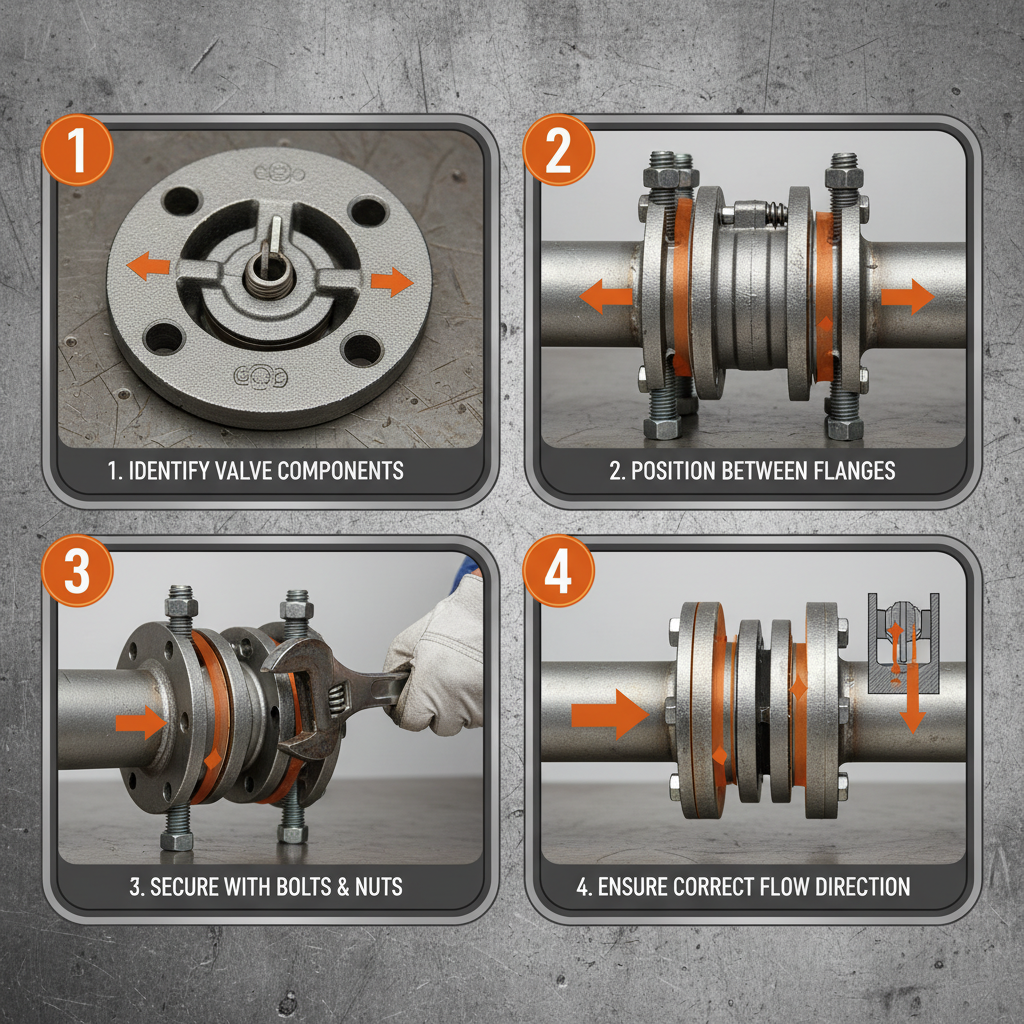
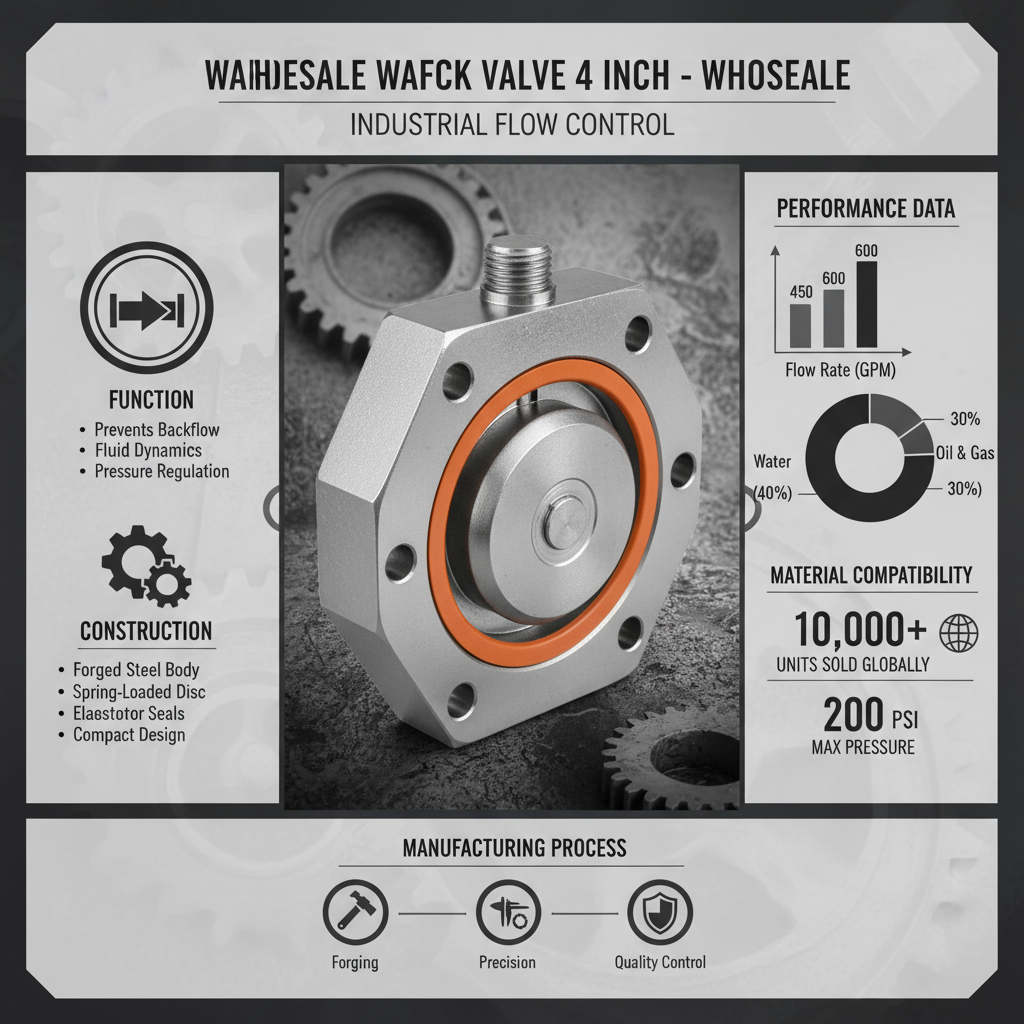
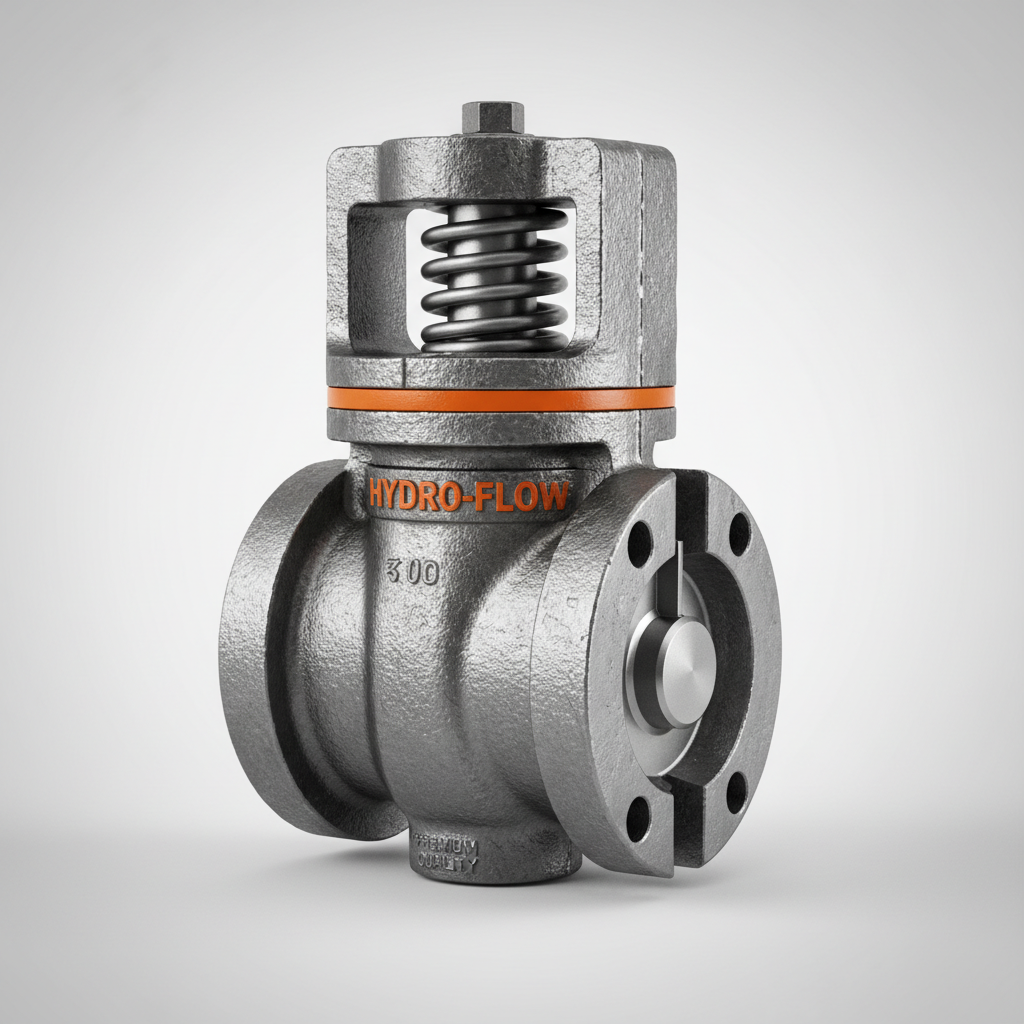
At its core, a wholesale wafer check valve 4 inch is a mechanical device designed to allow fluid flow in only one direction. This is achieved through a disc or clapper mechanism that automatically opens with forward flow and closes to prevent backflow. The “wafer” designation refers to the valve’s mounting style, meaning it’s designed to be sandwiched between two flanges in a piping system, providing a compact and efficient installation.
These valves are indispensable in protecting equipment and systems from damage caused by reverse fluid flow. Without this protection, pumps could experience cavitation, compressors could be overloaded, and process integrity could be compromised, leading to costly repairs and downtime.
The lifespan of a 4-inch wafer check valve varies depending on operating conditions and materials. However, with proper maintenance and suitable material selection, a well-constructed valve can reliably operate for 10-20 years or even longer. Factors like fluid corrosivity, pressure fluctuations, and frequency of operation all play a role. Regular inspections and preventative maintenance are crucial for maximizing valve lifespan.
Wholesale wafer check valves in a 4-inch size are commonly available in pressure ratings ranging from PN6 to PN20 (approximately 87 psi to 290 psi). Higher pressure ratings may be available upon request for specialized applications. The appropriate pressure rating should be selected based on the maximum operating pressure of the piping system to ensure safe and reliable operation.
Material selection is critical for ensuring compatibility with the fluid being handled. For corrosive fluids, stainless steel alloys (316, 304L) or specialized polymers are recommended. For high-temperature applications, materials with good thermal stability are essential. Consider factors like pH, chemical concentration, and operating temperature when selecting the appropriate material.
Regular maintenance is essential for maintaining valve performance. This includes periodic inspections for signs of wear, corrosion, or leakage. Lubrication of moving parts may be required, depending on the valve design. It’s also important to check the tightness of bolts and flanges and ensure proper operation of the disc mechanism. Following the manufacturer's recommendations is vital.
Look for valves that comply with relevant industry standards such as ISO 14383, API 598, and ASME Section VIII Div. 1. These certifications demonstrate that the valve has been tested and meets specific performance and safety requirements. Ensure the valve manufacturer has a robust quality control system in place.
Wafer check valves generally offer a cost-effective solution compared to some other types like swing or ball check valves, particularly in larger sizes. Their lightweight design and simple installation process – requiring only two flange connections – contribute to lower installation costs. However, specialized applications might necessitate a different type of check valve for optimal performance.
In conclusion, the wholesale wafer check valve 4 inch is a fundamental component in modern fluid handling systems, offering reliable backflow prevention, enhanced operational efficiency, and long-term cost savings. Understanding its design principles, material options, and performance characteristics is crucial for engineers, procurement professionals, and anyone involved in maintaining the integrity of fluid processes.
As technology continues to advance, we can expect further innovations in check valve design, incorporating smart features and sustainable materials. By staying informed about these developments and prioritizing quality and reliability, we can ensure the continued safe and efficient operation of critical infrastructure worldwide. For optimal valve selection and expert guidance, visit our website: www.hongdavalve.com

 Afrikaans
 Albanian
 Amharic
 Arabic
 Armenian
 Azerbaijani
 Basque
 Belarusian
 Bengali
 Bosnian
 Bulgarian
 Catalan
 Cebuano
 Corsican
 Croatian
 Czech
Czech
 Danish
 Dutch
Dutch
 Esperanto
 Estonian
 Finnish
 French
 Frisian
 Galician
 Georgian
 German
 Greek
Greek
 Gujarati
 Haitian Creole
 Hausa
Hausa
 Hawaiian
 Hebrew
 Hindi
Hindi
 Miao
Miao
 Hungarian
 Icelandic
 Igbo
Igbo
 Indonesian
 Irish
Irish
 Italian
 Japanese
 Javanese
 Kannada
 Kazakh
 Khmer
Khmer
 Rwandese
 Korean
 Kurdish
 Kyrgyz
 Lao
Lao
 Latin
Latin
 Latvian
 Lithuanian
 Luxembourgish
 Macedonian
 Malgashi
 Malay
Malay
 Malayalam
 Maltese
 Maori
Maori
 Marathi
 Mongolian
 Myanmar
 Nepali
 Norwegian
 Norwegian
 Occitan
 Pashto
 Persian
 Polish
 Portuguese
 Punjabi
 Romanian
 Russian
 Samoan
 Scottish Gaelic
 Serbian
 Sesotho
 Shona
Shona
 Sindhi
 Sinhala
 Slovak
 Slovenian
 Somali
 Spanish
 Sundanese
 Swahili
 Swedish
 Tagalog
 Tajik
Tajik
 Tamil
Tamil
 Tatar
Tatar
 Telugu
 Thai
Thai
 Turkish
 Turkmen
 Ukrainian
 Urdu
Urdu
 Uighur
 Uzbek
Uzbek
 Vietnamese
 Welsh
Welsh
 Bantu
Bantu
 Yiddish
 Yoruba
 Zulu
Zulu
 English