- Call Us
- +8618633052223
- njhdvlz@163.com
Look, I’ve spent the last twenty years on construction sites, hands dirty, watching things go right and, more often, watching them go wrong. And one thing that consistently causes headaches – and real delays – is fluid handling. Specifically, dealing with systems where you've got different materials flowing through them. That's where wholesale dissimilar type check valve become crucial. They aren't glamorous, but they're the unsung heroes keeping projects moving, preventing backflow and contamination in systems where you’re mixing, say, a corrosive chemical with a standard water supply. It’s about efficiency, safety, and avoiding costly rework.
We're talking about everything from large-scale industrial plants to smaller commercial builds, and even increasingly in environmental remediation projects. The demand for reliable, specialized valves like these is only going up. Global infrastructure spending is booming, and regulations around water quality and process safety are getting tighter. The key isn’t just having a check valve, it’s having the right check valve – one designed to handle the specific chemical and mechanical stresses of the application.
What I've seen time and time again is that trying to cut corners on this part of the system ends up costing far more in the long run. It’s not an area where you want to be buying the cheapest option. You need something built to last, with materials that won't degrade or fail prematurely. That’s why understanding wholesale dissimilar type check valve isn't just a technical detail; it's about understanding the entire lifecycle cost of a project.
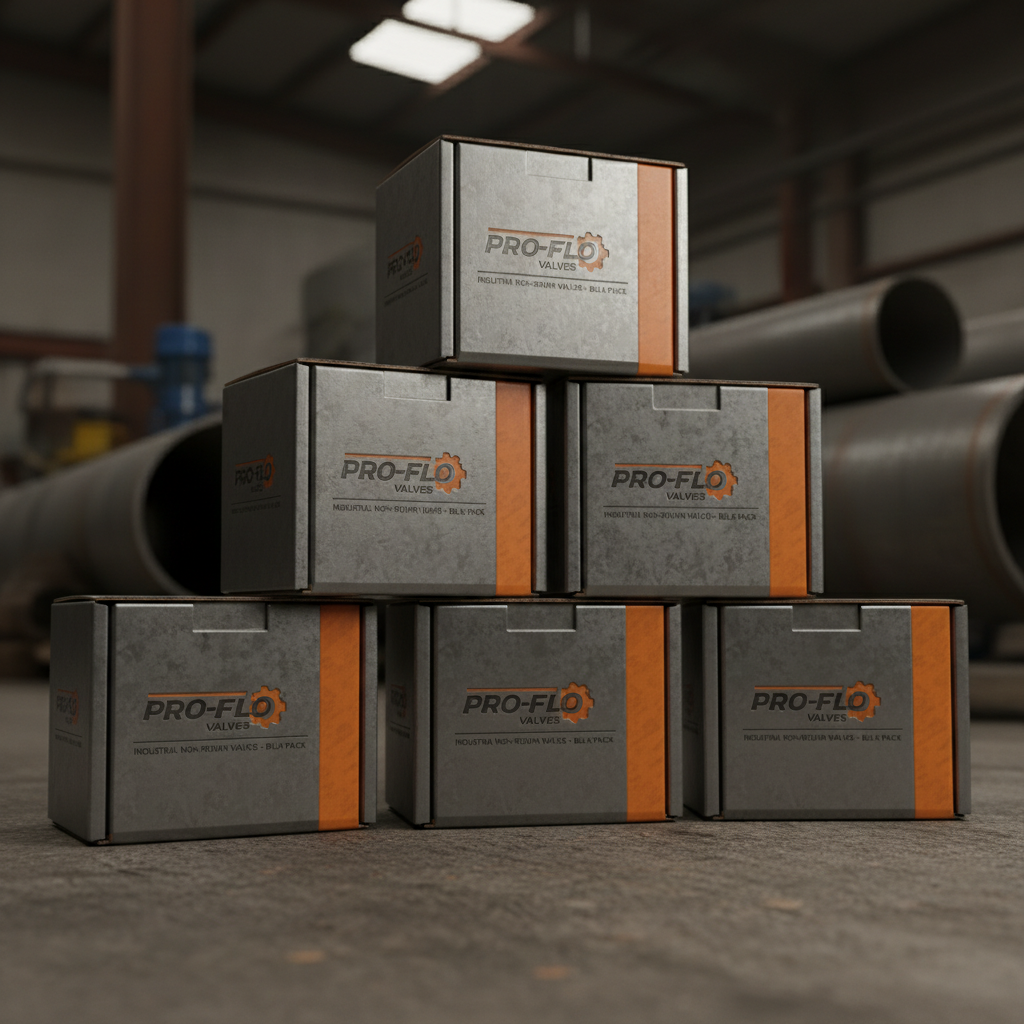
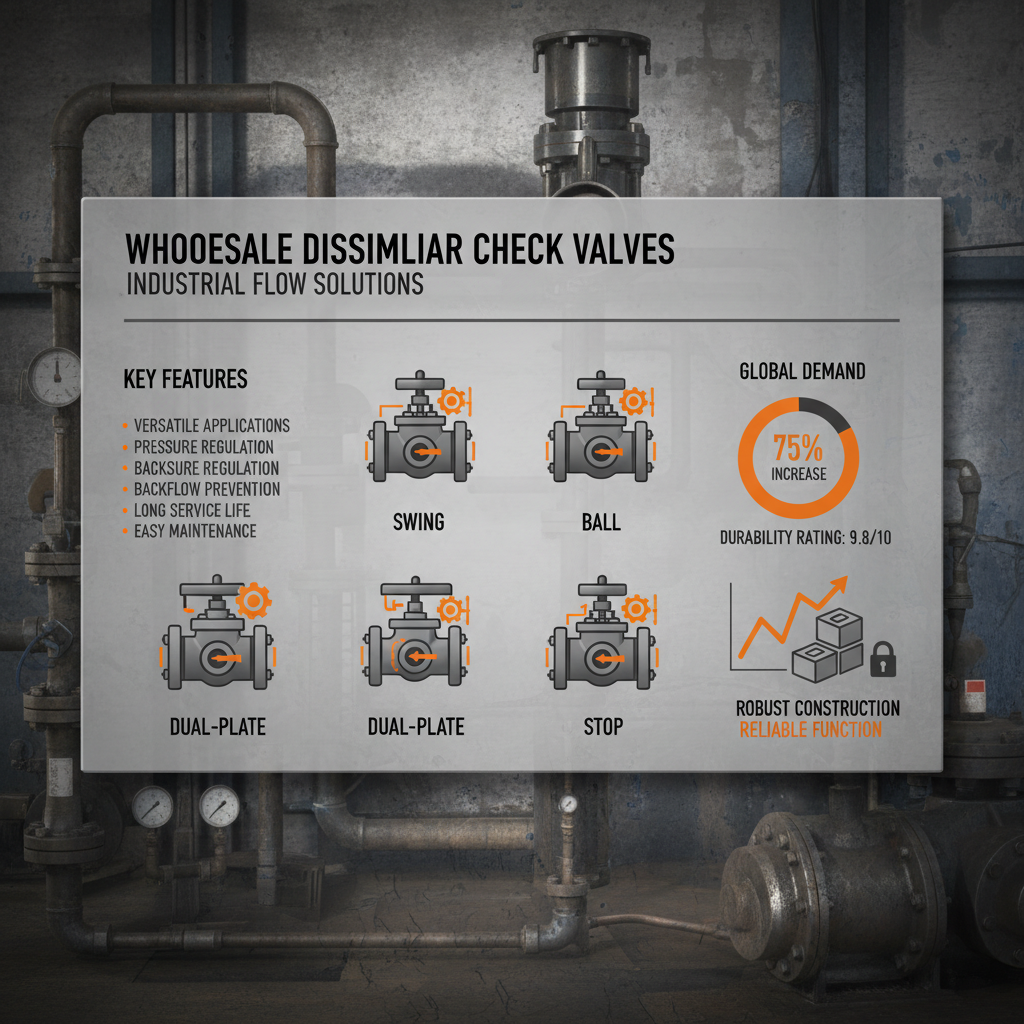
You've got systems where you absolutely cannot have backflow – mixing potable water with industrial waste, for example. That’s a compliance nightmare, and a serious health risk. Wholesale dissimilar type check valve are designed to prevent that, particularly when dealing with fluids that have different chemical compositions or are potentially corrosive. They're a critical component of any system designed to maintain fluid purity and prevent contamination.
The scale of demand is huge. Think about the water treatment facilities being built globally, the chemical processing plants expanding to meet growing demands, and even the increasing focus on resource recovery and recycling. All of these require robust, reliable check valves, and increasingly, those valves need to be specifically engineered for dissimilar materials.
Honestly, it’s not understanding the fluid. They focus on the pressure and flow, but forget to analyze the chemical composition. You need to know what you're dealing with – pH levels, concentration of corrosive elements, and potential for scaling or buildup. Ignoring this leads to premature failure and costly repairs. A little upfront analysis saves a lot of headaches down the line.
It depends on the application, but at least annually, and more frequently in critical systems or harsh environments. Look for signs of corrosion, erosion, or leakage. Check the sealing surfaces for damage. Keep a log of inspections and any maintenance performed. Regular preventative maintenance is far cheaper than dealing with a catastrophic failure.
Not inherently, but proper installation is crucial. Make sure the valve is oriented correctly, the connections are tight, and there’s no strain on the piping. Follow the manufacturer’s instructions carefully. And, if you’re not comfortable doing it yourself, hire a qualified professional. A poorly installed valve is a ticking time bomb.
It depends on the extent of the damage. Minor repairs, like replacing a seal, might be feasible. But if the valve body is corroded or cracked, or if there's significant damage to the internal components, it’s best to replace it. Trying to repair a severely damaged valve can compromise its integrity and lead to future failures.
Wholesale suppliers often offer better pricing, especially for large orders. They can also provide a wider range of valve types and brands, giving you more options. And, a good wholesale supplier will have the expertise to help you select the right valve for your application. Just make sure they’re a reputable supplier with a proven track record.
Look for valves that are certified by recognized standards organizations, like ANSI, ASME, or ISO. Ask the supplier for documentation proving compliance with relevant regulations. And, make sure the valve is properly labeled with the required information, like the maximum pressure rating and material specifications. It’s your responsibility to ensure compliance.
Ultimately, wholesale dissimilar type check valve aren't just a component; they're a safeguard. They protect your systems, your investments, and even the environment. Understanding their importance, selecting the right valve for the application, and implementing a robust maintenance program are all critical for long-term success. Don’t treat them as an afterthought – they’re a foundational element of a reliable and efficient fluid handling system.
The industry is evolving, with smart valves and advanced materials promising even greater performance and reliability. Staying informed about these innovations and investing in quality valves will pay dividends in the long run. For reliable, high-performance wholesale dissimilar type check valve, and expert advice, visit our website: wholesale dissimilar type check valve.

 Afrikaans
 Albanian
 Amharic
 Arabic
 Armenian
 Azerbaijani
 Basque
 Belarusian
 Bengali
 Bosnian
 Bulgarian
 Catalan
 Cebuano
 Corsican
 Croatian
 Czech
Czech
 Danish
 Dutch
Dutch
 Esperanto
 Estonian
 Finnish
 French
 Frisian
 Galician
 Georgian
 German
 Greek
Greek
 Gujarati
 Haitian Creole
 Hausa
Hausa
 Hawaiian
 Hebrew
 Hindi
Hindi
 Miao
Miao
 Hungarian
 Icelandic
 Igbo
Igbo
 Indonesian
 Irish
Irish
 Italian
 Japanese
 Javanese
 Kannada
 Kazakh
 Khmer
Khmer
 Rwandese
 Korean
 Kurdish
 Kyrgyz
 Lao
Lao
 Latin
Latin
 Latvian
 Lithuanian
 Luxembourgish
 Macedonian
 Malgashi
 Malay
Malay
 Malayalam
 Maltese
 Maori
Maori
 Marathi
 Mongolian
 Myanmar
 Nepali
 Norwegian
 Norwegian
 Occitan
 Pashto
 Persian
 Polish
 Portuguese
 Punjabi
 Romanian
 Russian
 Samoan
 Scottish Gaelic
 Serbian
 Sesotho
 Shona
Shona
 Sindhi
 Sinhala
 Slovak
 Slovenian
 Somali
 Spanish
 Sundanese
 Swahili
 Swedish
 Tagalog
 Tajik
Tajik
 Tamil
Tamil
 Tatar
Tatar
 Telugu
 Thai
Thai
 Turkish
 Turkmen
 Ukrainian
 Urdu
Urdu
 Uighur
 Uzbek
Uzbek
 Vietnamese
 Welsh
Welsh
 Bantu
Bantu
 Yiddish
 Yoruba
 Zulu
Zulu
 English