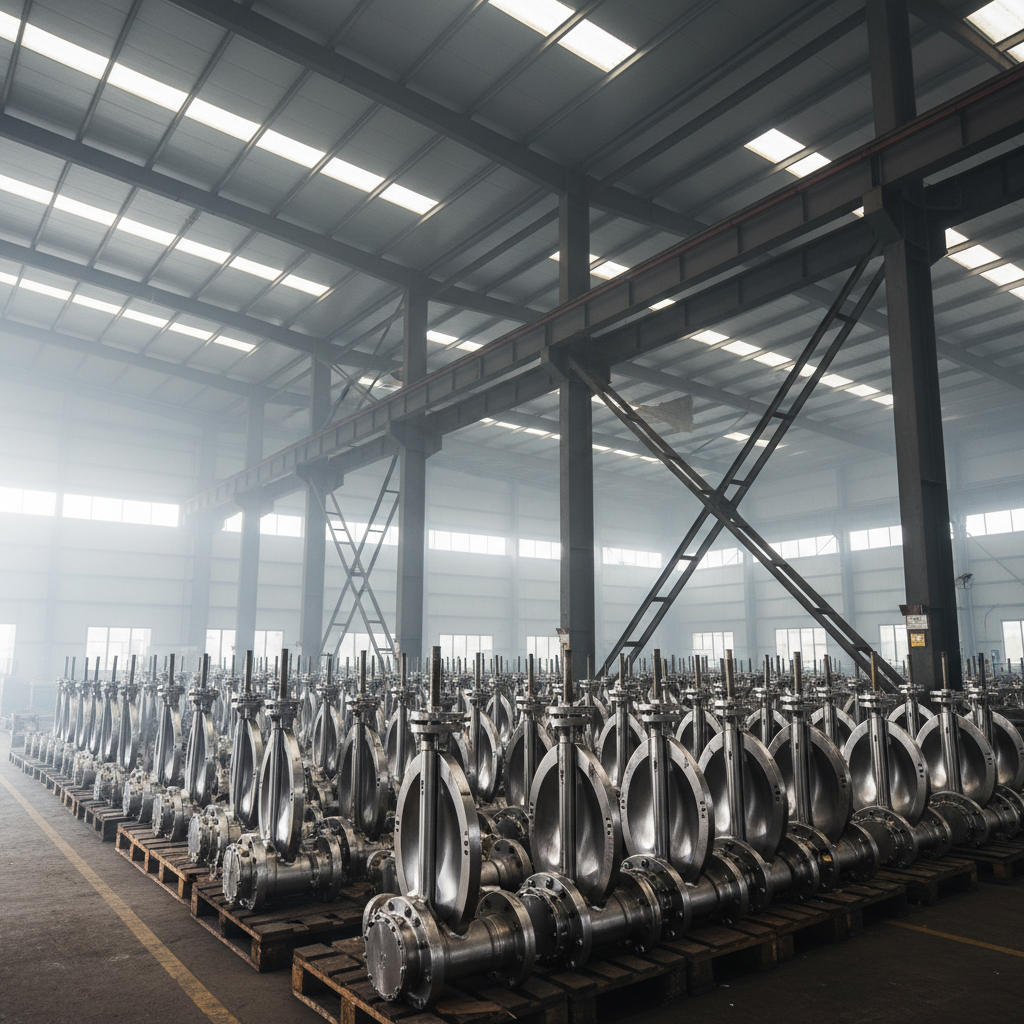
When sourcing industrial flow control components, the decision to invest in a wholesale ss body butterfly valve often comes down to a critical balance between corrosion resistance and long-term operational expenditure. For procurement managers in the petrochemical and water treatment sectors, stainless steel bodies are not merely a preference but a technical necessity to prevent premature systemic failure.
The shift toward high-grade alloys in valve manufacturing is driven by the increasing complexity of processed media, where aggressive chemicals and extreme temperatures render carbon steel or cast iron inadequate. Understanding the nuances of stainless steel grades and seat material compatibility is essential for ensuring leak-proof performance and reducing downtime in high-throughput environments.
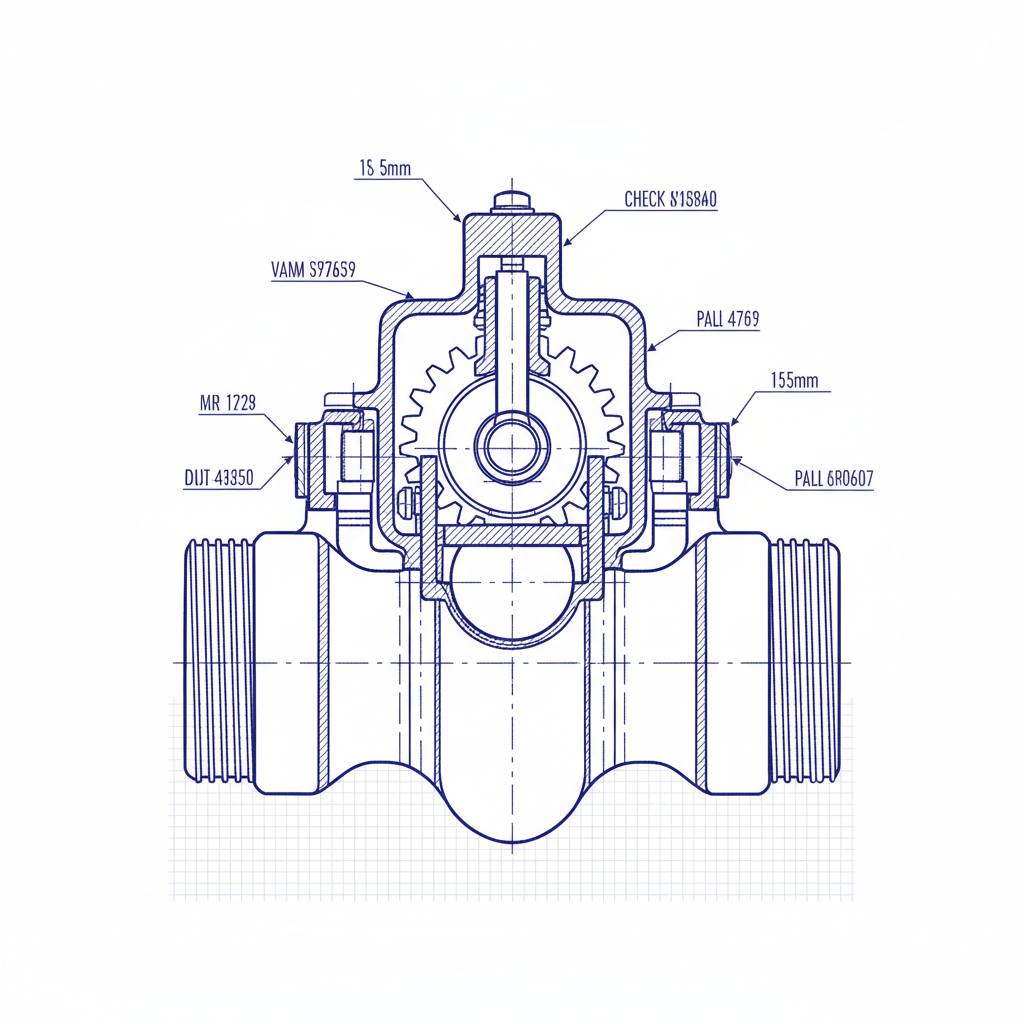
This guide examines the technical architecture of stainless steel butterfly valves, focusing on the strategic advantages of wholesale procurement for large-scale industrial installations. By analyzing material specifications and selection criteria, operators can optimize their fluid handling systems for maximum reliability and safety.

The Technical Imperative of Stainless Steel Valve Bodies

In the realm of fluid dynamics, the valve body serves as the primary pressure boundary. When dealing with saline, acidic, or caustic media, standard ductile iron bodies often succumb to oxidation, leading to pitting and eventual structural breach. A stainless steel (SS) body provides a passive chromium-oxide layer that inhibits this degradation, making it the gold standard for sterile and corrosive applications.
Unlike traditional gated valves, the butterfly design offers a compact footprint and rapid actuation. When this design is married to a stainless steel body, the result is a high-efficiency component capable of maintaining tight shut-off (bubble-tight) conditions even under significant thermal cycling and chemical stress.
For enterprises managing large-scale infrastructure, transitioning to SS bodies reduces the frequency of replacement cycles. While the initial capital expenditure is higher than cast iron, the total cost of ownership (TCO) is significantly lowered through the elimination of frequent maintenance and the prevention of catastrophic leaks.
Critical Material Specifications for Industrial SS Valves
The term "stainless steel" covers a wide spectrum of alloys, each with distinct performance boundaries. In professional valve manufacturing, the selection typically revolves around ASTM A351 CF8 (equivalent to 304) for general corrosion resistance and CF8M (equivalent to 316) for environments containing chlorides or sulfuric acids, where molybdenum is required to prevent pitting.
The disc, often crafted from ASTM A351 CF8M or CF3M, must maintain a precise tolerance to ensure the seal against the seat remains intact. Depending on the medium, seats are selected from NBR for oils, EPDM for water and steam, or PTFE for extreme chemical aggressiveness. This modularity allows a single valve series to be adapted for vastly different industrial roles.
Furthermore, the stem material is a critical failure point. Using ASTM A276 Type 316 or 410 ensures that the actuation mechanism does not seize due to corrosion, which is a common failure mode in lower-grade valves exposed to atmospheric moisture and chemical fumes.
Strategic Application Scenarios in Corrosive Environments
Stainless steel butterfly valves are indispensable in the pharmaceutical and food processing industries, where "clean-in-place" (CIP) protocols require materials that can withstand aggressive cleaning agents without leaching contaminants into the product stream. The smooth surface finish of SS bodies prevents bacterial colonization, ensuring hygienic compliance.
In petrochemical plants and desalination facilities, the prevalence of seawater and brine makes CF8M bodies mandatory. These valves manage the flow of cooling water and chemical additives where any trace of iron oxide could contaminate the process or lead to localized corrosion in downstream high-precision equipment.
Additionally, in sewage treatment and wastewater management, SS bodies are deployed in the primary treatment stages where the fluid contains high concentrations of dissolved oxygen and organic acids. The resilience of the stainless steel structure prevents the body erosion typically seen in gray cast iron alternatives.
Evaluating Performance Metrics: Stainless vs. Standard Alloys
Performance evaluation in valve selection is measured by the intersection of leak rate, pressure rating, and longevity. Stainless steel variants consistently outperform ductile iron in environments with a pH level below 4 or above 9, where standard alloys experience accelerated metal loss.
The following data represents the relative efficiency and durability of SS body valves compared to industry standard cast iron benchmarks across five key operational dimensions, reflecting a significant increase in service life and seal integrity.
wholesale ss body butterfly valve Performance Metrics
As illustrated, the most dramatic improvement is seen in "Corrosion Resistance" and "Service Life." While "Flow Coefficient (Cv)" remains similar due to the shared butterfly geometry, the ability of the SS body to maintain its structural integrity under pressure prevents the "creep" often associated with softer alloys in high-temperature applications.
Procurement Logic for Wholesale Valve Acquisitions
Purchasing stainless steel valves at a wholesale level requires a shift from "price-per-unit" thinking to "system-lifecycle" analysis. Large-scale acquisitions allow for the standardization of materials across a plant, which simplifies the inventory of spare parts—specifically seats and gaskets—and ensures that all installed units meet the same corrosion-resistance threshold.
When evaluating wholesale suppliers, it is critical to verify the casting process and machining precision. For example, the F101 series of butterfly valves must maintain strict concentricity between the body and the seat to prevent internal turbulence and erosion, regardless of the body material. Quality assurance should include positive material identification (PMI) testing to confirm the CF8 or CF8M composition.
Strategic buyers also consider the "lead-time risk." By securing wholesale contracts, enterprises can avoid the volatility of nickel and chromium market prices, which directly impact the cost of stainless steel. This hedge ensures project timelines remain intact and budgetary overruns are minimized.
Future Directions in High-Performance Flow Control Materials
The evolution of valve bodies is moving toward "super-alloys" and hybrid coatings. We are likely to see an increase in the use of duplex stainless steels, which combine the properties of ferritic and austenitic steels to provide even higher yield strength and superior resistance to stress corrosion cracking in oil and gas pipelines.
Automation is another key trend. The integration of smart actuators with SS body valves allows for real-time monitoring of torque and seal health. This predictive maintenance approach could further extend the life of stainless steel components by preventing over-torquing of the valve seat during closure.
Additionally, there is a growing emphasis on sustainable manufacturing. The industry is exploring ways to increase the recycled content of stainless steel castings without compromising the structural integrity or the passive oxide layer, aligning industrial procurement with global ESG (Environmental, Social, and Governance) goals.
Selection Matrix for Stainless Steel Butterfly Valve Variants
Choosing the correct butterfly valve requires aligning the body material with the specific mechanical and chemical demands of the system. Not every application requires the highest grade of stainless steel; doing so can lead to unnecessary expenditure without providing additional operational value.
The following matrix provides a decision-making framework based on common industrial operating conditions, comparing the most frequent stainless steel configurations against their ideal use cases.
| Body Material | Seat Material | Primary Application | Corrosion Risk |
|---|---|---|---|
| SS CF8 (304) | EPDM | Potable Water Systems | Low to Medium |
| SS CF8M (316) | PTFE | Chemical Processing | High (Acidic) |
| SS CF8M (316) | Viton | Oil & Gas Refineries | High (Hydrocarbons) |
| SS CF3M | NBR | Pharmaceutical Grade | Very High (Sterile) |
| SS CF8 | Neoprene | Marine Cooling Water | Medium (Saline) |
| SS CF8M | EPDM | Food & Beverage | Medium (Alkaline) |
Ultimately, the selection should be validated by a technical audit of the medium's temperature and pressure. For those evaluating these specifications for a project, the comprehensive product range and technical documentation available at www.hongdavalve.com provide a reliable baseline for finalizing equipment orders.
Frequently Asked Questions
Conclusion
Selecting a wholesale ss body butterfly valve is a strategic decision that shifts the focus from immediate acquisition costs to long-term operational stability. By aligning the alloy grade (CF8 vs CF8M) and seat material with the specific chemistry of the process medium, industrial operators can virtually eliminate corrosion-related downtime and ensure a safer working environment.
As the industry moves toward higher efficiency and more stringent environmental regulations, the reliability of the pressure boundary remains paramount. Procurement professionals evaluating these systems for their facilities can review detailed specifications and customized material options through the professional resources available at www.hongdavalve.com.