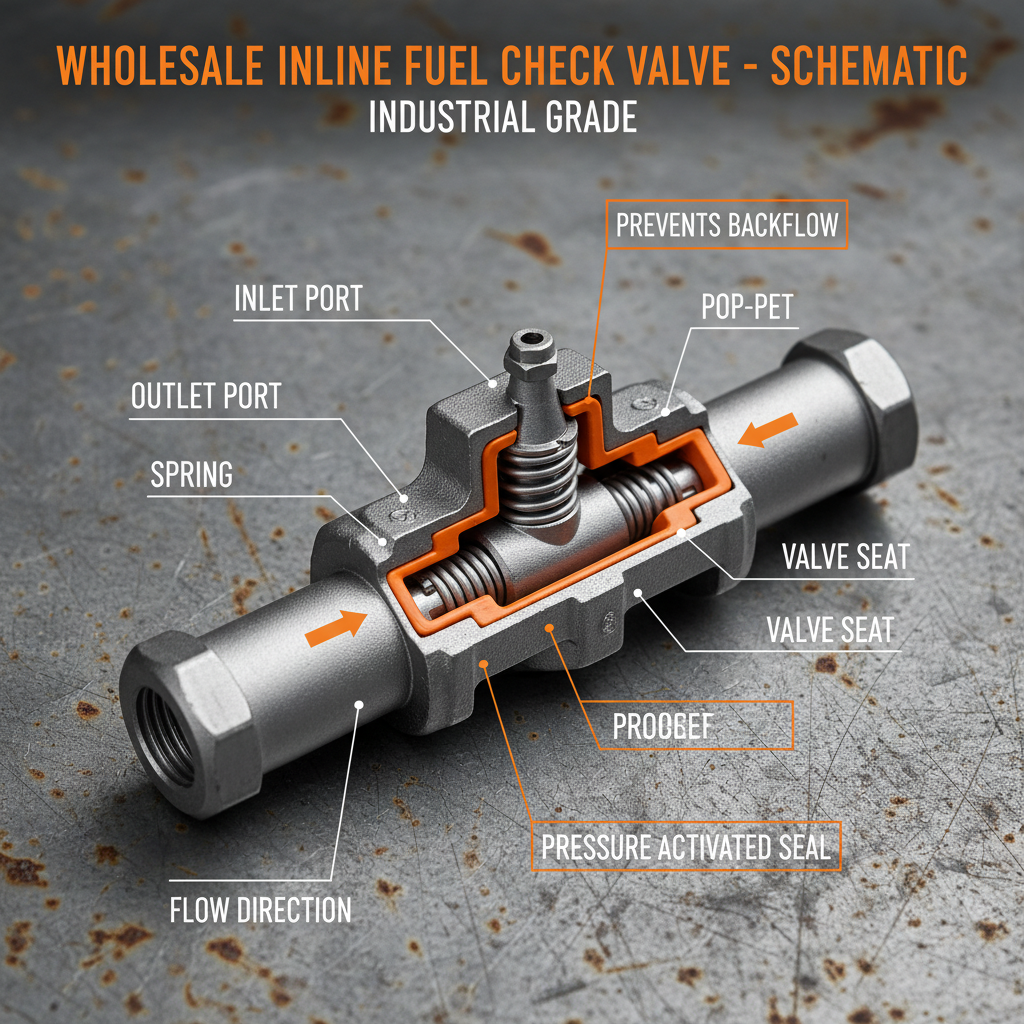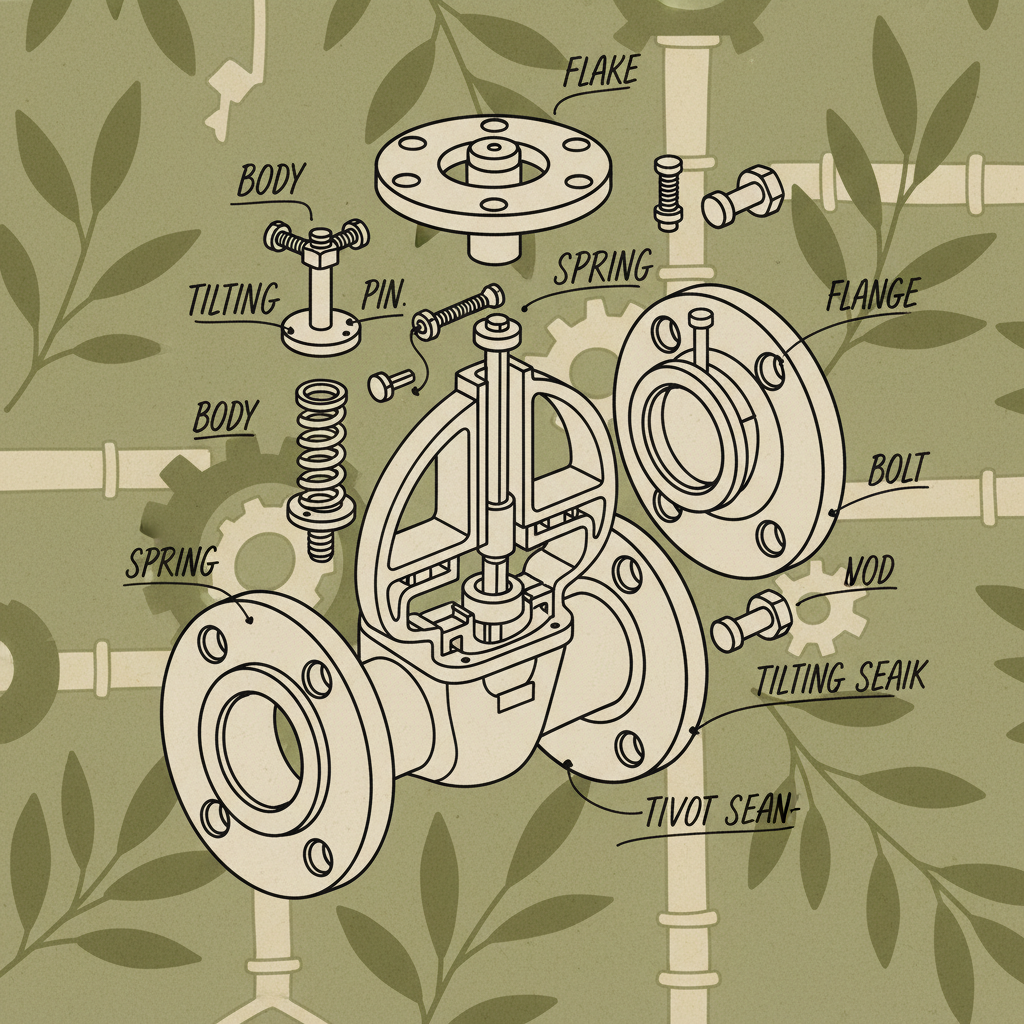
A wholesale double check valve is a specialized backflow prevention device featuring two independent check valves in series, designed to prevent contaminated water from flowing backward into a potable water supply. By providing a dual layer of protection, these valves ensure that even if one internal seal fails, the second remains active to safeguard the system's purity.
In industrial and municipal fluid management, the risk of back-siphonage or back-pressure can lead to severe contamination of water sources. For procurement managers and engineers, selecting high-quality bulk valve solutions is critical to meeting safety regulations and minimizing operational downtime across diverse sectors like petrochemicals and power stations.
This comprehensive guide analyzes the technical specifications, application scenarios, and procurement criteria for double check valves. Readers will gain insights into material selection, performance metrics, and how to choose the most durable configuration for large-scale infrastructure projects.

1Core Mechanism of Double Check Valves

The fundamental principle of a double check valve is the redundancy of its internal check mechanisms. Unlike a single check valve, the double configuration consists of two spring-loaded discs that automatically close when flow reverses. This creates a fail-safe system where the first valve handles the primary pressure and the second acts as a backup, significantly reducing the probability of hazardous backflow.
When integrated into a large-scale piping network, these valves operate autonomously without requiring external power. The fluid pressure pushes the disc open during normal operation; however, any drop in supply pressure or rise in downstream pressure causes the springs to snap the discs shut instantly.
For wholesale buyers, understanding this mechanism is vital because the precision of the spring tension and the quality of the seat determines the valve's cracking pressure and overall reliability in varying thermal environments.
2Key Technical Features and Material Composition
The durability of a double check valve depends heavily on its metallurgy. High-performance models typically utilize Ductile Cast Iron (ASTM A536) or Cast Iron (ASTM A126) for the body to ensure structural integrity under high pressure. The internal components, such as the stem and disc, are often crafted from Stainless Steel (Type 316 or 410) to prevent corrosion and erosion over time.
Sealing technology is another critical factor. The use of elastic soft-sealed components ensures a bubble-tight shut-off, which is essential for preventing micro-leakages that could lead to system contamination. The combination of zinc-plated steel and high-grade polymers in the bushings reduces friction and extends the lifecycle of the valve.
Furthermore, the design often incorporates a test cock or a monitoring port, allowing technicians to verify the operation of the check discs without dismantling the entire assembly, thus reducing maintenance costs in large industrial installations.
3Critical Application Scenarios in Industry
Double check valves are indispensable in water supply and drainage systems where cross-contamination must be avoided. In sewage treatment plants, they prevent effluent from entering the clean water lines during pressure fluctuations. Similarly, in power stations and petrochemical plants, these valves protect cooling water circuits from chemical pollutants.
Another primary use case is in long-distance oil and gas pipelines. Here, the valves prevent the reverse flow of hydrocarbons, which could otherwise damage pumps or cause catastrophic pressure surges. The ability to personalize valve specifications makes them suitable for the unique constraints of shipbuilding and offshore platforms.
In municipal settings, they are frequently installed at the boundary between the city main and private industrial connections. This ensures that a failure within a factory's internal plumbing does not contaminate the public water grid, aligning with global health and safety standards.
4Performance Evaluation and Fluid Dynamics
Evaluating a double check valve requires an analysis of its pressure drop and flow coefficient (Cv). Because the fluid must pass through two separate discs, there is an inherent increase in resistance compared to a single check valve. This means engineers must accurately size the valve to ensure that the pressure loss does not adversely affect downstream equipment.
The relationship between cracking pressure—the minimum pressure required to open the valve—and flow stability is paramount. If the cracking pressure is too high, the system may experience cavitation; if it is too low, the valve may chatter, leading to premature wear of the seals and stems.
wholesale double check valve Performance Metrics
When analyzing bulk shipments, consistency across the batch is the primary metric. High-quality manufacturing ensures that every valve in a wholesale order maintains the same spring constant and seating torque, providing predictable performance across the entire installation site.
5Procurement Standards and Selection Criteria
When sourcing wholesale double check valves, procurement teams should prioritize certification and material traceability. Ensure the supplier provides mill test reports for the ductile iron and stainless steel components. Compatibility with existing pipe standards (such as ANSI, DIN, or JIS) is non-negotiable to avoid costly adapter fittings.
Cost analysis should extend beyond the initial purchase price to the Total Cost of Ownership (TCO). Valves with superior corrosion-resistant coatings and high-grade internals may have a higher upfront cost but significantly lower long-term maintenance and replacement expenses.
Finally, consider the supplier's ability to provide customized solutions. For example, if a project requires specific flange dimensions or a unique alloy for extreme temperatures, a professional manufacturer like Ningjin Hongda Valve Co., Ltd. can adjust production lines to meet these tailored needs.
6Maintenance Challenges and Operational Limits
Despite their reliability, double check valves are not maintenance-free. The most common point of failure is the accumulation of debris on the valve seat, which prevents a complete seal. In systems with high sediment levels, the installation of a strainer upstream is highly recommended to protect the check discs from scoring.
Another operational limit is the impact of water hammer. Rapid valve closure during a sudden flow reversal can create pressure spikes. To mitigate this, engineers often implement slow-closing mechanisms or surge tanks in the wider system design to protect the valve body from fatigue.
Temperature extremes also pose a risk. Extremely low temperatures can cause elastomers to harden, while excessive heat can degrade the seal. Selecting the correct material—such as PTFE for high-temperature chemicals—is the only way to ensure long-term operational stability.
7Comparison of Valve Series and Configurations
Choosing between different series, such as the F170, F235, or F401, depends on the specific pressure requirements and installation space. Lug type valves offer easier removal for maintenance, while wafer type valves provide a more compact profile, reducing the overall weight of the piping assembly.
The following table compares common configurations used in wholesale procurement to help engineers determine the best fit for their project based on material and application.
| Valve Series | Body Material | Seal Type | Best Use Case |
|---|---|---|---|
| F170 Series | Ductile Iron | EPDM | Municipal Water |
| F235 Series | Cast Iron | NBR | General Drainage |
| F401 Series | Stainless Steel | PTFE | Chemical Processing |
| Groove Type | Ductile Iron | Viton | Rapid Installation |
| Lug Type | Ductile Iron | EPDM | High-Pressure Mains |
| Wafer Type | Cast Iron | NBR | Space-Constrained |
Ultimately, the selection should be based on a balance of fluid compatibility, required pressure rating, and the frequency of required maintenance. Consulting with the manufacturer ensures that the chosen series aligns with the operational demands of the environment.
Frequently Asked Questions
Conclusion
Ensuring the integrity of fluid systems requires a strategic approach to backflow prevention. The wholesale double check valve offers a robust, redundant solution that balances operational efficiency with safety. By focusing on high-grade materials like ASTM A536 ductile iron and precise seal selection, industries can effectively mitigate the risks of contamination and system failure.
For engineers and procurement professionals seeking reliable valve solutions tailored to specific industrial needs, reviewing technical catalogs and consulting with experienced manufacturers is key. Detailed product specifications and configuration options can be explored at www.hongdavalve.com to ensure the selected hardware meets all regulatory and operational standards.