
- Call Us
- +8618633052223
- njhdvlz@163.com
Aug . 22, 2025 18:43 Back to list
Step-by-Step Guide to Repairing a Butterfly Valve 2.5 Inch
A butterfly valve 2.5 inch, along with smaller sizes like butterfly valve 1.5 inch and the commonly used butterfly valve 2 1 2 inch (another way to denote 2.5 inches), is a workhorse in many industrial systems, from water treatment to light industrial applications. Over time, even these durable valves can develop issues like leaks or stiff operation. Knowing how to repair them can save time and money, ensuring your system runs smoothly. Ningjin Hongda Valve Co., Ltd., a professional valve supplier with specialized production lines for casting, machining, and assembly, manufactures reliable butterfly valves—including butterfly valve 2.5 inch models—used across various industries worldwide. Their valves, which feature large top flanges for secure actuator mounting and options for handles, manual gear operators, or electric/pneumatic actuators, are designed for durability, but regular maintenance and repairs are still essential for longevity.
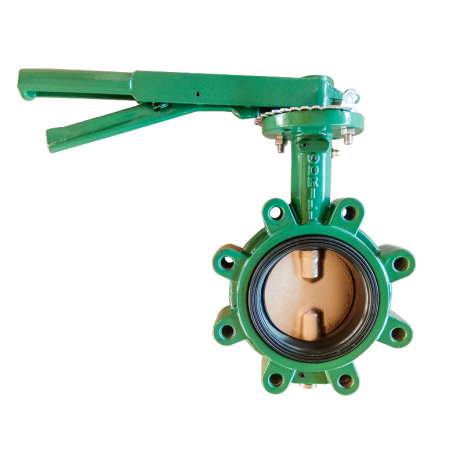
Tools Needed for Repairing Butterfly Valve 2.5 Inch
- Basic Hand Tools: A set of screwdrivers (flathead and Phillips), adjustable wrenches, and a socket set will help disassemble the valve. For butterfly valve 2 1 2 inch models, having a torque wrench is useful to avoid over-tightening bolts during reassembly.
- Replacement Parts: Depending on the issue, you may need a new valve seat (the seal), stem O-rings, or a replacement disc. Ningjin Hongda offers compatible parts for their butterfly valve 2.5 inchand butterfly valve 1.5 inch models, ensuring a proper fit.
- Cleaning Supplies: A wire brush, degreaser, and lint-free cloths are essential to remove dirt, rust, and debris from internal components. This step is crucial for preventing future wear and ensuring a tight seal.
- Lubricant: High-quality valve lubricant (compatible with the valve’s material and the fluid it handles) will keep moving parts operating smoothly after repair.
Pre-Repair Steps for Butterfly Valve 2 1 2 Inch
- Shut Off the System: Before starting, turn off the flow of fluid through the valve and relieve any pressure in the pipeline. This prevents leaks and ensures safety during repair, whether you’re working on a butterfly valve 2.5 inchor a smaller butterfly valve 1.5 inch.
- Disconnect Actuators (If Equipped): If the butterfly valve 2 1 2 inchhas an electric or pneumatic actuator, disconnect the power or air supply first. Then, unbolt the actuator from the large top flange using the appropriate tools—this step is similar for manual gear operators too.
- Remove the Valve from the Pipeline: Loosen the flange bolts that secure the butterfly valve 2.5 inchbetween the pipeline flanges. Carefully lift the valve out, taking note of its orientation (marking the position with a marker can help during reinstallation).
Disassembly and Inspection of Butterfly Valve 2.5 Inch
- Remove the Handle or Operator: For manual butterfly valve 2 1 2 inchmodels, unscrew the handle or gear operator from the stem. Keep track of small parts like washers or cotter pins—placing them in a labeled container prevents loss.
- Take Apart the Valve Body: Remove the stem nuts or bolts that hold the valve body together. Gently lift the top half of the body to expose the disc and seat. Be careful not to damage the disc or stem, especially in smaller valves like the butterfly valve 1.5 inch.
- Inspect Components: Check the disc for cracks, corrosion, or warping. Examine the seat (the rubber or elastomer seal) for tears, hardening, or wear—this is a common source of leaks. The stem and O-rings should also be inspected for damage; stiff operation often indicates a worn stem or dry O-rings.
Repairing and Reassembling Butterfly Valve 2 1 2 Inch
|
Component |
Common Issues |
Repair Steps |
|
Valve Seat |
Tears, leaks, hardening |
Remove the old seat (use a flathead screwdriver if needed) and press in a new one, ensuring it’s seated evenly. |
|
Stem and O-Rings |
Stiff operation, stem leakage |
Replace worn O-rings with new ones (lubricate them first). Clean the stem and apply lubricant to ensure smooth movement. |
|
Disc |
Cracks, corrosion |
If minor, sand down corrosion; replace the disc if cracked (contact Ningjin Hongda for replacement parts). |
|
Handle/Actuator |
Loose or broken |
Tighten loose handles; replace broken ones with compatible replacements, ensuring a secure fit on the stem. |
- Clean All Parts: Before reassembly, thoroughly clean the valve body, disc, and stem with degreaser and a wire brush. Wipe everything dry with a lint-free cloth to remove any remaining debris.
- Reassemble in Reverse Order: Start by placing the disc back into the valve body, then reattach the top half of the body, tightening bolts evenly. Reinstall the stem, O-rings, and handle or operator, ensuring all parts are aligned correctly.
- Test the Valve: After reassembly, manually operate the valve to check for smooth movement. If possible, perform a pressure test with water to ensure there are no leaks—this step is critical for both butterfly valve 2.5 inchand butterfly valve 1.5 inch
Butterfly Valve 2.5 Inch FAQS
How Often Should a Butterfly Valve 2 1 2 Inch Be Inspected for Repairs?
A butterfly valve 2 1 2 inch should be inspected every 6–12 months, depending on usage. High-pressure or high-cycle systems may need more frequent checks to catch issues like seat wear early.
Can I Use the Same Repair Steps for Butterfly Valve 1.5 Inch?
Yes, the basic repair steps apply to butterfly valve 1.5 inch models too. The main difference is the size of parts and tools—use smaller screwdrivers and wrenches to avoid damaging the smaller components.
Where Can I Get Replacement Parts for Butterfly Valve 2.5 Inch?
Ningjin Hongda Valve Co., Ltd. provides replacement parts for their butterfly valve 2.5 inch models, including seats, stems, and discs. Their specialized production team ensures parts are compatible and high-quality.
Why Is My Repaired Butterfly Valve 2 1 2 Inch Still Leaking?
Leakage after repair often means the seat isn’t properly seated or the flange bolts aren’t tightened evenly. Check the seat alignment and retighten flange bolts in a crisscross pattern to resolve the issue.
Can I Repair an Actuated Butterfly Valve 2.5 Inch Myself?
Basic actuator issues (like loose mounting) can be repaired by hand, but complex problems with electric or pneumatic components may require professional help. Ningjin Hongda offers guidance on actuator repairs for their valves.
-
Industrial Guide to Wholesale Large Butterfly Valve Procurement
NewsApr.16,2026
-
High Quality Wholesale Inlet Butterfly Valve for Industrial Systems
NewsApr.09,2026
-
Comprehensive Guide to Wholesale Butterfly Valve 8 Inch Price and Selection
NewsApr.07,2026
-
Comprehensive Guide to Wholesale SS 304 Butterfly Valve Selection and Applications
NewsApr.04,2026
-
Comprehensive Guide to Wholesale Valve Material Selection and Cost Optimization
NewsMar.31,2026
-
Comprehensive Guide to Wholesale Inline Hydraulic Check Valve Solutions
NewsMar.28,2026
 Afrikaans
 Albanian
 Amharic
 Arabic
 Armenian
 Azerbaijani
 Basque
 Belarusian
 Bengali
 Bosnian
 Bulgarian
 Catalan
 Cebuano
 Corsican
 Croatian
 Czech
Czech
 Danish
 Dutch
Dutch
 Esperanto
 Estonian
 Finnish
 French
 Frisian
 Galician
 Georgian
 German
 Greek
Greek
 Gujarati
 Haitian Creole
 Hausa
Hausa
 Hawaiian
 Hebrew
 Hindi
Hindi
 Miao
Miao
 Hungarian
 Icelandic
 Igbo
Igbo
 Indonesian
 Irish
Irish
 Italian
 Japanese
 Javanese
 Kannada
 Kazakh
 Khmer
Khmer
 Rwandese
 Korean
 Kurdish
 Kyrgyz
 Lao
Lao
 Latin
Latin
 Latvian
 Lithuanian
 Luxembourgish
 Macedonian
 Malgashi
 Malay
Malay
 Malayalam
 Maltese
 Maori
Maori
 Marathi
 Mongolian
 Myanmar
 Nepali
 Norwegian
 Norwegian
 Occitan
 Pashto
 Persian
 Polish
 Portuguese
 Punjabi
 Romanian
 Russian
 Samoan
 Scottish Gaelic
 Serbian
 Sesotho
 Shona
Shona
 Sindhi
 Sinhala
 Slovak
 Slovenian
 Somali
 Spanish
 Sundanese
 Swahili
 Swedish
 Tagalog
 Tajik
Tajik
 Tamil
Tamil
 Tatar
Tatar
 Telugu
 Thai
Thai
 Turkish
 Turkmen
 Ukrainian
 Urdu
Urdu
 Uighur
 Uzbek
Uzbek
 Vietnamese
 Welsh
Welsh
 Bantu
Bantu
 Yiddish
 Yoruba
 Zulu
Zulu
 English