
- Call Us
- +8618633052223
- njhdvlz@163.com
Sep . 19, 2025 10:25 Back to list
Trusted High Quality Wafer Check Valve Factories & Suppliers
The Imperative of Quality: Navigating the Landscape of Wafer Check Valve Manufacturing
In critical industrial applications, the reliability of fluid control components is paramount. Wafer check valves, characterized by their compact design and efficient backflow prevention, are indispensable across a multitude of sectors. The selection of a competent and reliable high quality wafer check valve factories is not merely a purchasing decision; it's a strategic investment in operational efficiency, safety, and longevity. This comprehensive guide delves into the intricate world of wafer check valve manufacturing, spotlighting the critical elements that define excellence in design, production, and performance for B2B decision-makers and engineers.
We will explore the evolving industry trends, delve into the stringent technical specifications, examine diverse application scenarios, highlight compelling technical advantages, provide insights for vendor comparison, discuss customized solutions, and present real-world case studies to underscore the value proposition of truly superior valves.
Industry Trends and Market Dynamics in Valve Manufacturing
The global valve market is experiencing steady growth, driven by burgeoning infrastructure projects, expansion in petrochemicals, power generation, and water treatment sectors. Key trends shaping the demand for wafer check valves include:
- Emphasis on Energy Efficiency: The drive for sustainable operations mandates valves with minimal pressure drop and reduced energy consumption, contributing to lower operational costs.
- Advanced Material Science: Development of new alloys and composites offers enhanced corrosion resistance, higher temperature/pressure capabilities, and extended service life in aggressive environments. For instance, the use of Super Duplex stainless steel is increasing in marine and highly corrosive chemical applications.
- Smart Valve Technologies: Integration of sensors for real-time monitoring of flow, pressure, and valve position is gaining traction, enabling predictive maintenance and optimizing system performance.
- Stringent Regulatory Compliance: Evolving environmental and safety regulations (e.g., fugitive emissions standards like ISO 15848-1) necessitate valves designed for zero leakage and maximum operational integrity.
- Customization and Modular Design: Increasing demand for tailor-made solutions to meet specific process requirements, leading to greater collaboration between clients and manufacturers.
According to a report by Grand View Research, the global industrial valves market size was valued at USD 77.2 billion in 2023 and is projected to grow at a compound annual growth rate (CAGR) of 4.3% from 2024 to 2030, with wafer check valves being a significant segment due to their versatility and compact nature.
Technical Specifications and Design Principles of Wafer Check Valves
A high quality wafer check valve manufacturer distinguishes itself through meticulous engineering and adherence to global standards. Wafer check valves, designed to fit between two flanges, typically consist of a body, disc(s), hinge pin, and spring(s).
Key Components & Materials:
- Body: Often constructed from materials like Carbon Steel (A216 WCB), Stainless Steel (A351 CF8, CF8M, CF3M), Duplex (A995 4A, 5A), or Bronze (B61, B62) depending on media corrosivity, temperature, and pressure.
- Disc: Matched to the body material, or sometimes with specialized coatings or elastomers (e.g., EPDM, Viton, NBR) for enhanced sealing and chemical resistance.
- Spring: Usually Inconel or Stainless Steel, chosen for optimal closing force and resistance to fatigue.
- Seat: Can be integral to the body or a replaceable soft seat (e.g., PTFE, RPTFE) for bubble-tight shutoff.
Design Types & Parameters:
- Single Disc Wafer Check Valve: Simple design, suitable for moderate flow conditions.
- Dual Disc Wafer Check Valve: Features two semicircular discs, offering reduced pressure drop and faster closure, minimizing water hammer. This design is prevalent due to its superior performance characteristics.
Common Parameters:
- Sizes: Ranging from DN15 (NPS 1/2") up to DN1200 (NPS 48") or larger.
- Pressure Ratings: ANSI Class 150 to Class 2500 (PN10 to PN420) and beyond for high-pressure applications.
- Temperature Range: From cryogenic applications (-196°C) to high temperatures (+550°C), depending on material selection.
- End Connections: Wafer, Lug, and Flanged types. Wafer type is most common due to its compact nature.
Product Specification Table: Dual Disc Wafer Check Valve (Typical)
| Parameter | Specification |
|---|---|
| Design Standard | API 594, API 6D, ASME B16.34 |
| Face to Face | API 594, ASME B16.10 |
| Flange End | ASME B16.5, ASME B16.47, EN 1092-1, JIS B2220 |
| Inspection & Test | API 598, ISO 5208, EN 12266-1 |
| Nominal Size (NPS) | 1/2" to 60" (DN15 to DN1500) |
| Pressure Rating | Class 150 to Class 2500 (PN10 to PN420) |
| Body Material | WCB, LCB, CF8, CF8M, CF3, CF3M, Duplex, Super Duplex, Hastelloy, Monel, Inconel |
| Disc Material | Same as body, or specific alloys/coatings |
| Seat Type | Metal-to-Metal, Soft Seat (PTFE, Viton, EPDM) |
| Temperature Range | -196°C to +550°C (depending on material) |
These standards ensure interoperability, safety, and performance, critical factors when sourcing from a high quality wafer check valve manufacturer.
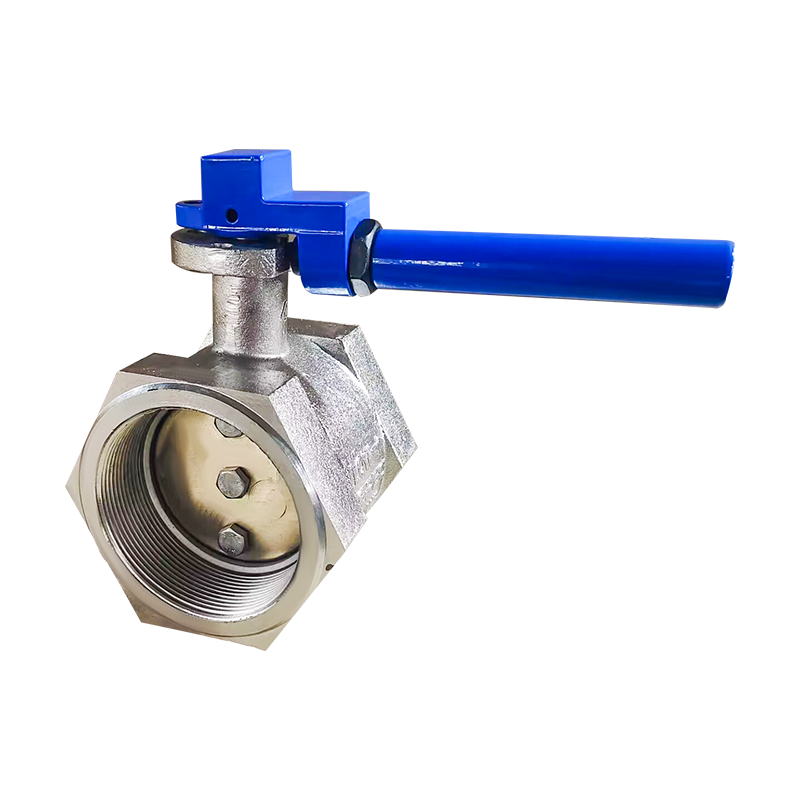
Manufacturing Process: The Foundation of High Quality Wafer Check Valve Production
The journey from raw material to a high-performance wafer check valve involves a meticulously controlled process, overseen by dedicated high quality wafer check valve factories. This stringent process ensures each valve meets the highest standards of durability, reliability, and functional integrity.
Process Flow:
1. Material Selection & Inspection
Sourcing premium-grade raw materials (e.g., ASTM A216 WCB, A351 CF8M) with full traceability. Incoming inspection verifies chemical composition, mechanical properties, and compliance with specifications like ASME B16.34.
2. Casting or Forging
Precision casting or forging processes create the valve body and discs. Advanced techniques minimize porosity and ensure structural integrity. Forging is preferred for higher pressure/temperature applications due to superior grain structure.
3. CNC Machining
State-of-the-art CNC machining centers accurately machine critical dimensions such as seat surfaces, disc profiles, and bore sizes to tight tolerances (e.g., ±0.02mm), ensuring optimal sealing and minimal pressure drop.
4. Assembly
Components are assembled in controlled environments. Careful alignment of discs, hinge pins, and springs is crucial for smooth operation and effective sealing. Soft seats are precisely installed where applicable.
5. Testing & Quality Control
Each valve undergoes rigorous testing. Hydrostatic shell tests and seat leakage tests (e.g., API 598, ISO 5208) verify pressure integrity and shutoff capability. Low-pressure air tests, NDT (MPI, LPI, UT, RT for critical welds), and functional cycling tests ensure performance and reliability.
6. Surface Treatment & Finishing
Protective coatings, painting, or passivation (for stainless steel) are applied to enhance corrosion resistance and aesthetics, extending the valve's service life, which typically exceeds 15-25 years under proper operating conditions.
7. Final Inspection & Packaging
A final visual and dimensional inspection, along with documentation review, precedes careful packaging to prevent damage during transit. Compliance with standards like ISO 9001 and API Q1 is critical.
This detailed process, rigorously executed by a high quality wafer check valve supplier, ensures that each valve delivers superior performance and long-term value, particularly in target industries such as petrochemical, metallurgy, and water supply & drainage, where energy saving and corrosion resistance are paramount.
Technical Advantages and Performance Benefits
The inherent design and superior manufacturing of high-quality wafer check valves translate into significant operational advantages:
- Compact and Lightweight Design: Wafer valves require minimal space, reducing pipeline support requirements and installation costs. A 10-inch wafer check valve can weigh 70% less than a comparable flanged swing check valve.
- Low Pressure Drop: Optimized disc designs and flow paths minimize resistance, leading to less energy consumption by pumps and compressors. This directly contributes to energy savings, often measured in thousands of dollars annually for large installations.
- Rapid Closure and Anti-Water Hammer: Spring-assisted closure in dual-disc designs ensures quick response to flow reversal, significantly mitigating the damaging effects of water hammer, protecting pumps and other pipeline equipment.
- Corrosion Resistance and Extended Service Life: Availability in a wide array of specialized materials (e.g., Duplex, Super Duplex, Hastelloy C-276) provides exceptional resistance to corrosive media, extending operational life and reducing replacement frequency, typically achieving a service life of 20+ years in ideal conditions.
- Bi-directional Flow Prevention: Effectively prevents backflow, safeguarding sensitive equipment and maintaining process integrity in critical systems.
- Reduced Maintenance: With fewer moving parts and robust construction, these valves demand minimal maintenance, translating into lower total cost of ownership (TCO).
- Cost-Effectiveness: While initial investment in a high quality wafer check valve supplier might be slightly higher, the long-term benefits in terms of efficiency, reduced downtime, and extended service life far outweigh the upfront cost.
These advantages are critical for industries where operational reliability and cost-efficiency are paramount.
Application Scenarios and Target Industries
The versatility and performance of wafer check valves make them ideal for a broad spectrum of industrial applications. A high quality wafer check valve manufacturer serves diverse sectors:
- Petrochemical and Oil & Gas: Used extensively in refineries, offshore platforms, and pipelines to prevent backflow in critical pump discharge lines, compressor outlets, and processing units, handling hydrocarbons, steam, and corrosive chemicals.
- Power Generation: Essential in steam, condensate, and cooling water systems within thermal, nuclear, and combined-cycle power plants. Their rapid closure protects turbines and pumps from reverse flow damage.
- Water Supply & Drainage / Wastewater Treatment: Crucial for preventing siphoning, protecting pumps from reverse flow surges, and managing effluent in municipal waterworks, pumping stations, and sewage treatment plants.
- HVAC Systems: Integrated into heating, ventilation, and air conditioning systems to ensure unidirectional flow of refrigerants and chilled water, enhancing system efficiency.
- Metallurgy and Mining: Handling abrasive slurries and high-temperature gases, where robust construction and wear-resistant materials are critical.
- Chemical Processing: Preventing contamination and ensuring safe handling of various aggressive chemicals, requiring specific material grades for corrosion resistance.
In these scenarios, the ability of a wafer check valve to prevent costly damage from backflow, ensure process continuity, and operate reliably under challenging conditions underscores the importance of choosing a high quality wafer check valve supplier.
Vendor Comparison: Selecting the Right High Quality Wafer Check Valve Supplier
Choosing the right high quality wafer check valve supplier involves more than just price comparison. It requires a holistic evaluation of several critical factors that impact long-term performance and reliability.
Key Evaluation Criteria:
- Certifications & Compliance: Look for ISO 9001, API Q1, CE (PED), SIL 3 certification, and adherence to international standards like ASME, ANSI, ISO, EN, JIS. These validate a manufacturer's commitment to quality management and product safety.
- Experience & Reputation: Years in the industry, client testimonials, and a proven track record of successful installations in similar applications.
- R&D and Engineering Capabilities: An innovative supplier will invest in research and development, offering optimized designs, advanced materials, and custom solutions.
- Manufacturing Precision & QC: Evaluate their manufacturing processes, types of machinery (e.g., 5-axis CNC), and the rigor of their quality control and testing protocols (e.g., 100% hydrostatic testing, NDT capabilities).
- Material Sourcing & Traceability: Ensure transparency and certification for raw materials, crucial for applications requiring specific material properties and compliance.
- Customization & Flexibility: The ability to provide tailored solutions for unique process requirements, including special alloys, coatings, or design modifications.
- After-Sales Support: Availability of technical assistance, spare parts, maintenance services, and comprehensive warranty programs.
Vendor Comparison Table (Illustrative)
| Feature | Leading High-Quality Supplier (Example) | Standard Supplier (Example) |
|---|---|---|
| Certifications | ISO 9001, API 6D, CE/PED, SIL3 Capable | ISO 9001 only |
| Material Traceability | 100% full material traceability (3.1/3.2 certificates) | Batch traceability, no individual certs |
| Testing Protocol | 100% Hydrostatic, Low Pressure Air, Fugitive Emissions, NDT on critical components | Hydrostatic & Seat Test (API 598 minimum) |
| Design Optimization | FEA-verified, low pressure drop, anti-water hammer design | Standard design, basic flow characteristics |
| Customization Options | Extensive (materials, coatings, spring types, dimensions) | Limited (standard sizes/materials) |
| Warranty | 24 months from installation or 30 months from shipment | 12 months from shipment |
This comparison highlights the distinctions that set a superior high quality wafer check valve supplier apart, offering not just a product, but a reliable, long-term solution.
Customized Solutions and Special Requirements
While standard wafer check valves meet many industrial needs, certain applications demand bespoke solutions. A truly adept high quality wafer check valve factories will possess the engineering prowess to deliver customized valves that perfectly match unique operational parameters.
Examples of customization include:
- Special Alloys: For extremely corrosive media (e.g., concentrated acids, seawater), valves can be manufactured from materials like Hastelloy, Monel, or Titanium.
- Specific Coatings/Linings: Internal coatings (e.g., PTFE, PFA, ceramic) to enhance chemical resistance, prevent adhesion, or improve wear resistance in abrasive slurries.
- Cryogenic or High-Temperature Designs: Valves designed for extreme temperature ranges require specialized materials, sealing elements, and extended bonnets to maintain performance and integrity.
- Unique Pressure/Flow Requirements: Custom spring tensions, disc weights, or flow path modifications to achieve precise opening and closing pressures, or to minimize pressure drop for specific flow rates.
- Actuation and Control: Integration with specific control systems, addition of position indicators, or dampeners for controlled closure in challenging conditions.
Collaboration with a flexible and experienced high quality wafer check valve manufacturer is key to achieving optimal results for these specialized applications.
Application Case Studies & Success Stories
Case Study 1: Petrochemical Refinery – Preventing Reverse Flow in High-Pressure Hydrocarbon Lines
A major petrochemical refinery faced recurrent issues with reverse flow causing damage to centrifugal pumps and disruptions in distillation columns. Standard swing check valves experienced significant water hammer, leading to frequent maintenance and costly downtime. A high quality wafer check valve supplier provided a customized solution involving API 594 dual-disc wafer check valves in A351 CF8M stainless steel with Inconel springs, rated for Class 600 service.
- Solution: Installation of spring-assisted dual-disc wafer check valves.
- Result: Elimination of water hammer incidents, significant reduction in pump maintenance, and an estimated 15% improvement in process uptime. The compact design also facilitated easier installation in confined spaces.
- Customer Feedback: "The rapid closure and low pressure drop of these valves have drastically improved our system reliability and efficiency, exceeding our expectations."
Case Study 2: Municipal Water Treatment Plant – Enhancing Pumping Station Efficiency
A municipal water treatment facility required a durable and efficient solution for their main pumping station, which handled large volumes of treated wastewater. Existing flanged check valves were bulky, costly to maintain, and contributed to higher energy bills due to substantial pressure drop. Partnering with a specialized high quality wafer check valve factories, the plant implemented large-diameter (DN600) wafer check valves with EPDM soft seats for bubble-tight closure.
- Solution: Installation of DN600 Dual Disc Wafer Check Valves with ductile iron body and EPDM seats.
- Result: Reduced energy consumption by approximately 8% due to lower pressure drop, minimized leakages, and significantly extended service intervals. The lightweight design simplified installation.
- Customer Feedback: "These wafer check valves have proven to be a cost-effective upgrade, reducing both our energy expenditure and operational headaches."
Trustworthiness and Customer Support
Establishing trust is fundamental in B2B relationships. A leading high quality wafer check valve manufacturer builds this trust through transparent operations, robust support, and clear commitments.
Frequently Asked Questions (FAQ):
Q: What is the typical service life of your wafer check valves?
A: With proper material selection and installation, our wafer check valves are designed for a service life of 15 to 25 years, often exceeding this in less aggressive environments.
Q: How do you ensure your valves prevent water hammer?
A: Our dual-disc wafer check valves feature spring-assisted, rapid-closure designs that minimize reverse flow velocity, effectively preventing damaging water hammer effects.
Q: Can your valves be installed in vertical pipelines?
A: Yes, our spring-loaded wafer check valves are suitable for both horizontal and vertical installations, provided the flow direction is correctly oriented.
Lead Time & Fulfillment:
Standard wafer check valves (common sizes and materials) typically have a lead time of 4-8 weeks from order confirmation. For highly customized valves or specialized materials, lead times may extend to 10-16 weeks, depending on material availability and complexity of design.
Warranty Commitments:
We offer a comprehensive warranty of 24 months from the date of installation or 30 months from the date of shipment, whichever comes first, against manufacturing defects and material failures under normal operating conditions.
Customer Support:
Our dedicated after-sales support team provides technical assistance, troubleshooting, spare parts supply, and, where necessary, on-site service to ensure the continuous and optimal performance of our valves throughout their operational life. We maintain a global network of service partners to provide timely support.
Conclusion
The demand for high quality wafer check valve factories is more critical than ever, with industries increasingly prioritizing reliability, efficiency, and safety. A truly superior wafer check valve is the product of expert engineering, stringent material selection, advanced manufacturing processes, and rigorous quality control. By prioritizing these aspects, B2B decision-makers can ensure their fluid control systems operate at peak performance, minimizing downtime, reducing maintenance costs, and safeguarding critical infrastructure.
Partnering with a reputable and experienced high quality wafer check valve supplier is not just about procuring a component; it's about securing a long-term solution that delivers measurable operational and financial benefits, reinforcing the integrity and sustainability of industrial processes.
References
- American Petroleum Institute. API Standard 594: Check Valves: Flanged, Lug, Wafer and Butt-Welding Ends.
- ASME International. ASME B16.34: Valves – Flanged, Threaded, and Welding End.
- International Organization for Standardization. ISO 9001: Quality management systems – Requirements.
- Grand View Research. Industrial Valves Market Size, Share & Trends Analysis Report By Product, By Material, By End-use, By Region, And Segment Forecasts, 2024 - 2030.
- Mohamed, A. M. O., & El-Kashif, S. S. (2012). Water Hammer Phenomenon in Pipeline Systems. Alexandria Engineering Journal, 51(3), 195–204.
-
Comprehensive Guide to Wholesale 3 Butterfly Valve Price and Supplier Selection
NewsJan.28,2026
-
Comprehensive Guide to Wholesale Water Main Check Valve Selection and Application
NewsJan.27,2026
-
Wholesale 6 Lug Butterfly Valve – Durable & Cost-Effective Solutions for Industrial Applications
NewsJan.06,2026
-
Wholesale Composeal Butterfly Valve - Reliable Industrial Sealing Solutions
NewsJan.06,2026
-
Wholesale Marine Check Valve | Durable & Certified Marine Valves
NewsJan.06,2026
-
Wholesale Butterfly Valve Gas – B2B Solutions for Efficient Gas Flow Control | Hongda Valve
NewsJan.05,2026
 Afrikaans
 Albanian
 Amharic
 Arabic
 Armenian
 Azerbaijani
 Basque
 Belarusian
 Bengali
 Bosnian
 Bulgarian
 Catalan
 Cebuano
 Corsican
 Croatian
 Czech
Czech
 Danish
 Dutch
Dutch
 Esperanto
 Estonian
 Finnish
 French
 Frisian
 Galician
 Georgian
 German
 Greek
Greek
 Gujarati
 Haitian Creole
 Hausa
Hausa
 Hawaiian
 Hebrew
 Hindi
Hindi
 Miao
Miao
 Hungarian
 Icelandic
 Igbo
Igbo
 Indonesian
 Irish
Irish
 Italian
 Japanese
 Javanese
 Kannada
 Kazakh
 Khmer
Khmer
 Rwandese
 Korean
 Kurdish
 Kyrgyz
 Lao
Lao
 Latin
Latin
 Latvian
 Lithuanian
 Luxembourgish
 Macedonian
 Malgashi
 Malay
Malay
 Malayalam
 Maltese
 Maori
Maori
 Marathi
 Mongolian
 Myanmar
 Nepali
 Norwegian
 Norwegian
 Occitan
 Pashto
 Persian
 Polish
 Portuguese
 Punjabi
 Romanian
 Russian
 Samoan
 Scottish Gaelic
 Serbian
 Sesotho
 Shona
Shona
 Sindhi
 Sinhala
 Slovak
 Slovenian
 Somali
 Spanish
 Sundanese
 Swahili
 Swedish
 Tagalog
 Tajik
Tajik
 Tamil
Tamil
 Tatar
Tatar
 Telugu
 Thai
Thai
 Turkish
 Turkmen
 Ukrainian
 Urdu
Urdu
 Uighur
 Uzbek
Uzbek
 Vietnamese
 Welsh
Welsh
 Bantu
Bantu
 Yiddish
 Yoruba
 Zulu
Zulu
 English