
- Call Us
- +8618633052223
- njhdvlz@163.com
Feb . 11, 2026 02:05 Back to list
Comprehensive Guide to Wholesale Brass Vertical Check Valve Selection and Applications
Wholesale Brass Vertical Check Valve: A Comprehensive Guide
Choosing the right check valve is critical for maintaining optimal fluid flow and preventing backflow in various industrial applications. A wholesale brass vertical check valve offers durability, corrosion resistance, and reliable performance. This article provides an in-depth overview of these valves, their applications, key features, and how to select the best option for your needs. Understanding the specifics of brass check valves will help you optimize your system and ensure long-term operational efficiency.
Understanding Brass Vertical Check Valves
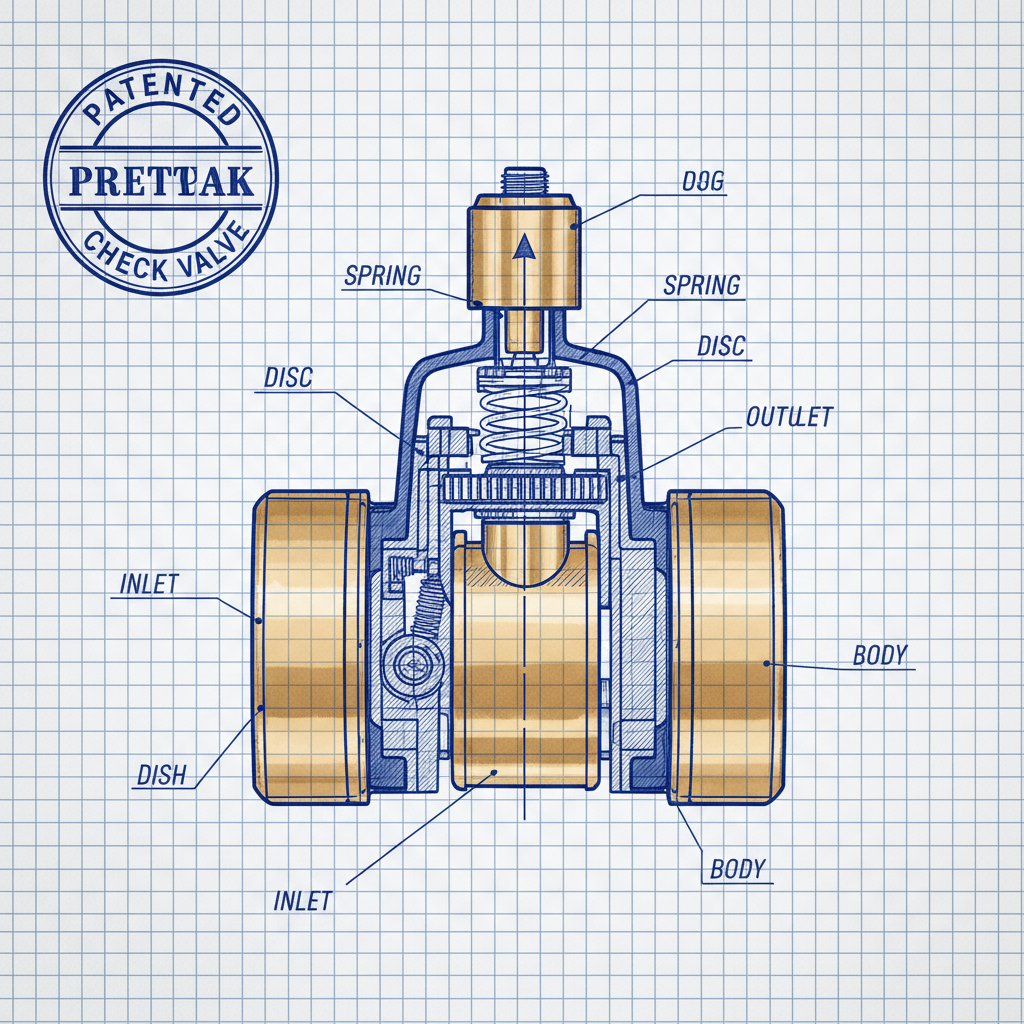
Vertical check valves are designed to allow fluid flow in one direction while automatically preventing backflow. The "vertical" orientation refers to the flow path being primarily upwards. Brass is a popular material choice due to its excellent corrosion resistance, particularly against non-aggressive fluids. These valves are often used in water systems, irrigation, fuel lines, and various industrial applications. Hongda Valve specializes in manufacturing high-quality brass check valves designed for diverse applications. They are widely used because of their ease of installation and maintenance.
Key Benefits: Corrosion resistance, durable construction, reliable backflow prevention, ease of installation, and minimal maintenance.
Applications of Wholesale Brass Vertical Check Valves
These valves find application across a wide spectrum of industries. Common uses include: water treatment plants, irrigation systems, pumping stations, fuel systems, hydraulic applications, and various industrial processes where backflow prevention is crucial. They’re particularly well-suited for low to medium pressure applications. Selecting a valve with the appropriate pressure and temperature ratings is essential to ensure its longevity and performance in your specific application.
Common Applications:
• Water Treatment Systems
• Irrigation Systems
• Pumping Stations
• Fuel Lines
• Hydraulic Systems
Wholesale Brass Vertical Check Valve: Key Features and Considerations
When sourcing wholesale brass vertical check valves, several factors are essential. The valve's body material, seat material, and spring material all impact its performance and longevity. Look for valves with a robust brass body for corrosion resistance and a tight seal to prevent leakage. The spring material should be corrosion-resistant as well, such as stainless steel. Consider the valve's flow coefficient (Cv) to ensure it can handle the required flow rate for your application.
Selecting the Right Valve: A Comparative Look
Different types of check valves are available, each suited for specific applications. Swing check valves, lift check valves, and ball check valves all have their advantages and disadvantages. Swing check valves are commonly used in water applications, while ball check valves are suitable for handling slurries or fluids with solids. Lift check valves are often used in pump applications. Choosing the correct valve type is crucial for optimal performance and preventing premature failure. The Hongda Valve team can help you determine the best valve for your specific needs.
Product Specifications (Example)
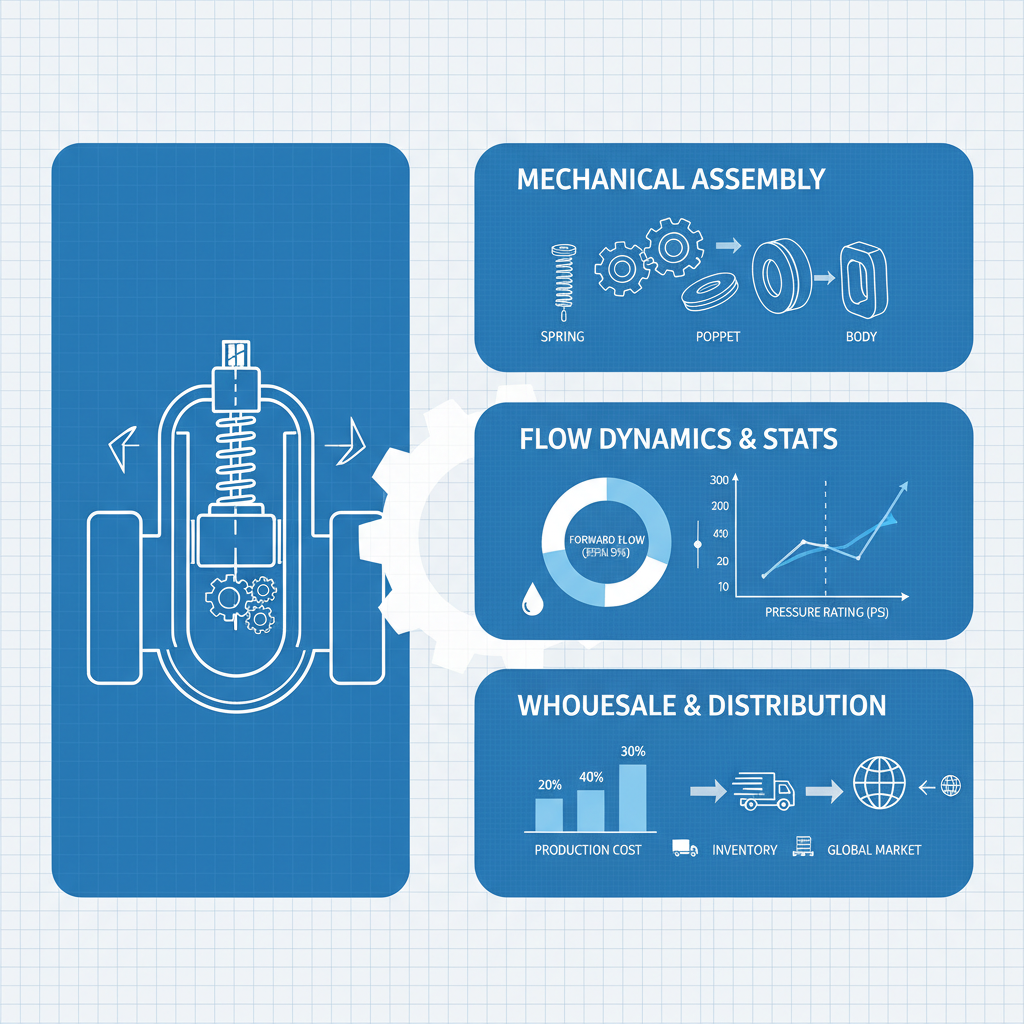
Here's an example of typical specifications for a wholesale brass vertical check valve:
Conclusion: Choosing Quality for Long-Term Reliability
Investing in high-quality wholesale brass vertical check valves from a reputable manufacturer like Hongda Valve ensures reliable performance and prevents costly downtime. Carefully consider your application's specific requirements and select a valve with the appropriate materials, pressure rating, and connection type. Proper selection and maintenance will maximize the lifespan of your valves and optimize your fluid control systems.
Frequently Asked Questions (FAQs)
What is the best way to maintain a brass check valve?
Regular inspection is key. Check for any signs of corrosion, leaks, or damage to the valve body or seat. Periodically clean the valve to remove any debris that could interfere with its operation. Avoid using abrasive cleaners that could damage the brass or seat material. Lubricating the valve stem (if applicable) can also help ensure smooth operation. Following these maintenance practices will extend the life of your valve and prevent unexpected failures.
What factors affect the flow rate of a check valve?
Several factors can influence the flow rate, including the valve's size, the pressure drop across the valve, and the fluid's viscosity. A larger valve will generally have a higher flow rate. Higher pressure drops reduce flow. More viscous fluids also reduce flow. The valve's internal design and the seat material also play a role. Selecting a valve with an appropriate flow coefficient (Cv) for your application is critical to ensure sufficient flow.
Are brass check valves suitable for all fluids?
While brass is generally corrosion-resistant, it's not compatible with all fluids. Brass can be corroded by certain chemicals, such as ammonia and chlorine. It's essential to check the compatibility of the brass alloy with the specific fluid you're using. For aggressive fluids, consider using a check valve made from a more corrosion-resistant material, such as stainless steel or PVC.
-
Industrial Guide to Wholesale Large Butterfly Valve Procurement
NewsApr.16,2026
-
High Quality Wholesale Inlet Butterfly Valve for Industrial Systems
NewsApr.09,2026
-
Comprehensive Guide to Wholesale Butterfly Valve 8 Inch Price and Selection
NewsApr.07,2026
-
Comprehensive Guide to Wholesale SS 304 Butterfly Valve Selection and Applications
NewsApr.04,2026
-
Comprehensive Guide to Wholesale Valve Material Selection and Cost Optimization
NewsMar.31,2026
-
Comprehensive Guide to Wholesale Inline Hydraulic Check Valve Solutions
NewsMar.28,2026
 Afrikaans
 Albanian
 Amharic
 Arabic
 Armenian
 Azerbaijani
 Basque
 Belarusian
 Bengali
 Bosnian
 Bulgarian
 Catalan
 Cebuano
 Corsican
 Croatian
 Czech
Czech
 Danish
 Dutch
Dutch
 Esperanto
 Estonian
 Finnish
 French
 Frisian
 Galician
 Georgian
 German
 Greek
Greek
 Gujarati
 Haitian Creole
 Hausa
Hausa
 Hawaiian
 Hebrew
 Hindi
Hindi
 Miao
Miao
 Hungarian
 Icelandic
 Igbo
Igbo
 Indonesian
 Irish
Irish
 Italian
 Japanese
 Javanese
 Kannada
 Kazakh
 Khmer
Khmer
 Rwandese
 Korean
 Kurdish
 Kyrgyz
 Lao
Lao
 Latin
Latin
 Latvian
 Lithuanian
 Luxembourgish
 Macedonian
 Malgashi
 Malay
Malay
 Malayalam
 Maltese
 Maori
Maori
 Marathi
 Mongolian
 Myanmar
 Nepali
 Norwegian
 Norwegian
 Occitan
 Pashto
 Persian
 Polish
 Portuguese
 Punjabi
 Romanian
 Russian
 Samoan
 Scottish Gaelic
 Serbian
 Sesotho
 Shona
Shona
 Sindhi
 Sinhala
 Slovak
 Slovenian
 Somali
 Spanish
 Sundanese
 Swahili
 Swedish
 Tagalog
 Tajik
Tajik
 Tamil
Tamil
 Tatar
Tatar
 Telugu
 Thai
Thai
 Turkish
 Turkmen
 Ukrainian
 Urdu
Urdu
 Uighur
 Uzbek
Uzbek
 Vietnamese
 Welsh
Welsh
 Bantu
Bantu
 Yiddish
 Yoruba
 Zulu
Zulu
 English