
- Call Us
- +8618633052223
- njhdvlz@163.com
Jan . 27, 2026 17:35 Back to list
Comprehensive Guide to Wholesale Methanol Check Valve Selection and Application
Wholesale Methanol Check Valve: A Comprehensive Guide
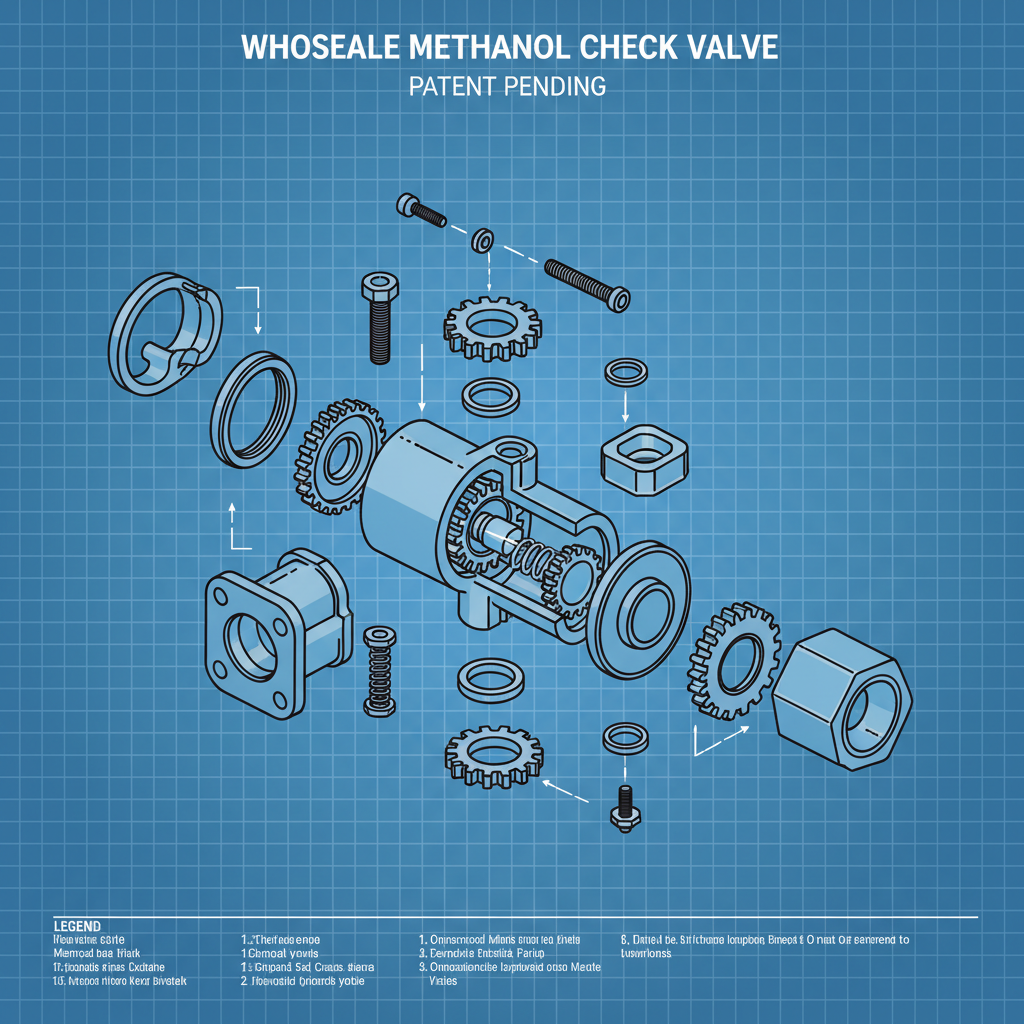
When sourcing industrial components, choosing the right check valve is critical for efficient and safe fluid handling. Specifically, for applications involving methanol, a wholesale methanol check valve is essential. This article will provide a detailed overview of methanol check valves, their applications, material considerations, and factors to consider when making a bulk purchase. We'll explore why selecting a reputable supplier like Hongda Valve ensures quality and reliability.
Understanding Methanol and its Check Valve Requirements
Methanol is a highly flammable and corrosive chemical used in various industrial processes, including antifreeze, solvent production, and as a fuel source. Due to its properties, selecting a check valve compatible with methanol is paramount to prevent leaks, corrosion, and potential hazards. Standard check valves may not withstand the prolonged exposure to methanol, leading to premature failure and safety risks. Hongda Valve specializes in providing check valves specifically engineered for corrosive media like methanol. These valves are designed to maintain system integrity and ensure safe operation.
Key Considerations: Methanol's corrosive nature demands check valves constructed from materials that resist degradation. Proper sealing is crucial to prevent leaks and maintain system efficiency.
Material Selection for Wholesale Methanol Check Valves
The material of construction is arguably the most critical factor when choosing a methanol check valve. Commonly used materials include Stainless Steel (316/304), PTFE (Teflon), and certain grades of plastics. Stainless Steel 316 offers excellent corrosion resistance to methanol, while PTFE provides a superior sealing solution. The valve’s body, disc, and seat should all be constructed from compatible materials to ensure long-term reliability. Consider the temperature and pressure ranges of your application when selecting materials; higher temperatures or pressures may necessitate more robust materials.
Material Comparison for Methanol Service:
• Stainless Steel 316: Excellent corrosion resistance, suitable for high-temperature/pressure applications.
• PTFE (Teflon): Superior chemical resistance and sealing, ideal for low-temperature applications.
• PVC/PP: Cost-effective, suitable for lower pressure and temperature applications with limited methanol exposure.
Wholesale Methanol Check Valve Types and Applications
Various check valve designs are suitable for methanol service, each with its own advantages. Swing check valves are commonly used for their simplicity and cost-effectiveness, while lift check valves provide quicker response times and are ideal for pulsating flows. Ball check valves offer tight shut-off and are resistant to backflow. Diaphragm check valves are excellent for hygienic applications and prevent contamination. The choice depends on factors like flow rate, pressure drop, and the specific requirements of your system. Common applications include methanol storage tanks, fuel blending systems, and chemical processing plants.
Why Choose Hongda Valve for Your Wholesale Needs?
Sourcing from a reliable supplier is crucial when purchasing wholesale methanol check valves. Hongda Valve offers a comprehensive range of check valves specifically designed for methanol and other corrosive media. We provide competitive pricing, strict quality control, and efficient logistics to ensure timely delivery. Our experienced engineering team can assist you in selecting the optimal valve type and materials for your application. We also offer customization options to meet your specific requirements.
Key Specifications & Quality Assurance
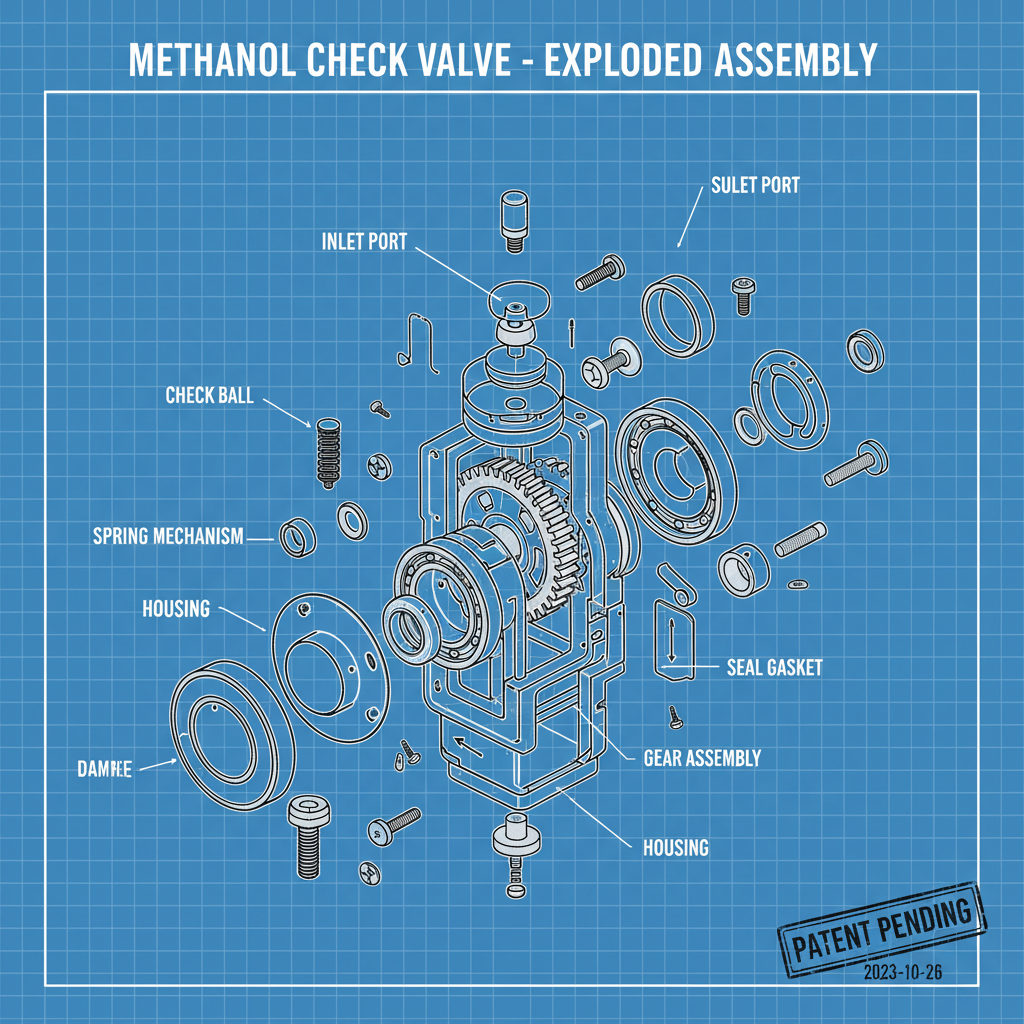
At Hongda Valve, our wholesale methanol check valves undergo rigorous testing to ensure they meet international standards. We adhere to strict quality control procedures throughout the manufacturing process. Here's a look at some of our key specifications:
Conclusion: Partner with Hongda Valve for Reliable Methanol Check Valves
Choosing the right wholesale methanol check valve is essential for safety, efficiency, and long-term cost savings. Hongda Valve provides high-quality valves, expert support, and competitive pricing. Contact us today to discuss your specific needs and receive a customized quote.
Frequently Asked Questions (FAQs)
What is the expected lifespan of a methanol check valve?
The lifespan of a methanol check valve varies depending on factors such as the quality of materials, frequency of use, and the specific methanol concentration. However, with proper maintenance and the use of high-quality materials like SS316 and PTFE, you can expect a lifespan of 5-10 years. Regular inspections are crucial to identify any signs of corrosion or wear and tear. Replacing the valve proactively can prevent costly downtime and ensure continued safe operation.
What certifications should I look for in a methanol check valve supplier?
Look for suppliers with ISO 9001 certification, demonstrating their commitment to quality management systems. Additionally, valves intended for specific applications may require certifications like CE marking or other relevant industry standards. Hongda Valve is committed to meeting and exceeding industry standards, ensuring our products are safe, reliable, and compliant.
How do I determine the correct size check valve for my methanol application?
Determining the correct size involves considering the flow rate, pipe diameter, and the pressure drop allowed in your system. It’s important to calculate the required valve capacity to ensure it can handle the maximum flow rate without causing excessive pressure loss. Our team of engineers at Hongda Valve can assist you with these calculations and recommend the appropriate valve size based on your specific application requirements.
-
Industrial Guide to Wholesale Large Butterfly Valve Procurement
NewsApr.16,2026
-
High Quality Wholesale Inlet Butterfly Valve for Industrial Systems
NewsApr.09,2026
-
Comprehensive Guide to Wholesale Butterfly Valve 8 Inch Price and Selection
NewsApr.07,2026
-
Comprehensive Guide to Wholesale SS 304 Butterfly Valve Selection and Applications
NewsApr.04,2026
-
Comprehensive Guide to Wholesale Valve Material Selection and Cost Optimization
NewsMar.31,2026
-
Comprehensive Guide to Wholesale Inline Hydraulic Check Valve Solutions
NewsMar.28,2026
 Afrikaans
 Albanian
 Amharic
 Arabic
 Armenian
 Azerbaijani
 Basque
 Belarusian
 Bengali
 Bosnian
 Bulgarian
 Catalan
 Cebuano
 Corsican
 Croatian
 Czech
Czech
 Danish
 Dutch
Dutch
 Esperanto
 Estonian
 Finnish
 French
 Frisian
 Galician
 Georgian
 German
 Greek
Greek
 Gujarati
 Haitian Creole
 Hausa
Hausa
 Hawaiian
 Hebrew
 Hindi
Hindi
 Miao
Miao
 Hungarian
 Icelandic
 Igbo
Igbo
 Indonesian
 Irish
Irish
 Italian
 Japanese
 Javanese
 Kannada
 Kazakh
 Khmer
Khmer
 Rwandese
 Korean
 Kurdish
 Kyrgyz
 Lao
Lao
 Latin
Latin
 Latvian
 Lithuanian
 Luxembourgish
 Macedonian
 Malgashi
 Malay
Malay
 Malayalam
 Maltese
 Maori
Maori
 Marathi
 Mongolian
 Myanmar
 Nepali
 Norwegian
 Norwegian
 Occitan
 Pashto
 Persian
 Polish
 Portuguese
 Punjabi
 Romanian
 Russian
 Samoan
 Scottish Gaelic
 Serbian
 Sesotho
 Shona
Shona
 Sindhi
 Sinhala
 Slovak
 Slovenian
 Somali
 Spanish
 Sundanese
 Swahili
 Swedish
 Tagalog
 Tajik
Tajik
 Tamil
Tamil
 Tatar
Tatar
 Telugu
 Thai
Thai
 Turkish
 Turkmen
 Ukrainian
 Urdu
Urdu
 Uighur
 Uzbek
Uzbek
 Vietnamese
 Welsh
Welsh
 Bantu
Bantu
 Yiddish
 Yoruba
 Zulu
Zulu
 English