
- Call Us
- +8618633052223
- njhdvlz@163.com
Sep . 23, 2025 01:55 Back to list
Double Flanged Short Pattern Butterfly Valve | Compact & Reliable Flow
Introduction to Double Flanged Short Pattern Butterfly Valves and Industry Trends
In the dynamic landscape of industrial fluid control, the efficiency and reliability of valves are paramount. Among the array of critical components, the double flanged short pattern butterfly valve stands out as a robust and highly versatile solution for demanding applications. This type of valve is engineered to provide positive shut-off and precise flow regulation in pipelines, characterized by its compact face-to-face dimension compared to traditional flanged valves, making it ideal for space-constrained installations.
The global industrial valve market is experiencing significant growth, driven by increasing infrastructure development, particularly in water treatment, oil & gas, and chemical processing sectors. Projections indicate a compound annual growth rate (CAGR) of over 5% for industrial valves, reaching an estimated market size exceeding $100 billion by 2027. Within this, butterfly valves, including the double flanged butterfly valve variant, are gaining traction due to their cost-effectiveness, lighter weight, and efficient operation. Key trends include the adoption of intelligent valve solutions with integrated sensors for predictive maintenance, a strong emphasis on materials science for enhanced corrosion resistance, and continued demand for valves that meet stringent environmental and safety regulations.
The demand for more sustainable and energy-efficient systems is pushing manufacturers to innovate. Valves that offer lower pressure drop, reduced operational torque, and longer service life are highly sought after. Furthermore, digitalization in industrial processes requires valves capable of seamless integration into automated control systems, emphasizing the need for robust design and reliable performance from components like the butterfly valve double flange type. This comprehensive guide will delve into the technical intricacies, manufacturing excellence, diverse applications, and inherent advantages of this essential industrial component.
Technical Specifications and Parameters
The performance and reliability of a double flanged short pattern butterfly valve are defined by its precise technical specifications. These parameters ensure optimal functionality across various industrial environments and adherence to international standards.
Key Specifications Overview:
- Design Standard: Typically conforms to EN 593, API 609 Category B, MSS SP-67, and ISO 5752 Series 13 (Short Pattern) for face-to-face dimensions.
- Pressure Rating: Common ratings include PN6, PN10, PN16, Class 150, capable of handling operating pressures up to 16 bar (232 psi).
- Temperature Range: Dependent on body, disc, and seat materials, typically ranging from -29°C to +200°C (-20°F to +392°F).
- Size Range: Available from DN50 (2 inches) up to DN2000 (80 inches) and beyond, catering to diverse pipeline requirements.
- Flange Drilling: Compatible with various flange standards such as EN 1092-2, ASME B16.5, ASME B16.47, JIS B2220.
- Leakage Class: Typically meets Class A (bubble-tight shut-off) in accordance with EN 12266-1 / API 598.
- Actuation: Adaptable for manual (lever/gearbox), pneumatic, electric, or hydraulic actuation systems.
Material Selection for Enhanced Performance:
The choice of materials is critical for longevity and performance in specific fluid media. Common configurations for the butterfly valve double flange include:
- Body: Ductile Iron (EN-GJS-400-15 / ASTM A536 60-40-18), Cast Iron (GG25 / ASTM A126 Class B), Cast Steel (WCB), Stainless Steel (CF8M / SS316).
- Disc: Ductile Iron (Nickel plated), Stainless Steel (SS304, SS316, SS316L, Duplex), Bronze.
- Stem: Stainless Steel (SS410, SS416, SS304, SS316), Duplex Stainless Steel.
- Seat: EPDM, NBR, Viton, PTFE, Hypalon – selected based on chemical compatibility and temperature.
Typical Product Specification Table:
Manufacturing Process Flow and Quality Assurance
The manufacturing of a high-performance double flanged short pattern butterfly valve is a meticulous process, integrating advanced engineering with stringent quality control to ensure a durable and reliable product. Our commitment to excellence is embedded in every stage, from raw material selection to final assembly and testing.
Detailed Manufacturing Steps:
- Raw Material Procurement & Inspection: We source premium-grade materials such as ductile iron, cast steel, and various stainless steels from certified suppliers. Each batch undergoes rigorous inspection for chemical composition (e.g., spectrometer analysis), mechanical properties, and compliance with standards like ASTM, EN, and JIS.
- Casting/Forging: Body and disc components are typically formed through precision casting for ductile iron and cast steel, or forging for specialized high-strength applications. This ensures structural integrity and dimensional accuracy. Advanced simulation software is used to optimize mold designs, minimizing defects like porosity or shrinkage.
- CNC Machining: State-of-the-art CNC machining centers precisely machine critical surfaces such as flange faces, bore, stem holes, and disc profiles. This guarantees tight tolerances, superior surface finish, and accurate alignment, crucial for bubble-tight sealing and smooth operation.
- Surface Treatment & Coating: Depending on the application, components may undergo surface treatments such as nickel plating for ductile iron discs to enhance corrosion resistance, or epoxy powder coating (FBE) for valve bodies for robust external protection and potable water compatibility.
- Seat Vulcanization & Insertion: Elastomeric seats (EPDM, NBR, Viton) are either molded directly onto the body or precisely inserted and secured. The vulcanization process is tightly controlled to ensure optimal elasticity, resilience, and adhesion, critical for achieving Class A leakage rates.
- Assembly: Skilled technicians meticulously assemble the valve, integrating the body, disc, stem, seat, and packing. All sub-components are checked for fit and function. Torque specifications are strictly followed to prevent over-stressing or under-tightening.
- Testing & Quality Control: Every butterfly valve double flange type undergoes comprehensive testing according to international standards such as ISO 5208, EN 12266-1, and API 598. This includes hydrostatic shell testing (1.5x PN), low-pressure air seat testing (1.1x PN), and operational torque testing. Non-destructive testing (NDT) methods like ultrasonic and radiographic inspection are applied for critical components.
- Finishing & Packaging: Final inspection verifies external appearance, painting, and identification markings. Valves are then carefully packaged to prevent damage during transit, ensuring they arrive in pristine condition.
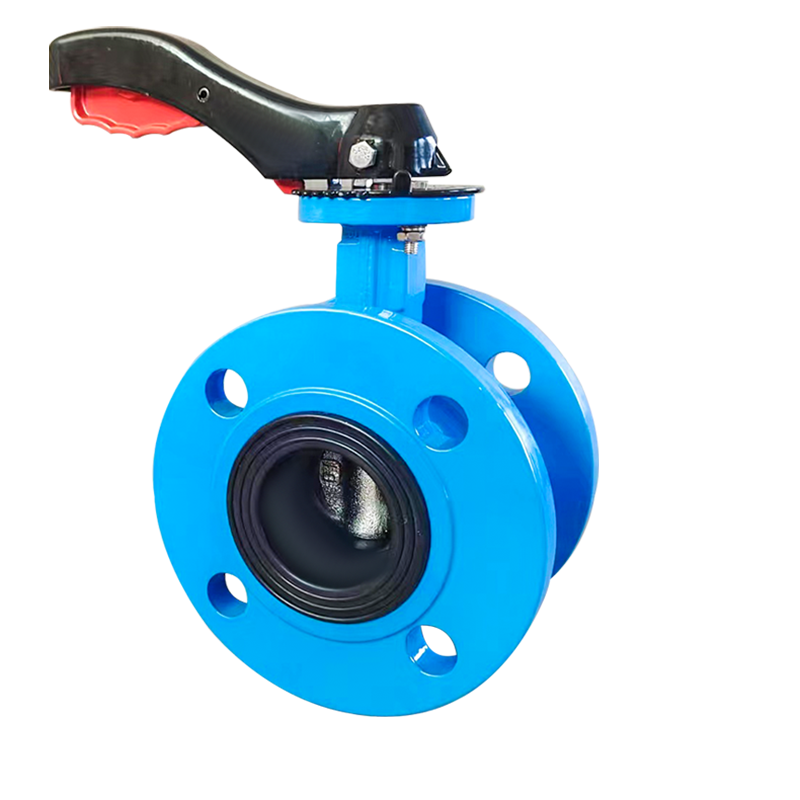
Figure 1: Cutaway view of a double flange type butterfly valve illustrating internal components.
Our robust process ensures an extended service life for our valves, often exceeding 15-20 years under normal operating conditions, validated by accelerated aging tests and field performance data. Our facilities hold ISO 9001 certification, underscoring our commitment to a quality management system that consistently delivers products meeting customer and regulatory requirements.
Application Scenarios and Technical Advantages
The inherent design and robust construction of the double flanged short pattern butterfly valve make it indispensable across a multitude of industrial sectors. Its advantages extend beyond simple flow control, offering significant operational benefits.
Target Industries:
- Water Supply & Drainage: Essential for municipal water treatment plants, pumping stations, and distribution networks due to reliable shut-off and suitability for large diameters. The compact design of the double flange valve is particularly advantageous in crowded pump rooms.
- HVAC Systems: Used in large commercial and industrial heating, ventilation, and air conditioning systems for flow control of chilled or hot water.
- Petrochemical & Chemical Processing: With appropriate material selection (e.g., stainless steel body/disc, PTFE seat), these valves handle corrosive chemicals, hydrocarbons, and demanding process fluids.
- Power Generation: Utilized in cooling water systems, intake lines, and auxiliary services in thermal, nuclear, and hydro power plants.
- Metallurgy & Mining: Capable of handling abrasive slurries and high-temperature gases in processing plants.
- Food & Beverage: Stainless steel variants with hygienic seats are employed in processes requiring sanitary conditions.
Key Technical Advantages:
- Space-Saving Design: The "short pattern" designation means a reduced face-to-face dimension, crucial for installations where space is at a premium, without compromising performance.
- Robust Bi-directional Sealing: Designed for bubble-tight shut-off in both flow directions, ensuring reliable isolation.
- Energy Efficiency: The disc's thin profile offers minimal obstruction to flow when fully open, resulting in lower pressure drop and reduced pumping energy requirements compared to globe valves. This translates directly to operational cost savings.
- Corrosion Resistance: A wide range of material combinations (body, disc, seat) allows for superior resistance to corrosive fluids and harsh environments, extending valve life and reducing maintenance.
- Ease of Installation & Maintenance: The flanged ends allow for secure, direct bolting into the pipeline, facilitating straightforward installation and removal for servicing. Fewer moving parts compared to gate or globe valves means simpler maintenance.
- Cost-Effectiveness: Generally more economical in large sizes than gate or globe valves, both in initial purchase and long-term operational costs due to lower weight and simpler construction.
- Wide Temperature & Pressure Range: Adaptable to diverse operating conditions through judicious material selection.
These advantages make the double flanged short pattern butterfly valve a preferred choice for engineers and procurement specialists seeking a balance of performance, durability, and value.
Vendor Comparison and Customized Solutions
Choosing the right supplier for industrial valves, especially for critical components like a double flanged short pattern butterfly valve, involves evaluating several factors beyond just price. Quality, reliability, customization capabilities, and after-sales support are paramount for long-term operational success.
Key Vendor Comparison Criteria:
- Certifications & Compliance: Verify adherence to international standards (ISO 9001, CE, WRAS, ACS, etc.) and industry-specific certifications. This indicates a commitment to quality and safety.
- Manufacturing Capabilities: Assess whether the vendor has in-house casting, machining, and testing facilities, which often translates to better quality control and shorter lead times.
- Material Expertise: A vendor with deep knowledge in metallurgy and polymer science can recommend optimal material combinations for specific fluid characteristics and operating conditions, crucial for applications involving corrosive or abrasive media.
- Track Record & References: Look for established experience in the industry, long-term client relationships, and positive case studies from similar applications.
- Technical Support & Engineering: Availability of skilled engineers for pre-sales consultation, custom design, and post-sales troubleshooting.
- Warranty & After-Sales Service: Robust warranty policies and readily available spare parts and maintenance services are vital.
Customized Solutions:
While standard butterfly double flange valves meet most requirements, many industrial applications demand tailor-made solutions. A proficient manufacturer can offer extensive customization options:
- Special Materials: Beyond standard ductile iron and stainless steel, options include Hastelloy, Monel, Duplex, or Super Duplex stainless steels for extreme corrosive or high-temperature services.
- Advanced Coatings: Specialized coatings like ceramic, Rilsan, or PFA can be applied to discs and bodies for enhanced abrasion, chemical, or adhesion resistance.
- Actuation & Automation: Integration with specific actuators (pneumatic, electric, hydraulic) and control accessories (positioners, limit switches, solenoids) to fit existing SCADA or DCS systems.
- Specific Face-to-Face Dimensions: While short pattern is standard, specific project requirements might necessitate custom face-to-face dimensions to match existing pipeline layouts.
- Special Testing & Documentation: Witnessed hydrostatic tests, NDT, material traceability reports, performance curves, and specific project documentation packages (e.g., ITP, MDR).
- Unique Sealing Arrangements: For ultra-low leakage or vacuum applications, alternative seat designs or multiple sealing arrangements can be engineered.
Collaborating with a manufacturer capable of providing these bespoke solutions ensures that the double flanged valve perfectly integrates into complex systems, optimizing performance and maximizing operational efficiency.
Application Case Studies and Customer Feedback
Real-world application demonstrates the tangible benefits and reliability of the double flanged short pattern butterfly valve in diverse industrial settings. Our products have been rigorously tested in demanding conditions, consistently delivering superior performance.
Case Study 1: Municipal Water Treatment Plant Upgrade
- Client: Major Municipal Water Authority, EMEA Region
- Challenge: An aging water treatment facility required an upgrade of its main intake and distribution lines (DN600-DN1000) to improve flow control, reduce leakage, and minimize maintenance. Space constraints within existing pump houses were a significant concern.
- Solution: We supplied 45 units of PN16 double flanged short pattern butterfly valves with ductile iron bodies, epoxy coating, SS316 discs, and EPDM seats. The short pattern design facilitated easy installation in tight spaces, and the robust construction ensured compliance with WRAS (Water Regulations Advisory Scheme) standards.
- Result: The client reported a 98% reduction in observed leakage rates across the upgraded lines within the first year. The lower operating torque of the valves also allowed for more efficient actuator sizing, leading to estimated energy savings of 7% in pumping costs annually. Maintenance cycles were extended by 50% compared to previous valve types.
Case Study 2: Chemical Plant Effluent Treatment
- Client: Large-scale Chemical Manufacturer, Asia-Pacific
- Challenge: Controlling highly corrosive effluent (pH 2-12) at temperatures up to 80°C in an effluent treatment plant. Previous valves suffered from rapid corrosion and frequent seal failures.
- Solution: We provided custom-engineered DN300 and DN400 double flanged butterfly valve units featuring Super Duplex stainless steel bodies and discs, with a specialized PTFE seat and Viton O-rings, all designed for superior chemical resistance. Valves were equipped with pneumatic actuators for automated process control.
- Result: Over two years of continuous operation, the valves showed no signs of material degradation or leakage, significantly outperforming the previous units which required replacement every 6-9 months. This led to substantial reductions in downtime, maintenance costs, and improved safety for plant personnel. The client praised the meticulous engineering and material selection provided.
Customer Feedback:
"The Hongda Valve team's expertise in selecting the right materials for our specific chemical process was invaluable. The double flange type butterfly valve has performed flawlessly, exceeding our expectations for durability and operational efficiency." - Chief Engineer, Petrochemical Refining Facility.
"We have standardized on their short pattern butterfly valves for all new water infrastructure projects. The ease of installation and the consistent, reliable shut-off has made a noticeable difference in our project timelines and operational stability." - Project Manager, National Water & Sewerage Board.
Trustworthiness: FAQ, Lead Time, Warranty & Support
Building trust is fundamental in B2B relationships. We are committed to transparency and providing comprehensive support for our double flanged short pattern butterfly valve solutions.
Frequently Asked Questions (FAQ):
- Q: What is the primary advantage of a short pattern design?
- A: The short pattern design offers a reduced face-to-face dimension compared to long pattern or other valve types, making it ideal for installations with limited space and reducing pipeline stress.
- Q: How do I select the correct seat material for my application?
- A: Seat material selection is crucial and depends on the fluid's chemical compatibility, operating temperature, and pressure. EPDM is common for water, NBR for hydrocarbons, and Viton/PTFE for aggressive chemicals or higher temperatures. Our engineering team can provide detailed recommendations.
- Q: Are these valves suitable for throttling or flow regulation?
- A: While butterfly valves excel at on-off service, they can also be used for throttling, particularly those with a V-port disc or characterized disc. However, for precise, continuous throttling, other valve types might be more suitable depending on the specific control requirements. For most applications, the double flanged short pattern butterfly valve provides sufficient control.
- Q: What inspection and testing are performed?
- A: All valves undergo stringent testing per ISO 5208, EN 12266-1 (Rate A bubble-tight shut-off), and API 598. This includes hydrostatic shell tests, low-pressure air seat tests, and functional operation tests. Material certifications and test reports are provided with each order.
Lead Time & Fulfillment Details:
Our standard lead time for common sizes and configurations of double flanged butterfly valve is typically 4-6 weeks from order confirmation. For custom solutions or very large diameters, lead times may vary and will be communicated clearly during the quotation process. We maintain a robust inventory of raw materials and standard components to facilitate efficient production and often offer expedited options for urgent project requirements.
Warranty Commitments:
We provide a comprehensive 12-month warranty from installation or 18-month from shipment (whichever comes first) on all our valves, including the double flanged short pattern butterfly valve, covering manufacturing defects and material failures under normal operating conditions. Our commitment extends to ensuring your long-term satisfaction and operational security.
Customer Support & After-Sales Service:
Our dedicated customer support team and network of technical specialists are available globally to assist with installation guidance, troubleshooting, spare parts, and maintenance services. We offer technical documentation, operational manuals, and training programs to ensure optimal performance and longevity of your valve assets. For immediate assistance, please contact our support hotline or email our technical service department.
Conclusion
The double flanged short pattern butterfly valve represents a pinnacle of efficient and reliable fluid control technology. Its compact design, coupled with versatile material options and robust manufacturing processes, positions it as an indispensable component across critical industrial sectors. From water infrastructure to petrochemical processing, its ability to deliver precise flow regulation and bubble-tight shut-off, alongside significant advantages in space-saving, energy efficiency, and corrosion resistance, makes it a superior choice for discerning engineers and project managers. By partnering with a manufacturer committed to stringent quality standards, extensive customization, and dedicated after-sales support, industries can ensure the longevity, safety, and optimal performance of their fluid handling systems.
References
- ISO 5752: Metal valves for use in flanged pipe systems -- Face-to-face and centre-to-face dimensions.
- EN 12266-1: Industrial valves -- Testing of valves -- Part 1: Pressure tests, test procedures and acceptance criteria -- Mandatory requirements.
- API 609: Butterfly Valves: Double Flanged, Lug- and Wafer-Type.
- "Industrial Valves Market Size, Share & COVID19 Impact Analysis" - Published by Grand View Research.
- "Materials Selection for Valve Construction" - Valve World Magazine.
-
High Quality Wholesale Inlet Butterfly Valve for Industrial Systems
NewsApr.09,2026
-
Comprehensive Guide to Wholesale Butterfly Valve 8 Inch Price and Selection
NewsApr.07,2026
-
Comprehensive Guide to Wholesale SS 304 Butterfly Valve Selection and Applications
NewsApr.04,2026
-
Comprehensive Guide to Wholesale Valve Material Selection and Cost Optimization
NewsMar.31,2026
-
Comprehensive Guide to Wholesale Inline Hydraulic Check Valve Solutions
NewsMar.28,2026
-
Comprehensive Guide to Selecting Wholesale 25mm Butterfly Valve Solutions
NewsMar.26,2026
Sep . 08, 2025 16:39 Back to list
Double Flanged Short Pattern Butterfly Valve | Compact & Reliable Flow
Introduction to Double Flanged Short Pattern Butterfly Valves and Industry Trends
In the dynamic landscape of industrial fluid control, the efficiency and reliability of valves are paramount. Among the array of critical components, the double flanged short pattern butterfly valve stands out as a robust and highly versatile solution for demanding applications. This type of valve is engineered to provide positive shut-off and precise flow regulation in pipelines, characterized by its compact face-to-face dimension compared to traditional flanged valves, making it ideal for space-constrained installations.
The global industrial valve market is experiencing significant growth, driven by increasing infrastructure development, particularly in water treatment, oil & gas, and chemical processing sectors. Projections indicate a compound annual growth rate (CAGR) of over 5% for industrial valves, reaching an estimated market size exceeding $100 billion by 2027. Within this, butterfly valves, including the double flanged butterfly valve variant, are gaining traction due to their cost-effectiveness, lighter weight, and efficient operation. Key trends include the adoption of intelligent valve solutions with integrated sensors for predictive maintenance, a strong emphasis on materials science for enhanced corrosion resistance, and continued demand for valves that meet stringent environmental and safety regulations.
The demand for more sustainable and energy-efficient systems is pushing manufacturers to innovate. Valves that offer lower pressure drop, reduced operational torque, and longer service life are highly sought after. Furthermore, digitalization in industrial processes requires valves capable of seamless integration into automated control systems, emphasizing the need for robust design and reliable performance from components like the butterfly valve double flange type. This comprehensive guide will delve into the technical intricacies, manufacturing excellence, diverse applications, and inherent advantages of this essential industrial component.
Technical Specifications and Parameters
The performance and reliability of a double flanged short pattern butterfly valve are defined by its precise technical specifications. These parameters ensure optimal functionality across various industrial environments and adherence to international standards.
Key Specifications Overview:
- Design Standard: Typically conforms to EN 593, API 609 Category B, MSS SP-67, and ISO 5752 Series 13 (Short Pattern) for face-to-face dimensions.
- Pressure Rating: Common ratings include PN6, PN10, PN16, Class 150, capable of handling operating pressures up to 16 bar (232 psi).
- Temperature Range: Dependent on body, disc, and seat materials, typically ranging from -29°C to +200°C (-20°F to +392°F).
- Size Range: Available from DN50 (2 inches) up to DN2000 (80 inches) and beyond, catering to diverse pipeline requirements.
- Flange Drilling: Compatible with various flange standards such as EN 1092-2, ASME B16.5, ASME B16.47, JIS B2220.
- Leakage Class: Typically meets Class A (bubble-tight shut-off) in accordance with EN 12266-1 / API 598.
- Actuation: Adaptable for manual (lever/gearbox), pneumatic, electric, or hydraulic actuation systems.
Material Selection for Enhanced Performance:
The choice of materials is critical for longevity and performance in specific fluid media. Common configurations for the butterfly valve double flange include:
- Body: Ductile Iron (EN-GJS-400-15 / ASTM A536 60-40-18), Cast Iron (GG25 / ASTM A126 Class B), Cast Steel (WCB), Stainless Steel (CF8M / SS316).
- Disc: Ductile Iron (Nickel plated), Stainless Steel (SS304, SS316, SS316L, Duplex), Bronze.
- Stem: Stainless Steel (SS410, SS416, SS304, SS316), Duplex Stainless Steel.
- Seat: EPDM, NBR, Viton, PTFE, Hypalon – selected based on chemical compatibility and temperature.
Typical Product Specification Table:
Manufacturing Process Flow and Quality Assurance
The manufacturing of a high-performance double flanged short pattern butterfly valve is a meticulous process, integrating advanced engineering with stringent quality control to ensure a durable and reliable product. Our commitment to excellence is embedded in every stage, from raw material selection to final assembly and testing.
Detailed Manufacturing Steps:
- Raw Material Procurement & Inspection: We source premium-grade materials such as ductile iron, cast steel, and various stainless steels from certified suppliers. Each batch undergoes rigorous inspection for chemical composition (e.g., spectrometer analysis), mechanical properties, and compliance with standards like ASTM, EN, and JIS.
- Casting/Forging: Body and disc components are typically formed through precision casting for ductile iron and cast steel, or forging for specialized high-strength applications. This ensures structural integrity and dimensional accuracy. Advanced simulation software is used to optimize mold designs, minimizing defects like porosity or shrinkage.
- CNC Machining: State-of-the-art CNC machining centers precisely machine critical surfaces such as flange faces, bore, stem holes, and disc profiles. This guarantees tight tolerances, superior surface finish, and accurate alignment, crucial for bubble-tight sealing and smooth operation.
- Surface Treatment & Coating: Depending on the application, components may undergo surface treatments such as nickel plating for ductile iron discs to enhance corrosion resistance, or epoxy powder coating (FBE) for valve bodies for robust external protection and potable water compatibility.
- Seat Vulcanization & Insertion: Elastomeric seats (EPDM, NBR, Viton) are either molded directly onto the body or precisely inserted and secured. The vulcanization process is tightly controlled to ensure optimal elasticity, resilience, and adhesion, critical for achieving Class A leakage rates.
- Assembly: Skilled technicians meticulously assemble the valve, integrating the body, disc, stem, seat, and packing. All sub-components are checked for fit and function. Torque specifications are strictly followed to prevent over-stressing or under-tightening.
- Testing & Quality Control: Every butterfly valve double flange type undergoes comprehensive testing according to international standards such as ISO 5208, EN 12266-1, and API 598. This includes hydrostatic shell testing (1.5x PN), low-pressure air seat testing (1.1x PN), and operational torque testing. Non-destructive testing (NDT) methods like ultrasonic and radiographic inspection are applied for critical components.
- Finishing & Packaging: Final inspection verifies external appearance, painting, and identification markings. Valves are then carefully packaged to prevent damage during transit, ensuring they arrive in pristine condition.
Figure 1: Cutaway view of a double flange type butterfly valve illustrating internal components.
Our robust process ensures an extended service life for our valves, often exceeding 15-20 years under normal operating conditions, validated by accelerated aging tests and field performance data. Our facilities hold ISO 9001 certification, underscoring our commitment to a quality management system that consistently delivers products meeting customer and regulatory requirements.
Application Scenarios and Technical Advantages
The inherent design and robust construction of the double flanged short pattern butterfly valve make it indispensable across a multitude of industrial sectors. Its advantages extend beyond simple flow control, offering significant operational benefits.
Target Industries:
- Water Supply & Drainage: Essential for municipal water treatment plants, pumping stations, and distribution networks due to reliable shut-off and suitability for large diameters. The compact design of the double flange valve is particularly advantageous in crowded pump rooms.
- HVAC Systems: Used in large commercial and industrial heating, ventilation, and air conditioning systems for flow control of chilled or hot water.
- Petrochemical & Chemical Processing: With appropriate material selection (e.g., stainless steel body/disc, PTFE seat), these valves handle corrosive chemicals, hydrocarbons, and demanding process fluids.
- Power Generation: Utilized in cooling water systems, intake lines, and auxiliary services in thermal, nuclear, and hydro power plants.
- Metallurgy & Mining: Capable of handling abrasive slurries and high-temperature gases in processing plants.
- Food & Beverage: Stainless steel variants with hygienic seats are employed in processes requiring sanitary conditions.
Key Technical Advantages:
- Space-Saving Design: The "short pattern" designation means a reduced face-to-face dimension, crucial for installations where space is at a premium, without compromising performance.
- Robust Bi-directional Sealing: Designed for bubble-tight shut-off in both flow directions, ensuring reliable isolation.
- Energy Efficiency: The disc's thin profile offers minimal obstruction to flow when fully open, resulting in lower pressure drop and reduced pumping energy requirements compared to globe valves. This translates directly to operational cost savings.
- Corrosion Resistance: A wide range of material combinations (body, disc, seat) allows for superior resistance to corrosive fluids and harsh environments, extending valve life and reducing maintenance.
- Ease of Installation & Maintenance: The flanged ends allow for secure, direct bolting into the pipeline, facilitating straightforward installation and removal for servicing. Fewer moving parts compared to gate or globe valves means simpler maintenance.
- Cost-Effectiveness: Generally more economical in large sizes than gate or globe valves, both in initial purchase and long-term operational costs due to lower weight and simpler construction.
- Wide Temperature & Pressure Range: Adaptable to diverse operating conditions through judicious material selection.
These advantages make the double flanged short pattern butterfly valve a preferred choice for engineers and procurement specialists seeking a balance of performance, durability, and value.
Vendor Comparison and Customized Solutions
Choosing the right supplier for industrial valves, especially for critical components like a double flanged short pattern butterfly valve, involves evaluating several factors beyond just price. Quality, reliability, customization capabilities, and after-sales support are paramount for long-term operational success.
Key Vendor Comparison Criteria:
- Certifications & Compliance: Verify adherence to international standards (ISO 9001, CE, WRAS, ACS, etc.) and industry-specific certifications. This indicates a commitment to quality and safety.
- Manufacturing Capabilities: Assess whether the vendor has in-house casting, machining, and testing facilities, which often translates to better quality control and shorter lead times.
- Material Expertise: A vendor with deep knowledge in metallurgy and polymer science can recommend optimal material combinations for specific fluid characteristics and operating conditions, crucial for applications involving corrosive or abrasive media.
- Track Record & References: Look for established experience in the industry, long-term client relationships, and positive case studies from similar applications.
- Technical Support & Engineering: Availability of skilled engineers for pre-sales consultation, custom design, and post-sales troubleshooting.
- Warranty & After-Sales Service: Robust warranty policies and readily available spare parts and maintenance services are vital.
Customized Solutions:
While standard butterfly double flange valves meet most requirements, many industrial applications demand tailor-made solutions. A proficient manufacturer can offer extensive customization options:
- Special Materials: Beyond standard ductile iron and stainless steel, options include Hastelloy, Monel, Duplex, or Super Duplex stainless steels for extreme corrosive or high-temperature services.
- Advanced Coatings: Specialized coatings like ceramic, Rilsan, or PFA can be applied to discs and bodies for enhanced abrasion, chemical, or adhesion resistance.
- Actuation & Automation: Integration with specific actuators (pneumatic, electric, hydraulic) and control accessories (positioners, limit switches, solenoids) to fit existing SCADA or DCS systems.
- Specific Face-to-Face Dimensions: While short pattern is standard, specific project requirements might necessitate custom face-to-face dimensions to match existing pipeline layouts.
- Special Testing & Documentation: Witnessed hydrostatic tests, NDT, material traceability reports, performance curves, and specific project documentation packages (e.g., ITP, MDR).
- Unique Sealing Arrangements: For ultra-low leakage or vacuum applications, alternative seat designs or multiple sealing arrangements can be engineered.
Collaborating with a manufacturer capable of providing these bespoke solutions ensures that the double flanged valve perfectly integrates into complex systems, optimizing performance and maximizing operational efficiency.
Application Case Studies and Customer Feedback
Real-world application demonstrates the tangible benefits and reliability of the double flanged short pattern butterfly valve in diverse industrial settings. Our products have been rigorously tested in demanding conditions, consistently delivering superior performance.
Case Study 1: Municipal Water Treatment Plant Upgrade
- Client: Major Municipal Water Authority, EMEA Region
- Challenge: An aging water treatment facility required an upgrade of its main intake and distribution lines (DN600-DN1000) to improve flow control, reduce leakage, and minimize maintenance. Space constraints within existing pump houses were a significant concern.
- Solution: We supplied 45 units of PN16 double flanged short pattern butterfly valves with ductile iron bodies, epoxy coating, SS316 discs, and EPDM seats. The short pattern design facilitated easy installation in tight spaces, and the robust construction ensured compliance with WRAS (Water Regulations Advisory Scheme) standards.
- Result: The client reported a 98% reduction in observed leakage rates across the upgraded lines within the first year. The lower operating torque of the valves also allowed for more efficient actuator sizing, leading to estimated energy savings of 7% in pumping costs annually. Maintenance cycles were extended by 50% compared to previous valve types.
Case Study 2: Chemical Plant Effluent Treatment
- Client: Large-scale Chemical Manufacturer, Asia-Pacific
- Challenge: Controlling highly corrosive effluent (pH 2-12) at temperatures up to 80°C in an effluent treatment plant. Previous valves suffered from rapid corrosion and frequent seal failures.
- Solution: We provided custom-engineered DN300 and DN400 double flanged butterfly valve units featuring Super Duplex stainless steel bodies and discs, with a specialized PTFE seat and Viton O-rings, all designed for superior chemical resistance. Valves were equipped with pneumatic actuators for automated process control.
- Result: Over two years of continuous operation, the valves showed no signs of material degradation or leakage, significantly outperforming the previous units which required replacement every 6-9 months. This led to substantial reductions in downtime, maintenance costs, and improved safety for plant personnel. The client praised the meticulous engineering and material selection provided.
Customer Feedback:
"The Hongda Valve team's expertise in selecting the right materials for our specific chemical process was invaluable. The double flange type butterfly valve has performed flawlessly, exceeding our expectations for durability and operational efficiency." - Chief Engineer, Petrochemical Refining Facility.
"We have standardized on their short pattern butterfly valves for all new water infrastructure projects. The ease of installation and the consistent, reliable shut-off has made a noticeable difference in our project timelines and operational stability." - Project Manager, National Water & Sewerage Board.
Trustworthiness: FAQ, Lead Time, Warranty & Support
Building trust is fundamental in B2B relationships. We are committed to transparency and providing comprehensive support for our double flanged short pattern butterfly valve solutions.
Frequently Asked Questions (FAQ):
- Q: What is the primary advantage of a short pattern design?
- A: The short pattern design offers a reduced face-to-face dimension compared to long pattern or other valve types, making it ideal for installations with limited space and reducing pipeline stress.
- Q: How do I select the correct seat material for my application?
- A: Seat material selection is crucial and depends on the fluid's chemical compatibility, operating temperature, and pressure. EPDM is common for water, NBR for hydrocarbons, and Viton/PTFE for aggressive chemicals or higher temperatures. Our engineering team can provide detailed recommendations.
- Q: Are these valves suitable for throttling or flow regulation?
- A: While butterfly valves excel at on-off service, they can also be used for throttling, particularly those with a V-port disc or characterized disc. However, for precise, continuous throttling, other valve types might be more suitable depending on the specific control requirements. For most applications, the double flanged short pattern butterfly valve provides sufficient control.
- Q: What inspection and testing are performed?
- A: All valves undergo stringent testing per ISO 5208, EN 12266-1 (Rate A bubble-tight shut-off), and API 598. This includes hydrostatic shell tests, low-pressure air seat tests, and functional operation tests. Material certifications and test reports are provided with each order.
Lead Time & Fulfillment Details:
Our standard lead time for common sizes and configurations of double flanged butterfly valve is typically 4-6 weeks from order confirmation. For custom solutions or very large diameters, lead times may vary and will be communicated clearly during the quotation process. We maintain a robust inventory of raw materials and standard components to facilitate efficient production and often offer expedited options for urgent project requirements.
Warranty Commitments:
We provide a comprehensive 12-month warranty from installation or 18-month from shipment (whichever comes first) on all our valves, including the double flanged short pattern butterfly valve, covering manufacturing defects and material failures under normal operating conditions. Our commitment extends to ensuring your long-term satisfaction and operational security.
Customer Support & After-Sales Service:
Our dedicated customer support team and network of technical specialists are available globally to assist with installation guidance, troubleshooting, spare parts, and maintenance services. We offer technical documentation, operational manuals, and training programs to ensure optimal performance and longevity of your valve assets. For immediate assistance, please contact our support hotline or email our technical service department.
Conclusion
The double flanged short pattern butterfly valve represents a pinnacle of efficient and reliable fluid control technology. Its compact design, coupled with versatile material options and robust manufacturing processes, positions it as an indispensable component across critical industrial sectors. From water infrastructure to petrochemical processing, its ability to deliver precise flow regulation and bubble-tight shut-off, alongside significant advantages in space-saving, energy efficiency, and corrosion resistance, makes it a superior choice for discerning engineers and project managers. By partnering with a manufacturer committed to stringent quality standards, extensive customization, and dedicated after-sales support, industries can ensure the longevity, safety, and optimal performance of their fluid handling systems.
References
- ISO 5752: Metal valves for use in flanged pipe systems -- Face-to-face and centre-to-face dimensions.
- EN 12266-1: Industrial valves -- Testing of valves -- Part 1: Pressure tests, test procedures and acceptance criteria -- Mandatory requirements.
- API 609: Butterfly Valves: Double Flanged, Lug- and Wafer-Type.
- "Industrial Valves Market Size, Share & COVID19 Impact Analysis" - Published by Grand View Research.
- "Materials Selection for Valve Construction" - Valve World Magazine.
 Afrikaans
 Albanian
 Amharic
 Arabic
 Armenian
 Azerbaijani
 Basque
 Belarusian
 Bengali
 Bosnian
 Bulgarian
 Catalan
 Cebuano
 Corsican
 Croatian
 Czech
Czech
 Danish
 Dutch
Dutch
 Esperanto
 Estonian
 Finnish
 French
 Frisian
 Galician
 Georgian
 German
 Greek
Greek
 Gujarati
 Haitian Creole
 Hausa
Hausa
 Hawaiian
 Hebrew
 Hindi
Hindi
 Miao
Miao
 Hungarian
 Icelandic
 Igbo
Igbo
 Indonesian
 Irish
Irish
 Italian
 Japanese
 Javanese
 Kannada
 Kazakh
 Khmer
Khmer
 Rwandese
 Korean
 Kurdish
 Kyrgyz
 Lao
Lao
 Latin
Latin
 Latvian
 Lithuanian
 Luxembourgish
 Macedonian
 Malgashi
 Malay
Malay
 Malayalam
 Maltese
 Maori
Maori
 Marathi
 Mongolian
 Myanmar
 Nepali
 Norwegian
 Norwegian
 Occitan
 Pashto
 Persian
 Polish
 Portuguese
 Punjabi
 Romanian
 Russian
 Samoan
 Scottish Gaelic
 Serbian
 Sesotho
 Shona
Shona
 Sindhi
 Sinhala
 Slovak
 Slovenian
 Somali
 Spanish
 Sundanese
 Swahili
 Swedish
 Tagalog
 Tajik
Tajik
 Tamil
Tamil
 Tatar
Tatar
 Telugu
 Thai
Thai
 Turkish
 Turkmen
 Ukrainian
 Urdu
Urdu
 Uighur
 Uzbek
Uzbek
 Vietnamese
 Welsh
Welsh
 Bantu
Bantu
 Yiddish
 Yoruba
 Zulu
Zulu
 English