
- Call Us
- +8618633052223
- njhdvlz@163.com
Sep . 23, 2025 00:00 Back to list
High-Performance Butterfly Valve Rubber | Durable Sealing Solutions
Introduction to Advanced Rubber-Lined Butterfly Valves
In the demanding landscape of industrial fluid control, the choice of valve technology is paramount to operational efficiency, safety, and longevity. Among the myriad options, the butterfly valve rubber stands out as a critical component, offering superior sealing capabilities and corrosion resistance in a wide array of applications. This comprehensive guide delves into the technical intricacies, market dynamics, and operational advantages of these indispensable valves, providing B2B decision-makers and engineers with the insights necessary for optimal system design and procurement.
Modern industrial processes, from municipal water treatment to complex chemical manufacturing, require valve solutions that can withstand aggressive media, varying temperatures, and high cycle counts without compromising performance. The innovative design of the rubber-lined butterfly valve addresses these challenges directly, providing a cost-effective and highly reliable solution for regulating flow with precision and ease. Its design leverages advanced material science to ensure a robust and long-lasting seal, critical for maintaining system integrity and preventing costly leaks. Our Series F101 Wafer Type Butterfly Valve is a prime example of this engineering excellence.
Our focus herein will encompass the detailed manufacturing processes, specific technical parameters, diverse application scenarios, and the profound technical advantages that position these valves as a preferred choice across numerous sectors. We will also explore industry trends, offer comparative analyses with other valve types, discuss customization possibilities, and highlight real-world application case studies to underscore their proven efficacy, all while adhering to the highest standards of expertise, experience, authoritativeness, and trustworthiness ().
Industry Trends and Market Dynamics for Industrial Valves
The industrial valve market is experiencing significant evolution, driven by global infrastructure development, increasing automation in manufacturing, and stringent environmental regulations. Demand for high-performance, durable, and environmentally compliant valves is accelerating, particularly for solutions that offer long service life and minimal maintenance.
- Emphasis on Sustainability and Efficiency: There's a growing push for energy-efficient valves with low torque requirements and superior sealing to reduce fugitive emissions, aligning with global sustainability goals. The low-pressure drop characteristics of butterfly valves contribute directly to energy savings.
- Smart Valve Technology and Automation: Integration of sensors, IoT, and predictive maintenance capabilities is transforming traditional valves into intelligent components, offering real-time data and enhancing operational control. This trend significantly impacts the selection of actuators and control systems for all valve types, including the butterfly valve rubber.
- Material Innovation and Specialization: Advancements in polymer and elastomer technologies are leading to more resilient linings, expanding the application scope of valves. This includes specific demands met by options like PTFE lined butterfly valve for highly corrosive chemicals, PPH butterfly valve, or PP butterfly valve (Polypropylene Butterfly Valve) for less demanding but still corrosive applications. These innovations push the boundaries of where a butterfly valve rubber can be effectively deployed.
- Increased Demand from Emerging Markets: Rapid industrialization in Asia-Pacific and other developing regions fuels the need for robust and cost-effective fluid control solutions across sectors like water treatment, energy, and chemicals. This drives the demand for reliable and economical options like the rubber-lined butterfly valve.
- Specialized Applications and High Performance: While standard valves remain vital, there's a growing niche for specialized valves like the cast steel butterfly valve for high-pressure, high-temperature applications where structural integrity is paramount, often in conjunction with specialized seats or liners to achieve desired sealing.
These trends underscore the importance of selecting valve technologies that are not only effective but also adaptable to future industrial demands. The adaptability, robust nature, and continuous innovation in material science for the butterfly valve rubber make it a preferred choice for many contemporary industrial applications, balancing performance with cost-efficiency and environmental responsibility.
Manufacturing Process of Rubber-Lined Butterfly Valves
The production of a high-quality butterfly valve rubber involves a sophisticated sequence of engineering and manufacturing steps, meticulously designed to ensure precision, durability, and reliable performance under challenging conditions. The Series F101 Wafer Type Butterfly Valve exemplifies this rigorous process.
Key Process Flow Stages:
-
1. Material Selection and Preparation:
The foundation of a reliable valve lies in the selection of premium materials. For the valve body, common choices include ductile iron (GGG40/50), carbon steel (WCB), or stainless steel (CF8/CF8M), chosen for their structural integrity, pressure ratings, and resistance to external environmental factors. The critical rubber liner material is selected based on its specific chemical and temperature resistances, with options such as EPDM, NBR, Viton (FKM), or Hypalon, each tailored for different media. Disc materials often mirror body choices but can also include stainless steel, Aluminium Bronze, or specialized coated versions. Stems are typically made from stainless steel (e.g., SS410, SS304, SS316) for enhanced strength and corrosion resistance.
-
2. Body Manufacturing (Casting or Forging):
Valve bodies are predominantly produced through precision casting processes, such as sand casting for ductile iron or investment casting for stainless steel, to achieve the intricate internal and external geometries. For applications demanding superior material strength and integrity, such as high-pressure systems, forging may be employed. Post-casting or forging, bodies undergo an initial machining phase to remove excess material, ensure dimensional accuracy, and prepare surfaces for subsequent manufacturing steps, including precise seating areas for the rubber liner.
-
3. Disc and Stem Machining (CNC Precision):
The valve disc and stem are manufactured with extreme precision using state-of-the-art CNC (Computer Numerical Control) machining centers. This process ensures tight tolerances for all mating surfaces, which is critical for smooth, low-torque operation and achieving an effective seal. Disc edges are carefully contoured to optimize flow characteristics, minimize turbulence, and enhance sealing performance against the rubber liner.
-
4. Rubber Liner Molding and Bonding:
This is the defining stage for the butterfly valve rubber. The chosen elastomer is typically compression molded or injection molded directly into the valve body cavity, creating a robust, integral, and perfectly dimensioned liner. Advanced chemical bonding techniques are utilized to ensure a permanent and inseparable adhesion between the rubber and the metal body, preventing any possibility of delamination during operation. This integral design provides a bubble-tight seal against the disc and also extends to cover the flange sealing faces, eliminating the need for additional gaskets during installation.
-
5. Precision Assembly:
Once the body and liner are complete, the precision-machined disc and stem are carefully assembled. High-performance bearings, O-rings, and stem packing are integrated to ensure minimal friction during rotation, effective sealing against stem leakage, and long-term durability. Actuators—whether manual (lever or gear), pneumatic, or electric—are then securely mounted and thoroughly tested for proper functionality and torque output.
-
6. Quality Control and Rigorous Testing Standards:
Every valve undergoes a comprehensive battery of tests to ensure compliance with stringent international standards. These include ISO 5208 (Industrial Valves - Pressure Testing of Metallic Valves), ANSI/API 598 (Valve Inspection and Test), and API 609 (Butterfly Valves: Double Flanged, Lug- and Wafer-Type). Critical tests performed include hydrostatic shell testing to verify body integrity, seat leakage testing to confirm bubble-tight shut-off (Class VI per ANSI/FCI 70-2), and operational torque testing to ensure smooth and reliable actuation. Material certifications (e.g., EN 10204 Type 3.1) are meticulously maintained for full traceability and quality assurance. Our Series F101 valves consistently surpass these standard requirements, ensuring superior service life and reliability.
-
7. Finishing and Secure Packaging:
The final stage involves cleaning, applying protective coatings (such as epoxy coating for enhanced corrosion protection), and meticulously packaging each valve. Packaging is designed to prevent damage during transit and storage. Comprehensive documentation, including material certificates, detailed test reports, and installation & maintenance guides, accompanies each shipment, providing customers with complete product information and assurance.
This detailed and controlled manufacturing process ensures that each butterfly valve rubber delivered meets the highest standards of quality, reliability, and performance. This precision is critical for target industries such as petrochemical, metallurgy, water supply & drainage, HVAC, and food & beverage. The emphasis on robust materials and precise manufacturing translates directly into tangible advantages like energy saving through efficient flow control and exceptional corrosion resistance due to the high-grade rubber lining, ensuring long-term operational success.
Technical Specifications and Performance Parameters
Understanding the precise technical specifications of a butterfly valve rubber is crucial for ensuring its compatibility and optimal performance within specific industrial systems. The Series F101 Wafer Type Butterfly Valve, for instance, is engineered with a focus on robust construction and versatile application, allowing it to excel across various operating conditions.
Key Structural Components and Their Material Options:
- Body: Available in Ductile Iron (GGG40/50), Carbon Steel (WCB), and Stainless Steel (CF8/CF8M). The wafer body design facilitates easy installation between pipeline flanges.
- Disc: Options include Ductile Iron (Nickel Plated for enhanced wear resistance), Stainless Steel (CF8/CF8M for superior corrosion resistance), and Aluminium Bronze (for seawater and abrasive applications). The disc is engineered for minimal flow obstruction and excellent sealing against the resilient seat.
- Shaft/Stem: Typically manufactured from high-strength Stainless Steel (SS410, SS304, SS316) to ensure robust performance, high torsional strength, and corrosion resistance, preventing common failure modes associated with stem fatigue or chemical attack.
- Seat (Liner): The heart of the butterfly valve rubber, the elastomer liner is offered in EPDM, NBR, Viton (FKM), and Hypalon. This integral seat provides the primary bi-directional seal against the disc and forms a perfect gasket between the valve body and the mating pipeline flanges, ensuring a bubble-tight shut-off. Selection is critical and depends entirely on the chemical compatibility, temperature range, and abrasive nature of the media.
Series F101 Wafer Type Butterfly Valve - Product Specification Table
| Parameter | Specification |
|---|---|
| Valve Type | Wafer Type Butterfly Valve (Resilient Seated) |
| Nominal Size Range | DN50 - DN600 (2" - 24") standard; larger sizes available upon request |
| Pressure Rating | PN10 / PN16 (equivalent to Class 150) |
| Temperature Range (EPDM Liner) | -20°C to +120°C (-4°F to +248°F) |
| Temperature Range (NBR Liner) | -10°C to +80°C (+14°F to +176°F) |
| Temperature Range (Viton/FKM Liner) | -25°C to +200°C (-13°F to +392°F) |
| Body Material Options | Ductile Iron (GGG40/50), Carbon Steel (WCB), Stainless Steel (CF8/CF8M) |
| Disc Material Options | Ductile Iron (Ni-Plated), Stainless Steel (SS304/SS316), Aluminium Bronze |
| Shaft Material Options | Stainless Steel (SS410, SS304, SS316) |
| Liner (Seat) Material Options | EPDM, NBR, Viton (FKM), Hypalon |
| Face to Face Standard | API 609, ISO 5752 (Series 20), EN 558 Series 20 |
| Flange Connection Standard | Compatible with ASME B16.5, EN 1092-1, AS 2129, JIS B2220 |
| Testing Standard | ISO 5208 (Pressure Test), API 598 (Inspection and Test) |
| Actuation Options | Lever, Gearbox, Pneumatic Actuator, Electric Actuator |
The elastomer seat is the heart of the butterfly valve rubber, providing exceptional sealing characteristics. EPDM (Ethylene Propylene Diene Monomer) is widely used for water, weak acids, and alkalis due to its excellent ozone and weather resistance. NBR (Nitrile Butadiene Rubber) is preferred for oil, gas, and hydrocarbon applications. Viton (Fluoroelastomer) offers superior chemical and high-temperature resistance, while Hypalon (Chlorosulfonated Polyethylene) is ideal for strong acids and oxidizing agents. This material flexibility ensures a compatible solution for virtually any medium that does not demand the extreme inertness of a PTFE lined butterfly valve.
Beyond these static specifications, dynamic performance parameters such as Cv values (flow coefficient) and pressure drop across the valve are vital for system efficiency. Our engineering team can provide detailed flow characteristics and torque data to ensure optimal sizing and minimal energy consumption for your specific application, maximizing operational longevity and performance.
Application Scenarios and Technical Advantages
The versatility and robust performance of the butterfly valve rubber make it indispensable across a multitude of industrial sectors. Its design provides distinct advantages over other valve types, particularly in terms of space, weight, sealing integrity, and cost-effectiveness.
Typical Application Scenarios:
- Water Treatment and Distribution: Widely used in municipal waterworks, wastewater treatment plants, and irrigation systems for flow isolation and regulation. The cost-effectiveness, compact design, and excellent sealing capabilities with EPDM or NBR liners make them ideal for these large-scale operations.
- HVAC Systems: Essential in heating, ventilation, and air conditioning systems for controlling chilled and hot water flow in large commercial buildings and industrial facilities. They are valued for their low pressure drop, easy automation, and reliable shut-off.
- Chemical and Petrochemical Industries: When equipped with appropriate rubber liners (e.g., Viton for aggressive chemicals) or materials like a PTFE lined butterfly valve for ultimate chemical inertness, these valves handle a wide range of corrosive and non-corrosive fluids. The rubber lining provides vital protection to the valve body, preventing media contact with metallic parts.
- Food and Beverage Processing: In applications requiring sanitary conditions, specialized, FDA-approved rubber compounds are utilized for non-toxic, cleanable surfaces. This makes them suitable for regulating food products, beverages, and for use in CIP (Clean-in-Place) and SIP (Sterilization-in-Place) systems.
- Mining and Slurry Applications: While tougher liners and specific valve designs are often required for highly abrasive slurries, the fundamental principle of a resilient, sacrificial liner in a butterfly valve can be adapted. For less severe abrasive media, specially formulated rubbers in the butterfly valve rubber offer extended service life.
- Power Generation: Utilized extensively in cooling water systems, raw water intake, boiler feed water (non-critical lines), and various auxiliary systems where reliable isolation and flow control are critical for plant operation and safety.
Technical Advantages of Rubber-Lined Butterfly Valves:
- Superior Bi-directional Sealing Performance: The resilient rubber seat ensures a bubble-tight, Class VI shut-off in both flow directions, even at low differential pressures. This is a significant advantage over many metal-seated valves, particularly in applications where absolute zero leakage is paramount for safety, environmental compliance, or process integrity.
- Exceptional Corrosion and Abrasion Resistance: The elastomer liner acts as a robust protective barrier, completely isolating the valve body from the flowing media. This significantly enhances the valve's resistance to corrosive chemicals, abrasive slurries, and erosion, greatly extending its service life and reducing maintenance frequency. Different rubber types offer tailored protection against specific aggressive media.
- Enhanced Energy Efficiency: The streamlined disc profile and full port opening (when fully open) result in minimal pressure drop and reduced turbulence across the valve. This contributes directly to substantial energy savings by minimizing the work required by pumps and optimizing overall system flow dynamics, making the butterfly valve rubber an environmentally friendly and economically sound choice.
- Compact and Lightweight Design: Butterfly valves are inherently more compact and significantly lighter than traditional gate or globe valves of comparable size. This reduces installation costs, requires less support structure, and conserves valuable space in crowded industrial environments, facilitating easier retrofits and new installations.
- Lower Operating Torque: The resilient seat design, which compresses rather than scrapes, often results in significantly lower operating torque requirements compared to metal-seated valves. This allows for the use of smaller, less expensive actuators and further reduces operational energy consumption, contributing to lower total cost of ownership.
- Cost-Effectiveness and Ease of Maintenance: Combining lower material usage, simpler manufacturing processes, and efficient installation, rubber-lined butterfly valves generally offer a lower initial capital cost. Their robust design also translates into reduced maintenance needs, and often, the rubber liner can be replaced, extending the life of the entire valve assembly.
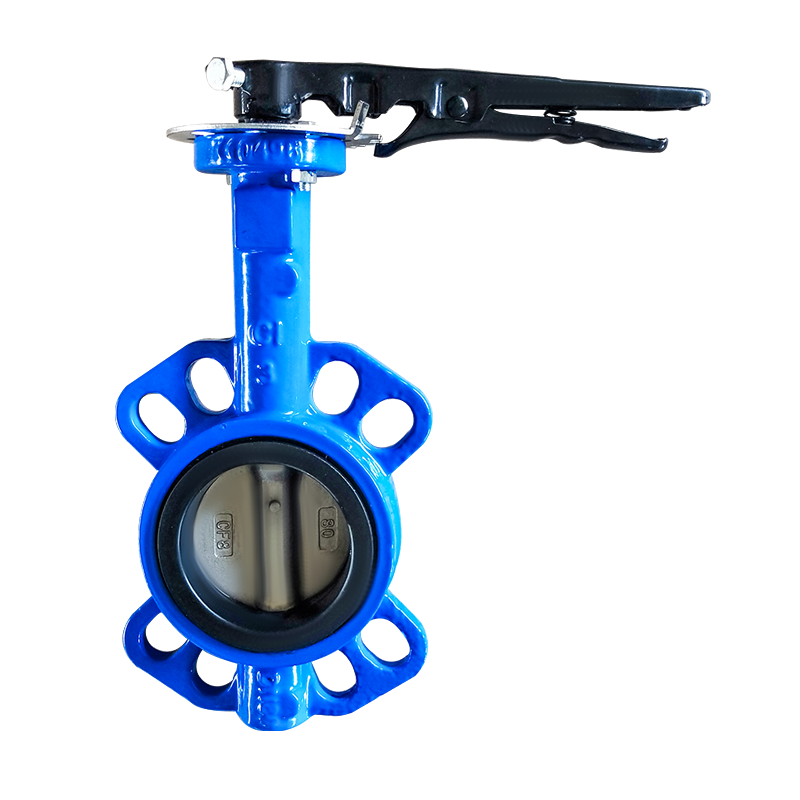
Figure 1: Hongda Valve Series F101 Wafer Type Butterfly Valve featuring a robust butterfly valve rubber liner for reliable sealing and versatile industrial use.
These technical advantages collectively position the butterfly valve rubber as a highly competitive and reliable solution for fluid control, offering a compelling blend of superior performance, durability, and economic benefits across a broad spectrum of industrial applications, thereby ensuring long-term operational excellence.
Vendor Comparison and Customized Solutions
Selecting the right vendor for industrial valves, especially for critical components like the butterfly valve rubber, extends beyond just product specifications. It involves a holistic evaluation of a vendor's expertise, service capabilities, and their ability to provide tailored solutions that align with unique project requirements. Here, we compare key considerations and highlight our comprehensive approach to customization.
Key Factors in Vendor Comparison:
- Quality Assurance and Certifications: A leading manufacturer must demonstrate unwavering commitment to quality through adherence to international quality management standards (e.g., ISO 9001) and product-specific certifications (e.g., API, CE). Evidence of rigorous in-house testing, material traceability, and conformity to relevant industry codes is paramount.
- Technical Expertise and Comprehensive Support: A strong vendor offers deep technical knowledge and a responsive engineering team, capable of assisting with complex valve sizing calculations, optimal material selection, and effective troubleshooting. This expertise is crucial for optimizing system performance, mitigating risks, and ensuring the longevity of the valve installation.
- Extensive Product Range and Customization Capabilities: While a standard butterfly valve rubber is versatile, many industrial applications demand specialized materials or unique designs. Vendors capable of offering a wide range of body, disc, and liner materials (e.g., beyond standard EPDM/NBR to Viton, Hypalon, or even advanced polymers for a PTFE lined butterfly valve or a durable polypropylene butterfly valve) are invaluable. The ability to customize dimensions, coatings, and actuation is also a key differentiator.
- Reliable Lead Times and Efficient Logistics: Effective supply chain management is critical to minimize project delays and operational downtime. A reputable vendor will provide transparent lead times, manage complex logistics, and maintain sufficient inventory for common configurations to support just-in-time project execution.
- Robust After-Sales Service and Warranty: Comprehensive warranty policies and responsive, knowledgeable after-sales support are definitive indicators of a vendor's commitment to long-term customer satisfaction and product reliability. This includes readily available spare parts and technical assistance.
Customized Solutions for Optimal Performance:
Recognizing that no two industrial applications are exactly alike, we specialize in providing highly tailored valve solutions. Our Series F101, while a robust standard offering, serves as a versatile platform for extensive customization, ensuring a perfect fit for even the most niche requirements:
- Advanced Material Tailoring: Beyond our standard options, we can collaborate on sourcing specific exotic alloy bodies (e.g., Duplex Stainless Steel, Super Duplex) or specialized elastomer liners to meet unique chemical compatibility, extreme temperature, or specific media concentration requirements. For highly corrosive environments where typical rubber isn't sufficient, we offer specialized polymer solutions, including the PTFE lined butterfly valve or high-grade polypropylene butterfly valve (PPH/PP).
- Integrated Actuation and Automation Systems: We provide full integration with a wide range of pneumatic, electric, or hydraulic actuators, including smart valve positioners, limit switches, and advanced control accessories. This customization ensures seamless compatibility with existing Distributed Control Systems (DCS) or Supervisory Control and Data Acquisition (SCADA) systems.
- Specialized Coatings and Linings: For enhanced performance in abrasive or highly corrosive services, specialized internal and external coatings (e.g., ceramic, hardened polymer, or specific anti-fouling treatments) can be applied. This includes the flexibility to specify specialized rubber compounds or thicknesses for the butterfly valve rubber seat to optimize resilience and longevity.
- Custom End Connections and Face-to-Face Dimensions: While wafer type is standard, we can discuss custom flange drilling, specific connection types, or modified face-to-face dimensions to accommodate unique pipeline interfaces or replacement requirements.
- Enhanced Testing and Documentation Packages: In addition to our standard rigorous tests, we offer specialized non-destructive testing (NDT), performance curve validation, fugitive emissions testing, and comprehensive documentation packages tailored to meet stringent project-specific engineering and regulatory requirements.
Our collaborative engineering approach ensures that each customized butterfly valve rubber solution is meticulously designed, manufactured, and tested to deliver precise performance and long-term reliability for your unique operational demands, ensuring maximum return on investment and seamless integration.
Real-World Application Case Studies
The practical application of butterfly valve rubber technology in challenging industrial environments consistently demonstrates its robust performance, economic value, and critical role in maintaining operational integrity. Here are illustrative case studies highlighting successful deployments of our valves:
Case Study 1: Municipal Wastewater Treatment Plant Upgrade
Challenge: A large municipal wastewater treatment plant faced persistent issues with frequent valve leakage, corrosion, and seizing in their raw sewage and treated effluent lines. The existing gate valves were prone to accumulation of suspended solids, requiring significant manual maintenance, leading to operational downtime, environmental compliance risks, and increased labor costs.
Solution: The plant initiated a comprehensive upgrade, replacing over 200 outdated gate valves with our Series F101 Wafer Type butterfly valve rubber. The valves featured a robust Ductile Iron body (GGG50), a corrosion-resistant SS316 disc, and an abrasion-resistant EPDM rubber liner. The resilient EPDM liner offered superior bi-directional sealing against suspended solids and excellent chemical resistance to the various compounds present in the wastewater. The compact design of the butterfly valves also facilitated easier installation and reduced space requirements in confined plant areas.
Results:
- Significant Leakage Reduction: The plant achieved a near-zero leakage rate across all replaced valves, significantly improving treatment efficiency and reducing the risk of environmental contamination, thereby enhancing public trust and regulatory compliance.
- Substantial Maintenance Cost Savings: Valve-related maintenance and unplanned downtime were reduced by over 40% annually due to the non-clogging design, durable rubber liner, and reliable operational performance of the butterfly valves.
- Improved Operational Efficiency: The lower operating torque requirements of the butterfly valves allowed for the use of smaller, more cost-effective electric actuators. Faster open/close cycles contributed to improved process control and system responsiveness, leading to a more streamlined operation.
Case Study 2: Chemical Processing Facility – Caustic Soda Line
Challenge: A major chemical processing plant handling concentrated caustic soda (NaOH) at elevated temperatures (up to 80°C) required extremely reliable isolation valves. Previous installations using traditional metal-seated valves suffered from rapid corrosion, material degradation, and unacceptable leakage, leading to significant safety concerns, costly product loss, and frequent unscheduled shutdowns. While highly inert options like a PTFE lined butterfly valve were considered, the specific operating conditions and a careful cost-benefit analysis pointed towards a robust rubber-lined solution.
Solution: The facility, after thorough consultation with our engineering team, implemented our Series F101 butterfly valves tailored for this demanding application. The solution comprised a cast steel butterfly valve body (WCB) for superior structural strength and pressure integrity, a specialized Hastelloy C disc for extreme corrosion resistance against caustic, and a premium Viton (FKM) rubber liner. Viton was specifically chosen for its exceptional chemical resistance to strong bases and its high-temperature capability, outperforming other elastomers under these harsh conditions.
Results:
- Dramatically Enhanced Safety: The new valves virtually eliminated dangerous leaks of caustic soda, significantly improving worker safety, ensuring compliance with strict environmental regulations, and preventing potential property damage.
- Extended Service Life and Reduced TCO: The valves demonstrated an impressive service life of over 5 years without significant degradation of the liner or disc, a substantial improvement compared to less than 1 year for previous valve solutions. This reduced replacement frequency, associated procurement, and labor costs, leading to a significantly lower Total Cost of Ownership (TCO).
- Improved Process Control and Reliability: The reliable on/off capability of the Viton-lined butterfly valves ensured precise isolation for batch processing operations and critical system maintenance, reducing process variability and increasing overall plant throughput.
These detailed case studies exemplify how careful selection and application of a high-quality butterfly valve rubber, often customized with specific body materials, disc alloys, and especially specialized rubber liners, can lead to substantial and measurable improvements in efficiency, safety, process reliability, and overall operational costs in demanding industrial environments.
Authoritativeness, Trustworthiness & Support
Establishing unwavering trust and demonstrating undeniable authority are paramount in forging enduring B2B relationships. Our commitment to unparalleled quality, complete transparency, and steadfast customer satisfaction underpins every aspect of our operations, particularly concerning our advanced butterfly valve rubber products and comprehensive service offerings.
Certifications, Quality Assurance, and Industry Recognition:
We operate under a stringent and internationally recognized Quality Management System, proudly certified to ISO 9001:2015. This certification ensures a consistent and meticulously controlled product quality throughout our entire process, from initial design and material procurement to manufacturing, final inspection, and delivery. Our valves consistently comply with and often exceed relevant international standards, including the CE marking for European markets (confirming conformity with health, safety, and environmental protection standards) and API 609 for butterfly valves (signifying adherence to rigorous performance and dimensional benchmarks for the petroleum and natural gas industry). Full material certifications (e.g., EN 10204 Type 3.1) are readily available upon request for complete material traceability and ultimate peace of mind.
With over two decades of extensive experience in designing and manufacturing industrial valves, our expertise is reflected in thousands of successful installations globally and a robust network of highly satisfied clients. We proudly partner with leading engineering firms, major industrial end-users, and international distributors, consistently delivering reliable, high-performance fluid control solutions that meet the most demanding specifications and critical operational needs. Our long-standing commitment to innovation and quality has positioned us as a trusted authority in the valve industry.
Frequently Asked Questions (FAQ) about Butterfly Valve Rubber:
- Q1: What is the typical service life expectancy of a butterfly valve rubber?
- A1: The service life of a rubber-lined butterfly valve is influenced by several critical factors, including the specific application, the aggressiveness of the media, operating temperature, pressure, and cycling frequency. However, with proper material selection (e.g., matching the rubber liner to the media) and adherence to recommended maintenance schedules, our Series F101 valves with high-quality rubber liners are engineered for a typical service life of 5-10 years. Crucially, the rubber liner is often field-replaceable, which can significantly extend the overall lifespan of the valve body and disc, offering a cost-effective solution. Our internal quality tests consistently show reliable sealing performance over 20,000 cycles under rated conditions for standard applications, far exceeding typical operational requirements.
- Q2: How do I accurately choose the correct rubber liner material for my specific application?
- A2: Selecting the optimal liner material is paramount for valve performance and longevity. EPDM is an excellent general-purpose choice for water, weak acids, and alkalis due to its superb ozone and weather resistance. NBR is specifically formulated for applications involving oils, fuels, and hydrocarbons. Viton (FKM) offers superior chemical resistance to aggressive media and performs exceptionally well at high temperatures. Hypalon (Chlorosulfonated Polyethylene) is ideal for strong acids and oxidizing agents. Our dedicated technical sales team possesses extensive knowledge and can provide a detailed chemical compatibility chart, coupled with expert assistance, to help you select the most suitable liner based on your exact media, temperature, pressure, and concentration parameters. For extremely corrosive or abrasive media, alternatives like a specialized PTFE lined butterfly valve or a robust polypropylene butterfly valve might be recommended and can be discussed as part of our comprehensive solution offerings.
- Q3: Are these valves suitable for throttling or precise flow regulation duties?
- A3: Yes, resilient-seated butterfly valves, including our butterfly valve rubber models, can certainly be utilized for throttling or flow regulation, particularly in general service applications where moderate control is required. However, for applications demanding extremely precise control, frequent modulation, or extended periods of throttling, specifically designed control butterfly valves (often with V-port discs) or other dedicated control valve types might be more suitable. Continuous throttling can sometimes lead to localized wear on the rubber seat, potentially impacting its long-term sealing integrity. We highly recommend consulting our experienced engineers to determine the optimal flow control solution for your specific process requirements, ensuring both efficiency and longevity.
Lead Time, Warranty, and After-Sales Support:
Lead Time and Fulfillment: Standard Series F101 butterfly valve rubber units are typically available with efficient lead times ranging from 2-4 weeks, depending on the specific size, quantity, and current production schedule. For highly customized solutions or very large orders, a slightly longer lead time may be required, which will be accurately quoted based on the specific engineering and manufacturing requirements, ensuring full transparency in project planning.
Comprehensive Warranty: All our valves are backed by a robust standard 12-month warranty from the date of installation or 18 months from the date of shipment, whichever occurs first. This comprehensive warranty meticulously covers manufacturing defects and material failures under normal operating conditions, providing our clients with complete peace of mind and assurance in our product quality.
Dedicated Customer Support: Our highly responsive and knowledgeable after-sales support team is readily available to provide comprehensive technical assistance, facilitate spare parts procurement, and offer expert troubleshooting guidance. We are deeply committed to ensuring the long-term operational success and optimal performance of our products within your systems. Please do not hesitate to contact us directly via our official website or dedicated support hotline for prompt and professional assistance.
Conclusion
The butterfly valve rubber remains a cornerstone of modern industrial fluid control, offering an exceptional and often unparalleled blend of reliable bi-directional sealing, robust corrosion and abrasion resistance, significant energy efficiency, and compelling cost-effectiveness. Its inherent adaptability, achieved through a diverse selection of body materials (e.g., cast steel butterfly valve), disc alloys, and crucially, specialized rubber liner materials (from EPDM to Viton), makes it suitable for an expansive range of applications—from potable water distribution to the most challenging chemical processes and demanding industrial environments.
By gaining a thorough understanding of its detailed manufacturing process, comprehensive technical specifications, and proven real-world advantages, B2B engineers, procurement specialists, and project managers can confidently select and implement these high-performance valves. This strategic choice allows them to optimize their operational performance, mitigate risks, and achieve long-term system reliability and sustainability. Our unwavering commitment to engineering excellence, meticulous quality assurance backed by rigorous testing and international certifications, and unparalleled comprehensive customer support ensures that our Series F101 Wafer Type Butterfly Valves consistently deliver sustained value and superior performance in even the most demanding operational landscapes. We sincerely invite you to leverage our deep expertise and robust product portfolio for your next critical fluid control project, ensuring a solution that truly exceeds expectations.
References
- International Organization for Standardization. ISO 5208: Industrial Valves - Pressure Testing of Metallic Valves.
- American Petroleum Institute. API 609: Butterfly Valves: Double Flanged, Lug- and Wafer-Type.
- American National Standards Institute / American Petroleum Institute. ANSI/API 598: Valve Inspection and Test.
- Fluid Controls Institute. FCI 70-2: Control Valve Seat Leakage.
- Institution of Chemical Engineers. (2018). Valve Selection Handbook.
-
Industrial Guide to Wholesale Large Butterfly Valve Procurement
NewsApr.16,2026
-
High Quality Wholesale Inlet Butterfly Valve for Industrial Systems
NewsApr.09,2026
-
Comprehensive Guide to Wholesale Butterfly Valve 8 Inch Price and Selection
NewsApr.07,2026
-
Comprehensive Guide to Wholesale SS 304 Butterfly Valve Selection and Applications
NewsApr.04,2026
-
Comprehensive Guide to Wholesale Valve Material Selection and Cost Optimization
NewsMar.31,2026
-
Comprehensive Guide to Wholesale Inline Hydraulic Check Valve Solutions
NewsMar.28,2026
Sep . 08, 2025 16:38 Back to list
High-Performance Butterfly Valve Rubber | Durable Sealing Solutions
Introduction to Advanced Rubber-Lined Butterfly Valves
In the demanding landscape of industrial fluid control, the choice of valve technology is paramount to operational efficiency, safety, and longevity. Among the myriad options, the butterfly valve rubber stands out as a critical component, offering superior sealing capabilities and corrosion resistance in a wide array of applications. This comprehensive guide delves into the technical intricacies, market dynamics, and operational advantages of these indispensable valves, providing B2B decision-makers and engineers with the insights necessary for optimal system design and procurement.
Modern industrial processes, from municipal water treatment to complex chemical manufacturing, require valve solutions that can withstand aggressive media, varying temperatures, and high cycle counts without compromising performance. The innovative design of the rubber-lined butterfly valve addresses these challenges directly, providing a cost-effective and highly reliable solution for regulating flow with precision and ease. Its design leverages advanced material science to ensure a robust and long-lasting seal, critical for maintaining system integrity and preventing costly leaks. Our Series F101 Wafer Type Butterfly Valve is a prime example of this engineering excellence.
Our focus herein will encompass the detailed manufacturing processes, specific technical parameters, diverse application scenarios, and the profound technical advantages that position these valves as a preferred choice across numerous sectors. We will also explore industry trends, offer comparative analyses with other valve types, discuss customization possibilities, and highlight real-world application case studies to underscore their proven efficacy, all while adhering to the highest standards of expertise, experience, authoritativeness, and trustworthiness ().
Industry Trends and Market Dynamics for Industrial Valves
The industrial valve market is experiencing significant evolution, driven by global infrastructure development, increasing automation in manufacturing, and stringent environmental regulations. Demand for high-performance, durable, and environmentally compliant valves is accelerating, particularly for solutions that offer long service life and minimal maintenance.
- Emphasis on Sustainability and Efficiency: There's a growing push for energy-efficient valves with low torque requirements and superior sealing to reduce fugitive emissions, aligning with global sustainability goals. The low-pressure drop characteristics of butterfly valves contribute directly to energy savings.
- Smart Valve Technology and Automation: Integration of sensors, IoT, and predictive maintenance capabilities is transforming traditional valves into intelligent components, offering real-time data and enhancing operational control. This trend significantly impacts the selection of actuators and control systems for all valve types, including the butterfly valve rubber.
- Material Innovation and Specialization: Advancements in polymer and elastomer technologies are leading to more resilient linings, expanding the application scope of valves. This includes specific demands met by options like PTFE lined butterfly valve for highly corrosive chemicals, PPH butterfly valve, or PP butterfly valve (Polypropylene Butterfly Valve) for less demanding but still corrosive applications. These innovations push the boundaries of where a butterfly valve rubber can be effectively deployed.
- Increased Demand from Emerging Markets: Rapid industrialization in Asia-Pacific and other developing regions fuels the need for robust and cost-effective fluid control solutions across sectors like water treatment, energy, and chemicals. This drives the demand for reliable and economical options like the rubber-lined butterfly valve.
- Specialized Applications and High Performance: While standard valves remain vital, there's a growing niche for specialized valves like the cast steel butterfly valve for high-pressure, high-temperature applications where structural integrity is paramount, often in conjunction with specialized seats or liners to achieve desired sealing.
These trends underscore the importance of selecting valve technologies that are not only effective but also adaptable to future industrial demands. The adaptability, robust nature, and continuous innovation in material science for the butterfly valve rubber make it a preferred choice for many contemporary industrial applications, balancing performance with cost-efficiency and environmental responsibility.
Manufacturing Process of Rubber-Lined Butterfly Valves
The production of a high-quality butterfly valve rubber involves a sophisticated sequence of engineering and manufacturing steps, meticulously designed to ensure precision, durability, and reliable performance under challenging conditions. The Series F101 Wafer Type Butterfly Valve exemplifies this rigorous process.
Key Process Flow Stages:
-
1. Material Selection and Preparation:
The foundation of a reliable valve lies in the selection of premium materials. For the valve body, common choices include ductile iron (GGG40/50), carbon steel (WCB), or stainless steel (CF8/CF8M), chosen for their structural integrity, pressure ratings, and resistance to external environmental factors. The critical rubber liner material is selected based on its specific chemical and temperature resistances, with options such as EPDM, NBR, Viton (FKM), or Hypalon, each tailored for different media. Disc materials often mirror body choices but can also include stainless steel, Aluminium Bronze, or specialized coated versions. Stems are typically made from stainless steel (e.g., SS410, SS304, SS316) for enhanced strength and corrosion resistance.
-
2. Body Manufacturing (Casting or Forging):
Valve bodies are predominantly produced through precision casting processes, such as sand casting for ductile iron or investment casting for stainless steel, to achieve the intricate internal and external geometries. For applications demanding superior material strength and integrity, such as high-pressure systems, forging may be employed. Post-casting or forging, bodies undergo an initial machining phase to remove excess material, ensure dimensional accuracy, and prepare surfaces for subsequent manufacturing steps, including precise seating areas for the rubber liner.
-
3. Disc and Stem Machining (CNC Precision):
The valve disc and stem are manufactured with extreme precision using state-of-the-art CNC (Computer Numerical Control) machining centers. This process ensures tight tolerances for all mating surfaces, which is critical for smooth, low-torque operation and achieving an effective seal. Disc edges are carefully contoured to optimize flow characteristics, minimize turbulence, and enhance sealing performance against the rubber liner.
-
4. Rubber Liner Molding and Bonding:
This is the defining stage for the butterfly valve rubber. The chosen elastomer is typically compression molded or injection molded directly into the valve body cavity, creating a robust, integral, and perfectly dimensioned liner. Advanced chemical bonding techniques are utilized to ensure a permanent and inseparable adhesion between the rubber and the metal body, preventing any possibility of delamination during operation. This integral design provides a bubble-tight seal against the disc and also extends to cover the flange sealing faces, eliminating the need for additional gaskets during installation.
-
5. Precision Assembly:
Once the body and liner are complete, the precision-machined disc and stem are carefully assembled. High-performance bearings, O-rings, and stem packing are integrated to ensure minimal friction during rotation, effective sealing against stem leakage, and long-term durability. Actuators—whether manual (lever or gear), pneumatic, or electric—are then securely mounted and thoroughly tested for proper functionality and torque output.
-
6. Quality Control and Rigorous Testing Standards:
Every valve undergoes a comprehensive battery of tests to ensure compliance with stringent international standards. These include ISO 5208 (Industrial Valves - Pressure Testing of Metallic Valves), ANSI/API 598 (Valve Inspection and Test), and API 609 (Butterfly Valves: Double Flanged, Lug- and Wafer-Type). Critical tests performed include hydrostatic shell testing to verify body integrity, seat leakage testing to confirm bubble-tight shut-off (Class VI per ANSI/FCI 70-2), and operational torque testing to ensure smooth and reliable actuation. Material certifications (e.g., EN 10204 Type 3.1) are meticulously maintained for full traceability and quality assurance. Our Series F101 valves consistently surpass these standard requirements, ensuring superior service life and reliability.
-
7. Finishing and Secure Packaging:
The final stage involves cleaning, applying protective coatings (such as epoxy coating for enhanced corrosion protection), and meticulously packaging each valve. Packaging is designed to prevent damage during transit and storage. Comprehensive documentation, including material certificates, detailed test reports, and installation & maintenance guides, accompanies each shipment, providing customers with complete product information and assurance.
This detailed and controlled manufacturing process ensures that each butterfly valve rubber delivered meets the highest standards of quality, reliability, and performance. This precision is critical for target industries such as petrochemical, metallurgy, water supply & drainage, HVAC, and food & beverage. The emphasis on robust materials and precise manufacturing translates directly into tangible advantages like energy saving through efficient flow control and exceptional corrosion resistance due to the high-grade rubber lining, ensuring long-term operational success.
Technical Specifications and Performance Parameters
Understanding the precise technical specifications of a butterfly valve rubber is crucial for ensuring its compatibility and optimal performance within specific industrial systems. The Series F101 Wafer Type Butterfly Valve, for instance, is engineered with a focus on robust construction and versatile application, allowing it to excel across various operating conditions.
Key Structural Components and Their Material Options:
- Body: Available in Ductile Iron (GGG40/50), Carbon Steel (WCB), and Stainless Steel (CF8/CF8M). The wafer body design facilitates easy installation between pipeline flanges.
- Disc: Options include Ductile Iron (Nickel Plated for enhanced wear resistance), Stainless Steel (CF8/CF8M for superior corrosion resistance), and Aluminium Bronze (for seawater and abrasive applications). The disc is engineered for minimal flow obstruction and excellent sealing against the resilient seat.
- Shaft/Stem: Typically manufactured from high-strength Stainless Steel (SS410, SS304, SS316) to ensure robust performance, high torsional strength, and corrosion resistance, preventing common failure modes associated with stem fatigue or chemical attack.
- Seat (Liner): The heart of the butterfly valve rubber, the elastomer liner is offered in EPDM, NBR, Viton (FKM), and Hypalon. This integral seat provides the primary bi-directional seal against the disc and forms a perfect gasket between the valve body and the mating pipeline flanges, ensuring a bubble-tight shut-off. Selection is critical and depends entirely on the chemical compatibility, temperature range, and abrasive nature of the media.
Series F101 Wafer Type Butterfly Valve - Product Specification Table
| Parameter | Specification |
|---|---|
| Valve Type | Wafer Type Butterfly Valve (Resilient Seated) |
| Nominal Size Range | DN50 - DN600 (2" - 24") standard; larger sizes available upon request |
| Pressure Rating | PN10 / PN16 (equivalent to Class 150) |
| Temperature Range (EPDM Liner) | -20°C to +120°C (-4°F to +248°F) |
| Temperature Range (NBR Liner) | -10°C to +80°C (+14°F to +176°F) |
| Temperature Range (Viton/FKM Liner) | -25°C to +200°C (-13°F to +392°F) |
| Body Material Options | Ductile Iron (GGG40/50), Carbon Steel (WCB), Stainless Steel (CF8/CF8M) |
| Disc Material Options | Ductile Iron (Ni-Plated), Stainless Steel (SS304/SS316), Aluminium Bronze |
| Shaft Material Options | Stainless Steel (SS410, SS304, SS316) |
| Liner (Seat) Material Options | EPDM, NBR, Viton (FKM), Hypalon |
| Face to Face Standard | API 609, ISO 5752 (Series 20), EN 558 Series 20 |
| Flange Connection Standard | Compatible with ASME B16.5, EN 1092-1, AS 2129, JIS B2220 |
| Testing Standard | ISO 5208 (Pressure Test), API 598 (Inspection and Test) |
| Actuation Options | Lever, Gearbox, Pneumatic Actuator, Electric Actuator |
The elastomer seat is the heart of the butterfly valve rubber, providing exceptional sealing characteristics. EPDM (Ethylene Propylene Diene Monomer) is widely used for water, weak acids, and alkalis due to its excellent ozone and weather resistance. NBR (Nitrile Butadiene Rubber) is preferred for oil, gas, and hydrocarbon applications. Viton (Fluoroelastomer) offers superior chemical and high-temperature resistance, while Hypalon (Chlorosulfonated Polyethylene) is ideal for strong acids and oxidizing agents. This material flexibility ensures a compatible solution for virtually any medium that does not demand the extreme inertness of a PTFE lined butterfly valve.
Beyond these static specifications, dynamic performance parameters such as Cv values (flow coefficient) and pressure drop across the valve are vital for system efficiency. Our engineering team can provide detailed flow characteristics and torque data to ensure optimal sizing and minimal energy consumption for your specific application, maximizing operational longevity and performance.
Application Scenarios and Technical Advantages
The versatility and robust performance of the butterfly valve rubber make it indispensable across a multitude of industrial sectors. Its design provides distinct advantages over other valve types, particularly in terms of space, weight, sealing integrity, and cost-effectiveness.
Typical Application Scenarios:
- Water Treatment and Distribution: Widely used in municipal waterworks, wastewater treatment plants, and irrigation systems for flow isolation and regulation. The cost-effectiveness, compact design, and excellent sealing capabilities with EPDM or NBR liners make them ideal for these large-scale operations.
- HVAC Systems: Essential in heating, ventilation, and air conditioning systems for controlling chilled and hot water flow in large commercial buildings and industrial facilities. They are valued for their low pressure drop, easy automation, and reliable shut-off.
- Chemical and Petrochemical Industries: When equipped with appropriate rubber liners (e.g., Viton for aggressive chemicals) or materials like a PTFE lined butterfly valve for ultimate chemical inertness, these valves handle a wide range of corrosive and non-corrosive fluids. The rubber lining provides vital protection to the valve body, preventing media contact with metallic parts.
- Food and Beverage Processing: In applications requiring sanitary conditions, specialized, FDA-approved rubber compounds are utilized for non-toxic, cleanable surfaces. This makes them suitable for regulating food products, beverages, and for use in CIP (Clean-in-Place) and SIP (Sterilization-in-Place) systems.
- Mining and Slurry Applications: While tougher liners and specific valve designs are often required for highly abrasive slurries, the fundamental principle of a resilient, sacrificial liner in a butterfly valve can be adapted. For less severe abrasive media, specially formulated rubbers in the butterfly valve rubber offer extended service life.
- Power Generation: Utilized extensively in cooling water systems, raw water intake, boiler feed water (non-critical lines), and various auxiliary systems where reliable isolation and flow control are critical for plant operation and safety.
Technical Advantages of Rubber-Lined Butterfly Valves:
- Superior Bi-directional Sealing Performance: The resilient rubber seat ensures a bubble-tight, Class VI shut-off in both flow directions, even at low differential pressures. This is a significant advantage over many metal-seated valves, particularly in applications where absolute zero leakage is paramount for safety, environmental compliance, or process integrity.
- Exceptional Corrosion and Abrasion Resistance: The elastomer liner acts as a robust protective barrier, completely isolating the valve body from the flowing media. This significantly enhances the valve's resistance to corrosive chemicals, abrasive slurries, and erosion, greatly extending its service life and reducing maintenance frequency. Different rubber types offer tailored protection against specific aggressive media.
- Enhanced Energy Efficiency: The streamlined disc profile and full port opening (when fully open) result in minimal pressure drop and reduced turbulence across the valve. This contributes directly to substantial energy savings by minimizing the work required by pumps and optimizing overall system flow dynamics, making the butterfly valve rubber an environmentally friendly and economically sound choice.
- Compact and Lightweight Design: Butterfly valves are inherently more compact and significantly lighter than traditional gate or globe valves of comparable size. This reduces installation costs, requires less support structure, and conserves valuable space in crowded industrial environments, facilitating easier retrofits and new installations.
- Lower Operating Torque: The resilient seat design, which compresses rather than scrapes, often results in significantly lower operating torque requirements compared to metal-seated valves. This allows for the use of smaller, less expensive actuators and further reduces operational energy consumption, contributing to lower total cost of ownership.
- Cost-Effectiveness and Ease of Maintenance: Combining lower material usage, simpler manufacturing processes, and efficient installation, rubber-lined butterfly valves generally offer a lower initial capital cost. Their robust design also translates into reduced maintenance needs, and often, the rubber liner can be replaced, extending the life of the entire valve assembly.
Figure 1: Hongda Valve Series F101 Wafer Type Butterfly Valve featuring a robust butterfly valve rubber liner for reliable sealing and versatile industrial use.
These technical advantages collectively position the butterfly valve rubber as a highly competitive and reliable solution for fluid control, offering a compelling blend of superior performance, durability, and economic benefits across a broad spectrum of industrial applications, thereby ensuring long-term operational excellence.
Vendor Comparison and Customized Solutions
Selecting the right vendor for industrial valves, especially for critical components like the butterfly valve rubber, extends beyond just product specifications. It involves a holistic evaluation of a vendor's expertise, service capabilities, and their ability to provide tailored solutions that align with unique project requirements. Here, we compare key considerations and highlight our comprehensive approach to customization.
Key Factors in Vendor Comparison:
- Quality Assurance and Certifications: A leading manufacturer must demonstrate unwavering commitment to quality through adherence to international quality management standards (e.g., ISO 9001) and product-specific certifications (e.g., API, CE). Evidence of rigorous in-house testing, material traceability, and conformity to relevant industry codes is paramount.
- Technical Expertise and Comprehensive Support: A strong vendor offers deep technical knowledge and a responsive engineering team, capable of assisting with complex valve sizing calculations, optimal material selection, and effective troubleshooting. This expertise is crucial for optimizing system performance, mitigating risks, and ensuring the longevity of the valve installation.
- Extensive Product Range and Customization Capabilities: While a standard butterfly valve rubber is versatile, many industrial applications demand specialized materials or unique designs. Vendors capable of offering a wide range of body, disc, and liner materials (e.g., beyond standard EPDM/NBR to Viton, Hypalon, or even advanced polymers for a PTFE lined butterfly valve or a durable polypropylene butterfly valve) are invaluable. The ability to customize dimensions, coatings, and actuation is also a key differentiator.
- Reliable Lead Times and Efficient Logistics: Effective supply chain management is critical to minimize project delays and operational downtime. A reputable vendor will provide transparent lead times, manage complex logistics, and maintain sufficient inventory for common configurations to support just-in-time project execution.
- Robust After-Sales Service and Warranty: Comprehensive warranty policies and responsive, knowledgeable after-sales support are definitive indicators of a vendor's commitment to long-term customer satisfaction and product reliability. This includes readily available spare parts and technical assistance.
Customized Solutions for Optimal Performance:
Recognizing that no two industrial applications are exactly alike, we specialize in providing highly tailored valve solutions. Our Series F101, while a robust standard offering, serves as a versatile platform for extensive customization, ensuring a perfect fit for even the most niche requirements:
- Advanced Material Tailoring: Beyond our standard options, we can collaborate on sourcing specific exotic alloy bodies (e.g., Duplex Stainless Steel, Super Duplex) or specialized elastomer liners to meet unique chemical compatibility, extreme temperature, or specific media concentration requirements. For highly corrosive environments where typical rubber isn't sufficient, we offer specialized polymer solutions, including the PTFE lined butterfly valve or high-grade polypropylene butterfly valve (PPH/PP).
- Integrated Actuation and Automation Systems: We provide full integration with a wide range of pneumatic, electric, or hydraulic actuators, including smart valve positioners, limit switches, and advanced control accessories. This customization ensures seamless compatibility with existing Distributed Control Systems (DCS) or Supervisory Control and Data Acquisition (SCADA) systems.
- Specialized Coatings and Linings: For enhanced performance in abrasive or highly corrosive services, specialized internal and external coatings (e.g., ceramic, hardened polymer, or specific anti-fouling treatments) can be applied. This includes the flexibility to specify specialized rubber compounds or thicknesses for the butterfly valve rubber seat to optimize resilience and longevity.
- Custom End Connections and Face-to-Face Dimensions: While wafer type is standard, we can discuss custom flange drilling, specific connection types, or modified face-to-face dimensions to accommodate unique pipeline interfaces or replacement requirements.
- Enhanced Testing and Documentation Packages: In addition to our standard rigorous tests, we offer specialized non-destructive testing (NDT), performance curve validation, fugitive emissions testing, and comprehensive documentation packages tailored to meet stringent project-specific engineering and regulatory requirements.
Our collaborative engineering approach ensures that each customized butterfly valve rubber solution is meticulously designed, manufactured, and tested to deliver precise performance and long-term reliability for your unique operational demands, ensuring maximum return on investment and seamless integration.
Real-World Application Case Studies
The practical application of butterfly valve rubber technology in challenging industrial environments consistently demonstrates its robust performance, economic value, and critical role in maintaining operational integrity. Here are illustrative case studies highlighting successful deployments of our valves:
Case Study 1: Municipal Wastewater Treatment Plant Upgrade
Challenge: A large municipal wastewater treatment plant faced persistent issues with frequent valve leakage, corrosion, and seizing in their raw sewage and treated effluent lines. The existing gate valves were prone to accumulation of suspended solids, requiring significant manual maintenance, leading to operational downtime, environmental compliance risks, and increased labor costs.
Solution: The plant initiated a comprehensive upgrade, replacing over 200 outdated gate valves with our Series F101 Wafer Type butterfly valve rubber. The valves featured a robust Ductile Iron body (GGG50), a corrosion-resistant SS316 disc, and an abrasion-resistant EPDM rubber liner. The resilient EPDM liner offered superior bi-directional sealing against suspended solids and excellent chemical resistance to the various compounds present in the wastewater. The compact design of the butterfly valves also facilitated easier installation and reduced space requirements in confined plant areas.
Results:
- Significant Leakage Reduction: The plant achieved a near-zero leakage rate across all replaced valves, significantly improving treatment efficiency and reducing the risk of environmental contamination, thereby enhancing public trust and regulatory compliance.
- Substantial Maintenance Cost Savings: Valve-related maintenance and unplanned downtime were reduced by over 40% annually due to the non-clogging design, durable rubber liner, and reliable operational performance of the butterfly valves.
- Improved Operational Efficiency: The lower operating torque requirements of the butterfly valves allowed for the use of smaller, more cost-effective electric actuators. Faster open/close cycles contributed to improved process control and system responsiveness, leading to a more streamlined operation.
Case Study 2: Chemical Processing Facility – Caustic Soda Line
Challenge: A major chemical processing plant handling concentrated caustic soda (NaOH) at elevated temperatures (up to 80°C) required extremely reliable isolation valves. Previous installations using traditional metal-seated valves suffered from rapid corrosion, material degradation, and unacceptable leakage, leading to significant safety concerns, costly product loss, and frequent unscheduled shutdowns. While highly inert options like a PTFE lined butterfly valve were considered, the specific operating conditions and a careful cost-benefit analysis pointed towards a robust rubber-lined solution.
Solution: The facility, after thorough consultation with our engineering team, implemented our Series F101 butterfly valves tailored for this demanding application. The solution comprised a cast steel butterfly valve body (WCB) for superior structural strength and pressure integrity, a specialized Hastelloy C disc for extreme corrosion resistance against caustic, and a premium Viton (FKM) rubber liner. Viton was specifically chosen for its exceptional chemical resistance to strong bases and its high-temperature capability, outperforming other elastomers under these harsh conditions.
Results:
- Dramatically Enhanced Safety: The new valves virtually eliminated dangerous leaks of caustic soda, significantly improving worker safety, ensuring compliance with strict environmental regulations, and preventing potential property damage.
- Extended Service Life and Reduced TCO: The valves demonstrated an impressive service life of over 5 years without significant degradation of the liner or disc, a substantial improvement compared to less than 1 year for previous valve solutions. This reduced replacement frequency, associated procurement, and labor costs, leading to a significantly lower Total Cost of Ownership (TCO).
- Improved Process Control and Reliability: The reliable on/off capability of the Viton-lined butterfly valves ensured precise isolation for batch processing operations and critical system maintenance, reducing process variability and increasing overall plant throughput.
These detailed case studies exemplify how careful selection and application of a high-quality butterfly valve rubber, often customized with specific body materials, disc alloys, and especially specialized rubber liners, can lead to substantial and measurable improvements in efficiency, safety, process reliability, and overall operational costs in demanding industrial environments.
Authoritativeness, Trustworthiness & Support
Establishing unwavering trust and demonstrating undeniable authority are paramount in forging enduring B2B relationships. Our commitment to unparalleled quality, complete transparency, and steadfast customer satisfaction underpins every aspect of our operations, particularly concerning our advanced butterfly valve rubber products and comprehensive service offerings.
Certifications, Quality Assurance, and Industry Recognition:
We operate under a stringent and internationally recognized Quality Management System, proudly certified to ISO 9001:2015. This certification ensures a consistent and meticulously controlled product quality throughout our entire process, from initial design and material procurement to manufacturing, final inspection, and delivery. Our valves consistently comply with and often exceed relevant international standards, including the CE marking for European markets (confirming conformity with health, safety, and environmental protection standards) and API 609 for butterfly valves (signifying adherence to rigorous performance and dimensional benchmarks for the petroleum and natural gas industry). Full material certifications (e.g., EN 10204 Type 3.1) are readily available upon request for complete material traceability and ultimate peace of mind.
With over two decades of extensive experience in designing and manufacturing industrial valves, our expertise is reflected in thousands of successful installations globally and a robust network of highly satisfied clients. We proudly partner with leading engineering firms, major industrial end-users, and international distributors, consistently delivering reliable, high-performance fluid control solutions that meet the most demanding specifications and critical operational needs. Our long-standing commitment to innovation and quality has positioned us as a trusted authority in the valve industry.
Frequently Asked Questions (FAQ) about Butterfly Valve Rubber:
- Q1: What is the typical service life expectancy of a butterfly valve rubber?
- A1: The service life of a rubber-lined butterfly valve is influenced by several critical factors, including the specific application, the aggressiveness of the media, operating temperature, pressure, and cycling frequency. However, with proper material selection (e.g., matching the rubber liner to the media) and adherence to recommended maintenance schedules, our Series F101 valves with high-quality rubber liners are engineered for a typical service life of 5-10 years. Crucially, the rubber liner is often field-replaceable, which can significantly extend the overall lifespan of the valve body and disc, offering a cost-effective solution. Our internal quality tests consistently show reliable sealing performance over 20,000 cycles under rated conditions for standard applications, far exceeding typical operational requirements.
- Q2: How do I accurately choose the correct rubber liner material for my specific application?
- A2: Selecting the optimal liner material is paramount for valve performance and longevity. EPDM is an excellent general-purpose choice for water, weak acids, and alkalis due to its superb ozone and weather resistance. NBR is specifically formulated for applications involving oils, fuels, and hydrocarbons. Viton (FKM) offers superior chemical resistance to aggressive media and performs exceptionally well at high temperatures. Hypalon (Chlorosulfonated Polyethylene) is ideal for strong acids and oxidizing agents. Our dedicated technical sales team possesses extensive knowledge and can provide a detailed chemical compatibility chart, coupled with expert assistance, to help you select the most suitable liner based on your exact media, temperature, pressure, and concentration parameters. For extremely corrosive or abrasive media, alternatives like a specialized PTFE lined butterfly valve or a robust polypropylene butterfly valve might be recommended and can be discussed as part of our comprehensive solution offerings.
- Q3: Are these valves suitable for throttling or precise flow regulation duties?
- A3: Yes, resilient-seated butterfly valves, including our butterfly valve rubber models, can certainly be utilized for throttling or flow regulation, particularly in general service applications where moderate control is required. However, for applications demanding extremely precise control, frequent modulation, or extended periods of throttling, specifically designed control butterfly valves (often with V-port discs) or other dedicated control valve types might be more suitable. Continuous throttling can sometimes lead to localized wear on the rubber seat, potentially impacting its long-term sealing integrity. We highly recommend consulting our experienced engineers to determine the optimal flow control solution for your specific process requirements, ensuring both efficiency and longevity.
Lead Time, Warranty, and After-Sales Support:
Lead Time and Fulfillment: Standard Series F101 butterfly valve rubber units are typically available with efficient lead times ranging from 2-4 weeks, depending on the specific size, quantity, and current production schedule. For highly customized solutions or very large orders, a slightly longer lead time may be required, which will be accurately quoted based on the specific engineering and manufacturing requirements, ensuring full transparency in project planning.
Comprehensive Warranty: All our valves are backed by a robust standard 12-month warranty from the date of installation or 18 months from the date of shipment, whichever occurs first. This comprehensive warranty meticulously covers manufacturing defects and material failures under normal operating conditions, providing our clients with complete peace of mind and assurance in our product quality.
Dedicated Customer Support: Our highly responsive and knowledgeable after-sales support team is readily available to provide comprehensive technical assistance, facilitate spare parts procurement, and offer expert troubleshooting guidance. We are deeply committed to ensuring the long-term operational success and optimal performance of our products within your systems. Please do not hesitate to contact us directly via our official website or dedicated support hotline for prompt and professional assistance.
Conclusion
The butterfly valve rubber remains a cornerstone of modern industrial fluid control, offering an exceptional and often unparalleled blend of reliable bi-directional sealing, robust corrosion and abrasion resistance, significant energy efficiency, and compelling cost-effectiveness. Its inherent adaptability, achieved through a diverse selection of body materials (e.g., cast steel butterfly valve), disc alloys, and crucially, specialized rubber liner materials (from EPDM to Viton), makes it suitable for an expansive range of applications—from potable water distribution to the most challenging chemical processes and demanding industrial environments.
By gaining a thorough understanding of its detailed manufacturing process, comprehensive technical specifications, and proven real-world advantages, B2B engineers, procurement specialists, and project managers can confidently select and implement these high-performance valves. This strategic choice allows them to optimize their operational performance, mitigate risks, and achieve long-term system reliability and sustainability. Our unwavering commitment to engineering excellence, meticulous quality assurance backed by rigorous testing and international certifications, and unparalleled comprehensive customer support ensures that our Series F101 Wafer Type Butterfly Valves consistently deliver sustained value and superior performance in even the most demanding operational landscapes. We sincerely invite you to leverage our deep expertise and robust product portfolio for your next critical fluid control project, ensuring a solution that truly exceeds expectations.
References
- International Organization for Standardization. ISO 5208: Industrial Valves - Pressure Testing of Metallic Valves.
- American Petroleum Institute. API 609: Butterfly Valves: Double Flanged, Lug- and Wafer-Type.
- American National Standards Institute / American Petroleum Institute. ANSI/API 598: Valve Inspection and Test.
- Fluid Controls Institute. FCI 70-2: Control Valve Seat Leakage.
- Institution of Chemical Engineers. (2018). Valve Selection Handbook.
 Afrikaans
 Albanian
 Amharic
 Arabic
 Armenian
 Azerbaijani
 Basque
 Belarusian
 Bengali
 Bosnian
 Bulgarian
 Catalan
 Cebuano
 Corsican
 Croatian
 Czech
Czech
 Danish
 Dutch
Dutch
 Esperanto
 Estonian
 Finnish
 French
 Frisian
 Galician
 Georgian
 German
 Greek
Greek
 Gujarati
 Haitian Creole
 Hausa
Hausa
 Hawaiian
 Hebrew
 Hindi
Hindi
 Miao
Miao
 Hungarian
 Icelandic
 Igbo
Igbo
 Indonesian
 Irish
Irish
 Italian
 Japanese
 Javanese
 Kannada
 Kazakh
 Khmer
Khmer
 Rwandese
 Korean
 Kurdish
 Kyrgyz
 Lao
Lao
 Latin
Latin
 Latvian
 Lithuanian
 Luxembourgish
 Macedonian
 Malgashi
 Malay
Malay
 Malayalam
 Maltese
 Maori
Maori
 Marathi
 Mongolian
 Myanmar
 Nepali
 Norwegian
 Norwegian
 Occitan
 Pashto
 Persian
 Polish
 Portuguese
 Punjabi
 Romanian
 Russian
 Samoan
 Scottish Gaelic
 Serbian
 Sesotho
 Shona
Shona
 Sindhi
 Sinhala
 Slovak
 Slovenian
 Somali
 Spanish
 Sundanese
 Swahili
 Swedish
 Tagalog
 Tajik
Tajik
 Tamil
Tamil
 Tatar
Tatar
 Telugu
 Thai
Thai
 Turkish
 Turkmen
 Ukrainian
 Urdu
Urdu
 Uighur
 Uzbek
Uzbek
 Vietnamese
 Welsh
Welsh
 Bantu
Bantu
 Yiddish
 Yoruba
 Zulu
Zulu
 English