
- Call Us
- +8618633052223
- njhdvlz@163.com
Sep . 10, 2025 09:00 Back to list
Double Flanged Short Pattern Butterfly Valve | Reliable Flow Control
Unlocking Efficiency: The Versatility of Double Flanged Short Pattern Butterfly Valves in Industrial Applications
In critical industrial fluid control systems, the choice of valve significantly impacts operational efficiency, safety, and cost-effectiveness. Among the myriad options, the double flanged short pattern butterfly valve stands out as a robust and highly adaptable solution. Engineered for demanding environments, this valve type combines compact design with superior sealing capabilities, making it indispensable across diverse sectors.
The industrial landscape is constantly evolving, with increasing demands for sustainability, reduced downtime, and enhanced process control. This trend has amplified the need for reliable and efficient valving solutions. The popularity of the double flanged short pattern butterfly valve can be attributed to its inherent advantages, including a short face-to-face dimension, which simplifies installation and maintenance in confined spaces, and its secure double-flanged connection, ensuring leak-proof operation under varying pressure conditions. Current market trends indicate a strong demand for valves that offer not only performance but also longevity and ease of integration into automated systems.
Industries are increasingly adopting smart valve technologies, and while the core design of the double flanged short pattern butterfly valve remains classic, its integration with advanced actuation and control systems allows for precise flow modulation and remote monitoring, aligning with Industry 4.0 principles. This adaptability ensures its continued relevance and growth in new and retrofitted installations.
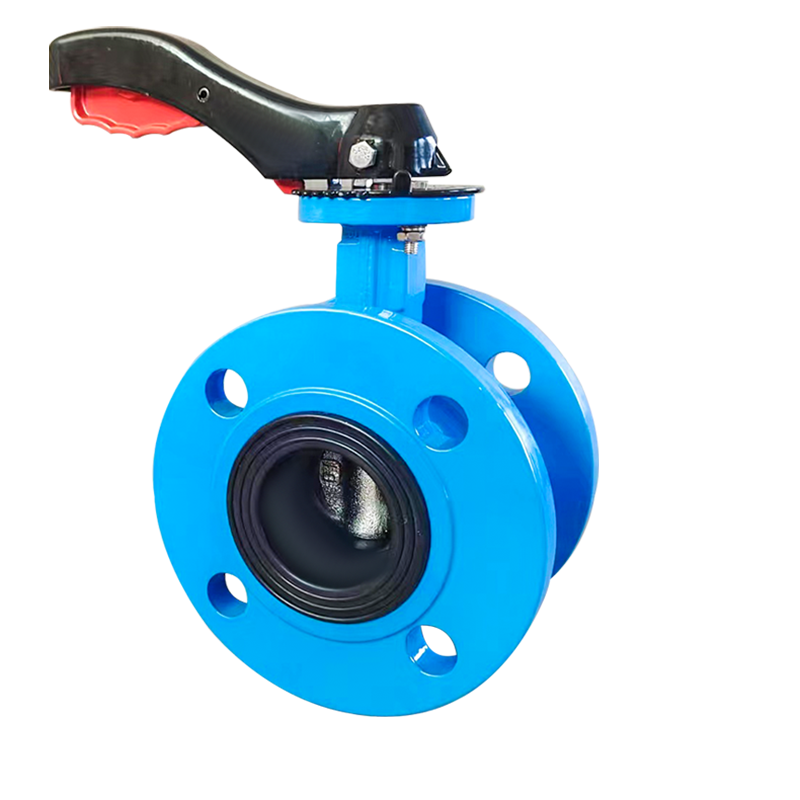
Technical Specifications and Design Principles
The design of a double flanged butterfly valve is fundamentally engineered for robust performance and ease of installation. Its core components include the body, disc, stem, and seat, each meticulously chosen for specific material properties to withstand diverse media and operating conditions.
- Body: Typically manufactured from ductile iron, cast iron, WCB carbon steel, or stainless steel (e.g., SS304, SS316). The double-flanged design provides a secure, bolted connection to pipelines, ensuring high structural integrity. Its "short pattern" designation refers to its reduced face-to-face dimension, adhering to standards like ISO 5752 Series 13, making it ideal for space-constrained installations.
- Disc: The crucial flow control element, often made from ductile iron (nickel plated), stainless steel (SS304, SS316), or aluminum bronze. The disc rotates 90 degrees to open or close the flow path. Its streamlined profile minimizes pressure drop when fully open.
- Stem: Connects the disc to the actuator, transmitting rotational force. Materials include stainless steel (SS410, SS304, SS316) for corrosion resistance and strength. It typically features an anti-blowout design for safety.
- Seat: Provides bubble-tight shutoff. Common materials include EPDM, NBR, Viton, or PTFE, selected based on fluid compatibility, temperature range, and chemical resistance requirements. The resilient seat liners are often replaceable, extending valve service life.
- Actuator: Can be manual (lever or gearbox), pneumatic, electric, or hydraulic, depending on application requirements for control and automation.
Product Specification Table: Double Flanged Short Type Butterfly Valve
| Parameter | Typical Specification |
|---|---|
| Nominal Size Range | DN50 - DN1200 (2" - 48") |
| Nominal Pressure (PN) | PN10, PN16, ASME Class 150 |
| Body Material | Ductile Iron (GGG40/50), Cast Iron (GG25), WCB, SS304, SS316 |
| Disc Material | Ductile Iron (Nickel Plated), SS304, SS316, Aluminum Bronze |
| Seat Material | EPDM, NBR, Viton, PTFE |
| Stem Material | SS410, SS304, SS316 |
| Operating Temperature | -20°C to +180°C (Material Dependent) |
| Connection Type | Double Flanged (EN1092-2, ASME B16.5) |
| Face-to-Face Dimension | ISO 5752 Series 13 (Short Pattern) |
| Actuation | Lever, Gearbox, Pneumatic, Electric |
| Applicable Media | Water, Oil, Gas, Corrosive Fluids (Material Dependent) |
This meticulous selection of materials and adherence to international standards ensure that the butterfly valve double flange design delivers consistent, reliable performance over its extensive service life. The emphasis on a short pattern design not only conserves space but also often results in a lighter valve, simplifying handling and installation.
Manufacturing Process Flow of the Double Flanged Short Pattern Butterfly Valve
The production of a high-quality double flanged short pattern butterfly valve is a complex, multi-stage process that combines advanced metallurgical techniques with precision engineering and stringent quality control.
Key Manufacturing Stages:
- 1. Material Procurement & Inspection: Raw materials, such as ductile iron, carbon steel, or stainless steel for the body and disc, and various elastomers for the seat, are sourced from certified suppliers. Each batch undergoes rigorous inspection for chemical composition, mechanical properties, and conformity to international standards (e.g., ASTM, EN).
- 2. Casting or Forging:
The valve body and disc are primarily manufactured through casting (e.g., sand casting for larger sizes, investment casting for intricate designs). For high-pressure or critical applications, forging may be employed for enhanced strength and metallurgical integrity. This stage involves precise temperature control and mold design to achieve the desired dimensions and minimize defects like porosity.
Schematic Step: Casting ProcessMolding → Melting & Pouring → Cooling → Fettling & Heat Treatment - 3. CNC Machining: Post-casting or forging, components undergo high-precision CNC (Computer Numerical Control) machining. This process ensures exact dimensions for the disc, stem, and bore, crucial for achieving tight tolerances and optimal sealing. Flange drilling, seat pocket machining, and stem bore alignment are critical steps.
- 4. Surface Treatment & Coating: Depending on the application, components may receive surface treatments like nickel plating for ductile iron discs to enhance corrosion resistance, or epoxy coating for valve bodies to protect against environmental degradation and improve longevity.
- 5. Seat Vulcanization/Lining: The elastomer seat (EPDM, NBR, Viton) is either molded directly into the body or inserted as a replaceable liner. For more aggressive media, PTFE lining is applied, often backed by an elastomer for resilience.
- 6. Assembly: Skilled technicians meticulously assemble the valve, integrating the disc, stem, seat, and packing. Proper alignment and torqueing are essential for performance.
- 7. Testing & Quality Assurance: Every double flange type butterfly valve undergoes a battery of tests to meet stringent international standards (e.g., ISO 5208, API 598, ANSI B16.104). These include:
- Hydrostatic Shell Test: Verifies the integrity of the valve body and pressure-retaining parts.
- Seat Leakage Test: Ensures bubble-tight shutoff against specified differential pressures.
- Fugitive Emissions Test: (Optional, for specific applications) Verifies stem seal integrity.
- Operational Torque Test: Measures the force required to operate the valve.
Only valves that pass all tests are certified and prepared for dispatch, ensuring a service life often exceeding 20-25 years under normal operating conditions.
This rigorous process ensures that each double flanged short pattern butterfly valve delivers exceptional reliability, corrosion resistance, and operational efficiency, especially vital in industries like petrochemical, metallurgy, and water supply & drainage where failure can have significant consequences. The energy-saving aspect comes from its low-pressure drop when fully open, reducing pumping costs in continuous flow applications.
Application Scenarios and Technical Advantages
The versatility and robust construction of the double flanged short pattern butterfly valve make it a preferred choice across a wide array of industrial applications. Its unique design offers distinct advantages over other valve types, particularly in terms of space efficiency and flow control.
Target Industries & Typical Applications:
- Water Treatment & Distribution: Widely used in municipal waterworks, wastewater treatment plants, and irrigation systems for isolation and flow regulation. Its corrosion-resistant options and bubble-tight shutoff are crucial here.
- HVAC Systems: Employed in large building climate control for regulating chilled water, hot water, and condenser water flow due to their compact size and efficient operation.
- Chemical Processing: With appropriate material selection (e.g., SS316, PTFE lined), they handle various corrosive chemicals, slurries, and industrial gases. The compact design of the butterfly double flange variant is particularly beneficial in complex piping manifolds.
- Petrochemical: Used in refining, oil and gas processing for handling non-abrasive hydrocarbons, cooling water, and utility services where quick quarter-turn operation is an advantage.
- Power Generation: Found in cooling water circuits, ash handling, and flue gas desulfurization systems due to their large flow capacity and reliability.
- Food & Beverage: Stainless steel variants with hygienic seals are suitable for CIP (Clean-in-Place) applications and non-viscous food media.
Technical Advantages:
- Compact Design: The short face-to-face dimension (ISO 5752 Series 13) significantly reduces installation space, crucial in congested plant layouts. This also translates to lower weight and easier handling.
- Excellent Sealing Performance: The resilient seat ensures bubble-tight shutoff, preventing leakage and ensuring precise flow control. The double flanged connection provides superior pipeline integrity compared to wafer or lug types in certain applications.
- Low Pressure Drop & High Flow Capacity: When fully open, the disc presents minimal obstruction to flow, resulting in a low-pressure drop and high flow coefficient (Cv), leading to energy savings in pumping costs.
- Quick Quarter-Turn Operation: Allows for rapid opening and closing, beneficial for emergency shut-off or quick process changes. This also permits easier automation with compact actuators.
- Corrosion Resistance: A wide range of material options for the body, disc, and seat enables selection for highly corrosive media, extending service life and reducing maintenance. For instance, a body of GGG40 with an EPDM seat is excellent for general water, while SS316 with a Viton seat excels in many chemical applications.
- Cost-Effectiveness: Compared to gate or globe valves of similar size and pressure rating, the double flanged butterfly valve typically offers a more economical solution, both in initial purchase and long-term maintenance.
The combination of these technical advantages ensures that the double flanged short pattern butterfly valve remains a cornerstone for efficient and reliable fluid control across various industries, contributing to energy saving and enhanced operational safety.
Vendor Comparison and Customized Solutions
Selecting the right vendor for industrial valves, especially for critical components like the double flanged short pattern butterfly valve, is paramount. It involves evaluating not just product specifications but also manufacturing capabilities, quality assurance, after-sales support, and the ability to provide customized solutions.
Key Factors for Vendor Selection:
- Certifications: Look for vendors with ISO 9001 (Quality Management), CE (European Conformity), API 609 (Butterfly Valves), WRAS (Water Regulations Advisory Scheme) for potable water applications, and other relevant industry-specific certifications. These validate manufacturing quality and adherence to international standards.
- Experience and Reputation: Years of operation, client testimonials, and a portfolio of successful projects in your specific industry are strong indicators of reliability and expertise.
- Technical Support: Availability of skilled engineers for pre-sales consultation, installation guidance, and troubleshooting.
- Customization Capabilities: The ability to adapt standard designs for unique applications (e.g., special materials, coatings, actuator types).
- Lead Times & Logistics: Efficient production and supply chain management for timely delivery.
Product Comparison Table: Double Flanged Butterfly Valve Types
| Feature | Resilient Seat Double Flanged (Standard) | High Performance Double Flanged (Offset Design) |
|---|---|---|
| Seating Mechanism | Concentric disc, resilient rubber seat | Eccentric disc (double/triple offset), metal or PTFE seat |
| Pressure Rating | Up to PN16 / Class 150 | Up to PN40 / Class 600 |
| Temperature Range | -20°C to +120°C (Elastomer dependent) | -50°C to +400°C (Material dependent) |
| Application | General water, wastewater, HVAC, non-abrasive industrial fluids | Chemical, petrochemical, power generation, high temp/pressure, abrasive media |
| Face-to-Face (ISO 5752) | Series 13 (Short Pattern) | Series 13 or Series 14 (Long Pattern) |
Customized Solutions:
A reputable manufacturer of butterfly valve double flange type solutions should offer extensive customization capabilities. This ensures the valve precisely meets the unique demands of specific projects. Customization options include:
- Special Material Combinations: Tailoring body, disc, stem, and seat materials for highly corrosive or abrasive media, extreme temperatures, or hygienic requirements. Examples include Hastelloy discs, ceramic-lined bodies, or specialized elastomers.
- Actuation & Accessories: Providing pre-fitted pneumatic, electric, or hydraulic actuators, positioners, limit switches, and solenoid valves for seamless integration into automation systems.
- Surface Coatings: Applying specialized coatings (e.g., epoxy, Rilsan, enamel) for enhanced protection against chemical attack, wear, or UV radiation.
- End Connections: While double flanged is standard, some customization in flange drilling to match non-standard pipeline configurations might be offered.
- Certifications & Testing: Performing specific client-requested tests (e.g., cryogenic testing, fire-safe testing) or providing additional certifications for project compliance.
By partnering with a vendor capable of such bespoke engineering, clients can ensure optimal performance and longevity from their double flanged short pattern butterfly valve investments.
Application Case Studies
Real-world applications demonstrate the effectiveness and reliability of the double flanged short pattern butterfly valve in overcoming significant industrial challenges.
Case Study 1: Municipal Water Treatment Plant Upgrade
- Challenge: An aging municipal water treatment plant needed to replace large-bore gate valves (DN600-DN1000) with more compact, lighter, and lower-maintenance alternatives in a confined pump station. The primary concern was reliable isolation and minimal pressure loss.
- Solution: The plant opted for PN16 double flanged short pattern butterfly valves with ductile iron bodies, epoxy coating, SS304 discs, and EPDM seats. Their compact design allowed for easier installation, reducing civil works.
- Outcome: The new valves demonstrated significantly lower operational torque and reduced pressure drop across the system, leading to an estimated 7% reduction in pumping energy consumption. The robust double-flanged connection provided secure, leak-free operation, and maintenance time was cut by 25% due to the simpler design and accessibility. Customer feedback highlighted the ease of installation and the immediate improvement in system control.
Case Study 2: Petrochemical Cooling Water System
- Challenge: A petrochemical facility required reliable shut-off valves for its sea-water cooling lines, which are highly corrosive and prone to fouling. The existing valves suffered from frequent leakage and corrosion, leading to unscheduled downtime.
- Solution: Custom-engineered double flanged short pattern butterfly valves were specified with a marine-grade bronze body (e.g., aluminum bronze), a nickel-aluminum bronze disc, and a highly chemical-resistant Viton seat. The valves were also equipped with pneumatic actuators for quick, automated response.
- Outcome: After two years of continuous operation, these specialized valves showed no signs of internal or external corrosion, and maintained their bubble-tight seal. The rapid actuation improved the response time of the cooling system, enhancing process stability and safety. The projected service life was significantly extended, reducing total cost of ownership.
These case studies underscore the adaptability and long-term value provided by high-quality double flanged short pattern butterfly valves when correctly specified and deployed.
Trustworthiness and Customer Support
Building trust in the B2B sector for critical components like industrial valves extends beyond product quality to encompass comprehensive support and transparent business practices.
Frequently Asked Questions (FAQ)
- Q: What is the primary advantage of a double flanged butterfly valve over a lug or wafer type?
- A: The double flanged design provides a more secure and robust connection to the pipeline, allowing for easy removal of the valve for maintenance without disturbing the adjacent piping. It's often preferred for larger sizes and higher pressure ratings where pipeline integrity is paramount.
- Q: How do I select the correct seat material for my application?
- A: Seat material selection is crucial and depends on the fluid's chemical compatibility, operating temperature, and pressure. EPDM is common for water, NBR for oil, Viton for higher temperatures and more aggressive chemicals, and PTFE for highly corrosive or high-purity applications. Consult our technical team for specific recommendations.
- Q: Can the double flanged short pattern butterfly valve be used for throttling applications?
- A: While generally excellent for on/off service, resilient seated butterfly valves can be used for throttling, particularly within the 20% to 80% open range. For precise or continuous throttling, high-performance butterfly valves (e.g., triple offset) or globe valves are often recommended due to their superior flow characteristics and erosion resistance at partial openings.
Lead Time and Fulfillment
Our streamlined manufacturing processes and robust supply chain enable competitive lead times. Standard double flanged short pattern butterfly valves are typically dispatched within 4-6 weeks, while custom orders may require 8-12 weeks depending on material availability and complexity. We maintain a strategic inventory of common sizes and materials to expedite urgent requirements. For specific project timelines, please consult our sales team for a detailed fulfillment schedule.
Warranty Commitments
All our double flange butterfly valve products are backed by a comprehensive 12-month warranty from the date of installation or 18 months from the date of shipment, whichever comes first. This warranty covers manufacturing defects and material failures under normal operating conditions. Extended warranty options are available for critical applications, offering additional peace of mind.
Customer Support and After-Sales Service
Our commitment to customer satisfaction extends throughout the product lifecycle. We offer:
- 24/7 Technical Assistance: Our team of experienced engineers is available around the clock to provide expert advice, troubleshooting, and support.
- Spare Parts Availability: A readily available stock of critical spare parts (seats, stems, discs) ensures prompt repairs and minimal downtime.
- On-site Support: For complex installations or issues, our field service engineers can provide on-site assistance globally.
- Training Programs: We offer training sessions for your operational and maintenance staff to ensure optimal valve performance and longevity.
References
- ISO 5752:1982. Metallic valves for use in flanged pipework – Face-to-face and centre-to-face dimensions. International Organization for Standardization.
- API Standard 598. Valve Inspection and Testing. American Petroleum Institute.
- EN 1092-2:2018. Flanges and their joints - Circular flanges for pipes, valves, fittings and accessories, PN designated - Part 2: Cast iron flanges. European Committee for Standardization.
- ASTM International. Standard Specifications for Castings, Iron-Chromium-Nickel, Heat Resistant, for General Application.
- Valve World. Trends in Butterfly Valve Design and Application. KCI Publishing B.V.
-
Comprehensive Guide to Wholesale 3 Butterfly Valve Price and Supplier Selection
NewsJan.28,2026
-
Comprehensive Guide to Wholesale Water Main Check Valve Selection and Application
NewsJan.27,2026
-
Wholesale 6 Lug Butterfly Valve – Durable & Cost-Effective Solutions for Industrial Applications
NewsJan.06,2026
-
Wholesale Composeal Butterfly Valve - Reliable Industrial Sealing Solutions
NewsJan.06,2026
-
Wholesale Marine Check Valve | Durable & Certified Marine Valves
NewsJan.06,2026
-
Wholesale Butterfly Valve Gas – B2B Solutions for Efficient Gas Flow Control | Hongda Valve
NewsJan.05,2026
 Afrikaans
 Albanian
 Amharic
 Arabic
 Armenian
 Azerbaijani
 Basque
 Belarusian
 Bengali
 Bosnian
 Bulgarian
 Catalan
 Cebuano
 Corsican
 Croatian
 Czech
Czech
 Danish
 Dutch
Dutch
 Esperanto
 Estonian
 Finnish
 French
 Frisian
 Galician
 Georgian
 German
 Greek
Greek
 Gujarati
 Haitian Creole
 Hausa
Hausa
 Hawaiian
 Hebrew
 Hindi
Hindi
 Miao
Miao
 Hungarian
 Icelandic
 Igbo
Igbo
 Indonesian
 Irish
Irish
 Italian
 Japanese
 Javanese
 Kannada
 Kazakh
 Khmer
Khmer
 Rwandese
 Korean
 Kurdish
 Kyrgyz
 Lao
Lao
 Latin
Latin
 Latvian
 Lithuanian
 Luxembourgish
 Macedonian
 Malgashi
 Malay
Malay
 Malayalam
 Maltese
 Maori
Maori
 Marathi
 Mongolian
 Myanmar
 Nepali
 Norwegian
 Norwegian
 Occitan
 Pashto
 Persian
 Polish
 Portuguese
 Punjabi
 Romanian
 Russian
 Samoan
 Scottish Gaelic
 Serbian
 Sesotho
 Shona
Shona
 Sindhi
 Sinhala
 Slovak
 Slovenian
 Somali
 Spanish
 Sundanese
 Swahili
 Swedish
 Tagalog
 Tajik
Tajik
 Tamil
Tamil
 Tatar
Tatar
 Telugu
 Thai
Thai
 Turkish
 Turkmen
 Ukrainian
 Urdu
Urdu
 Uighur
 Uzbek
Uzbek
 Vietnamese
 Welsh
Welsh
 Bantu
Bantu
 Yiddish
 Yoruba
 Zulu
Zulu
 English