
- Call Us
- +8618633052223
- njhdvlz@163.com
Oct . 11, 2025 09:30 Back to list
Butterfly Valve 2.5 Inch - Food-Grade, Leak-Tight, In Stock
Field notes on a 2.5-inch butterfly valve that quietly gets the job done
If you’re speccing a mid-line isolation valve for a compact skid, you’ve probably searched for a butterfly valve 2.5 inch more times than you’d like to admit. I get it. Space is tight, maintenance windows are tighter, and procurement wants something reliable without drama.
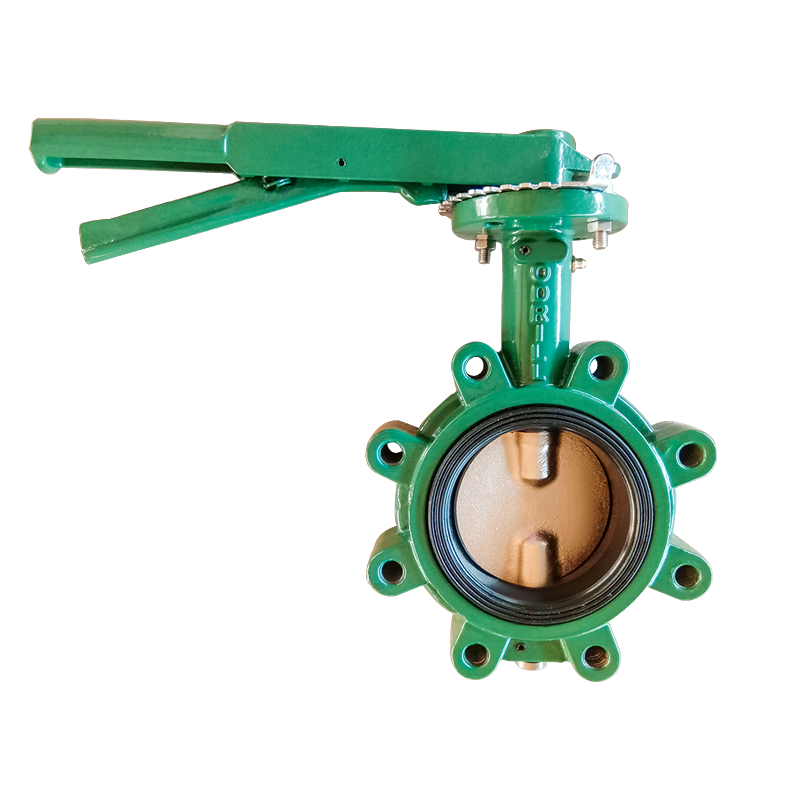
The Long Neck Lug Type Model 30 lands in that sweet spot. Built in the development area of Huanmadian, NingJin county, Hebei, China, it pairs a large, ISO 5211-compatible top flange with practical actuation choices—lever, manual gear, electric, or pneumatic. The “long neck” clears insulation and makes actuator mounting less of a headache, which, to be honest, is half the battle on many jobs.
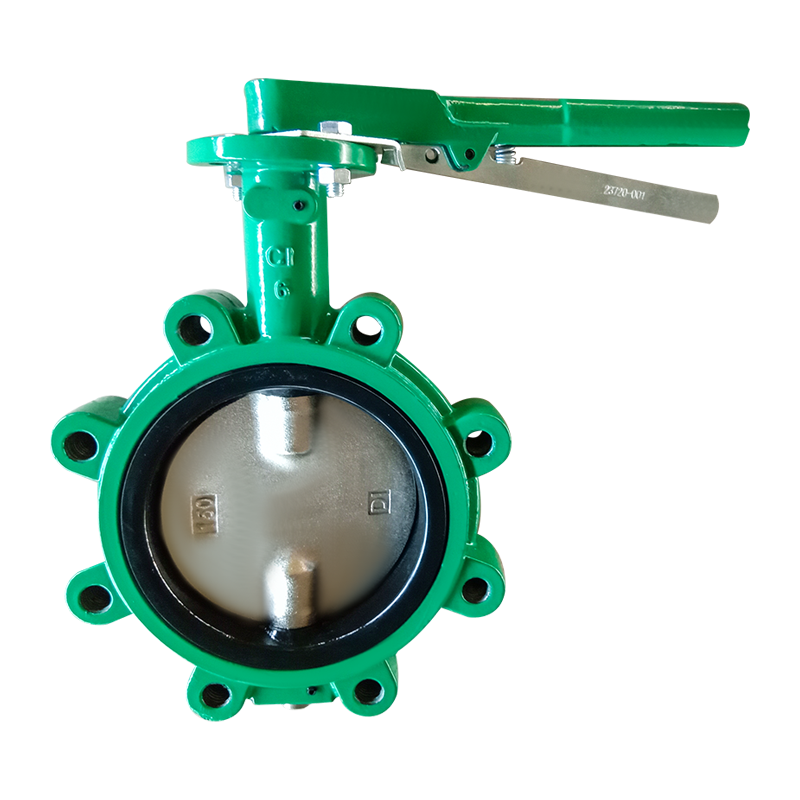
Quick technical snapshot (DN65, ≈2.5")
| Model / Type | Long Neck Lug Type Model 30 (DN65) |
| Pressure rating | PN16 or Class 150 (typical); shell test ≈1.5× rating; seat test ≈1.1× per API 598 / EN 12266-1 |
| Body | Ductile iron (ASTM A536), epoxy-coated |
| Disc | 316 stainless or Ni-plated ductile iron |
| Seat / Liner | EPDM, NBR, or FKM/Viton (potable-water and oil-service options; real-world use may vary) |
| Stem | SS 410/420; blowout-proof design |
| Top flange | ISO 5211 large pad; actuator-ready |
| End connection | Lug type, bidirectional, dead-end capable (check rating) |
| Temperature window | ≈ -10°C to +120°C with EPDM; higher with FKM |
| Leakage class | Bubble-tight for elastomer seat (per API 598) |
| Service life | Up to ≈100,000 cycles under clean water at PN16 (lab-tested); depends on media and actuation |
Process, testing, and certifications
Materials are batch-tracked; bodies are shot-blasted, coated, then assembled with precision-machined stems and seats. Each valve is hydro-tested—shell at roughly 1.5× rating and seat at ≈1.1×—per API 598 / EN 12266-1. Top flange follows ISO 5211 for actuator interchangeability. Facilities typically operate under ISO 9001; potable-water liners can be supplied to NSF/ANSI/CAN 61 or WRAS on request. For EU shipments, ask for PED 2014/68/EU conformity. If you’re in sour service, verify NACE MR0175 compatibility of wetted metals.
Where it fits (and why it’s popular)
- Water and wastewater skids, building services, and district energy loops.
- Food & beverage CIP return lines; the smooth disc profile helps reduce pressure drop.
- Compressed air and inert gas, when elastomer selection matches the media.
- Light hydrocarbons with FKM—though I always advise a compatibility check.
Many customers say the long neck makes insulation crews happier—no carving foam around actuators. And maintenance teams like the positive lug alignment on flanged spools. For a butterfly valve 2.5 inch in a crowded rack, that little ergonomic detail matters.
Vendor snapshot (what buyers compare)
| Item | Hongda Model 30 | Vendor A | Vendor B |
|---|---|---|---|
| Top flange | ISO 5211 long-neck, large pad | ISO 5211 standard | ISO 5211 standard |
| Pressure class | PN16 / Class 150 (typical) | PN10–PN16 | Class 125–150 |
| Actuation options | Lever, gear, electric, pneumatic | Lever, gear | Gear, electric |
| Lead time (DN65) | Around 10–20 days, ex-works (varies) | 2–4 weeks | 3–5 weeks |
| Certs (typ.) | ISO 9001; PED/NSF on request | ISO 9001 | ISO 9001; WRAS (select) |
Customization and real-world feedback
Options that tend to matter: disc in 316 SS for mildly corrosive media; EPDM vs. FKM depending on temperature; dry bearing vs. PTFE-lined bushings for sticky slurries; gear operator with padlock hasp for safety. One beverage plant told me their butterfly valve 2.5 inch units cut swap-out time by about 30% thanks to the lug alignment and actuator pad—small win, big morale boost.
Mini case study
A regional HVAC contractor retrofitted DN65 risers in a hotel tower. Mixing EPDM seats with manual gears and leaving clearance for 30 mm insulation, they reported zero seat leakage on commissioning. Hydro tests at ≈24 bar shell, 17.6 bar seat (water, 20°C) passed first shot. Not flashy, just dependable.
Final note: sizing a butterfly valve 2.5 inch is about more than pipe diameter—check differential pressure, media compatibility, and actuator torque at worst-case temperature.
Authoritative references
- API 609: Butterfly Valves—Double-flanged, Lug- and Wafer-type.
- ISO 5211: Industrial valves—Part-turn actuator attachments.
- EN 12266-1: Industrial valves—Testing of metallic valves—Pressure tests.
- API 598: Valve Inspection and Testing.
- AWWA C504: Rubber-Seated Butterfly Valves.
- PED 2014/68/EU: Pressure Equipment Directive.
- NSF/ANSI/CAN 61: Drinking Water System Components—Health Effects.
-
Comprehensive Guide to Wholesale 3 Butterfly Valve Price and Supplier Selection
NewsJan.28,2026
-
Comprehensive Guide to Wholesale Water Main Check Valve Selection and Application
NewsJan.27,2026
-
Wholesale 6 Lug Butterfly Valve – Durable & Cost-Effective Solutions for Industrial Applications
NewsJan.06,2026
-
Wholesale Composeal Butterfly Valve - Reliable Industrial Sealing Solutions
NewsJan.06,2026
-
Wholesale Marine Check Valve | Durable & Certified Marine Valves
NewsJan.06,2026
-
Wholesale Butterfly Valve Gas – B2B Solutions for Efficient Gas Flow Control | Hongda Valve
NewsJan.05,2026
 Afrikaans
 Albanian
 Amharic
 Arabic
 Armenian
 Azerbaijani
 Basque
 Belarusian
 Bengali
 Bosnian
 Bulgarian
 Catalan
 Cebuano
 Corsican
 Croatian
 Czech
Czech
 Danish
 Dutch
Dutch
 Esperanto
 Estonian
 Finnish
 French
 Frisian
 Galician
 Georgian
 German
 Greek
Greek
 Gujarati
 Haitian Creole
 Hausa
Hausa
 Hawaiian
 Hebrew
 Hindi
Hindi
 Miao
Miao
 Hungarian
 Icelandic
 Igbo
Igbo
 Indonesian
 Irish
Irish
 Italian
 Japanese
 Javanese
 Kannada
 Kazakh
 Khmer
Khmer
 Rwandese
 Korean
 Kurdish
 Kyrgyz
 Lao
Lao
 Latin
Latin
 Latvian
 Lithuanian
 Luxembourgish
 Macedonian
 Malgashi
 Malay
Malay
 Malayalam
 Maltese
 Maori
Maori
 Marathi
 Mongolian
 Myanmar
 Nepali
 Norwegian
 Norwegian
 Occitan
 Pashto
 Persian
 Polish
 Portuguese
 Punjabi
 Romanian
 Russian
 Samoan
 Scottish Gaelic
 Serbian
 Sesotho
 Shona
Shona
 Sindhi
 Sinhala
 Slovak
 Slovenian
 Somali
 Spanish
 Sundanese
 Swahili
 Swedish
 Tagalog
 Tajik
Tajik
 Tamil
Tamil
 Tatar
Tatar
 Telugu
 Thai
Thai
 Turkish
 Turkmen
 Ukrainian
 Urdu
Urdu
 Uighur
 Uzbek
Uzbek
 Vietnamese
 Welsh
Welsh
 Bantu
Bantu
 Yiddish
 Yoruba
 Zulu
Zulu
 English