- Call Us
- +8618633052223
- njhdvlz@163.com
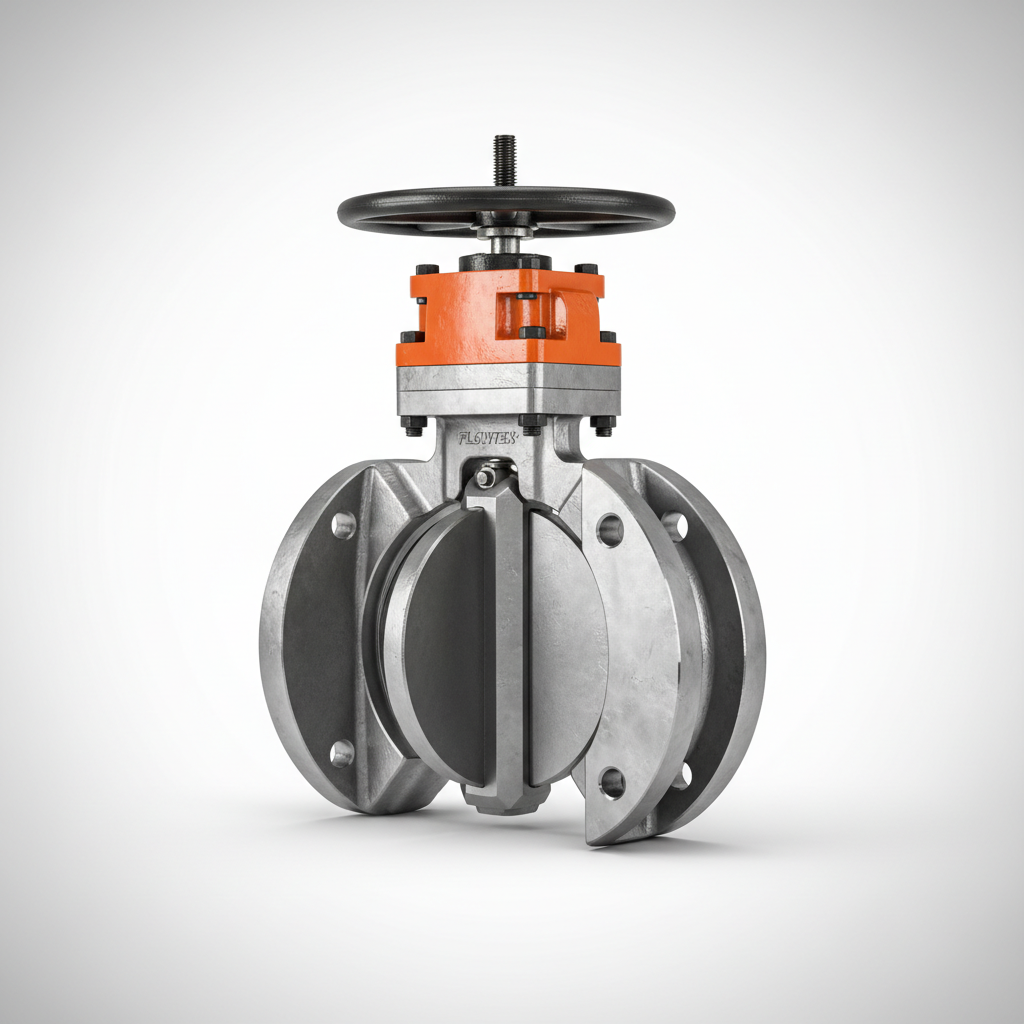
Look, wholesale 6 butterfly valve price… it's been a crazy year, honestly. Everyone's talking about Industry 4.0, smart valves, IoT integration… fancy stuff. But you spend enough time in the trenches, crawling around pump stations, and you realize a lot of that is just marketing fluff. What people really care about is if the darn thing doesn't leak and doesn't give them headaches.
The biggest issue I've been seeing lately is folks trying to over-engineer these things. They get caught up in CAD models and simulations and forget about the guy who’s gotta wrench it open in the middle of the night, in the pouring rain. Have you noticed how many designs look great on paper but are a nightmare to maintain? I was at a factory in Shandong last time and saw a "revolutionary" valve with a self-cleaning mechanism… it was so complicated, it was bound to fail.
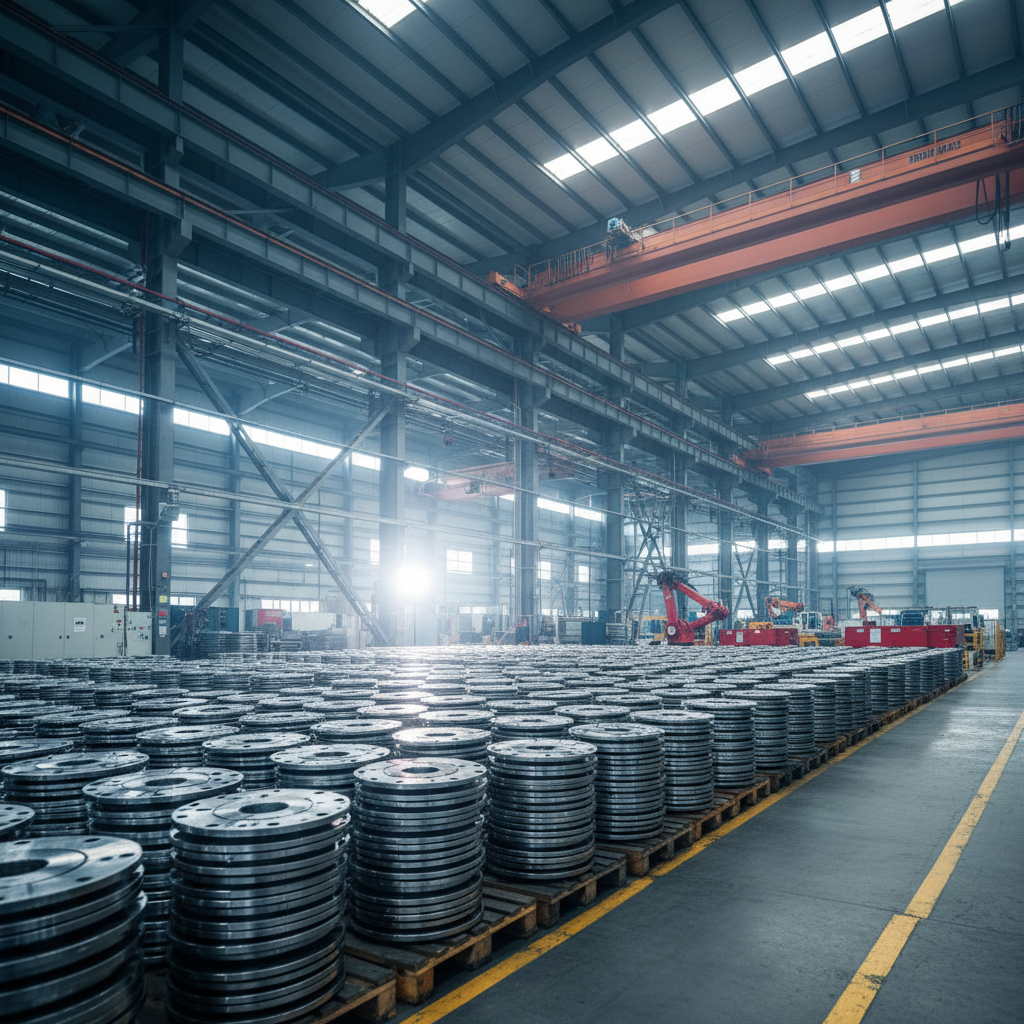
And don't even get me started on materials. Everyone wants stainless steel, right? Looks good, resists corrosion. But a lot of these cheaper stainless alloys… they’re just not up to the task. You need to feel the weight of it, smell the metal. Good stuff has a certain heft, a certain… solidity. We mostly use 316L, a little pricey, yeah, but it’s worth it. The castings are critical too. We work with a foundry that uses a special resin-bonded sand; it gives you a much smoother surface finish.
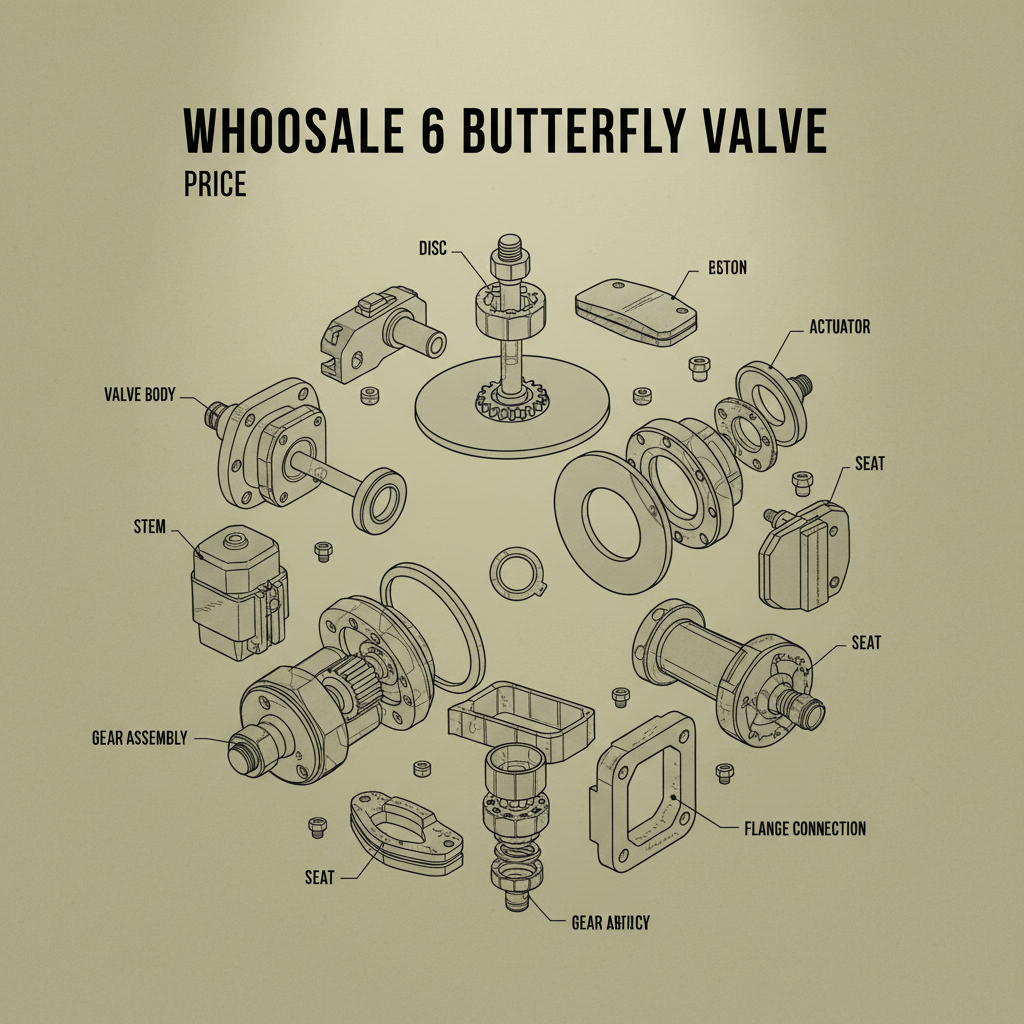
Honestly, these valves are everywhere. Water treatment plants, oil and gas pipelines, chemical processing… they're the workhorses of modern infrastructure. The UN estimates that over 2 billion people lack access to safely managed drinking water services. Reliable flow control – which is what we’re talking about here – is absolutely essential. And with climate change driving more extreme weather events, the demand for robust, durable valves is just going to keep increasing.
The whole supply chain thing the last few years? That really highlighted how critical these components are. Everything ground to a halt when a major foundry in China had to shut down due to regulations. Strangel, you'd think people would learn, but… Anyway, I think having dependable wholesale sources for stuff like this is more important than ever.
Lead times vary, honestly. It depends on the material, quantity, and our current production schedule. Generally, for standard valves, we’re looking at 4-6 weeks. But if you need something custom, or it’s a really large order, it could easily be 8-12 weeks. It’s always best to check with us directly for a firm quote. The global shipping situation doesn’t help either, so factor in potential delays there.
We offer valves with a range of certifications, including ISO 9001, API 609, and FM 17521. Depending on the application, we can also provide valves that meet specific industry standards, like NSF/ANSI 61 for potable water. We always provide certification documentation with every order, so you know you're getting a quality product. Don’t trust anyone who can’t show you the paperwork.
Absolutely. We offer a variety of actuation options. We can equip these valves with pneumatic actuators, electric actuators, or even manual gearboxes. Last month, a small boss in Shenzhen who makes smart home devices insisted on changing the interface to on the electric actuator – said it was “more modern.” The result? A week of troubleshooting because the control system wasn’t compatible! Anyway, customization is possible, but make sure it’s well thought out.
Valve seats are commonly made from materials like EPDM, PTFE, or NBR. EPDM is great for water applications, PTFE is good for corrosive chemicals, and NBR is often used for oil and gas. The choice depends on the fluid being controlled and the operating temperature. We can also source other materials if you have a specific requirement. We had one customer who needed a seat made from Viton, for a really aggressive chemical process. It wasn’t cheap, but it solved their problem.
A properly maintained valve should last for at least 10-15 years, maybe even longer. It really depends on the application and the operating conditions. Regular inspection, lubrication, and replacement of worn parts are key. Ignoring maintenance is a recipe for disaster. We offer maintenance kits and training programs to help our customers keep their valves in top condition. Prevention is cheaper than a replacement, believe me.
Yes, we offer a standard 1-year warranty against manufacturing defects. We also offer extended warranties on certain products. The warranty covers the cost of replacement parts or repair, but it doesn’t cover damage caused by misuse, improper installation, or lack of maintenance. We stand behind our products, but we also expect our customers to treat them right.
Ultimately, wholesale 6 butterfly valve price isn’t just about finding the cheapest option. It's about finding a reliable partner who understands your needs, provides quality products, and offers excellent support. From material selection to design considerations, and real-world testing, every detail matters.
And remember, whether this thing works or not, the worker will know the moment he tightens the screw. So, if you're looking for valves you can depend on, get in touch with us at www.hongdavalve.com. We don't just sell valves, we sell peace of mind.

 Afrikaans
 Albanian
 Amharic
 Arabic
 Armenian
 Azerbaijani
 Basque
 Belarusian
 Bengali
 Bosnian
 Bulgarian
 Catalan
 Cebuano
 Corsican
 Croatian
 Czech
Czech
 Danish
 Dutch
Dutch
 Esperanto
 Estonian
 Finnish
 French
 Frisian
 Galician
 Georgian
 German
 Greek
Greek
 Gujarati
 Haitian Creole
 Hausa
Hausa
 Hawaiian
 Hebrew
 Hindi
Hindi
 Miao
Miao
 Hungarian
 Icelandic
 Igbo
Igbo
 Indonesian
 Irish
Irish
 Italian
 Japanese
 Javanese
 Kannada
 Kazakh
 Khmer
Khmer
 Rwandese
 Korean
 Kurdish
 Kyrgyz
 Lao
Lao
 Latin
Latin
 Latvian
 Lithuanian
 Luxembourgish
 Macedonian
 Malgashi
 Malay
Malay
 Malayalam
 Maltese
 Maori
Maori
 Marathi
 Mongolian
 Myanmar
 Nepali
 Norwegian
 Norwegian
 Occitan
 Pashto
 Persian
 Polish
 Portuguese
 Punjabi
 Romanian
 Russian
 Samoan
 Scottish Gaelic
 Serbian
 Sesotho
 Shona
Shona
 Sindhi
 Sinhala
 Slovak
 Slovenian
 Somali
 Spanish
 Sundanese
 Swahili
 Swedish
 Tagalog
 Tajik
Tajik
 Tamil
Tamil
 Tatar
Tatar
 Telugu
 Thai
Thai
 Turkish
 Turkmen
 Ukrainian
 Urdu
Urdu
 Uighur
 Uzbek
Uzbek
 Vietnamese
 Welsh
Welsh
 Bantu
Bantu
 Yiddish
 Yoruba
 Zulu
Zulu
 English