- Call Us
- +8618633052223
- njhdvlz@163.com
Look, I’ve spent the last twenty years getting my hands dirty on construction sites, dealing with valves day in and day out. And let me tell you, a reliable check valve isn't some fancy engineering detail – it’s the backbone of keeping things running smoothly, safely, and on schedule. When you’re talking about fluid systems, you need to be absolutely sure flow is going one way and staying there. That’s where a good wholesale fip check valve comes in. It’s not glamorous, but it's vital. I've seen projects grind to a halt, and even face safety risks, because someone skimped on the check valves. Knowing you've got quality, durable valves in the system gives you one less thing to worry about when you’re juggling a hundred other details.
We're talking about everything from wastewater treatment plants to oil refineries, and even the plumbing in a new high-rise. The demand for these isn't slowing down. Globally, infrastructure development is booming, and increasingly stringent environmental regulations require more precise control of fluid flow. The UN estimates that over $5.7 trillion in infrastructure investment will be needed annually by 2030, and a huge chunk of that relies on components like reliable check valves. Understanding the nuances of wholesale fip check valves – materials, pressure ratings, connection types – is critical for anyone involved in these projects.
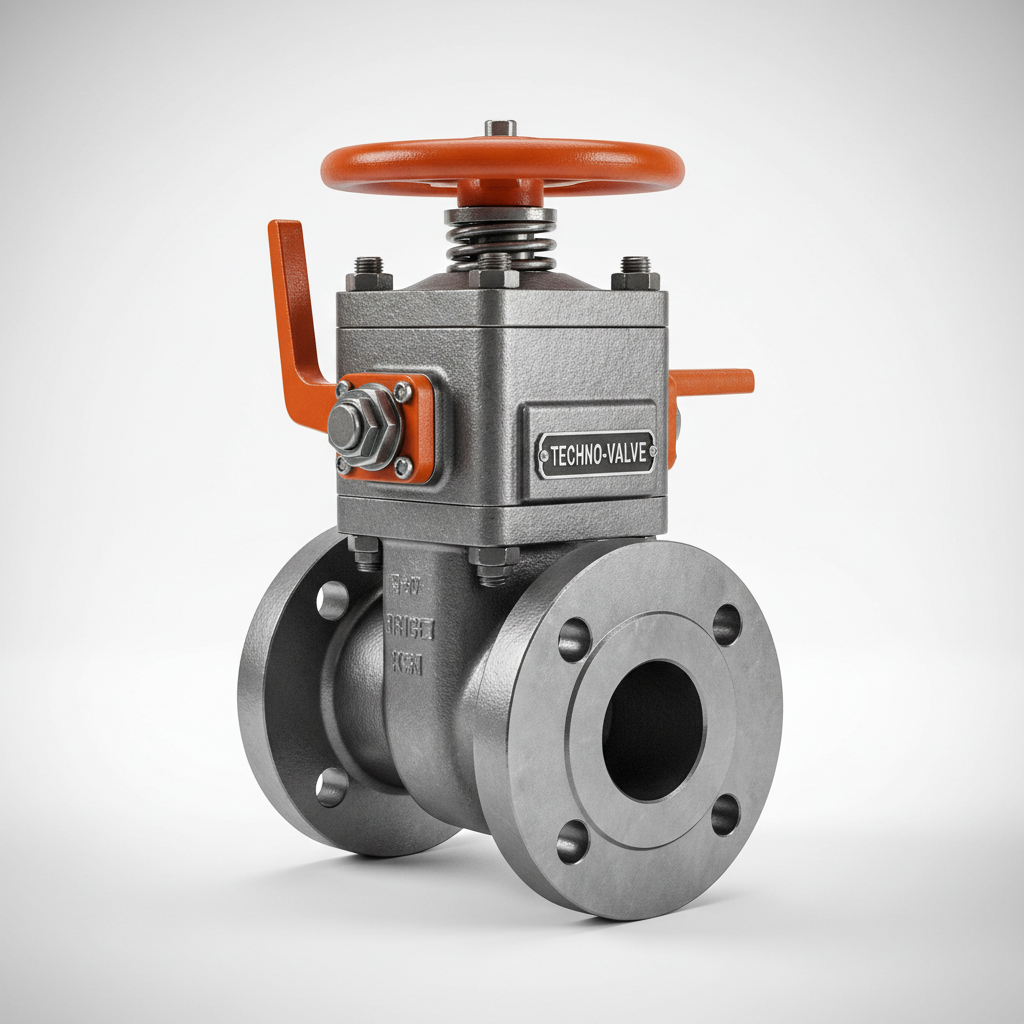
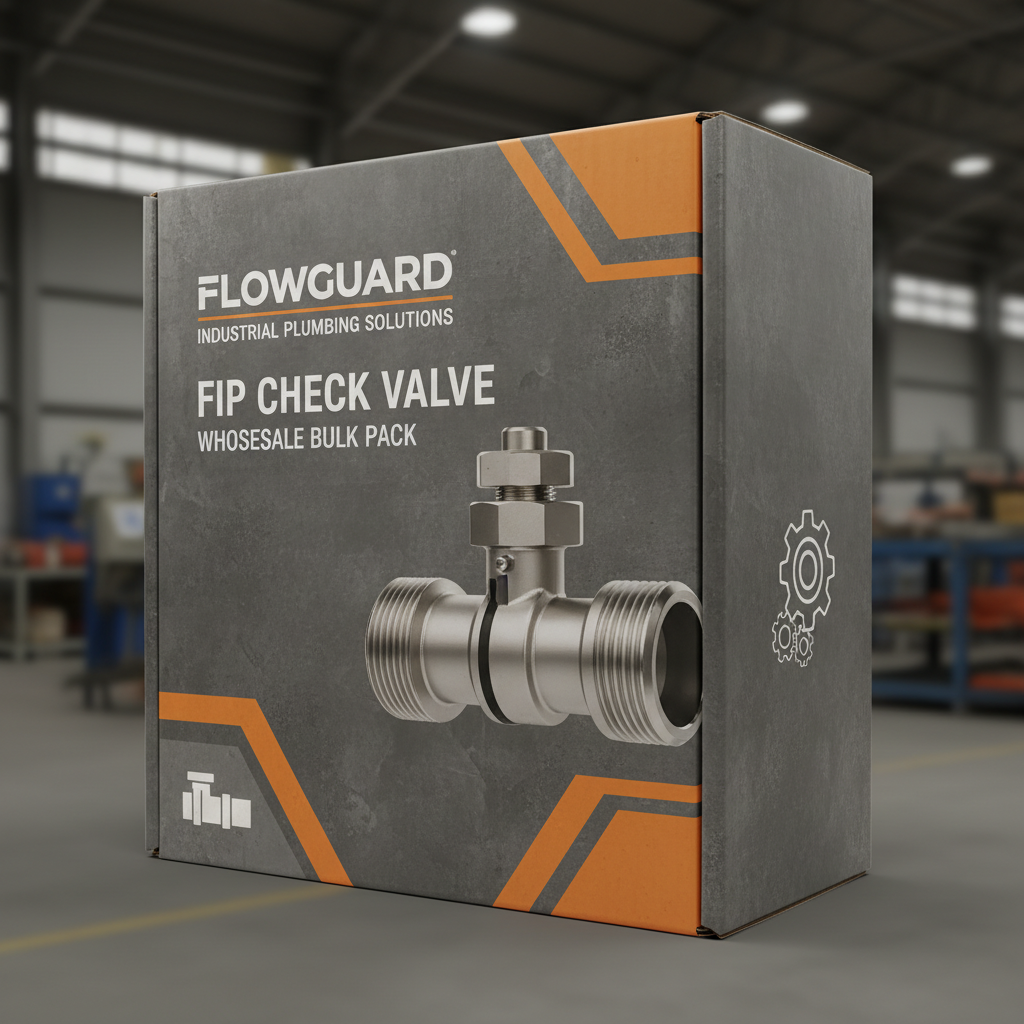
It's a deceptively simple device, but vital. A wholesale fip check valve, at its core, is a valve that allows fluid to flow in only one direction. "FIP" stands for Female Iron Pipe, meaning it’s designed to screw into a threaded pipe connection. You’re seeing these used everywhere, preventing backflow contamination and protecting pumps and other equipment from damage. It's fundamental stuff, really, the building blocks of modern industrial and municipal systems.
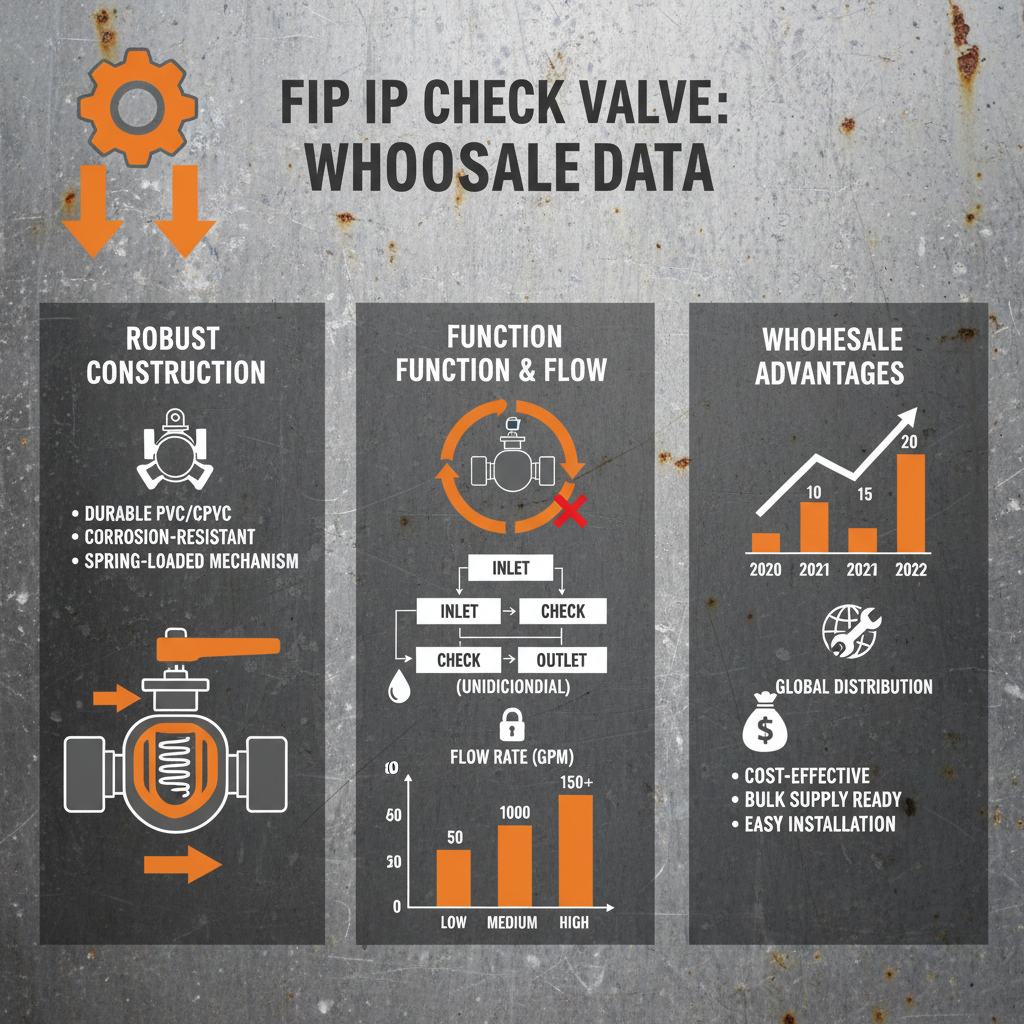
Choosing the right wholesale fip check valve isn't just about grabbing the cheapest option. It's about understanding your system’s specific needs. Pressure rating is huge, obviously. You need to know the maximum pressure the valve will encounter, and make sure it's rated for more than that. Then there's the fluid compatibility. A valve suitable for water isn't necessarily suitable for chemicals or corrosive liquids. Material selection is critical here – stainless steel, brass, PVC… each has its place.
Connection type is another key consideration. FIP is common, but you've also got NPT, flanged, and socket weld options. Make sure it matches your existing piping system. And don't forget about the flow coefficient (Cv) – this tells you how much fluid can flow through the valve with a given pressure drop. A low Cv can restrict flow and reduce system efficiency. It's a holistic picture; you need to consider everything to get the right fit.
The lifespan really depends on the operating conditions and material. A well-maintained brass valve might last 10-15 years, while a stainless steel valve in a clean environment could easily last 20+ years. Frequent cycling, harsh chemicals, and extreme temperatures will shorten the lifespan. Regular inspection is key to catching issues before they become major problems.
You need to know the maximum pressure your system will experience, including any potential surges. Then, choose a valve with a pressure rating that's significantly higher – at least 20% higher is a good rule of thumb. Underestimating the pressure rating can lead to valve failure and potentially dangerous situations.
Stainless steel (316 or higher grade) and certain plastics like PTFE (Teflon) are excellent choices for corrosive fluids. The specific material will depend on the type of chemical involved. You'll need to consult a chemical compatibility chart to ensure the valve material is compatible with the fluid it will be handling.
Spring-loaded check valves use a spring to close the valve quickly, making them good for fast-acting systems. Swing check valves rely on the flow of fluid to open and close, and are generally more suitable for slower-moving systems. Each has its advantages depending on the application.
Very important! Regular inspection and cleaning can prevent buildup of debris that can cause the valve to stick or leak. Lubricating the moving parts can also extend the lifespan. A preventative maintenance schedule is a good investment to avoid costly repairs or downtime.
Finding a reputable supplier is crucial. Look for companies with a proven track record, good customer reviews, and a wide range of products. Ensure they offer certifications and quality control measures. wholesale fip check valve is a great option.
So, there you have it. Wholesale fip check valves aren't glamorous, but they're absolutely essential for the safe and efficient operation of countless systems around the world. From industrial plants to municipal water supplies, these small but mighty components play a critical role in protecting equipment, preventing contamination, and ensuring reliable flow. Understanding the key factors in selection, the various applications, and the importance of quality materials is vital for anyone involved in fluid system design and maintenance.
Looking ahead, we'll continue to see innovation in this field, with a focus on smarter valves, more sustainable materials, and greater integration with digital control systems. Investing in quality wholesale fip check valves isn't just about saving money in the short term; it’s about building robust, reliable systems that will perform for years to come. For all your needs, visit our website today.

 Afrikaans
 Albanian
 Amharic
 Arabic
 Armenian
 Azerbaijani
 Basque
 Belarusian
 Bengali
 Bosnian
 Bulgarian
 Catalan
 Cebuano
 Corsican
 Croatian
 Czech
Czech
 Danish
 Dutch
Dutch
 Esperanto
 Estonian
 Finnish
 French
 Frisian
 Galician
 Georgian
 German
 Greek
Greek
 Gujarati
 Haitian Creole
 Hausa
Hausa
 Hawaiian
 Hebrew
 Hindi
Hindi
 Miao
Miao
 Hungarian
 Icelandic
 Igbo
Igbo
 Indonesian
 Irish
Irish
 Italian
 Japanese
 Javanese
 Kannada
 Kazakh
 Khmer
Khmer
 Rwandese
 Korean
 Kurdish
 Kyrgyz
 Lao
Lao
 Latin
Latin
 Latvian
 Lithuanian
 Luxembourgish
 Macedonian
 Malgashi
 Malay
Malay
 Malayalam
 Maltese
 Maori
Maori
 Marathi
 Mongolian
 Myanmar
 Nepali
 Norwegian
 Norwegian
 Occitan
 Pashto
 Persian
 Polish
 Portuguese
 Punjabi
 Romanian
 Russian
 Samoan
 Scottish Gaelic
 Serbian
 Sesotho
 Shona
Shona
 Sindhi
 Sinhala
 Slovak
 Slovenian
 Somali
 Spanish
 Sundanese
 Swahili
 Swedish
 Tagalog
 Tajik
Tajik
 Tamil
Tamil
 Tatar
Tatar
 Telugu
 Thai
Thai
 Turkish
 Turkmen
 Ukrainian
 Urdu
Urdu
 Uighur
 Uzbek
Uzbek
 Vietnamese
 Welsh
Welsh
 Bantu
Bantu
 Yiddish
 Yoruba
 Zulu
Zulu
 English