- Call Us
- +8618633052223
- njhdvlz@163.com
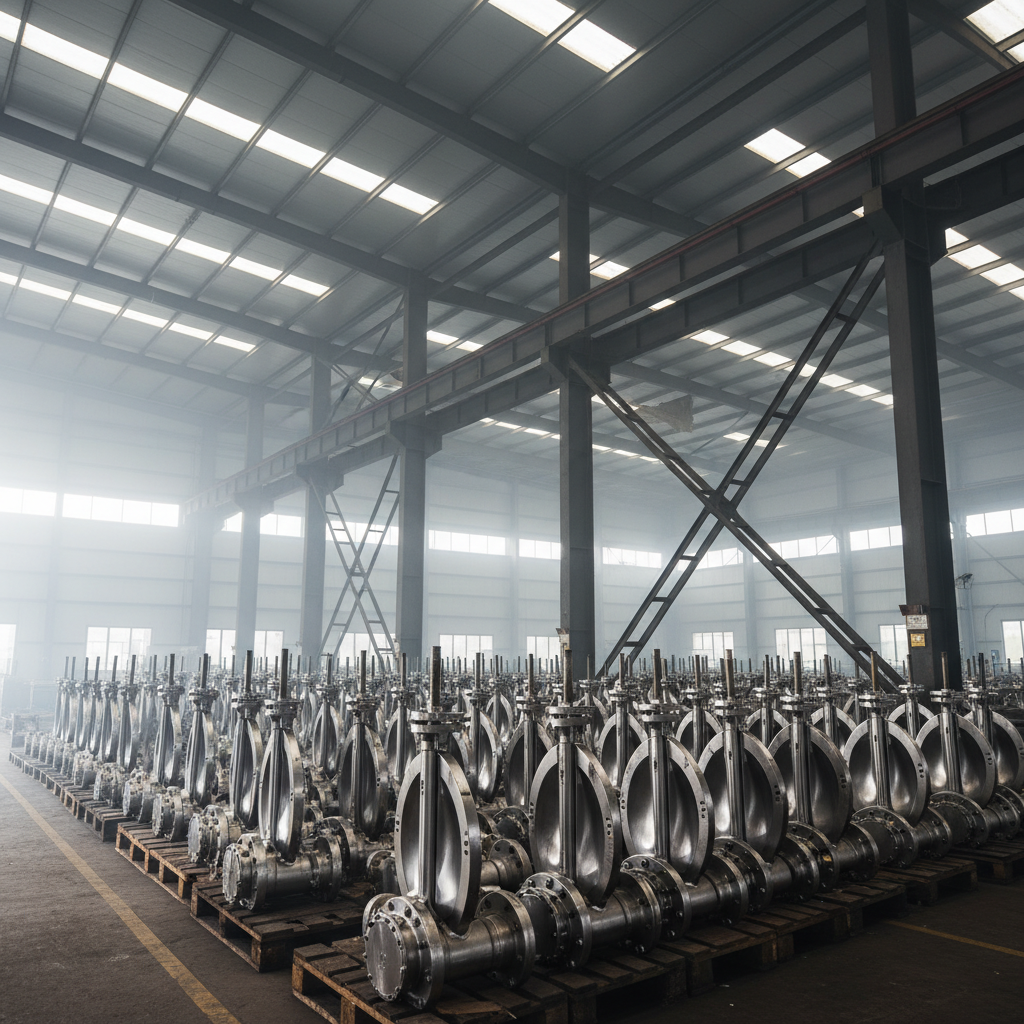
Wholesale butterfly valve full bore solutions are integral to modern fluid management systems across a diverse range of industries. These valves, known for their efficient flow control and relatively low cost, are vital in applications from water treatment and chemical processing to power generation and HVAC. Understanding the nuances of wholesale butterfly valve full bore – including material selection, design features, and performance characteristics – is crucial for engineers, procurement specialists, and facility managers seeking reliable and cost-effective solutions.
The global market for industrial valves, including butterfly valves, is experiencing steady growth, driven by infrastructure development in emerging economies and the increasing demand for automation and process optimization. According to a recent report by Global Market Insights, the industrial valves market is projected to exceed $85 billion by 2027. This growth highlights the importance of understanding the sourcing and specifications of wholesale butterfly valve full bore for maintaining operational efficiency and reducing overall costs.
Addressing challenges related to fluid handling, such as corrosion, pressure fluctuations, and maintenance downtime, necessitates a thorough consideration of valve technology. Wholesale butterfly valve full bore, when chosen and implemented correctly, offers a practical and robust answer to these challenges, ensuring smooth operation and longevity in critical applications.
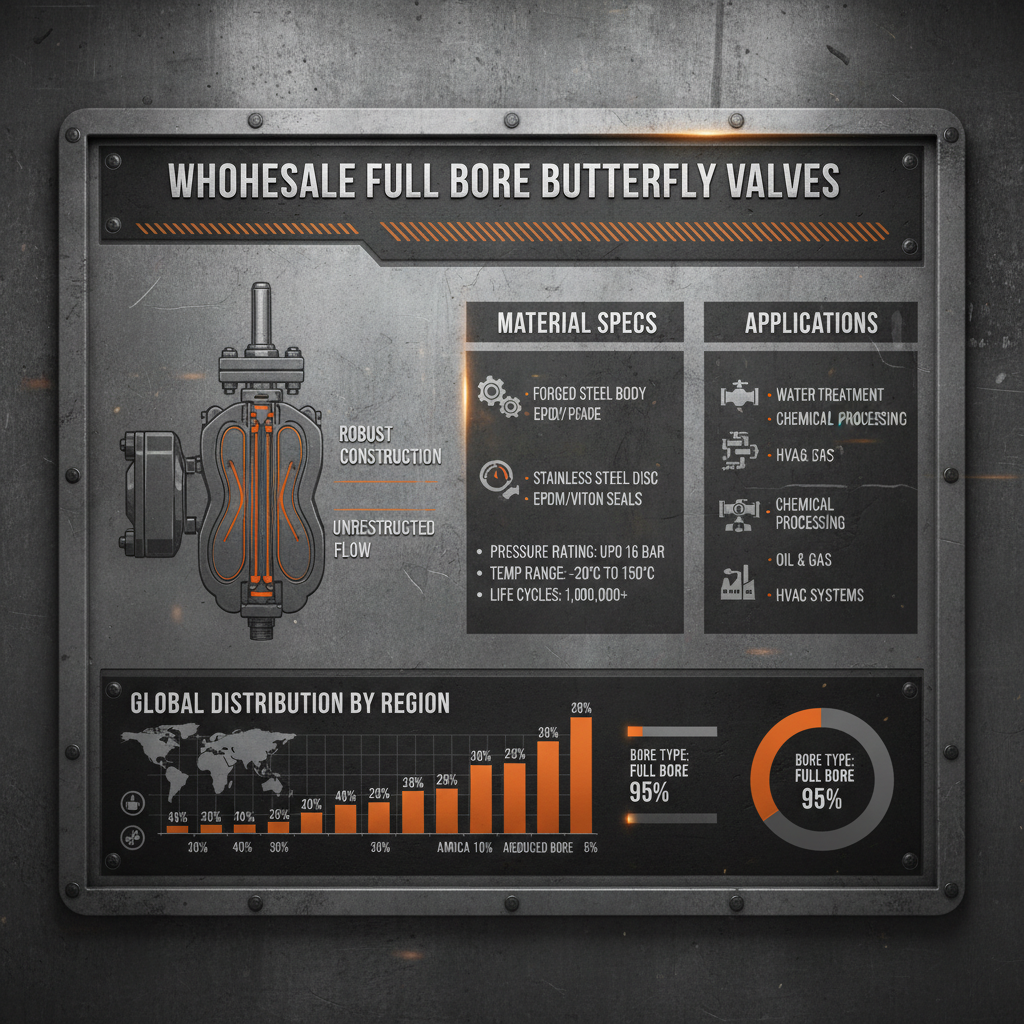
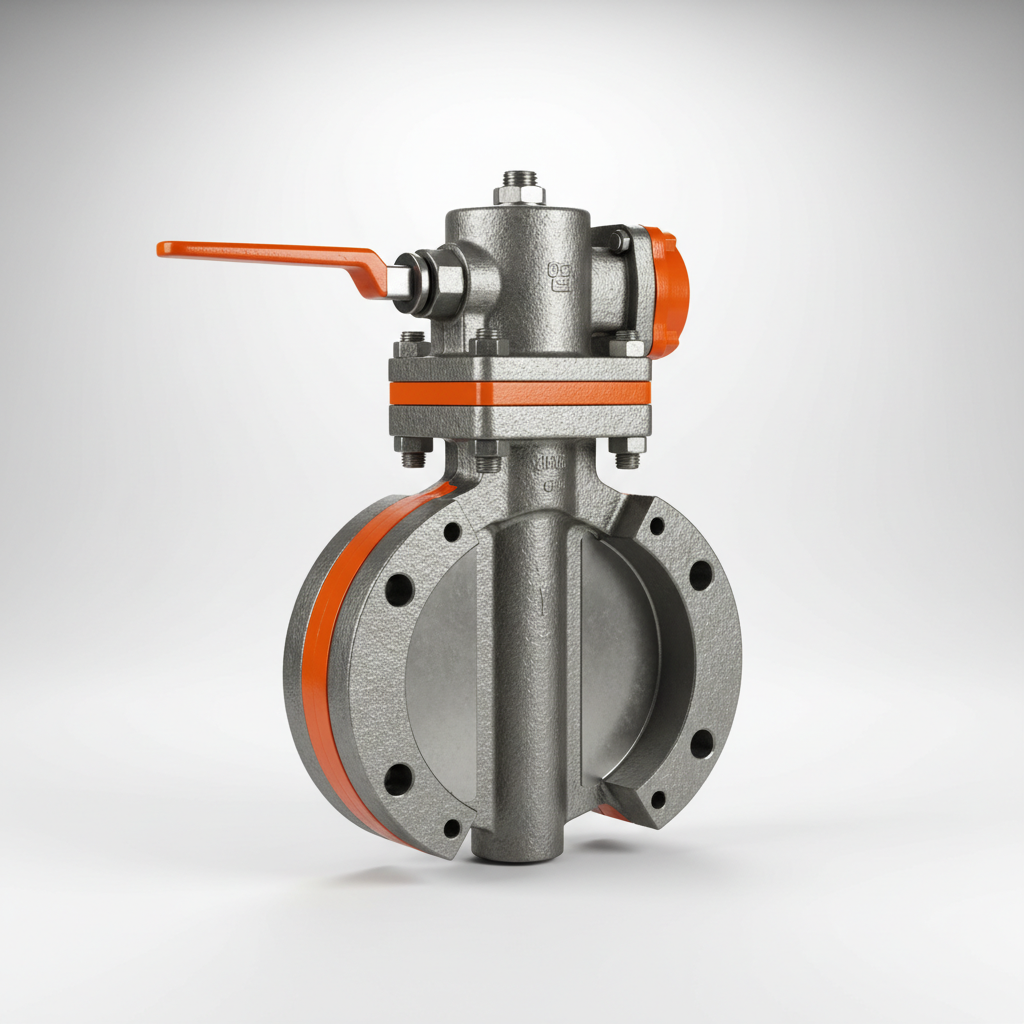
At its core, a wholesale butterfly valve full bore functions by rotating a disc within the flow path to regulate or isolate fluid flow. The ‘full bore’ designation indicates that the internal diameter of the valve is equal to the pipe's internal diameter, minimizing flow restriction and pressure drop. This design promotes efficient fluid transport and reduces energy consumption.
The simplicity of the butterfly valve’s design contributes to its relatively low cost and ease of maintenance. Compared to other valve types, such as gate or globe valves, butterfly valves typically require fewer components and less intricate manufacturing processes, leading to more competitive wholesale pricing and faster lead times.
A full bore butterfly valve, as the name suggests, has an internal diameter that matches the pipe's internal diameter, allowing for unrestricted flow. A reduced bore valve has a smaller internal diameter, creating some flow restriction. Full bore valves are preferred when minimizing pressure drop and maximizing flow rate are critical. Reduced bore valves are often used in applications where flow control is more important than maximum throughput.
For corrosive environments, stainless steel (316 or higher grades) and specialized alloys like Hastelloy are commonly used. These materials offer excellent resistance to a wide range of chemicals and corrosive agents. Additionally, PTFE or other fluoropolymer linings can be applied to the valve body and disc to provide an extra layer of protection against corrosion.
The inspection frequency depends on the application and operating conditions. As a general guideline, regular visual inspections should be conducted every six to twelve months to check for signs of corrosion, leakage, or damage. More frequent inspections may be necessary in harsh environments or critical applications. Following the manufacturer's recommendations for maintenance intervals is crucial.
With proper maintenance and operation within specified parameters, a wholesale butterfly valve full bore can typically last for 10-20 years or even longer. Factors such as material quality, operating conditions, and maintenance practices significantly influence the lifespan. Regular inspections, lubrication, and timely replacement of worn parts are essential for maximizing valve longevity.
Full bore butterfly valves offer several advantages, including lower pressure drop, lightweight construction, and relatively low cost. They are particularly well-suited for large diameter pipelines and applications where minimal flow restriction is desired. Compared to gate valves, they provide quicker opening and closing times. Compared to globe valves, they offer lower pressure loss.
When purchasing valves for potable water systems, look for certifications such as WRAS (Water Regulations Advisory Scheme) approval, NSF/ANSI 61 certification, and compliance with relevant local regulations. These certifications ensure that the valve materials are safe for contact with drinking water and do not leach harmful contaminants. Additionally, check for certifications related to lead content, ensuring the valve meets stringent standards for potable water applications.
In summary, wholesale butterfly valve full bore represent a critical component in numerous industrial and infrastructural applications, offering a balance of efficiency, reliability, and cost-effectiveness. Their full bore design minimizes flow restriction, while advancements in materials and automation are continually enhancing their performance and extending their capabilities. Understanding the nuances of material selection, industry standards, and future trends is essential for making informed decisions.
Looking ahead, the continued development of smart valve technologies and sustainable manufacturing practices will further solidify the role of wholesale butterfly valve full bore in creating efficient, resilient, and environmentally responsible fluid management systems. For premium quality and competitive pricing on wholesale butterfly valve full bore, visit our website: www.hongdavalve.com

 Afrikaans
 Albanian
 Amharic
 Arabic
 Armenian
 Azerbaijani
 Basque
 Belarusian
 Bengali
 Bosnian
 Bulgarian
 Catalan
 Cebuano
 Corsican
 Croatian
 Czech
Czech
 Danish
 Dutch
Dutch
 Esperanto
 Estonian
 Finnish
 French
 Frisian
 Galician
 Georgian
 German
 Greek
Greek
 Gujarati
 Haitian Creole
 Hausa
Hausa
 Hawaiian
 Hebrew
 Hindi
Hindi
 Miao
Miao
 Hungarian
 Icelandic
 Igbo
Igbo
 Indonesian
 Irish
Irish
 Italian
 Japanese
 Javanese
 Kannada
 Kazakh
 Khmer
Khmer
 Rwandese
 Korean
 Kurdish
 Kyrgyz
 Lao
Lao
 Latin
Latin
 Latvian
 Lithuanian
 Luxembourgish
 Macedonian
 Malgashi
 Malay
Malay
 Malayalam
 Maltese
 Maori
Maori
 Marathi
 Mongolian
 Myanmar
 Nepali
 Norwegian
 Norwegian
 Occitan
 Pashto
 Persian
 Polish
 Portuguese
 Punjabi
 Romanian
 Russian
 Samoan
 Scottish Gaelic
 Serbian
 Sesotho
 Shona
Shona
 Sindhi
 Sinhala
 Slovak
 Slovenian
 Somali
 Spanish
 Sundanese
 Swahili
 Swedish
 Tagalog
 Tajik
Tajik
 Tamil
Tamil
 Tatar
Tatar
 Telugu
 Thai
Thai
 Turkish
 Turkmen
 Ukrainian
 Urdu
Urdu
 Uighur
 Uzbek
Uzbek
 Vietnamese
 Welsh
Welsh
 Bantu
Bantu
 Yiddish
 Yoruba
 Zulu
Zulu
 English