- Call Us
- +8618633052223
- njhdvlz@163.com
Let me tell you, after years spent knee-deep in mud on construction sites, wrestling with pipe fittings and talking shop with engineers, you learn a thing or two about what really matters in a check valve. It’s not about fancy marketing – it’s about reliability. A stalled oil pump because of a faulty check valve can bring an entire operation to a standstill, costing time and serious money. That’s where a dependable wholesale oil pump check valve comes in. We’re talking about preventing backflow, protecting equipment, and ensuring a smooth, uninterrupted process. It sounds simple, but the details? They're crucial.
I’ve seen too many projects delayed by subpar components. Choosing the right wholesale oil pump check valve isn’t just a procurement decision; it's a risk mitigation strategy. A cheap valve failing means potential damage to expensive pumps, and even safety hazards. It's about understanding the specific application, the fluid being handled, the pressure, and the temperature. It’s a holistic view, and something you don’t get from a catalog.
Frankly, the demand for robust, reliable wholesale oil pump check valve is only going up. Increased energy exploration, infrastructure projects in developing nations, and the constant push for more efficient operations all contribute to a growing market. And the biggest issue I see consistently? Finding valves that can consistently deliver on quality at scale. That’s where sourcing from a trusted wholesale supplier becomes paramount.
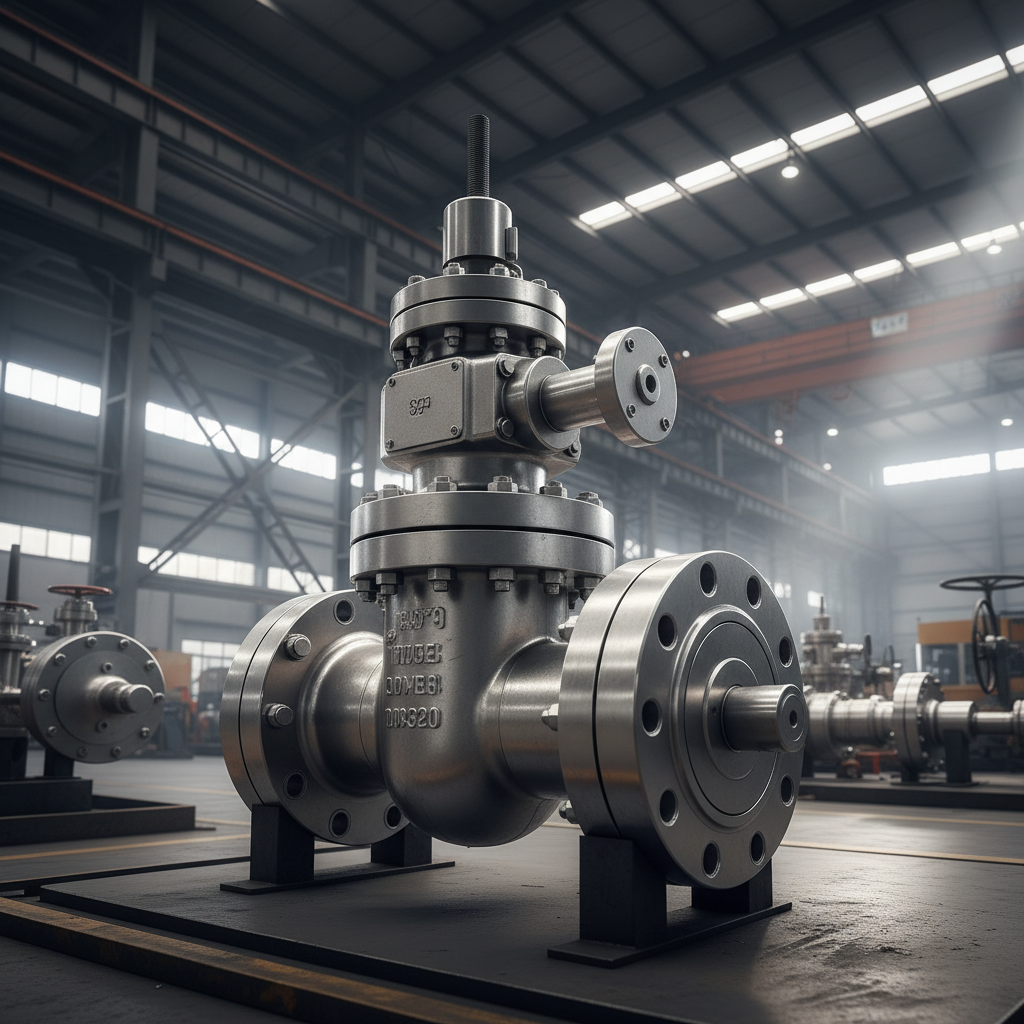
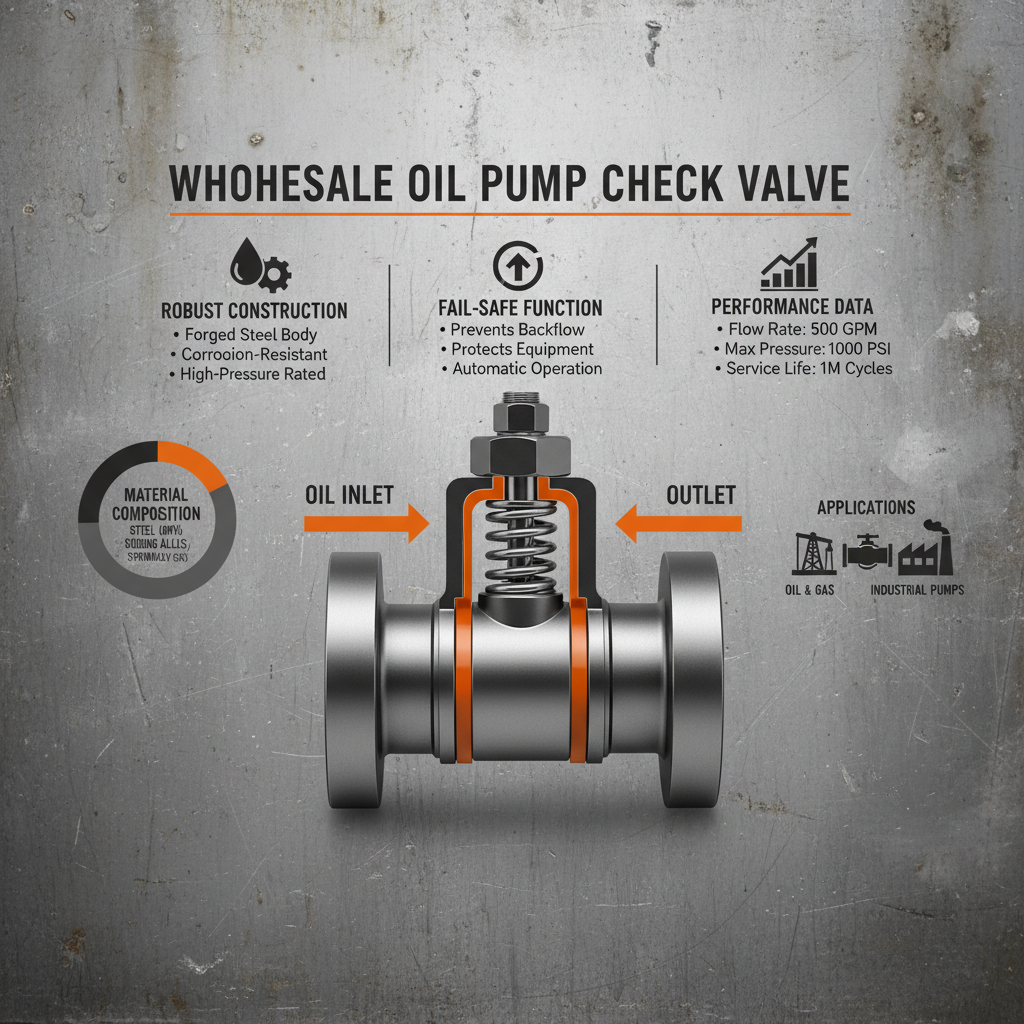
Look, a check valve isn't glamorous. It's a behind-the-scenes component, but a vital one. A wholesale oil pump check valve, specifically, ensures fluid flows in only one direction – preventing damaging backflow in oil pumping systems. This isn't just about maintaining pressure; it's about protecting your expensive pumps and compressors. I've personally seen situations where a failed check valve caused catastrophic damage, turning a minor maintenance issue into a multi-thousand dollar repair.
The scale of wholesale procurement matters too. Getting a consistent, reliable supply of quality valves directly from a wholesaler allows project managers to plan effectively and avoid costly delays. It eliminates the middleman markups and ensures you're getting a fair price for a durable, dependable product. That, in my experience, is the cornerstone of a successful project.
When dealing with corrosive fluids, materials like stainless steel (316L), Hastelloy, or specific polymers (PTFE) are crucial. These materials resist chemical attack and prevent valve degradation, ensuring long-term reliability. It's also important to consider the specific type of corrosion - pitting, crevice, or uniform - to select the most appropriate material. Proper material selection minimizes downtime and avoids costly replacements.
In high-pressure systems, routine inspection is vital. I recommend at least quarterly inspections, and ideally monthly. Look for signs of wear, erosion, or leakage. Check the seating surfaces for damage and ensure the valve operates smoothly. Document your inspections to track performance and identify potential issues before they become critical. Regular preventive maintenance saves money in the long run.
Swing check valves are good for low to moderate flow rates and allow for a more gradual closure. Lift check valves are better suited for high-flow applications and provide a more positive shut-off. Consider the fluid velocity and pressure drop when making your selection. Swing valves can handle solids better, while lift valves are less susceptible to water hammer.
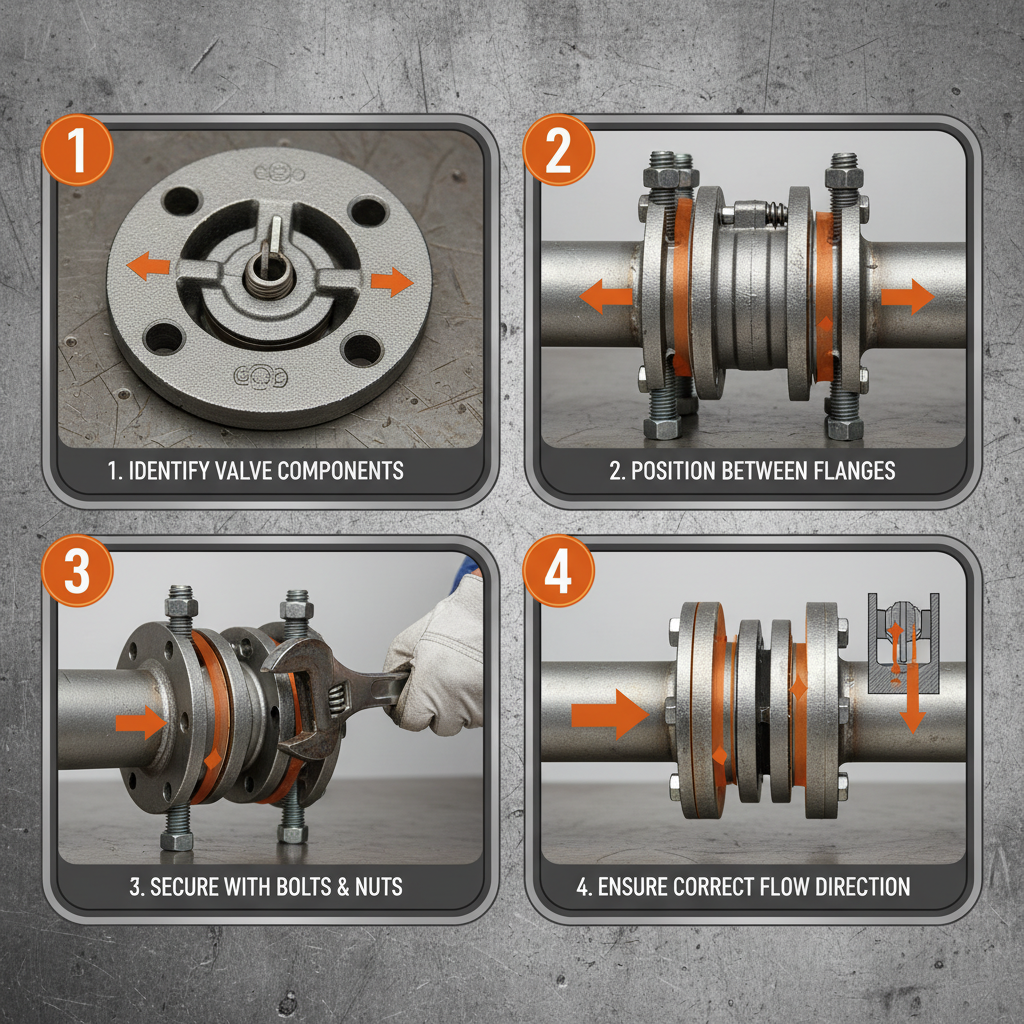
A proper seal is paramount. Ensure the valve seating surfaces are clean and free from debris. Use appropriate gaskets or seals compatible with the fluid being handled. Torque the fasteners to the manufacturer's specifications. Conduct a leak test after installation to verify the seal's integrity. Regularly inspect and replace seals as needed.
For fluctuating flow rates, a valve with a quick response time is essential. Ball or spring-loaded check valves generally perform better in these scenarios. Consider the valve’s damping characteristics to minimize water hammer. Ensure the valve can handle both the peak and minimum flow rates without compromising performance.
Wholesale suppliers often offer better pricing due to bulk purchasing power. They also provide a wider range of brands and models, simplifying your sourcing process. A good wholesaler will have established quality control procedures and offer technical support, and a strong understanding of logistics. Plus, they can often deliver faster than waiting for a direct shipment from the manufacturer.
In conclusion, a reliable wholesale oil pump check valve is more than just a component—it’s a critical element in ensuring the efficiency, safety, and longevity of oil pumping operations. Understanding the key factors in selection, proper installation, and routine maintenance is essential for maximizing its value. It's about protecting your investment, minimizing downtime, and maintaining operational integrity.
Looking ahead, the integration of smart technologies and advanced materials will continue to drive innovation in check valve design. Prioritizing durable, well-sourced components from a trusted wholesale supplier like Hongda Valve is a proactive step towards a more reliable and sustainable future for the oil and gas industry, and beyond. Don't cut corners – a quality valve is an investment, not an expense.

 Afrikaans
 Albanian
 Amharic
 Arabic
 Armenian
 Azerbaijani
 Basque
 Belarusian
 Bengali
 Bosnian
 Bulgarian
 Catalan
 Cebuano
 Corsican
 Croatian
 Czech
Czech
 Danish
 Dutch
Dutch
 Esperanto
 Estonian
 Finnish
 French
 Frisian
 Galician
 Georgian
 German
 Greek
Greek
 Gujarati
 Haitian Creole
 Hausa
Hausa
 Hawaiian
 Hebrew
 Hindi
Hindi
 Miao
Miao
 Hungarian
 Icelandic
 Igbo
Igbo
 Indonesian
 Irish
Irish
 Italian
 Japanese
 Javanese
 Kannada
 Kazakh
 Khmer
Khmer
 Rwandese
 Korean
 Kurdish
 Kyrgyz
 Lao
Lao
 Latin
Latin
 Latvian
 Lithuanian
 Luxembourgish
 Macedonian
 Malgashi
 Malay
Malay
 Malayalam
 Maltese
 Maori
Maori
 Marathi
 Mongolian
 Myanmar
 Nepali
 Norwegian
 Norwegian
 Occitan
 Pashto
 Persian
 Polish
 Portuguese
 Punjabi
 Romanian
 Russian
 Samoan
 Scottish Gaelic
 Serbian
 Sesotho
 Shona
Shona
 Sindhi
 Sinhala
 Slovak
 Slovenian
 Somali
 Spanish
 Sundanese
 Swahili
 Swedish
 Tagalog
 Tajik
Tajik
 Tamil
Tamil
 Tatar
Tatar
 Telugu
 Thai
Thai
 Turkish
 Turkmen
 Ukrainian
 Urdu
Urdu
 Uighur
 Uzbek
Uzbek
 Vietnamese
 Welsh
Welsh
 Bantu
Bantu
 Yiddish
 Yoruba
 Zulu
Zulu
 English