
- Call Us
- +8618633052223
- njhdvlz@163.com
Sep . 14, 2025 08:20 Back to list
Durable Red Butterfly Valve: PTFE Seated, Ductile Iron & SS Options
Precision Engineering of Advanced Butterfly Valves for Industrial Applications
In the demanding landscape of industrial fluid control, the selection of robust and reliable valve technology is paramount. Among the various valve types, the butterfly valve stands out for its compact design, efficient operation, and cost-effectiveness. Specifically, the red butterfly valve represents a category often associated with specific performance characteristics or material compositions, essential for a myriad of B2B applications, from water treatment to petrochemical processing. This comprehensive overview delves into the intricate details, technological advancements, and strategic advantages that modern butterfly valves offer to discerning industrial decision-makers.
Modern industrial operations demand valves that not only meet stringent performance criteria but also offer longevity, minimal maintenance, and adaptability to diverse media. Our focus herein will be on understanding the full lifecycle, technical superiority, and practical deployment of these critical flow control devices.
Manufacturing Process Flow: From Raw Material to Precision Control
The manufacturing of a high-performance butterfly valve is a meticulous multi-stage process, ensuring durability, reliability, and precision. It typically begins with carefully selected raw materials, optimized for the intended application environment.
- Material Sourcing and Preparation: High-grade materials such as ductile iron butterfly valve castings, various grades of stainless steel butterfly valve, or specialized aluminium bronze butterfly valve alloys are selected based on pressure, temperature, and media compatibility requirements. For severe corrosive environments, components requiring PTFE seated butterfly valve configurations are also prepared. Raw materials undergo stringent quality checks, including spectrographic analysis, to confirm metallurgical composition.
-
Casting/Forging of Body and Disc:
- Body Production: Valve bodies are typically produced through advanced casting techniques (e.g., sand casting for ductile iron, investment casting for stainless steel) or forging for higher pressure and strength requirements. Precision molds ensure dimensional accuracy, minimizing subsequent machining.
- Disc Production: Discs, critical for flow regulation, are cast or machined from solid bar stock, depending on material and design. The surface finish is crucial for seal integrity.
- CNC Machining: Both the body and disc undergo precise Computer Numerical Control (CNC) machining. This ensures tight tolerances for bore dimensions, shaft connections, and seating areas, critical for achieving bubble-tight shut-off and smooth operation. Seat recesses are machined to exact specifications for optimal liner retention and sealing.
- Shaft and Bushing Production: Shafts are typically machined from high-strength stainless steel or specialty alloys. Bushings, often self-lubricating, are manufactured to provide smooth, low-friction operation and superior wear resistance, extending the service life of the valve.
- Sealing Component Manufacturing: For soft-seated designs, resilient seats (e.g., EPDM, NBR, Viton, or PTFE) are molded or machined to precise dimensions, ensuring a perfect seal against the disc. The integrity of the PTFE seated butterfly valve is particularly dependent on this precision.
- Assembly: Components are meticulously assembled in a clean environment. This includes inserting the shaft, disc, and seat into the body, followed by the installation of packing, gland, and actuation mechanism.
- Testing and Quality Control: Every valve undergoes rigorous testing to comply with international standards such as ISO 5208 (pressure testing), API 609 (butterfly valves), and ANSI/ASME B16.34 (valves). Tests include hydrostatic pressure tests for body and seat integrity, low-pressure air tests for bubble-tight shut-off, and operational torque testing. Material certifications (MTCs) and compliance documents are generated for each batch.
- Coating and Finishing: Depending on the application, valves may receive protective coatings (e.g., epoxy powder coating for corrosion resistance in water supply and drainage systems).
This comprehensive process ensures that each red butterfly valve delivers exceptional performance and reliability, offering advantages such as energy saving through optimized flow paths and superior corrosion resistance due to advanced material selection and finishes. These valves are critical in target industries like petrochemical, metallurgy, and water supply & drainage.
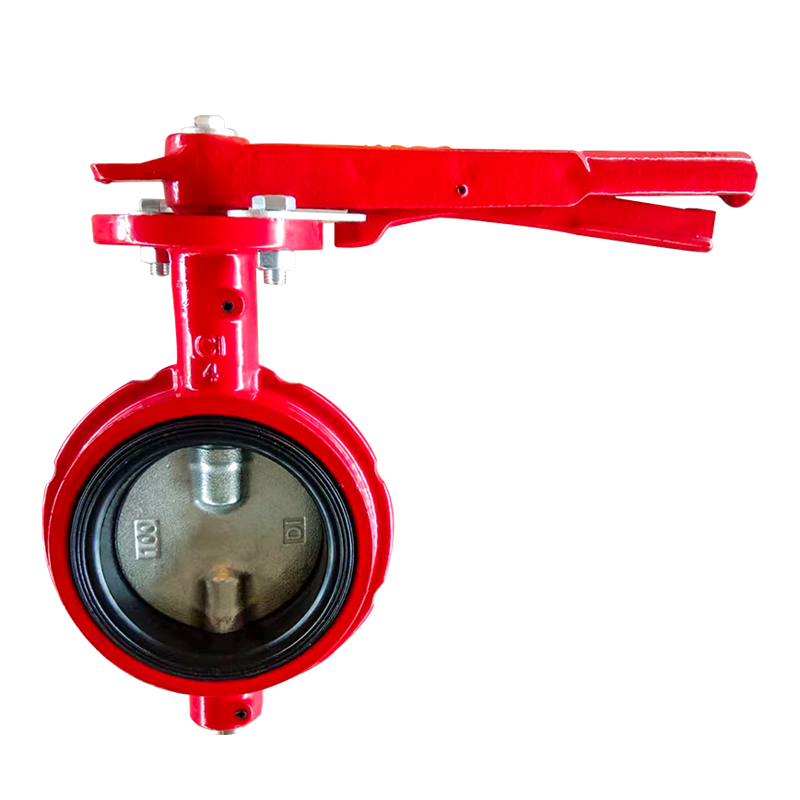
Fig 1: Illustrative diagram of key manufacturing stages for a butterfly valve.
Technical Specifications and Parameters: Model 15 Wafer Type
Understanding the precise technical specifications is fundamental for engineers and procurement professionals to ensure the correct valve selection for critical industrial processes. Below are typical parameters for a Short Neck Wafer Type Model 15 Butterfly Valve, a common configuration found in systems requiring compact and efficient flow control.
| Parameter | Specification (Model 15) |
|---|---|
| Valve Type | Short Neck Wafer Type Butterfly Valve |
| Nominal Diameter (DN) | DN50 - DN600 (2" - 24") |
| Pressure Rating | PN10 / PN16 (150 PSI / 200 PSI) |
| Body Material Options | Ductile Iron (GGG40/GGG50), Cast Iron (GG25), Stainless Steel (CF8/CF8M), Aluminium Bronze |
| Disc Material Options | Ductile Iron (Nickel Plated), Stainless Steel (CF8/CF8M), Aluminium Bronze, PTFE Coated |
| Seat Material Options | EPDM, NBR, Viton, PTFE (for PTFE seated butterfly valve) |
| Shaft Material | Stainless Steel (SS410, SS304, SS316) |
| Operating Temperature Range | -20°C to +180°C (Material dependent) |
| Actuation Options | Lever, Gearbox, Pneumatic Actuator, Electric Actuator |
| Design Standard | API 609, EN 593 |
| Face-to-Face Standard | EN 558 Series 20, ISO 5752 Series 20, API 609 Category A |
| Flange Standard | EN 1092-2 PN10/PN16, ASME B16.5 Class 150 |
Industry Trends and Market Dynamics
The global industrial valve market is experiencing dynamic shifts, driven by evolving environmental regulations, increasing automation, and the need for greater operational efficiency. For butterfly valves, key trends include:
- Demand for High-Performance Materials: There's a growing preference for advanced materials like stainless steel butterfly valve and aluminium bronze butterfly valve to withstand increasingly harsh operating conditions, including corrosive chemicals and extreme temperatures. The market for PTFE seated butterfly valve is expanding due to their superior chemical resistance and zero leakage properties.
- Digitalization and Smart Actuation: Integration with industrial IoT (IIoT) systems, smart actuators, and predictive maintenance capabilities are becoming standard requirements, enabling remote monitoring and enhanced operational control.
- Energy Efficiency: Designs that minimize pressure drop and improve flow coefficients are highly sought after to reduce energy consumption in pumping systems. The compact design of wafer-type butterfly valves contributes significantly to space-saving and system efficiency.
- Sustainability and Compliance: Stricter environmental regulations, particularly around fugitive emissions, are driving innovation in sealing technologies. Valves compliant with standards like ISO 15848-1 are gaining traction.
- Increased Adoption in Emerging Markets: Rapid industrialization and infrastructure development in Asia-Pacific and other emerging economies are fueling significant demand across various sectors.
Application Scenarios and Strategic Advantages
The versatility of the red butterfly valve makes it an indispensable component across numerous industries. Its quarter-turn operation and relatively simple design translate into significant advantages in terms of control, maintenance, and system integration.
- Water Treatment and Distribution: In municipal and industrial waterworks, these valves are ideal for isolation and flow regulation in pipelines. Their large flow capacity, low pressure drop, and the corrosion resistance of ductile iron butterfly valve bodies with epoxy coatings are crucial for long-term reliability.
- HVAC Systems: Used extensively in heating, ventilation, and air conditioning systems for chilled water and hot water lines. Their compact design saves space, and quick operation allows for efficient system balancing and temperature control, contributing to energy saving.
- Chemical Processing: For handling various chemicals, the material compatibility is key. Stainless steel butterfly valve (e.g., SS316) or PTFE seated butterfly valve provide excellent resistance to corrosive media, ensuring safety and preventing costly downtime.
- Power Generation: In cooling water circuits and ancillary systems, butterfly valves manage high volumes of water, where reliability and minimal maintenance are critical for continuous operation.
- Food and Beverage: Sanitary applications often utilize highly polished stainless butterfly valve designs that prevent product contamination and allow for easy cleaning (CIP/SIP processes).
The primary advantages stem from their robust construction, quarter-turn operation for quick shut-off, and the ability to customize materials for specific corrosion resistance requirements, thus ensuring an extended service life and reduced operational costs.
Vendor Comparison: Key Differentiators in Valve Procurement
Selecting the right vendor for industrial butterfly valves involves more than just comparing price lists. B2B decision-makers must evaluate several critical factors to ensure long-term value, reliability, and support.
| Comparison Criteria | High-Value Vendor Attributes | Typical Commodity Vendor Attributes |
|---|---|---|
| Product Certifications | ISO 9001, API 609, CE, WRAS/ACS/NSF, Fugitive Emissions (ISO 15848-1) | Basic CE or ISO 9001 (often self-declared) |
| Material Traceability | Full Mill Test Certificates (MTCs) for all wetted parts, complete batch records | Generic material certifications, limited traceability |
| Customization Capabilities | Extensive options for materials (e.g., specific stainless butterfly valve alloys, exotic seats), actuation, coatings, engineering support for bespoke designs | Limited standard options, no engineering support for modification |
| After-Sales Support | Dedicated technical support, spare parts availability guarantee, field service, training | Limited or no technical support, uncertain spare parts access |
| Warranty & Service Life | Extended warranties (2-5 years), emphasis on design for long service life (15+ years) | Standard 1-year warranty, unspecified service life |
A superior vendor provides not just a product, but a comprehensive solution backed by expertise, documented quality, and unwavering support, critical factors for the long-term operational success of systems relying on valves like the red butterfly valve.
Customized Solutions and Bespoke Engineering
While standard butterfly valves meet a broad spectrum of needs, specific industrial processes often require tailored solutions to address unique challenges. Customization ensures optimal performance, extends operational lifespan, and minimizes total cost of ownership.
- Material Adaptation: Beyond common materials like ductile iron butterfly valve or stainless steel butterfly valve, customization can involve exotic alloys for extreme temperature or highly aggressive chemical media. This includes specialized coatings for enhanced erosion or cavitation resistance.
- Sealing Technology: For critical applications requiring absolute zero leakage or specific chemical compatibility, custom molded PTFE seated butterfly valve designs or specialized seat materials are engineered to exact specifications.
- Actuation Integration: Customization extends to integrating specific pneumatic, electric, or hydraulic actuators, control accessories (limit switches, positioners), and communication protocols to seamlessly fit into existing plant automation systems.
- End Connection and Face-to-Face Dimensions: While standards exist, certain retrofit projects or unique piping layouts might necessitate bespoke drilling patterns, shorter/longer face-to-face dimensions, or specialized flange types.
- Flow Characteristics: For precise modulating control, custom disc designs or flow characteristics can be engineered to achieve specific Cv values and optimize process control.
Engaging with a manufacturer capable of extensive customization ensures that the valve performs optimally under the most challenging and specific operating parameters, translating into superior process efficiency and reduced lifecycle costs.
Application Case Studies: Real-World Performance
Real-world applications demonstrate the tangible benefits of well-engineered butterfly valves. Here are two examples showcasing their impact:
Case Study 1: Municipal Water Treatment Plant Upgrade
A major municipal water treatment plant faced issues with existing gate valves seizing and requiring frequent maintenance, leading to costly downtime and reduced operational efficiency. The plant sought a more reliable, lower-maintenance solution for isolating various filtration and pumping stages.
- Solution Implemented: Installation of DN300 and DN400 ductile iron butterfly valve with EPDM seats and epoxy-coated bodies. These wafer-type valves were selected for their compact footprint, ease of installation, and robust design.
- Results: Over a 5-year period, the facility reported a 70% reduction in valve-related maintenance costs. The quarter-turn operation significantly improved response times for system isolation, enhancing operational safety and efficiency. The corrosion-resistant coatings ensured valve longevity in challenging wet environments.
Case Study 2: Chemical Processing Facility – Corrosive Slurry Handling
A chemical plant dealing with abrasive and highly corrosive slurries encountered rapid wear and leakage with traditional valves, resulting in product loss and environmental concerns. A specialized valve was needed for precise flow control of a sulfuric acid slurry.
- Solution Implemented: A custom-engineered stainless steel butterfly valve (316L body and disc) with a specialized PTFE seated butterfly valve design was deployed. The PTFE seat provided superior chemical resistance, while the robust 316L body ensured structural integrity against the abrasive slurry.
- Results: The plant achieved zero leakage for over two years, a significant improvement over previous solutions that failed within months. This eliminated product loss, reduced environmental risks, and dramatically cut maintenance frequency, proving the value of a specialized stainless butterfly valve for harsh applications.
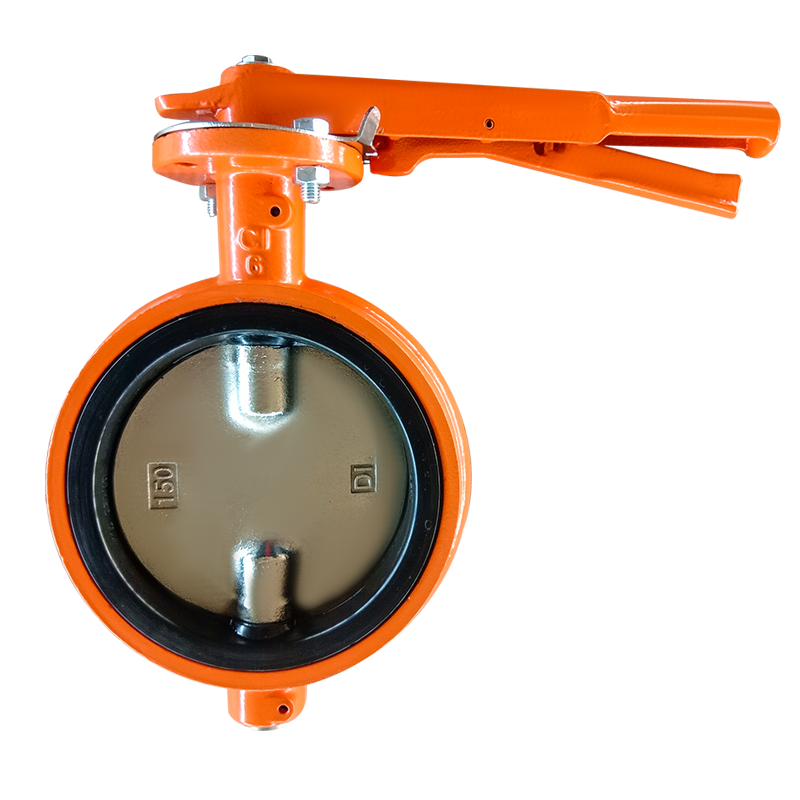
Fig 2: A robust butterfly valve integrated into an industrial pipeline system.
Quality Assurance, Certifications, and Authoritative Standards
Authoritativeness and trustworthiness in valve manufacturing are built upon adherence to rigorous quality standards and industry certifications. Reputable manufacturers ensure that every valve, including the red butterfly valve, complies with international benchmarks.
- ISO 9001:2015 Certification: This internationally recognized standard for quality management systems ensures consistent product quality and continuous improvement throughout the manufacturing process.
- API 609 Compliance: For butterfly valves, compliance with API 609 (Butterfly Valves: Double Flanged, Lug- and Wafer-Type) guarantees that design, manufacturing, and testing meet stringent performance requirements, particularly for the oil and gas industry.
- CE Marking: Indicates conformity with European health, safety, and environmental protection standards, mandatory for valves sold within the European Economic Area.
- Material Test Certificates (MTCs): Providing full traceability, MTCs (e.g., EN 10204 3.1 or 3.2) confirm the chemical composition and mechanical properties of raw materials used in critical components.
- Fugitive Emissions Testing (ISO 15848-1): For environmental protection, valves designed for critical or hazardous media undergo testing to minimize emissions through stem packing and body joints.
- Potable Water Approvals: For water supply applications, certifications such as WRAS (UK), ACS (France), or NSF (USA) are essential to confirm non-toxicity and suitability for drinking water.
These certifications are not just badges; they represent a commitment to quality, safety, and performance, assuring clients of the reliability and regulatory compliance of every valve supplied.
Frequently Asked Questions (FAQ)
Q1: What distinguishes a red butterfly valve from other types?
A1: While 'red' often refers to a protective coating (e.g., epoxy paint for corrosion resistance, or a specific brand/application coding), the underlying valve is typically a resilient-seated butterfly valve. Its distinction lies in its quarter-turn operation, compact wafer or lug design, and the capability for high flow rates with minimal pressure drop, suitable for on-off or modulating services in diverse applications. Specific material combinations like ductile iron butterfly valve bodies or stainless steel butterfly valve components determine its specific performance profile.
Q2: What are the common materials used for the body, disc, and seat?
A2: Common body materials include Cast Iron (GG25), Ductile Iron (GGG40/GGG50), Carbon Steel (WCB), Stainless Steel (CF8/CF8M), and Aluminium Bronze. Discs are typically made from Ductile Iron (nickel plated), Stainless Steel, or Aluminium Bronze. Seat materials vary widely based on temperature and chemical compatibility, including EPDM, NBR (Buna-N), Viton (FKM), and PTFE, especially for the demanding applications of a PTFE seated butterfly valve.
Q3: How do I select the right butterfly valve for my application?
A3: Selection depends on several factors: media (corrosive, abrasive, temperature), pressure and temperature ratings, desired flow characteristics (on-off or throttling), end connection type (wafer, lug, flanged), actuation method (manual, pneumatic, electric), and required certifications. Consulting with a valve specialist is recommended to ensure optimal material selection and design for your specific operating conditions.
Q4: What is the typical service life and maintenance requirement?
A4: A properly selected and maintained butterfly valve can have a service life exceeding 15-20 years. Maintenance is generally low due to minimal moving parts. It typically involves periodic inspection of the seat for wear, checking stem packing for leaks, and ensuring smooth operation of the actuator. For critical applications, a preventative maintenance schedule should be established based on operational hours and media characteristics.
Lead Time, Warranty, and After-Sales Support
Reliable procurement extends beyond product quality to logistics and ongoing support.
- Lead Time: Standard products like the Model 15 Short Neck Wafer Type Butterfly Valve typically have lead times of 2-4 weeks, depending on quantity and specific configurations. Custom orders or valves with specialized materials (e.g., specific aluminium bronze butterfly valve alloys) may require 6-10 weeks for production and testing. We offer expedited options for urgent project requirements.
- Warranty: All our industrial butterfly valves are backed by a comprehensive 24-month warranty from the date of shipment or 18 months from installation (whichever comes first), covering manufacturing defects and material failures under normal operating conditions. Full warranty terms are available upon request.
- After-Sales Support: Our commitment extends beyond delivery. We provide dedicated technical support, spare parts availability, troubleshooting assistance, and maintenance guidance. Our team of experienced engineers is available for consultation, ensuring the longevity and optimal performance of your valve installations.
Conclusion
The modern industrial landscape demands highly efficient, reliable, and cost-effective fluid control solutions. The red butterfly valve, exemplified by robust designs like the Short Neck Wafer Type Model 15, stands as a testament to engineering excellence in this domain. Through meticulous manufacturing, adherence to global standards, and continuous innovation in materials such as ductile iron butterfly valve, stainless steel butterfly valve, and PTFE seated butterfly valve options, these valves offer unparalleled advantages across diverse industrial applications. Choosing a reputable manufacturer ensures not only the highest product quality but also comprehensive support and tailored solutions that contribute to operational success and long-term asset value.
References
- API Specification 609, "Butterfly Valves: Double Flanged, Lug- and Wafer-Type," American Petroleum Institute.
- ISO 5208, "Industrial valves - Pressure testing of metallic valves," International Organization for Standardization.
- EN 593, "Industrial valves - Metallic butterfly valves," European Standard.
- ISO 15848-1, "Industrial valves - Measurement, test and qualification procedures for fugitive emissions - Part 1: Classification system and qualification procedures for type testing of valves," International Organization for Standardization.
- G. C. Lipták, "Instrument Engineers' Handbook, Volume Two: Process Control and Optimization," CRC Press, 2012.
-
Comprehensive Guide to Wholesale 3 Butterfly Valve Price and Supplier Selection
NewsJan.28,2026
-
Comprehensive Guide to Wholesale Water Main Check Valve Selection and Application
NewsJan.27,2026
-
Wholesale 6 Lug Butterfly Valve – Durable & Cost-Effective Solutions for Industrial Applications
NewsJan.06,2026
-
Wholesale Composeal Butterfly Valve - Reliable Industrial Sealing Solutions
NewsJan.06,2026
-
Wholesale Marine Check Valve | Durable & Certified Marine Valves
NewsJan.06,2026
-
Wholesale Butterfly Valve Gas – B2B Solutions for Efficient Gas Flow Control | Hongda Valve
NewsJan.05,2026
 Afrikaans
 Albanian
 Amharic
 Arabic
 Armenian
 Azerbaijani
 Basque
 Belarusian
 Bengali
 Bosnian
 Bulgarian
 Catalan
 Cebuano
 Corsican
 Croatian
 Czech
Czech
 Danish
 Dutch
Dutch
 Esperanto
 Estonian
 Finnish
 French
 Frisian
 Galician
 Georgian
 German
 Greek
Greek
 Gujarati
 Haitian Creole
 Hausa
Hausa
 Hawaiian
 Hebrew
 Hindi
Hindi
 Miao
Miao
 Hungarian
 Icelandic
 Igbo
Igbo
 Indonesian
 Irish
Irish
 Italian
 Japanese
 Javanese
 Kannada
 Kazakh
 Khmer
Khmer
 Rwandese
 Korean
 Kurdish
 Kyrgyz
 Lao
Lao
 Latin
Latin
 Latvian
 Lithuanian
 Luxembourgish
 Macedonian
 Malgashi
 Malay
Malay
 Malayalam
 Maltese
 Maori
Maori
 Marathi
 Mongolian
 Myanmar
 Nepali
 Norwegian
 Norwegian
 Occitan
 Pashto
 Persian
 Polish
 Portuguese
 Punjabi
 Romanian
 Russian
 Samoan
 Scottish Gaelic
 Serbian
 Sesotho
 Shona
Shona
 Sindhi
 Sinhala
 Slovak
 Slovenian
 Somali
 Spanish
 Sundanese
 Swahili
 Swedish
 Tagalog
 Tajik
Tajik
 Tamil
Tamil
 Tatar
Tatar
 Telugu
 Thai
Thai
 Turkish
 Turkmen
 Ukrainian
 Urdu
Urdu
 Uighur
 Uzbek
Uzbek
 Vietnamese
 Welsh
Welsh
 Bantu
Bantu
 Yiddish
 Yoruba
 Zulu
Zulu
 English