
- Call Us
- +8618633052223
- njhdvlz@163.com
Apr . 07, 2026 01:55 Back to list
Comprehensive Guide to Wholesale Butterfly Valve 8 Inch Price and Selection
Wholesale Butterfly Valve 8 Inch Price: A Comprehensive Guide
When sourcing industrial valves, especially for large-scale projects, understanding the wholesale butterfly valve 8 inch price is crucial for cost management and project success. This article provides an in-depth look at the factors influencing pricing, common applications, quality considerations, and how to find the best deals. We’ll explore various materials, actuation options, and reputable suppliers to help you make an informed decision. Accurate pricing understanding leads to effective budgeting and project efficiency.
Factors Influencing Wholesale Butterfly Valve 8 Inch Price
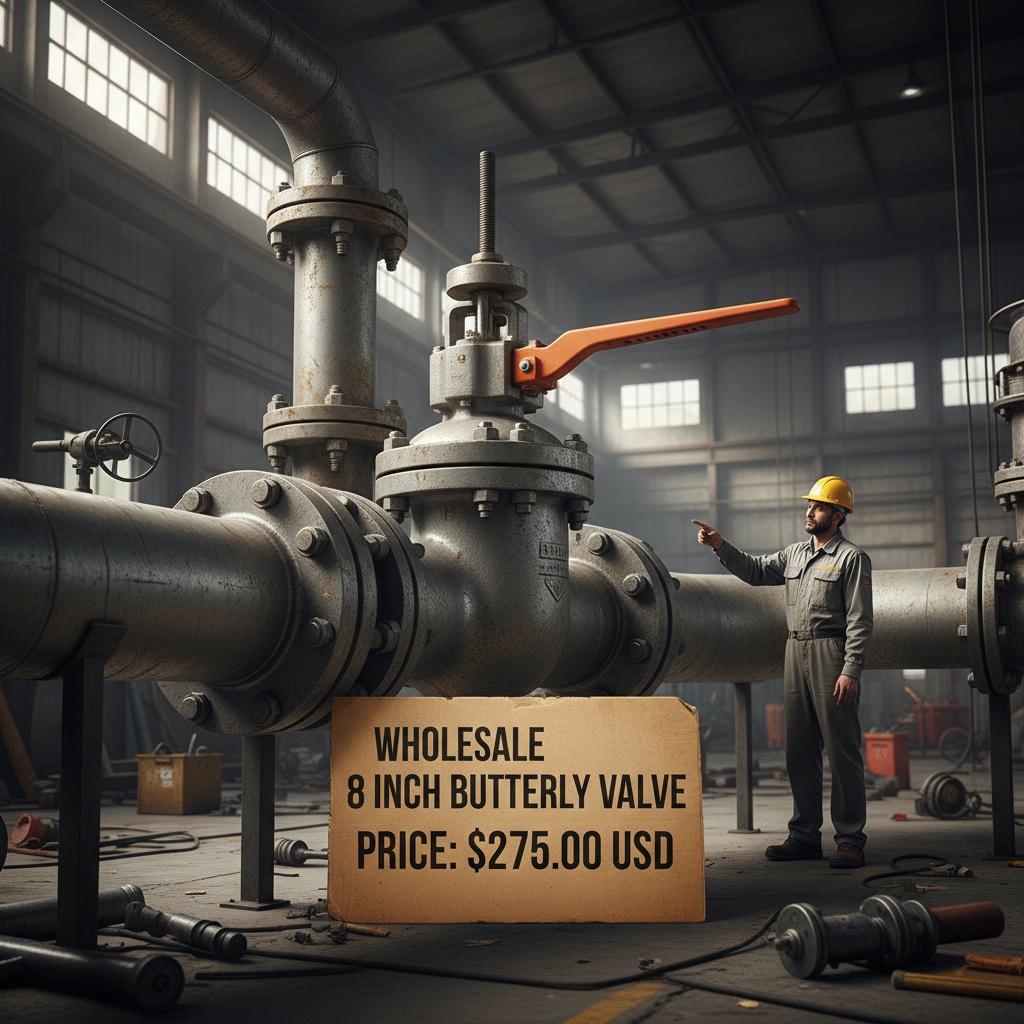
Several key factors directly impact the wholesale butterfly valve 8 inch price. The material of construction is paramount – stainless steel valves, particularly 304 or 316 grades, command a higher price than cast iron or ductile iron due to their corrosion resistance and durability. Valve actuation type (manual, pneumatic, electric, or hydraulic) significantly affects cost, with automated options being more expensive. The pressure rating, connection type (flanged, wafer, lug), and any specialized coatings or linings also contribute to the overall price. Finally, the quantity purchased plays a major role, as bulk orders typically qualify for substantial discounts. Understanding these variables is the first step in achieving cost-effective procurement.
Key Considerations: Material grade, actuation type, pressure rating, and order volume all directly influence the price of 8-inch butterfly valves. Prioritize these factors based on your application’s requirements.
Common Applications of 8-Inch Butterfly Valves
8-inch butterfly valves are widely utilized across numerous industries. In water and wastewater treatment, they regulate flow in pipelines and treatment processes. The chemical industry employs them for handling various corrosive and non-corrosive fluids. HVAC systems use them for controlling chilled and hot water flow. They are also common in irrigation, fire protection, and power generation plants. Their compact design, lightweight construction, and quick operation make them an excellent choice for a diverse range of applications where reliable flow control is essential. Hongda Valve specializes in supplying valves for these demanding environments.
Application Versatility:
• Water and Wastewater Treatment
• Chemical Processing
• HVAC Systems
• Irrigation and Fire Protection
Wholesale Butterfly Valve 8 Inch Price Comparison: Material & Actuation
The following table provides a general price comparison based on material and actuation type. Please note that these are estimated ranges and actual prices may vary depending on the supplier, quantity, and specific requirements. The price for a manual valve will be lower than one with pneumatic actuation due to the added components and complexity. Stainless steel valves are naturally more expensive than carbon steel or cast iron.
Quality Control and Supplier Selection
Ensuring the quality of your wholesale butterfly valve 8 inch is paramount. Look for suppliers with ISO 9001 certification, demonstrating a commitment to quality management systems. Verify that the valves meet relevant industry standards (e.g., API 609). Request material test reports (MTRs) to confirm the chemical composition and mechanical properties of the materials. Consider a supplier's reputation, years in business, and customer reviews. Hongda Valve implements rigorous quality control procedures and provides comprehensive documentation.
Maximizing Savings on Wholesale Butterfly Valves
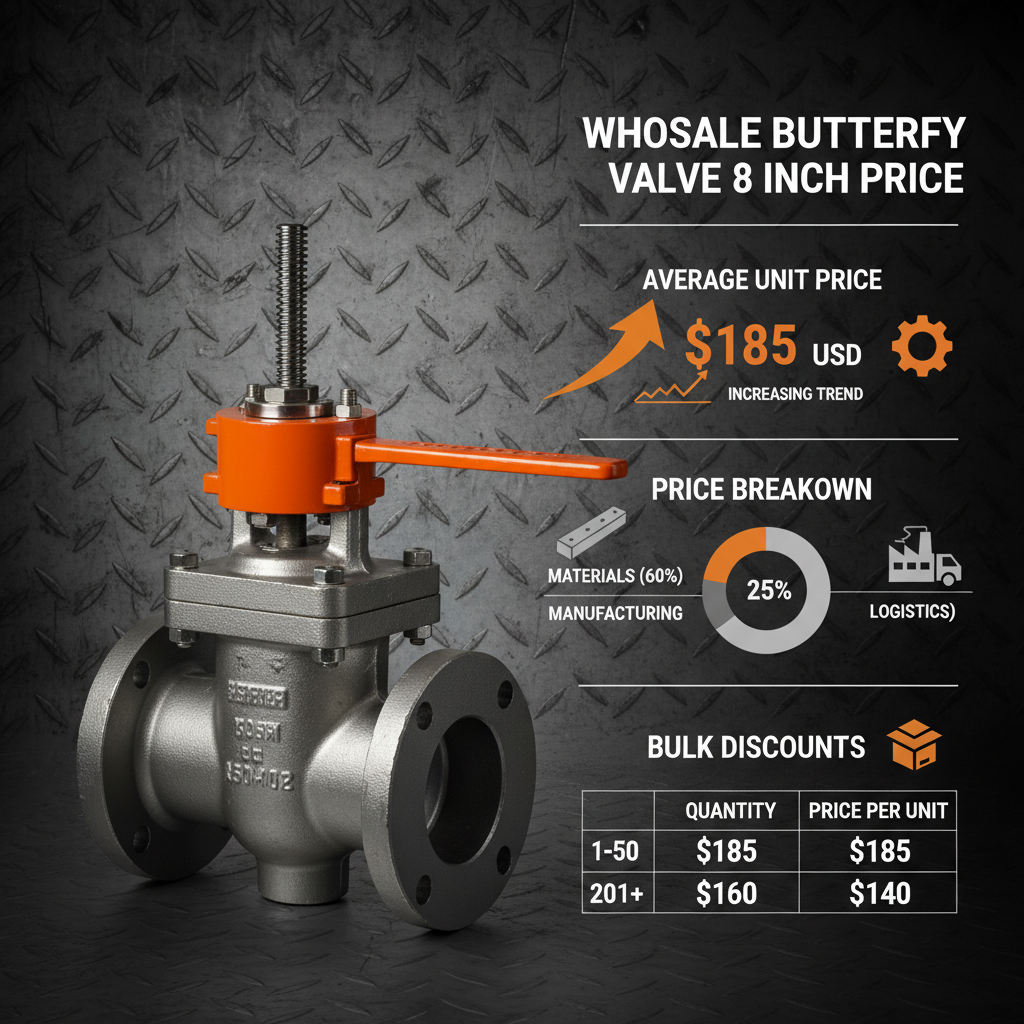
To achieve the most competitive butterfly valve 8 inch price, consider these strategies: Purchase in bulk to leverage volume discounts. Negotiate with suppliers and compare quotes from multiple vendors. Plan your purchases in advance to avoid rush orders and potential price increases. Explore options for direct sourcing from manufacturers. Be flexible with specifications where possible – standard materials and configurations are typically less expensive. Finally, establish a long-term relationship with a reliable supplier to secure preferential pricing.
Conclusion: Smart Sourcing for Optimal Value
Successfully procuring wholesale butterfly valves requires careful consideration of material, actuation, quality, and supplier selection. By implementing the strategies outlined in this guide, you can secure the best possible price without compromising on performance or reliability. Hongda Valve is your trusted partner for high-quality valves and competitive pricing.
Frequently Asked Questions (FAQs)
What is the typical lead time for a wholesale order of 8-inch butterfly valves?
Lead times vary depending on the quantity, material, and supplier's production schedule. Generally, standard valves in common materials can be delivered within 4-8 weeks. However, customized valves or large orders may require 10-12 weeks or longer. It’s crucial to confirm lead times with the supplier before placing your order to ensure it aligns with your project timeline. Factors affecting lead time include material availability, fabrication capacity, and shipping logistics. Always request a firm delivery date when submitting your request for quotation.
What are the common connection types for 8-inch butterfly valves?
The three most common connection types for 8-inch butterfly valves are wafer, lug, and flanged. Wafer valves are the most economical and are suitable for low-pressure applications. Lug valves offer easier installation and removal, making them ideal for frequent maintenance. Flanged valves provide a more robust connection and are used in high-pressure and critical applications. The choice of connection type depends on the specific application requirements, pipeline design, and pressure rating. Always consider the sealing requirements and potential for leakage when selecting the appropriate connection type.
How do I determine the correct pressure rating for my application?
Determining the correct pressure rating is vital for safe and reliable operation. First, identify the maximum operating pressure of your system, including potential pressure surges. Select a valve with a pressure rating that exceeds the maximum operating pressure by a safety margin. Consider the temperature of the fluid, as higher temperatures can reduce the pressure rating of some materials. Consult relevant industry standards and regulations to ensure compliance. If you're unsure, it's always best to err on the side of caution and choose a valve with a higher pressure rating.
What is the benefit of choosing a stainless steel butterfly valve over a cast iron valve?
Stainless steel butterfly valves offer superior corrosion resistance compared to cast iron valves. This makes them ideal for applications involving corrosive fluids or harsh environments. Stainless steel is also stronger and more durable, resulting in a longer lifespan and reduced maintenance costs. While stainless steel valves are more expensive upfront, their long-term reliability and reduced downtime often make them a more cost-effective choice in the long run. The improved resistance to corrosion also prevents contamination of the fluid being transported.
-
Industrial Guide to Wholesale Large Butterfly Valve Procurement
NewsApr.16,2026
-
High Quality Wholesale Inlet Butterfly Valve for Industrial Systems
NewsApr.09,2026
-
Comprehensive Guide to Wholesale Butterfly Valve 8 Inch Price and Selection
NewsApr.07,2026
-
Comprehensive Guide to Wholesale SS 304 Butterfly Valve Selection and Applications
NewsApr.04,2026
-
Comprehensive Guide to Wholesale Valve Material Selection and Cost Optimization
NewsMar.31,2026
-
Comprehensive Guide to Wholesale Inline Hydraulic Check Valve Solutions
NewsMar.28,2026
 Afrikaans
 Albanian
 Amharic
 Arabic
 Armenian
 Azerbaijani
 Basque
 Belarusian
 Bengali
 Bosnian
 Bulgarian
 Catalan
 Cebuano
 Corsican
 Croatian
 Czech
Czech
 Danish
 Dutch
Dutch
 Esperanto
 Estonian
 Finnish
 French
 Frisian
 Galician
 Georgian
 German
 Greek
Greek
 Gujarati
 Haitian Creole
 Hausa
Hausa
 Hawaiian
 Hebrew
 Hindi
Hindi
 Miao
Miao
 Hungarian
 Icelandic
 Igbo
Igbo
 Indonesian
 Irish
Irish
 Italian
 Japanese
 Javanese
 Kannada
 Kazakh
 Khmer
Khmer
 Rwandese
 Korean
 Kurdish
 Kyrgyz
 Lao
Lao
 Latin
Latin
 Latvian
 Lithuanian
 Luxembourgish
 Macedonian
 Malgashi
 Malay
Malay
 Malayalam
 Maltese
 Maori
Maori
 Marathi
 Mongolian
 Myanmar
 Nepali
 Norwegian
 Norwegian
 Occitan
 Pashto
 Persian
 Polish
 Portuguese
 Punjabi
 Romanian
 Russian
 Samoan
 Scottish Gaelic
 Serbian
 Sesotho
 Shona
Shona
 Sindhi
 Sinhala
 Slovak
 Slovenian
 Somali
 Spanish
 Sundanese
 Swahili
 Swedish
 Tagalog
 Tajik
Tajik
 Tamil
Tamil
 Tatar
Tatar
 Telugu
 Thai
Thai
 Turkish
 Turkmen
 Ukrainian
 Urdu
Urdu
 Uighur
 Uzbek
Uzbek
 Vietnamese
 Welsh
Welsh
 Bantu
Bantu
 Yiddish
 Yoruba
 Zulu
Zulu
 English