
- Call Us
- +8618633052223
- njhdvlz@163.com
Oct . 22, 2025 14:00 Back to list
Red Butterfly Valve - Durable, PTFE-Seated, Corrosion-Safe
Why a Red Butterfly Valve still makes solid sense in 2025
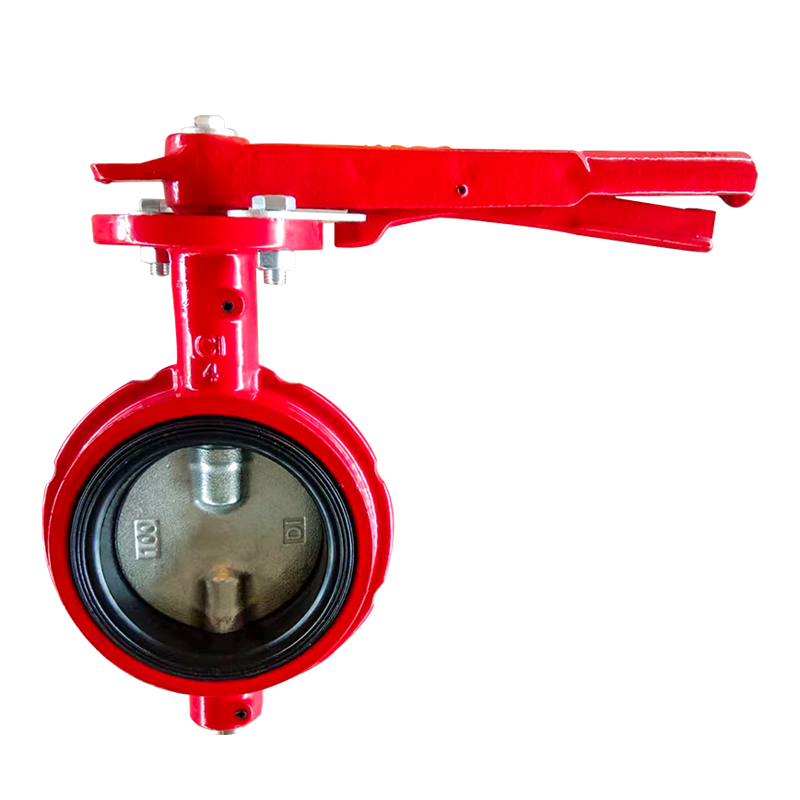
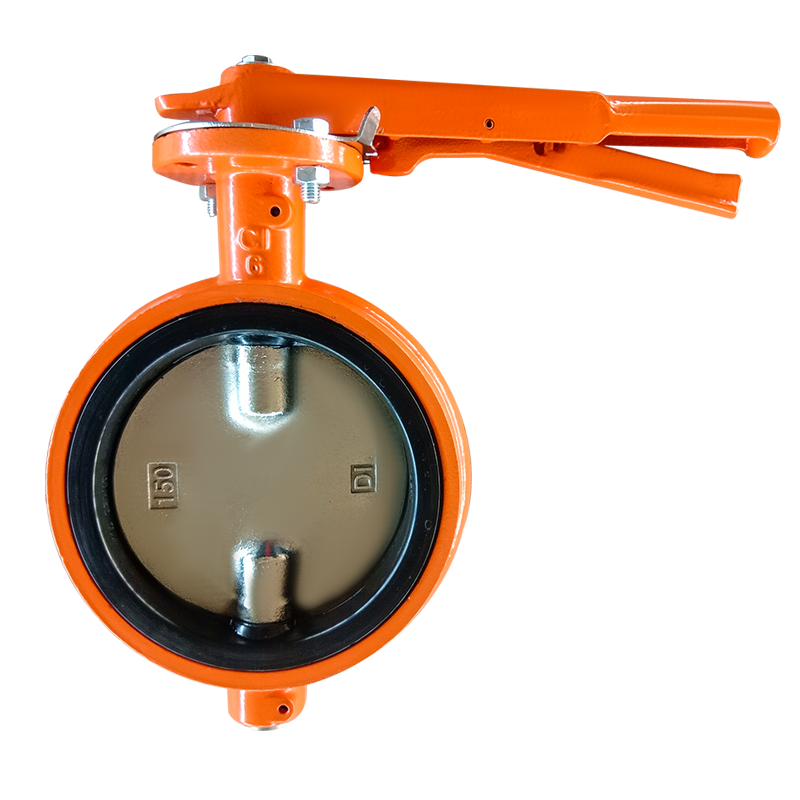
If you spend time around plant rooms or fire-water loops, you notice the “red” hardware first. It signals duty. This short neck wafer type Model 15—Series F235, a re-mod of F201—is one of those pieces that looks simple, yet keeps systems honest. It’s only compatible with ANSI 125/150 flanges, which, to be honest, is what most contractors spec for HVAC, light industrial water, and fire protection lines anyway.
Industry snapshot
Two trends are obvious: lighter installs and faster commissioning. Wafer-style Red Butterfly Valve designs support both—fewer bolts, quick alignment, compact face-to-face. In fire water and district cooling, many customers say the red epoxy finish helps inspection and asset tagging. And yes, the cost-to-reliability ratio is still better than most lug-style options where isolation of a single side isn’t critical.
What you’re getting (real-world spec)
Built in the development area of Huanmadian, NingJin county, Hebei, China, the F235 sticks to the essentials: durable body, resilient seat, and a shaft-disc combo that doesn’t fuss under typical HVAC/water duty. Here’s the spec snapshot buyers usually ask for first:
| Model | Short Neck Wafer Type Model 15 (Series F235, remod of F201) |
| Size range | ≈ DN50–DN300 (2″–12″), real-world availability may vary |
| Pressure class | ANSI 125/150 flanges only (ASME B16.5/B16.1 interface) |
| Body material | Ductile iron (typ. ASTM A536), fusion-bonded epoxy red ≈ 200–300 μm |
| Disc / Stem | SS 304/316 disc options; SS 410/431 stem (common builds) |
| Seat | EPDM or NBR, water and HVAC duty; replaceable seat design |
| Face-to-face | Short neck wafer; conforms to ISO 5752 series ≈ 20 (short) style |
| Tightness tests | API 598 / ISO 5208 Rate A, bubble-tight for resilient seat |
| Temperature | ≈ -10 to 120 °C (depends on seat material and service) |
Manufacturing flow (short version)
Materials inbound → casting and CNC machining → shot blasting → fusion-bonded epoxy in red → seat molding and fit → assembly (torque-set stem, disc-pin or spline depending on size) → hydrostatic shell/seat tests per API 598/ISO 5208 → torque/operability check → paint touch-up → packing. Typical service life: 5–10 years in treated water; more with gentle cycling and correct torque. QA teams often pull sample valves for 100% seat test at 1.1–1.5× rated pressure.
Where it’s used (and why)
- HVAC chilled/hot water loops—compact install, quick balancing.
- Fire water mains—clear visual ID; compatible with ANSI 125/150 flanges.
- Municipal/industrial water—EPDM seat resilience; low torque.
- Light chemical service—when materials line up; always verify compatibility.
Advantages? Quick install, good sealing, and predictable torque. Many technicians say the handle/gearbox engagement feels “positive,” which sounds casual but matters during commissioning.
Field notes and case snippets
• District cooling retrofit, UAE: swapped 36 wafer Red Butterfly Valve units, saved ≈ 14% on installed cost vs. lug style; zero visible leakage at handover (ISO 5208 Rate A).
• Municipal booster, SE Asia: EPDM-seat configuration ran 18 months with
Vendor comparison (fast take)
| Vendor | Origin | Lead time | Price level | Customization | Docs/Certs |
|---|---|---|---|---|---|
| Hongda (F235) | NingJin, Hebei, China | ≈ 2–5 weeks | Competitive | Seat/disc options, coating thickness | ISO 9001, API/ISO test reports |
| Premium Global Brand | EU/US | 4–10 weeks | Higher | Broad materials, actuators | Extensive (PED, WRAS on select lines) |
| Budget Importer | Mixed | Stock-dependent | Lowest | Limited | Basic, varies |
Testing, compliance, and paperwork
Expect hydrostatic shell/seat tests to API 598 and/or ISO 5208 with traceable QC logs. Flange drilling follows ASME B16.5/B16.1 patterns (ANSI 125/150). Face-to-face aligns with ISO 5752 short patterns. Common certifications include ISO 9001 for the plant; CE/PED can be arranged on request for certain builds—always verify per project submittals.
Customization tips
- Seat: EPDM for potable/HVAC; NBR for oils—check media chart.
- Disc: 316 for chlorides; coated ductile iron for budget water duty.
- Actuation: manual lever to gear; ISO 5211 pad for electric/pneumatic.
- Coating: red FBE thickness and RAL shade tweaks available.
Citations:
-
Comprehensive Guide to Wholesale 3 Butterfly Valve Price and Supplier Selection
NewsJan.28,2026
-
Comprehensive Guide to Wholesale Water Main Check Valve Selection and Application
NewsJan.27,2026
-
Wholesale 6 Lug Butterfly Valve – Durable & Cost-Effective Solutions for Industrial Applications
NewsJan.06,2026
-
Wholesale Composeal Butterfly Valve - Reliable Industrial Sealing Solutions
NewsJan.06,2026
-
Wholesale Marine Check Valve | Durable & Certified Marine Valves
NewsJan.06,2026
-
Wholesale Butterfly Valve Gas – B2B Solutions for Efficient Gas Flow Control | Hongda Valve
NewsJan.05,2026
 Afrikaans
 Albanian
 Amharic
 Arabic
 Armenian
 Azerbaijani
 Basque
 Belarusian
 Bengali
 Bosnian
 Bulgarian
 Catalan
 Cebuano
 Corsican
 Croatian
 Czech
Czech
 Danish
 Dutch
Dutch
 Esperanto
 Estonian
 Finnish
 French
 Frisian
 Galician
 Georgian
 German
 Greek
Greek
 Gujarati
 Haitian Creole
 Hausa
Hausa
 Hawaiian
 Hebrew
 Hindi
Hindi
 Miao
Miao
 Hungarian
 Icelandic
 Igbo
Igbo
 Indonesian
 Irish
Irish
 Italian
 Japanese
 Javanese
 Kannada
 Kazakh
 Khmer
Khmer
 Rwandese
 Korean
 Kurdish
 Kyrgyz
 Lao
Lao
 Latin
Latin
 Latvian
 Lithuanian
 Luxembourgish
 Macedonian
 Malgashi
 Malay
Malay
 Malayalam
 Maltese
 Maori
Maori
 Marathi
 Mongolian
 Myanmar
 Nepali
 Norwegian
 Norwegian
 Occitan
 Pashto
 Persian
 Polish
 Portuguese
 Punjabi
 Romanian
 Russian
 Samoan
 Scottish Gaelic
 Serbian
 Sesotho
 Shona
Shona
 Sindhi
 Sinhala
 Slovak
 Slovenian
 Somali
 Spanish
 Sundanese
 Swahili
 Swedish
 Tagalog
 Tajik
Tajik
 Tamil
Tamil
 Tatar
Tatar
 Telugu
 Thai
Thai
 Turkish
 Turkmen
 Ukrainian
 Urdu
Urdu
 Uighur
 Uzbek
Uzbek
 Vietnamese
 Welsh
Welsh
 Bantu
Bantu
 Yiddish
 Yoruba
 Zulu
Zulu
 English