
- Call Us
- +8618633052223
- njhdvlz@163.com
Wholesale butterfly double flange valves are critical components in a vast array of industrial applications, ranging from water treatment and chemical processing to power generation and oil & gas refinement. Their popularity stems from their efficient flow control, relatively low cost, and ease of maintenance. Understanding the nuances of these valves, their manufacturing standards, and available materials is paramount for engineers, procurement specialists, and plant managers seeking reliable and cost-effective fluid handling solutions. The global market for these valves is substantial and continues to grow alongside industrial expansion, particularly in emerging economies.
The increasing demand for precise flow regulation, coupled with the need for reduced energy consumption and environmental responsibility, drives the adoption of advanced butterfly valve designs. Wholesale butterfly double flange valves offer advantages over traditional valve types in many scenarios, making them a preferred choice for large-diameter pipelines and applications requiring frequent operation. Properly selecting and maintaining wholesale butterfly double flange valves are crucial for ensuring operational efficiency, preventing costly downtime, and maintaining safety standards.
The benefits of utilizing wholesale options extend beyond immediate cost savings. Bulk purchasing allows for negotiated pricing, streamlined logistics, and a more secure supply chain, particularly important in industries susceptible to supply chain disruptions. Ultimately, a well-considered approach to wholesale butterfly double flange valve procurement directly impacts a company's bottom line and overall operational success.
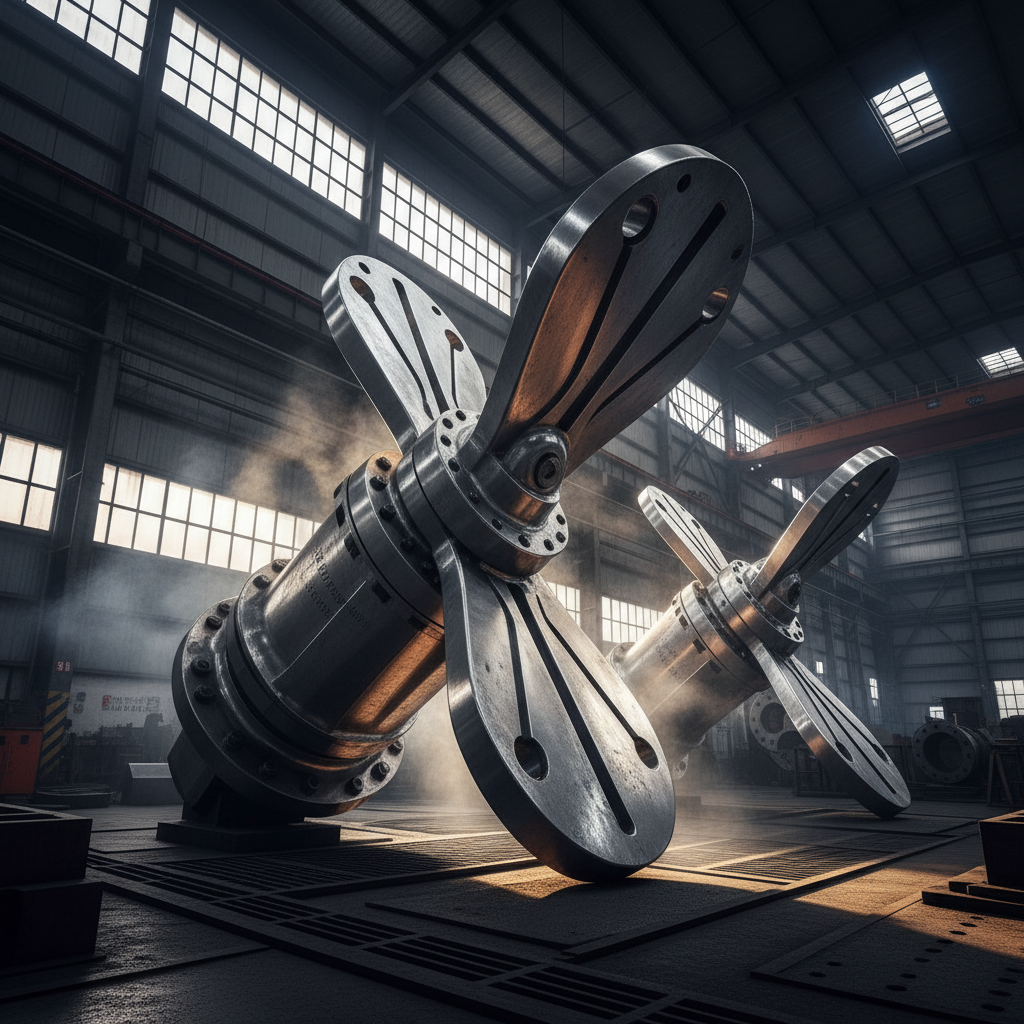
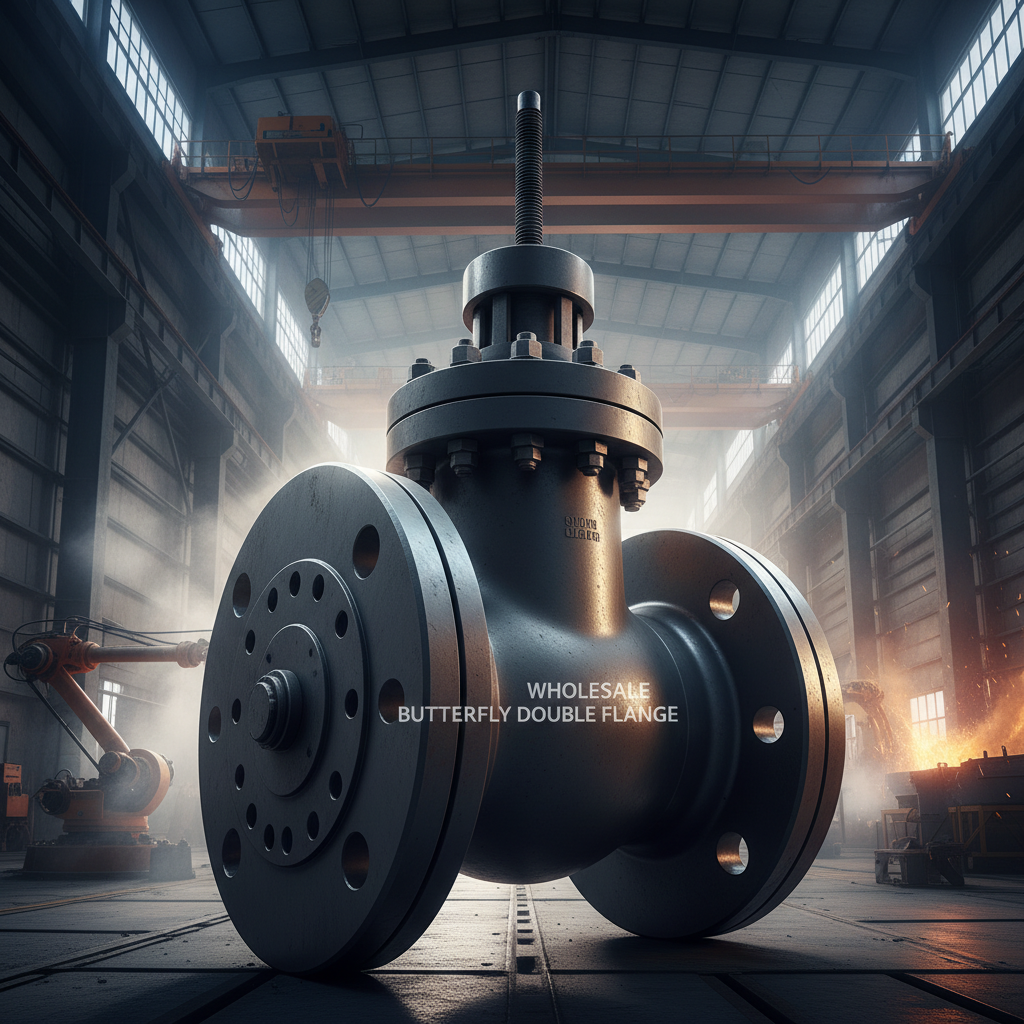
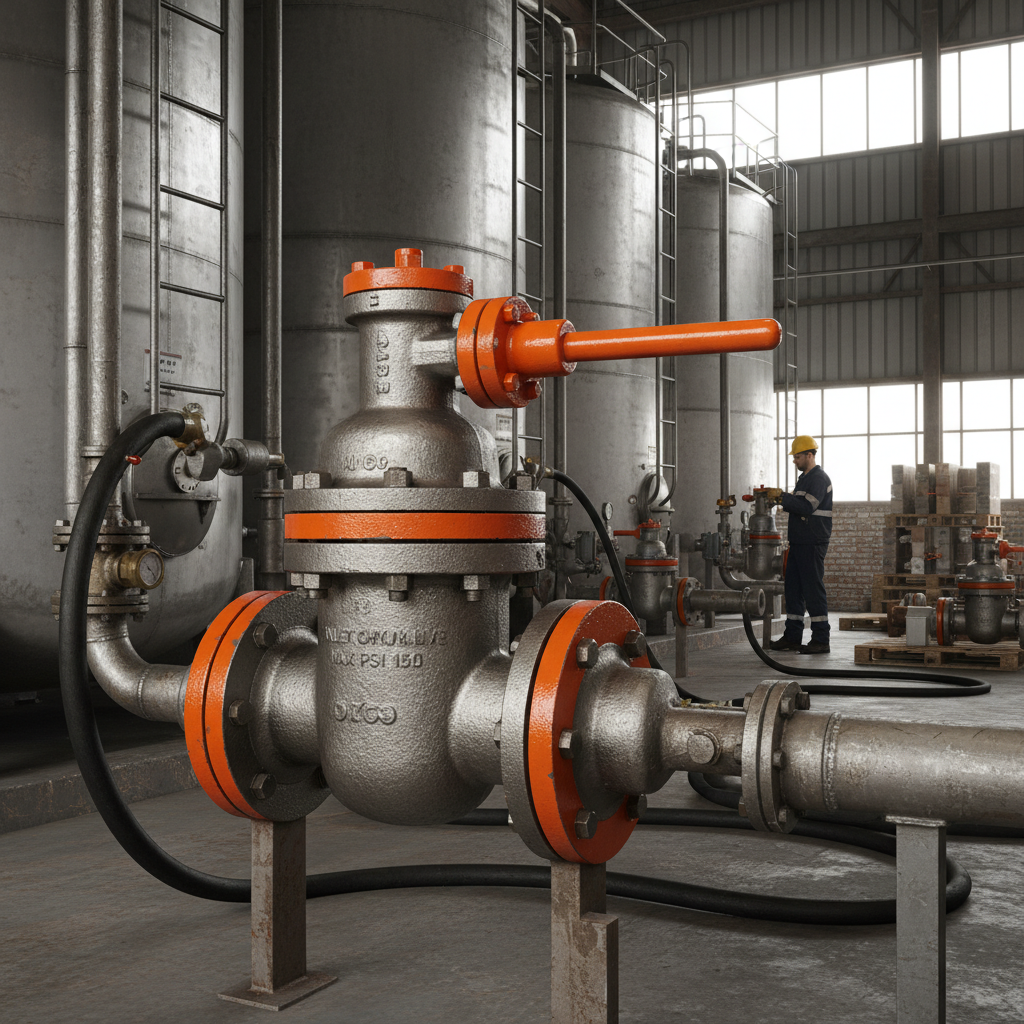
wholesale butterfly double flange valves are quarter-turn valves utilizing a disc to regulate fluid flow. The "double flange" design refers to the method of connection, featuring flanges on both sides of the valve body for secure bolting to pipelines. This construction offers superior sealing capabilities and makes them suitable for high-pressure and high-temperature applications. Understanding the basic construction – body, disc, seat, and stem – is crucial for proper selection and maintenance.
The wholesale aspect comes into play when large quantities of these valves are purchased directly from manufacturers or distributors, bypassing intermediaries and offering significant cost benefits. This is particularly important for large-scale projects such as infrastructure development, power plants, and large industrial facilities where numerous valves are required.
Concentric butterfly valves feature a disc centered in the bore, creating symmetrical flow. Eccentric valves, however, have an offset disc, reducing friction and wear, particularly with fluids containing solids. The choice depends on the application; concentric valves are suitable for clean fluids, while eccentric valves are preferred for slurries or fluids with particulate matter. Eccentric designs also generally provide better sealing at lower pressures.
Proper sizing requires considering the pipeline’s inner diameter, flow rate, and desired pressure drop. Consult engineering guidelines and valve manufacturers' sizing charts. Undersized valves cause excessive pressure drop and cavitation, while oversized valves offer poor control. Accurate flow calculations are crucial for optimal valve selection. The fluid’s viscosity and temperature also play a role in sizing calculations.
Common materials include cast iron (for general applications), stainless steel (for corrosive environments), carbon steel (for high-pressure applications), and various alloys. Seat materials commonly include EPDM, PTFE, and Viton, selected based on fluid compatibility and temperature requirements. The flange material should match the pipeline material to prevent galvanic corrosion.
Regular inspection is crucial. Visual checks for leaks, corrosion, and damage should be performed monthly. Annual inspections should include checking the stem packing, disc, and seat for wear. Overhaul frequency depends on the operating environment and valve usage, typically every 3-5 years. Keep detailed maintenance logs to track valve performance and identify potential issues.
Flanged connections provide a robust and reliable sealing method, particularly suited for high-pressure and high-temperature applications. They allow for easy disassembly for maintenance and repair. Compared to threaded or welded connections, flanged connections distribute stress more evenly, reducing the risk of leaks and failures. They are also compliant with various industry standards.
Verify that the supplier has relevant certifications (e.g., ISO 9001). Request material test reports and dimensional checks. Inspect valves upon delivery for any visible damage. Choose reputable manufacturers with a proven track record. Consider conducting independent third-party testing to confirm valve performance and compliance with industry standards.
wholesale butterfly double flange valves are indispensable components in a wide range of industrial applications, offering a cost-effective and reliable solution for flow control. Understanding their construction, materials, and operational principles is crucial for ensuring optimal performance and longevity. The ongoing advancements in materials, smart technology, and manufacturing processes will continue to drive innovation and enhance the capabilities of these valves.
Investing in high-quality wholesale butterfly double flange valves from reputable suppliers is paramount. Proactive maintenance, adherence to industry standards, and consideration of future trends will maximize their value and ensure operational efficiency. For further information and to explore our comprehensive range of valves, visit our website: wholesale butterfly double flange.

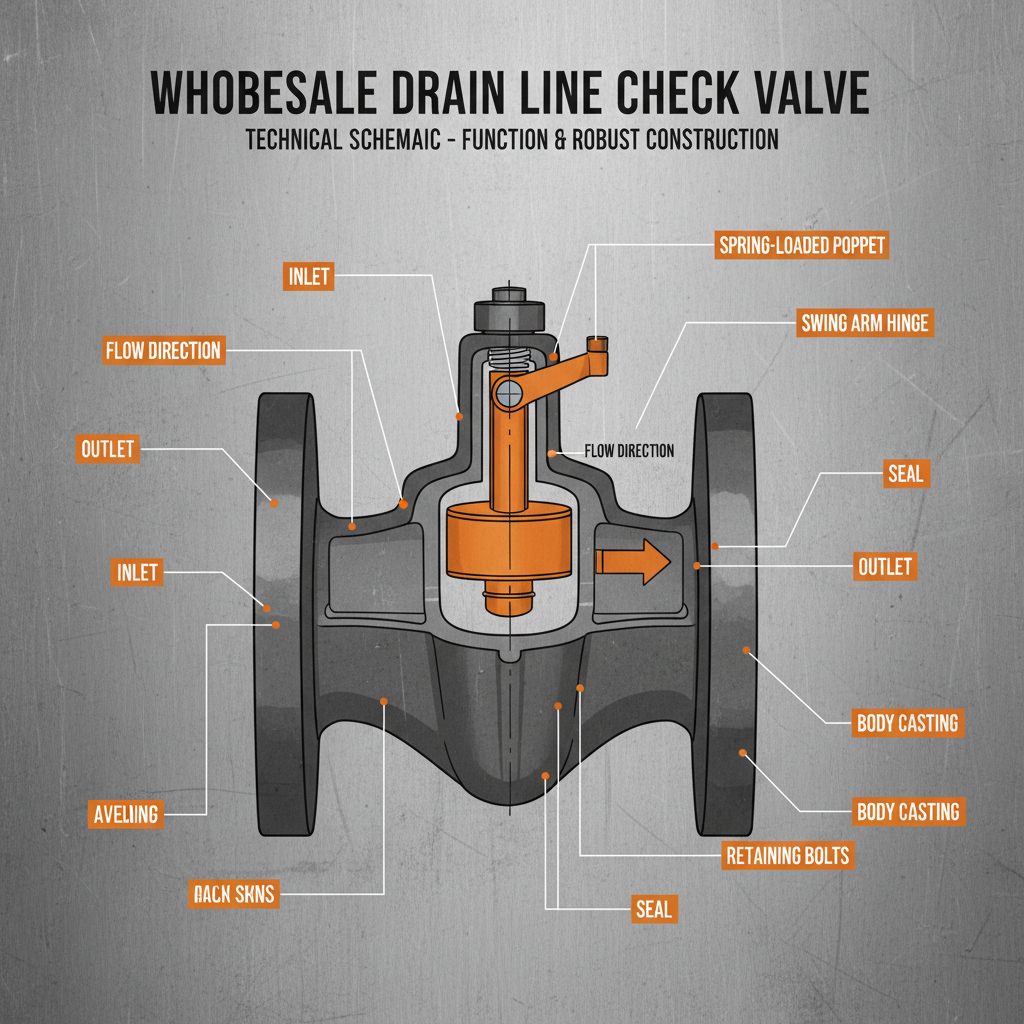
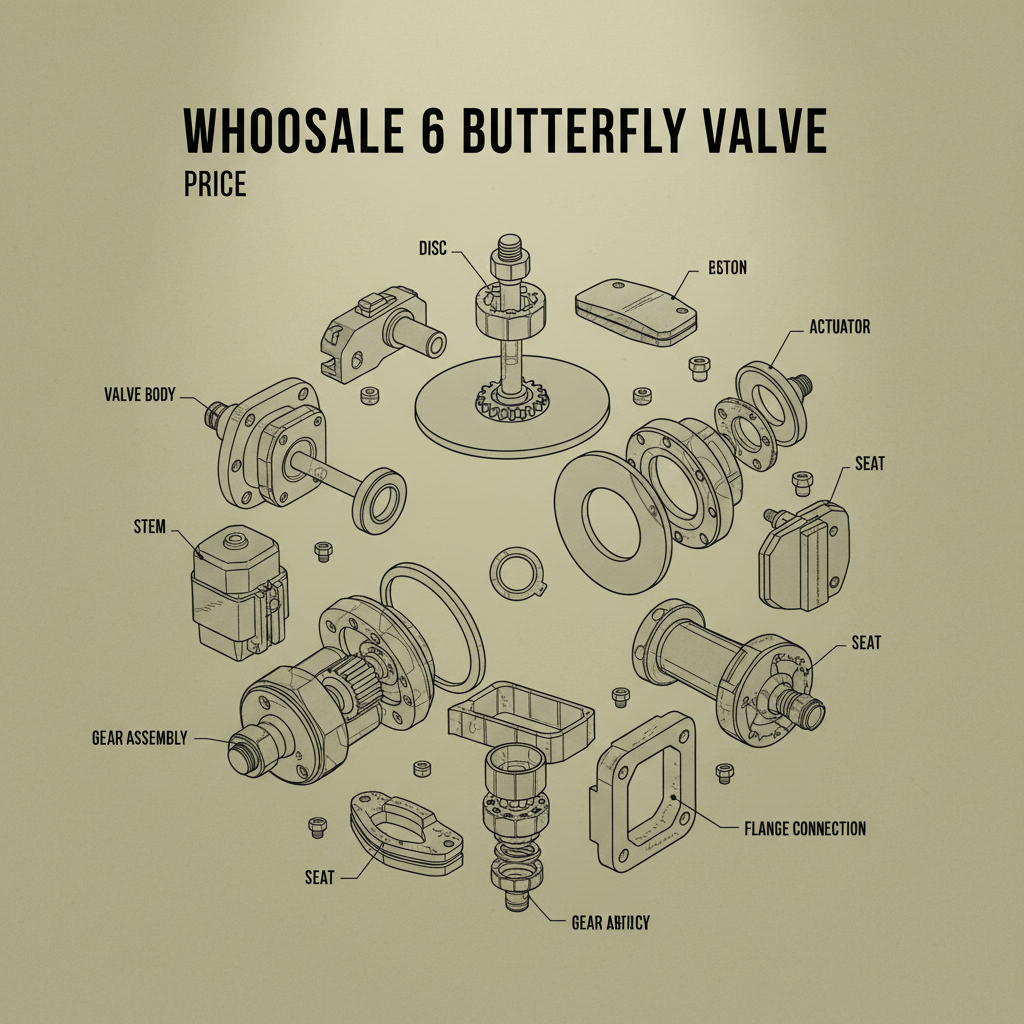

 Afrikaans
 Albanian
 Amharic
 Arabic
 Armenian
 Azerbaijani
 Basque
 Belarusian
 Bengali
 Bosnian
 Bulgarian
 Catalan
 Cebuano
 Corsican
 Croatian
 Czech
Czech
 Danish
 Dutch
Dutch
 Esperanto
 Estonian
 Finnish
 French
 Frisian
 Galician
 Georgian
 German
 Greek
Greek
 Gujarati
 Haitian Creole
 Hausa
Hausa
 Hawaiian
 Hebrew
 Hindi
Hindi
 Miao
Miao
 Hungarian
 Icelandic
 Igbo
Igbo
 Indonesian
 Irish
Irish
 Italian
 Japanese
 Javanese
 Kannada
 Kazakh
 Khmer
Khmer
 Rwandese
 Korean
 Kurdish
 Kyrgyz
 Lao
Lao
 Latin
Latin
 Latvian
 Lithuanian
 Luxembourgish
 Macedonian
 Malgashi
 Malay
Malay
 Malayalam
 Maltese
 Maori
Maori
 Marathi
 Mongolian
 Myanmar
 Nepali
 Norwegian
 Norwegian
 Occitan
 Pashto
 Persian
 Polish
 Portuguese
 Punjabi
 Romanian
 Russian
 Samoan
 Scottish Gaelic
 Serbian
 Sesotho
 Shona
Shona
 Sindhi
 Sinhala
 Slovak
 Slovenian
 Somali
 Spanish
 Sundanese
 Swahili
 Swedish
 Tagalog
 Tajik
Tajik
 Tamil
Tamil
 Tatar
Tatar
 Telugu
 Thai
Thai
 Turkish
 Turkmen
 Ukrainian
 Urdu
Urdu
 Uighur
 Uzbek
Uzbek
 Vietnamese
 Welsh
Welsh
 Bantu
Bantu
 Yiddish
 Yoruba
 Zulu
Zulu
 English