
- Call Us
- +8618633052223
- njhdvlz@163.com
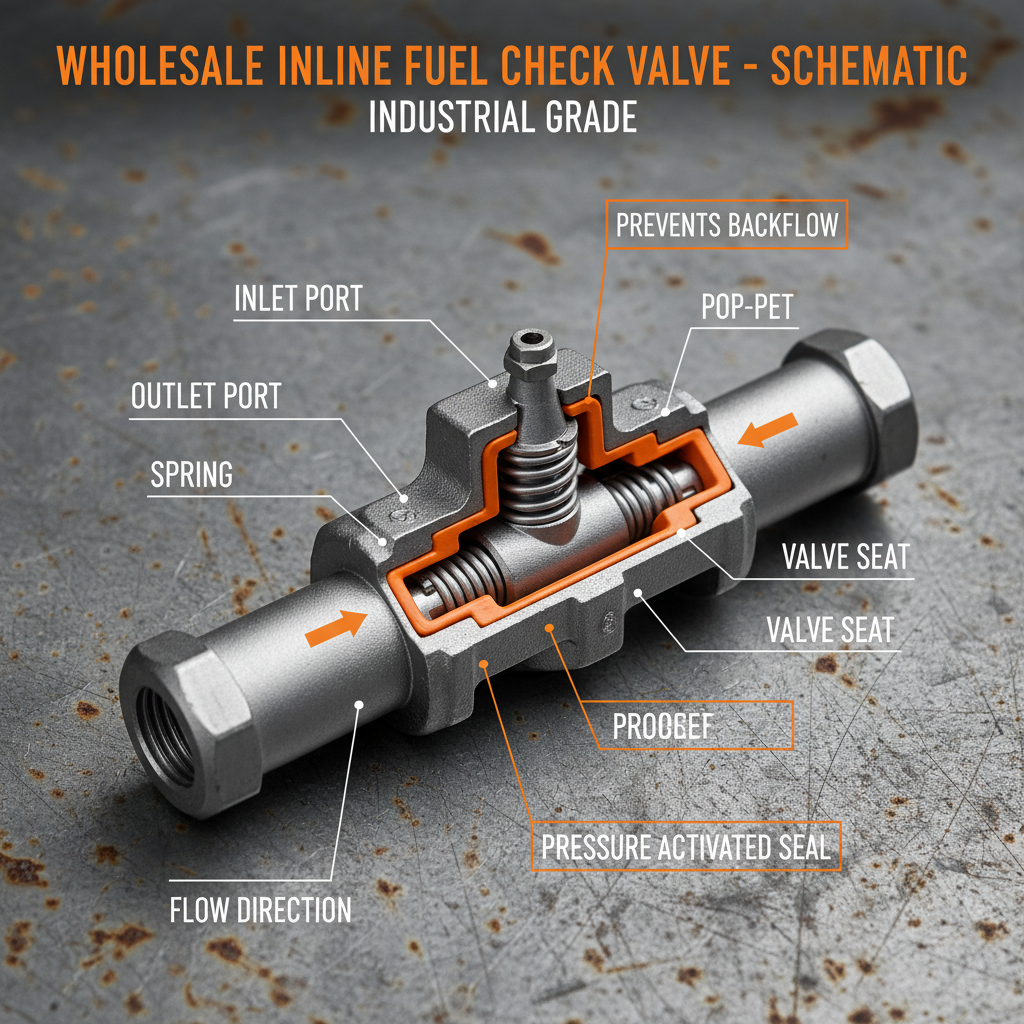
Wholesale flow check valves are essential components in numerous industrial and commercial applications, ensuring the unidirectional flow of fluids and preventing backflow. Their significance stems from their ability to protect equipment, maintain system integrity, and enhance operational efficiency. Globally, the demand for these valves is driven by expanding infrastructure projects, increasing industrialization in emerging economies, and stringent safety regulations across various sectors. Understanding the nuances of wholesale flow check valve selection, application, and maintenance is crucial for engineers, procurement specialists, and facility managers seeking reliable and cost-effective fluid control solutions.
The global market for flow control valves, including check valves, is projected to experience consistent growth in the coming years. According to recent reports, the Asia-Pacific region dominates the market due to rapid industrial development in countries like China and India. North America and Europe also represent significant markets, driven by demand in the oil and gas, water treatment, and chemical processing industries. A key challenge within this market is addressing the increasing need for valves capable of handling corrosive fluids, high pressures, and extreme temperatures. Properly sourced wholesale flow check valve solutions are paramount to avoid costly downtime and ensure long-term system reliability.
Investing in quality wholesale flow check valves translates to reduced maintenance costs, minimized environmental impact through leak prevention, and improved overall system performance. Furthermore, selecting the appropriate valve material and design can optimize energy efficiency and prolong the lifespan of critical infrastructure. As industries continue to prioritize sustainability and operational excellence, the role of reliable flow control solutions, especially wholesale flow check valve offerings, will only become more vital.
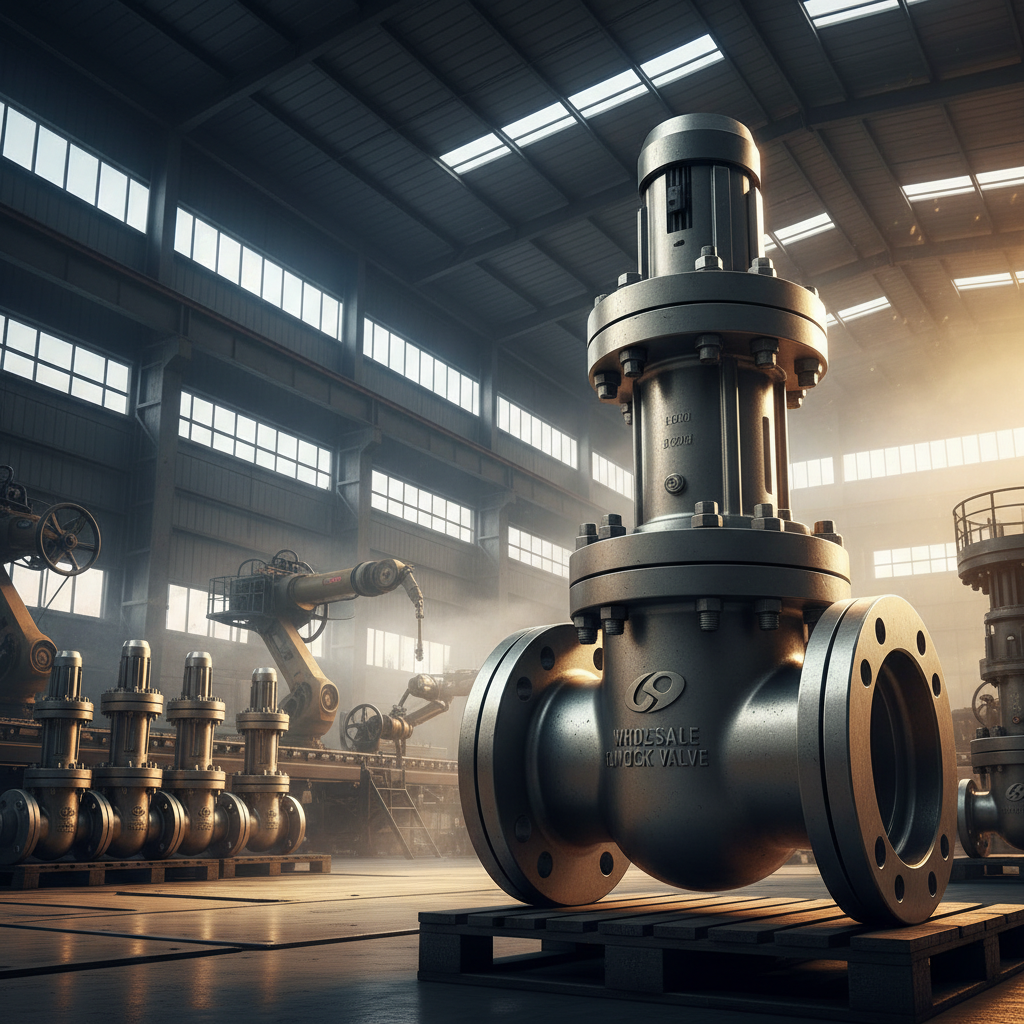

Wholesale flow check valves represent a crucial link in the safe and efficient operation of countless fluid systems. They are typically purchased in bulk by industries requiring consistent and reliable control of fluid flow direction, ranging from water treatment facilities to petrochemical plants. Understanding the wholesale market dynamics – including supplier capabilities, material certifications, and logistical considerations – is as important as understanding the valve’s technical specifications.
The sourcing of wholesale flow check valve components often involves stringent quality control processes to ensure adherence to international standards like ISO and ANSI. Effective procurement strategies prioritize not only competitive pricing but also long-term reliability, minimizing downtime and ensuring regulatory compliance. Selecting a trusted wholesale supplier is, therefore, a foundational element in maintaining operational efficiency and reducing overall system costs.
Lead times for wholesale flow check valve orders vary depending on the quantity, valve specifications, and current manufacturer production schedules. Generally, standard valves in common materials can ship within 4-6 weeks. Highly customized valves or large-volume orders may require 8-12 weeks or more. It is crucial to submit a detailed request for quote and clearly communicate your required delivery date to ensure timely fulfillment. Effective communication with your supplier is key to managing expectations and avoiding delays.
Determining the correct size and pressure rating requires a thorough understanding of your system’s operating conditions. Consider the fluid flow rate, pipe diameter, and maximum system pressure. Consulting engineering specifications and manufacturer’s datasheets is essential. Incorrect sizing can lead to reduced efficiency, excessive noise, or even valve failure. If you are unsure, engage with a qualified valve specialist to provide expert guidance and ensure optimal performance.
Common materials include cast iron, stainless steel (304, 316), brass, and PVC. Cast iron is cost-effective for non-corrosive applications. Stainless steel offers excellent corrosion resistance and is suitable for a wide range of fluids. Brass is ideal for potable water systems. PVC is lightweight and resistant to many chemicals. The best material depends on the fluid's chemical composition, temperature, pressure, and any specific regulatory requirements.
Essential certifications include ISO 9001 (quality management system), and depending on the application, standards like ANSI/FCI 70-2 (for pressure testing) or API 598 (for valve inspection) may be relevant. For potable water applications, NSF/ANSI 61 certification is crucial. Certifications demonstrate that the valve has been rigorously tested and meets industry standards for performance, safety, and reliability. Always verify the validity of certifications directly with the certifying body.
Swing check valves use a disc that swings open with flow and closes against a seat with backflow. They’re good for low-velocity flows. Lift check valves have a disc that lifts off the seat with flow and drops back down for backflow prevention. They’re better suited for high-velocity applications. Swing valves offer lower pressure drop but can be prone to water hammer. Lift valves can handle higher pressures but might exhibit more turbulence. Choosing the right type depends on your specific flow conditions and system requirements.
Regular inspection is crucial. Check for leaks, corrosion, and debris buildup. Periodic cleaning or flushing can remove obstructions. Lubricate valve stems and moving parts as recommended by the manufacturer. Keep detailed maintenance records to track performance and identify potential issues. Consider implementing a preventative maintenance schedule to minimize downtime and extend valve life. Properly trained personnel are essential for effective maintenance.
Wholesale flow check valves are indispensable components in a vast array of industrial and commercial applications. Their role in ensuring unidirectional fluid flow, protecting equipment, and maintaining system integrity is paramount. By understanding the core components, key performance factors, and emerging trends in this field, businesses can make informed decisions that optimize operational efficiency, enhance safety, and reduce long-term costs.
Looking ahead, the integration of smart technologies and sustainable materials will further elevate the performance and value of wholesale flow check valve solutions. Investing in quality valves from reputable suppliers and implementing proactive maintenance strategies are essential for maximizing lifespan and minimizing environmental impact. Visit our website to explore our comprehensive range of wholesale flow check valve offerings and discover how we can help you optimize your fluid control systems.

 Afrikaans
 Albanian
 Amharic
 Arabic
 Armenian
 Azerbaijani
 Basque
 Belarusian
 Bengali
 Bosnian
 Bulgarian
 Catalan
 Cebuano
 Corsican
 Croatian
 Czech
Czech
 Danish
 Dutch
Dutch
 Esperanto
 Estonian
 Finnish
 French
 Frisian
 Galician
 Georgian
 German
 Greek
Greek
 Gujarati
 Haitian Creole
 Hausa
Hausa
 Hawaiian
 Hebrew
 Hindi
Hindi
 Miao
Miao
 Hungarian
 Icelandic
 Igbo
Igbo
 Indonesian
 Irish
Irish
 Italian
 Japanese
 Javanese
 Kannada
 Kazakh
 Khmer
Khmer
 Rwandese
 Korean
 Kurdish
 Kyrgyz
 Lao
Lao
 Latin
Latin
 Latvian
 Lithuanian
 Luxembourgish
 Macedonian
 Malgashi
 Malay
Malay
 Malayalam
 Maltese
 Maori
Maori
 Marathi
 Mongolian
 Myanmar
 Nepali
 Norwegian
 Norwegian
 Occitan
 Pashto
 Persian
 Polish
 Portuguese
 Punjabi
 Romanian
 Russian
 Samoan
 Scottish Gaelic
 Serbian
 Sesotho
 Shona
Shona
 Sindhi
 Sinhala
 Slovak
 Slovenian
 Somali
 Spanish
 Sundanese
 Swahili
 Swedish
 Tagalog
 Tajik
Tajik
 Tamil
Tamil
 Tatar
Tatar
 Telugu
 Thai
Thai
 Turkish
 Turkmen
 Ukrainian
 Urdu
Urdu
 Uighur
 Uzbek
Uzbek
 Vietnamese
 Welsh
Welsh
 Bantu
Bantu
 Yiddish
 Yoruba
 Zulu
Zulu
 English