
- Call Us
- +8618633052223
- njhdvlz@163.com
Aug . 28, 2025 02:00 Back to list
High Quality Wafer Check Valve Factories: Reliable, Durable Solutions
Industry Trends in High-Quality Wafer Check Valve Manufacturing
The global industrial landscape, driven by escalating demands for energy efficiency, enhanced safety protocols, and stringent environmental compliance, increasingly relies on sophisticated flow control solutions. Within this evolving paradigm, the role of wafer check valves is becoming paramount, particularly for critical applications requiring reliable backflow prevention in compact designs. The market for high-performance valves is experiencing a significant surge, primarily propelled by growth in sectors such as oil & gas, petrochemicals, power generation, water and wastewater treatment, and HVAC systems.
Current industry trends highlight a shift towards advanced materials, smart valve integration, and optimized designs that ensure minimal pressure drop and extended service life. Manufacturers are investing heavily in R&D to produce valves capable of withstanding extreme temperatures, corrosive media, and high-pressure environments, while also meeting rigorous international standards. This commitment to innovation is critical for high quality wafer check valve factories to maintain competitiveness and deliver solutions that align with the future of industrial infrastructure. The emphasis is not just on functionality but also on total cost of ownership, including ease of installation, reduced maintenance, and energy efficiency.
Understanding Wafer Check Valves: Structure & Function
A wafer check valve is a one-way valve designed to prevent backflow in a piping system. Its compact "wafer" style design allows it to be installed between two flanges, significantly reducing face-to-face dimensions and weight compared to traditional flanged check valves. This design not only saves space but also simplifies installation and reduces overall system cost.
The fundamental principle of operation relies on differential pressure. Forward flow pushes the valve disc open, while reverse flow or a drop in forward pressure allows the disc to close, preventing fluid from flowing back through the pipeline. Key components typically include:
- Body: The main housing, often made from cast iron, carbon steel, or stainless steel, designed to fit between flanges.
- Disc: The movable component that opens or closes to allow or prevent flow. Wafer check valves often feature single or dual discs, hinged for pivotal movement.
- Spring: A crucial element, especially in dual-disc designs, that assists in rapid closure, minimizing water hammer and reverse flow.
- Seat: The sealing surface against which the disc closes, ensuring a tight shut-off. Materials vary based on application, including metal-to-metal, EPDM, NBR, or PTFE for enhanced sealing and chemical resistance.
The dual-plate wafer check valve, a common variant, features two semicircular plates hinged at the center, offering low cracking pressure and swift, non-slam closure. This design is particularly advantageous in scenarios where space is limited and protection against water hammer is critical, such as in pump discharge lines and HVAC systems.
Manufacturing Process of High Quality Wafer Check Valves
The production of a high quality wafer check valve manufacturer involves a meticulous series of steps, integrating advanced metallurgy, precision engineering, and rigorous quality control. This ensures durability, reliability, and optimal performance in demanding industrial environments. The typical process flow in a leading factory includes:
-
Material Selection & Procurement:
Selection of premium materials based on application requirements. Common body materials include Carbon Steel (WCB), Stainless Steel (304, 316, 316L, Duplex 2205), Alloy Steels, and Bronze. Sealing materials often include EPDM, NBR, Viton (FKM), or PTFE, chosen for their chemical compatibility and temperature resistance. All materials must meet specific ASTM or equivalent international standards.
-
Casting or Forging:
The valve body and disc components are typically formed through precision casting (for complex shapes) or forging (for superior strength and grain structure). Advanced foundries utilize state-of-the-art techniques to minimize defects and ensure material integrity. Non-destructive testing (NDT) such as radiography (RT) or ultrasonic testing (UT) is often applied at this stage to detect internal flaws.
-
CNC Machining:
Components undergo high-precision Computer Numerical Control (CNC) machining to achieve exact dimensions, surface finishes, and tight tolerances required for proper sealing and efficient operation. This includes machining of seat areas, disc profiles, and bore sizes to ANSI B16.5 or equivalent specifications.
-
Surface Treatment & Deburring:
Surfaces are meticulously deburred and cleaned to remove any sharp edges or contaminants that could compromise performance or sealing. Corrosion-resistant coatings or specialized treatments may be applied depending on the service conditions.
-
Assembly:
Skilled technicians assemble the valve components, ensuring correct alignment, proper spring tension, and secure fastening. This step is critical for the valve's functionality and long-term reliability.
-
Testing & Quality Assurance:
Every valve undergoes rigorous testing to verify performance and integrity. Key tests include:
- Hydrostatic Shell Test (ISO 5208 / API 598): Ensures the body's structural integrity against internal pressure, typically at 1.5 times the nominal working pressure.
- Low-Pressure Air Seat Test (API 598): Verifies leak-tightness across the seat at lower pressures, critical for gas applications.
- High-Pressure Seat Test (API 598): Confirms seat sealing under maximum rated pressure.
- Functionality Test: Checks the smooth operation of the disc and spring mechanism.
Adherence to international standards like ISO 9001 for quality management, API 594 for wafer check valve design, and ANSI B16.34 for valve pressure-temperature ratings is strictly enforced. The expected service life for a properly specified and maintained high quality wafer check valve supplier product typically ranges from 15 to 25 years, depending on the application severity and fluid properties.
-
Packaging & Shipping:
Valves are carefully packed to prevent damage during transit, often with protective covers for flange faces and detailed labeling.
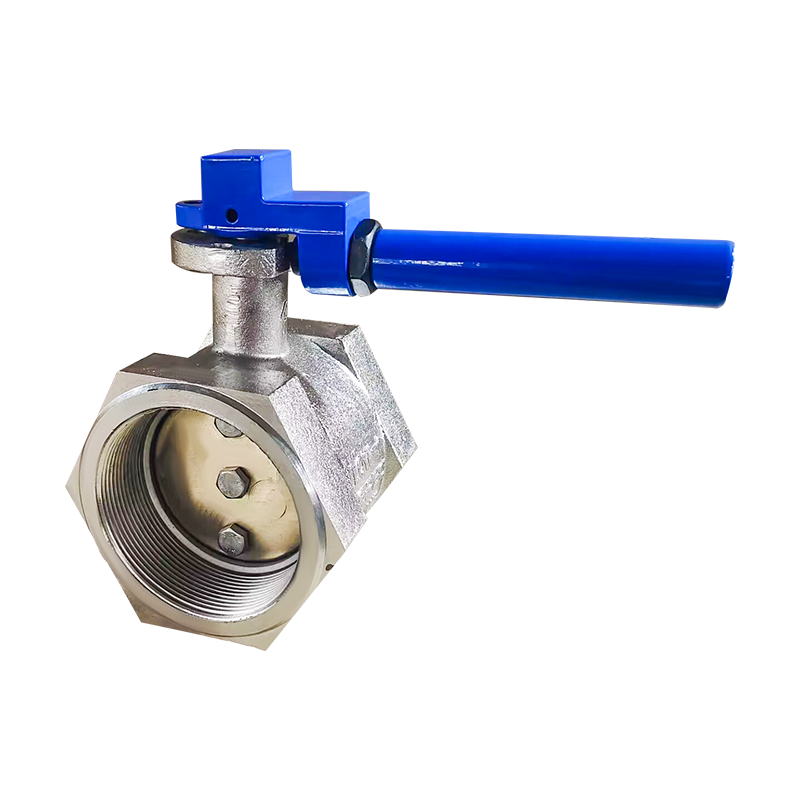
Schematic of a dual-disc wafer check valve demonstrating internal components.
Technical Specifications and Parameters
Selecting the appropriate wafer check valve requires careful consideration of its technical specifications to match the operational demands of the system. Key parameters dictate performance, reliability, and longevity.
The detailed parameters above are critical for engineers and procurement specialists to ensure compatibility with existing piping systems and adherence to operational requirements. Leading high quality wafer check valve factories provide comprehensive data sheets and expert consultation to assist in this selection process.
Application Scenarios and Target Industries
The versatility and reliability of high-quality wafer check valves make them indispensable across a broad spectrum of industries and application scenarios. Their compact design and efficient backflow prevention are particularly valued where space is at a premium and operational integrity is critical.
Target Industries:
- Petrochemical & Oil & Gas: Used in refineries, offshore platforms, and pipelines to prevent backflow in crude oil, refined products, and various chemical process lines. Essential for safety and preventing contamination.
- Power Generation: Crucial in thermal, nuclear, and hydroelectric power plants for boiler feed water lines, cooling water systems, and condensate return lines, where reliable operation ensures continuous power supply.
- Water Supply & Drainage / Wastewater Treatment: Deployed in pump stations, filtration systems, and main water lines to prevent reverse flow, protect pumps, and maintain system pressure, ensuring clean water delivery and efficient wastewater processing.
- Metallurgy: Applied in steel mills and metal processing plants for cooling water systems, process gas lines, and hydraulic systems, enduring high temperatures and abrasive conditions.
- HVAC & Building Services: Integrated into heating, ventilation, and air conditioning systems, as well as fire protection systems, to manage fluid flow, prevent pipe system surges, and ensure system efficiency.
- Pulp & Paper: Used in various stages of pulp and paper production, where aggressive chemicals and high-volume water flows require robust and corrosion-resistant valving.
Typical Application Scenarios & Advantages:
-
Pump Discharge Lines: Installed immediately after centrifugal pumps to prevent backflow into the pump when it shuts down, protecting impellers from reverse rotation and water hammer.
Advantage: Prevents costly pump damage and reduces downtime, ensuring continuous operation. Energy saving through reduced pump cycling.
-
Compressor Outlets: Prevents compressed gas from flowing back into the compressor during shutdown, which can damage rotors or create safety hazards.
Advantage: Enhances safety and extends compressor service life by preventing surge and backpressure.
-
Boiler Feed Water Systems: Essential for maintaining pressure and preventing hot water from flowing back into the feed pump, ensuring efficient steam generation.
Advantage: Maintains system stability and efficiency, crucial for power plant reliability.
-
Cooling Water Circuits: Used to manage water flow in heat exchangers and cooling towers, preventing reverse flow and maintaining optimal cooling efficiency.
Advantage: Ensures effective temperature regulation and corrosion resistance, particularly with specialized materials for seawater applications.
In these diverse applications, the compactness of wafer check valves allows for easier installation in confined spaces, while their robust construction from materials like stainless steel or duplex alloys provides superior corrosion resistance, critical for longevity in aggressive media. The rapid closure mechanism of dual-plate designs effectively mitigates water hammer, protecting the entire piping system.
Technical Advantages of High-Quality Wafer Check Valves
The inherent design and advanced manufacturing processes employed by a leading high quality wafer check valve manufacturer impart several significant technical advantages that distinguish them from traditional check valve designs:
- Reduced Pressure Drop & Energy Efficiency: The streamlined internal design, especially in dual-plate configurations, minimizes flow resistance. This results in a significantly lower pressure drop across the valve compared to swing check or lift check valves. A lower pressure drop directly translates to reduced energy consumption for pumps and compressors, leading to substantial operational cost savings over the valve's service life. For instance, a 0.5 bar reduction in pressure drop can result in thousands of dollars in annual energy savings for a large pumping system.
- Non-Slam Closure & Water Hammer Prevention: Many high-quality wafer check valves incorporate a spring-assisted closing mechanism, particularly dual-disc types. This design ensures rapid and quiet closure of the disc as soon as forward flow ceases, effectively preventing reverse flow velocity from building up and drastically reducing the impact of water hammer. This protection extends the life of pumps, pipes, and other critical system components.
- Compact Design & Space Savings: The "wafer" style, designed to be sandwiched between flanges, offers a remarkably short face-to-face dimension. This compact footprint requires less installation space, reduces pipeline stress, and significantly lowers overall system weight, simplifying design and installation, especially in crowded industrial environments or modular skids.
- Versatile Installation Orientations: Unlike some traditional check valves that are limited to horizontal installation, most wafer check valves can be installed in both horizontal and vertical pipelines (with upward flow) due to their spring-assisted closure. This flexibility simplifies system layout and design.
- Enhanced Sealing Performance: Precision-machined seats and discs, combined with appropriate resilient or metal seats, ensure a tight seal against backflow. Advanced sealing materials offer excellent chemical resistance and broad temperature capabilities, critical for applications with corrosive or high-temperature media.
- Lower Maintenance & Longer Service Life: With fewer moving parts and robust construction from high-grade materials, these valves are inherently reliable and require minimal maintenance. The absence of external linkages reduces potential leak paths and simplifies in-line servicing, contributing to a lower total cost of ownership.
These advantages collectively make high-quality wafer check valves a preferred choice for engineers and facility managers seeking efficient, reliable, and cost-effective solutions for backflow prevention in demanding industrial applications.
Vendor Comparison: Choosing the Right Supplier
When sourcing wafer check valves for critical B2B applications, the choice of supplier is as important as the product itself. A reliable high quality wafer check valve supplier will offer more than just a product; they provide assurance, expertise, and support. Below is a comparison table outlining key criteria for evaluating potential suppliers.
The distinction between a leading supplier and a standard one often lies in their commitment to quality, innovation, and customer support. For critical applications, partnering with a supplier that meets the "Leading Supplier (A)" profile ensures not only product performance but also long-term operational peace of mind.
Customized Solutions for Specific Needs
While standard wafer check valves meet a wide array of industrial requirements, many projects encounter unique operational challenges that necessitate customized solutions. A truly competent high quality wafer check valve supplier recognizes this need and offers comprehensive engineering capabilities to tailor valves for specific application parameters.
Customization options can include:
- Exotic Materials: For highly corrosive or extremely high-temperature services, valves can be manufactured from specialized alloys such as Hastelloy, Monel, Inconel, or Titanium.
- Specific Coatings & Linings: Internal coatings (e.g., PTFE, ceramic) for abrasive media or enhanced chemical resistance; external coatings for marine environments or underground installations.
- Non-Standard Sizes & Pressure Classes: Valves can be engineered for unconventional pipeline diameters or pressure ratings beyond standard specifications.
- Spring Modifications: Custom spring forces can be designed to achieve specific cracking pressures, essential for sensitive systems or low-flow applications.
- Special End Connections: While wafer type is standard, customized lug type or flanged connections can be provided to seamlessly integrate with existing infrastructure.
- Compliance with Specific Project Specifications: Adherence to client-specific engineering standards (e.g., NACE MR0175 for sour service, FDA for sanitary applications) and documentation requirements.
This collaborative engineering approach, often involving detailed CFD (Computational Fluid Dynamics) analysis and FEA (Finite Element Analysis), ensures that the customized wafer check valve performs optimally, extends service life, and integrates perfectly into complex systems, offering a superior return on investment.
Application Case Studies
Case Study 1: Enhanced Pump Protection in a Municipal Water Treatment Plant
Client: Large Municipal Water Authority, serving a metropolitan area of 3 million people.
Challenge: The plant's main pumping station experienced frequent water hammer incidents during pump shutdown, leading to premature wear on pump impellers and pipeline fatigue. Traditional swing check valves were slow to close, exacerbating the problem and causing disruptive noise.
Solution: The existing swing check valves (DN600, PN16) were replaced with high-performance dual-plate wafer check valves made from Ductile Iron (GGG40) with EPDM seats. These valves were engineered for rapid, non-slam closure, significantly reducing reverse flow velocity before the discs fully closed.
Results: Post-installation, the water authority reported a complete elimination of water hammer occurrences, leading to a 30% reduction in pump maintenance costs over the first year. The compact design of the wafer check valves also facilitated easier maintenance access around the pumps. The project demonstrated the clear advantages of investing in a high quality wafer check valve manufacturer focused on anti-slam technologies.
Case Study 2: Corrosion Resistance in a Petrochemical Plant
Client: Major International Petrochemical Company, operating a butadiene production facility.
Challenge: Valves in a highly corrosive process line (DN250, Class 300) handling a mixture of hydrocarbons and acidic catalysts were failing prematurely due to severe internal corrosion, requiring frequent replacements and unscheduled shutdowns. The existing check valves were standard stainless steel (316L), but the specific chemical cocktail proved too aggressive over time.
Solution: A specialized high quality wafer check valve supplier provided custom-engineered dual-plate wafer check valves. The body and discs were fabricated from Duplex Stainless Steel (CD3MN), and the seats were made of Hastelloy C276 for superior resistance to chloride stress corrosion cracking and localized pitting in the aggressive environment.
Results: After 3 years of continuous operation, the customized Duplex wafer check valves showed no signs of degradation, significantly extending the operational life from 6 months to over 3 years, with projected life exceeding 5 years. This resulted in a 75% reduction in valve replacement costs for that specific line and vastly improved plant uptime and safety, underscoring the value of specialized material selection and expert engineering.
Frequently Asked Questions (FAQ)
Q1: What is the primary advantage of a wafer check valve over a flanged swing check valve?
A1: The main advantage is its compact, lightweight design, which saves significant space, reduces installation costs, and minimizes pipeline stress. Wafer check valves, especially dual-plate types, also offer superior performance against water hammer due to faster closure.
Q2: Can wafer check valves be installed vertically?
A2: Yes, most dual-plate wafer check valves can be installed in both horizontal and vertical pipelines, provided the flow is upwards. This is due to their spring-assisted closure mechanism, which does not rely solely on gravity for disc seating.
Q3: How do I select the right material for my wafer check valve?
A3: Material selection depends on the fluid's chemical composition, temperature, pressure, and the operating environment. Factors like corrosion resistance, erosion resistance, and temperature limits are crucial. Consult with a qualified high quality wafer check valve manufacturer or engineer for specific recommendations.
Q4: What is water hammer, and how do wafer check valves prevent it?
A4: Water hammer is a pressure surge or wave caused when a fluid in motion is forced to stop or change direction suddenly. Spring-assisted dual-plate wafer check valves prevent this by closing rapidly and quietly upon flow reversal, before significant backflow velocity can build up, thus absorbing the shock.
Lead Time, Warranty, and After-Sales Support
A key differentiator for top-tier high quality wafer check valve factories is their commitment to transparent lead times, robust warranty policies, and comprehensive after-sales support. These elements collectively contribute to client trust and project success.
- Lead Time & Fulfillment: Standard wafer check valves are typically available with lead times ranging from 2-4 weeks for common sizes and materials. Customized or highly specialized valves may require 6-12 weeks, depending on material sourcing and complexity. Reputable suppliers maintain healthy inventory levels for standard products to facilitate rapid dispatch, often offering expedited shipping options for urgent requirements.
- Warranty Commitments: Leading manufacturers generally provide a warranty period of 12 to 18 months from installation or 24 months from shipment, whichever comes first. This warranty covers manufacturing defects and material failures under normal operating conditions. Full warranty terms are provided with each quotation and order, offering peace of mind to the customer.
-
Customer Support & Service: Exceptional after-sales support includes readily available technical assistance for installation, operation, and troubleshooting. This often encompasses:
- Dedicated customer service hotlines and online portals.
- Availability of certified spare parts and repair kits.
- On-site field service for complex issues or maintenance training.
- Comprehensive documentation, including installation manuals and performance curves.
This holistic approach to customer service underscores the reliability and commitment of top-tier valve suppliers, ensuring that their products continue to perform optimally throughout their intended service life.
Conclusion
The demand for efficient, reliable, and compact flow control solutions continues to grow across critical industrial sectors. High quality wafer check valve suppliers are at the forefront of this evolution, offering products that are meticulously engineered, rigorously tested, and designed for optimal performance in the most challenging environments. From preventing damaging water hammer and reducing energy consumption to offering superior corrosion resistance and space-saving designs, these valves are an indispensable component in modern industrial infrastructure. Partnering with a reputable manufacturer that prioritizes material quality, manufacturing precision, comprehensive testing, and responsive after-sales support ensures long-term operational integrity and cost-effectiveness for any project.
References
- API Specification 594, "Check Valves: Flanged, Lug, Wafer and Butt-welding Ends." American Petroleum Institute.
- ISO 9001:2015, "Quality management systems – Requirements." International Organization for Standardization.
- ASME B16.34, "Valves—Flanged, Threaded, and Welding End." American Society of Mechanical Engineers.
- Hydrocarbon Processing. "Trends in Valve Technology for Petrochemical Applications." Gulf Publishing Company.
- Valve World Magazine. "Optimizing Check Valve Selection for Water & Wastewater Systems." KCI Publishing.
-
Industrial Guide to Wholesale Large Butterfly Valve Procurement
NewsApr.16,2026
-
High Quality Wholesale Inlet Butterfly Valve for Industrial Systems
NewsApr.09,2026
-
Comprehensive Guide to Wholesale Butterfly Valve 8 Inch Price and Selection
NewsApr.07,2026
-
Comprehensive Guide to Wholesale SS 304 Butterfly Valve Selection and Applications
NewsApr.04,2026
-
Comprehensive Guide to Wholesale Valve Material Selection and Cost Optimization
NewsMar.31,2026
-
Comprehensive Guide to Wholesale Inline Hydraulic Check Valve Solutions
NewsMar.28,2026
 Afrikaans
 Albanian
 Amharic
 Arabic
 Armenian
 Azerbaijani
 Basque
 Belarusian
 Bengali
 Bosnian
 Bulgarian
 Catalan
 Cebuano
 Corsican
 Croatian
 Czech
Czech
 Danish
 Dutch
Dutch
 Esperanto
 Estonian
 Finnish
 French
 Frisian
 Galician
 Georgian
 German
 Greek
Greek
 Gujarati
 Haitian Creole
 Hausa
Hausa
 Hawaiian
 Hebrew
 Hindi
Hindi
 Miao
Miao
 Hungarian
 Icelandic
 Igbo
Igbo
 Indonesian
 Irish
Irish
 Italian
 Japanese
 Javanese
 Kannada
 Kazakh
 Khmer
Khmer
 Rwandese
 Korean
 Kurdish
 Kyrgyz
 Lao
Lao
 Latin
Latin
 Latvian
 Lithuanian
 Luxembourgish
 Macedonian
 Malgashi
 Malay
Malay
 Malayalam
 Maltese
 Maori
Maori
 Marathi
 Mongolian
 Myanmar
 Nepali
 Norwegian
 Norwegian
 Occitan
 Pashto
 Persian
 Polish
 Portuguese
 Punjabi
 Romanian
 Russian
 Samoan
 Scottish Gaelic
 Serbian
 Sesotho
 Shona
Shona
 Sindhi
 Sinhala
 Slovak
 Slovenian
 Somali
 Spanish
 Sundanese
 Swahili
 Swedish
 Tagalog
 Tajik
Tajik
 Tamil
Tamil
 Tatar
Tatar
 Telugu
 Thai
Thai
 Turkish
 Turkmen
 Ukrainian
 Urdu
Urdu
 Uighur
 Uzbek
Uzbek
 Vietnamese
 Welsh
Welsh
 Bantu
Bantu
 Yiddish
 Yoruba
 Zulu
Zulu
 English