- Call Us
- +8618633052223
- njhdvlz@163.com
Wholesale pneumatic butterfly valve actuators are critical components in a vast range of industrial applications, offering reliable and efficient flow control. Their ability to automate processes, coupled with their relatively low cost and ease of maintenance, makes them a preferred choice for many engineers and facility managers globally. Understanding the nuances of these actuators – from their core components to emerging trends – is paramount for optimizing system performance and ensuring long-term operational success. This guide provides a comprehensive overview of wholesale pneumatic butterfly valve actuators, covering key aspects from definition to future innovations.
The global market for pneumatic actuators, including those used with butterfly valves, is experiencing substantial growth, driven by increasing demand from industries such as oil and gas, water treatment, and power generation. According to market research reports, the demand is projected to continue rising in the coming years, particularly in developing economies undergoing rapid industrialization. The need for efficient and precise flow control, coupled with the increasing adoption of automation technologies, fuels this demand. Addressing challenges related to actuator performance in harsh environments and optimizing energy efficiency are key drivers of innovation within this sector.
The effective integration of wholesale pneumatic butterfly valve actuators into complex systems contributes directly to improved process safety, reduced operational costs, and enhanced environmental sustainability. By providing precise control over fluid flow, these actuators minimize waste, optimize energy consumption, and prevent costly downtime. A thorough understanding of their capabilities and limitations is therefore essential for businesses looking to enhance their operational efficiency and maintain a competitive edge.
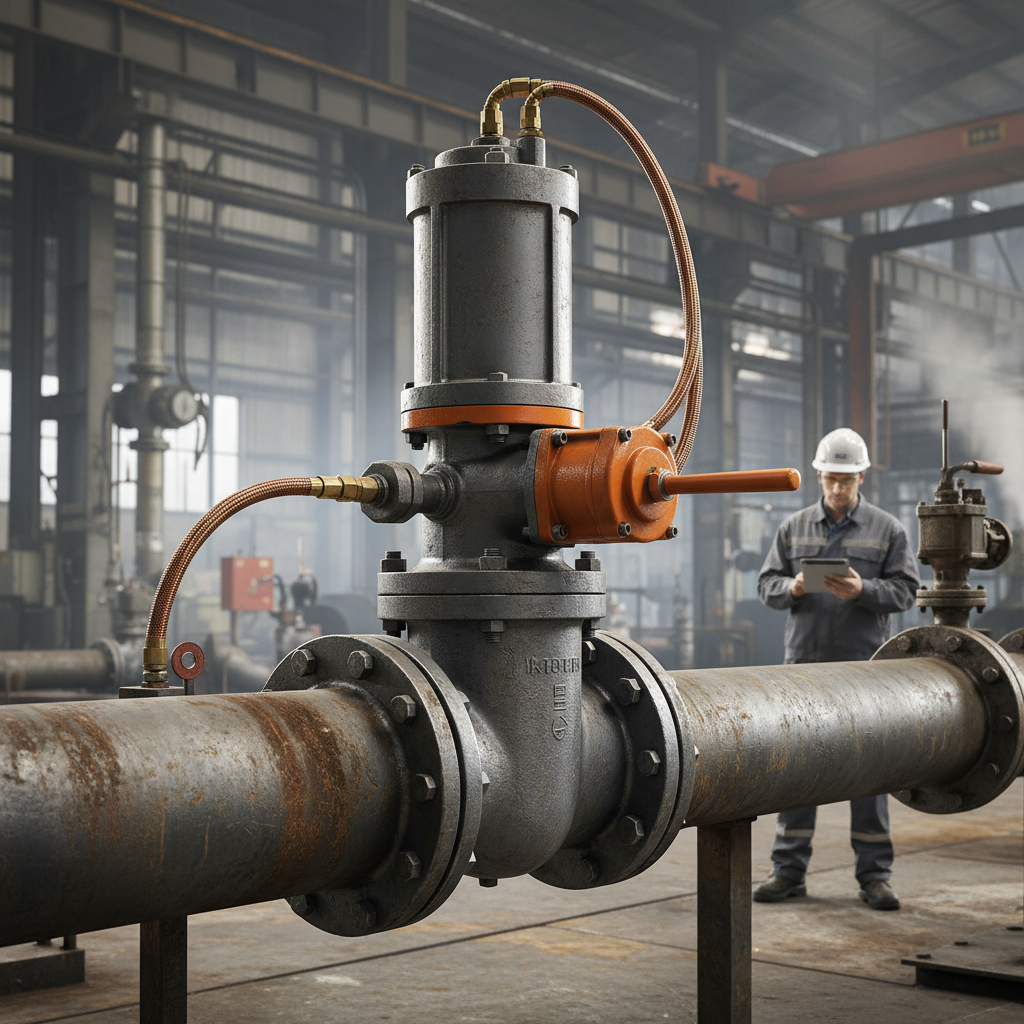
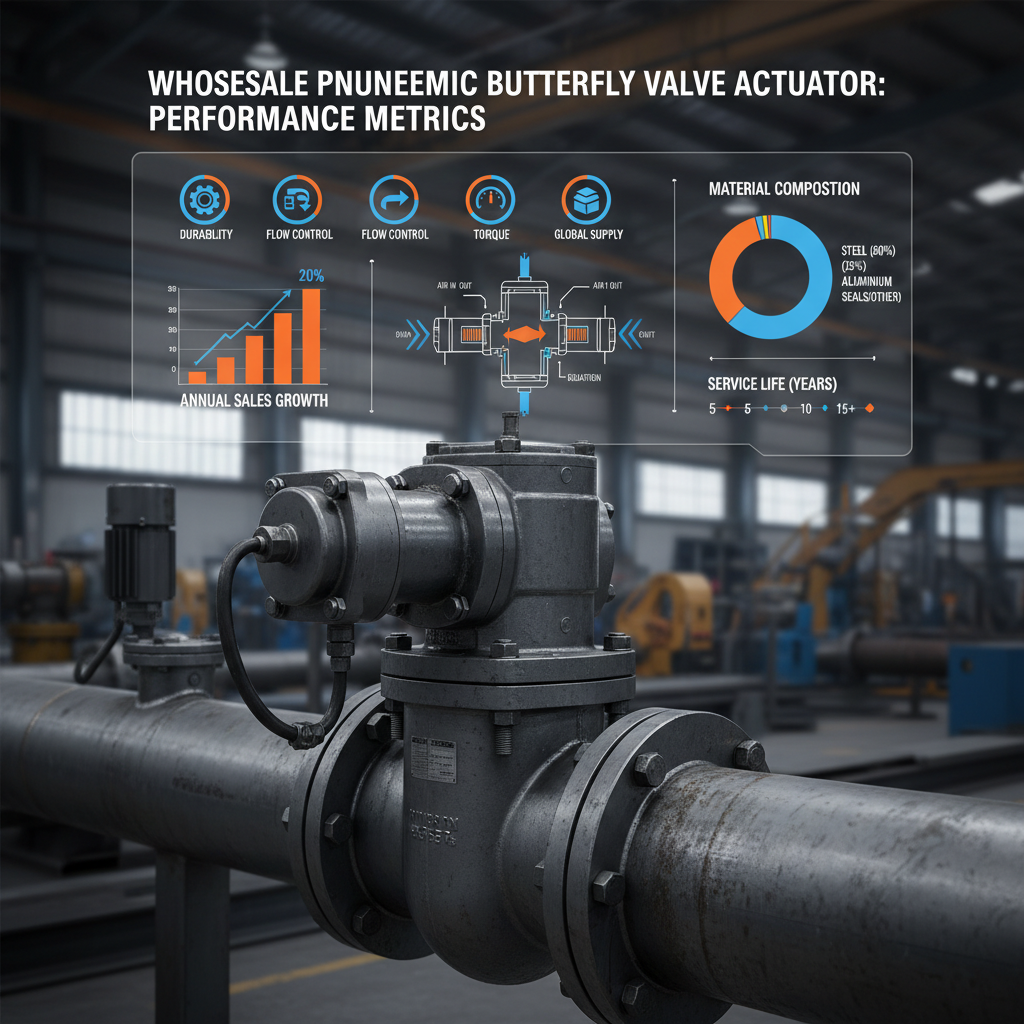
A wholesale pneumatic butterfly valve actuator is a device used to remotely operate a butterfly valve, utilizing compressed air as its power source. These actuators are purchased in bulk by industrial suppliers and distributors to meet the demands of various industries. The key benefit lies in their ability to provide automated, reliable, and precise control over fluid flow in pipelines and process systems.
Understanding the specifications and capabilities of different actuators is vital when sourcing wholesale quantities. Factors like torque output, operating pressure, response time, and materials of construction significantly impact their suitability for specific applications. Choosing the right actuator ensures optimal performance, minimizes maintenance, and extends the lifespan of the valve assembly.
The lifespan of a wholesale pneumatic butterfly valve actuator typically ranges from 5 to 15 years, depending on operating conditions, maintenance schedules, and the quality of construction. Regular lubrication, inspection for wear and tear, and proper environmental protection are crucial for maximizing lifespan. Higher quality actuators constructed from corrosion-resistant materials will generally last longer, even in harsh environments.
Determining the correct torque output requires a thorough understanding of the fluid being controlled, the pipeline pressure, and the valve’s size and design. Consult with a qualified engineer or the actuator manufacturer to perform a torque calculation based on these factors. Underestimating torque can lead to valve failure, while overestimating can result in unnecessary cost and energy consumption.
Pneumatic actuators generally offer lower initial cost, simpler maintenance, and inherent explosion-proof characteristics, making them suitable for hazardous environments. They also tend to be faster acting than electric actuators. However, electric actuators offer more precise control and may be preferable for applications requiring advanced automation capabilities.
Regular maintenance includes checking air supply pressure and filtration, lubricating moving parts, inspecting seals for leaks, and verifying the integrity of the mounting hardware. Periodic disassembly and inspection of internal components are also recommended, particularly in harsh environments. Following the manufacturer’s recommended maintenance schedule is essential for optimal performance.
Ensure that the actuator’s stem connection and mounting flange are compatible with the butterfly valve’s specifications. Verify that the actuator’s torque output is sufficient to operate the valve under all anticipated conditions. Consult with the valve and actuator manufacturers to confirm compatibility and ensure a proper fit.
Yes, advancements in pneumatic actuator technology have led to the development of energy-efficient designs. These include optimized cylinder bore and stroke configurations, the use of low-friction seals, and the implementation of air recovery systems. Utilizing compressed air generated from renewable sources can further enhance energy efficiency.
In conclusion, wholesale pneumatic butterfly valve actuators are indispensable components in a wide array of industrial applications, offering a robust, reliable, and cost-effective solution for automated flow control. Understanding the key factors influencing their performance, including torque output, durability, and compatibility, is crucial for optimizing system efficiency and ensuring long-term operational success. From oil and gas pipelines to water treatment facilities, these actuators play a vital role in driving industrial productivity and sustainability.
Looking ahead, the integration of smart technologies and the focus on energy efficiency will shape the future of pneumatic actuator design and application. By embracing innovation and adopting best practices for maintenance and operation, industries can unlock the full potential of wholesale pneumatic butterfly valve actuators, contributing to safer, more efficient, and more sustainable processes.

 Afrikaans
 Albanian
 Amharic
 Arabic
 Armenian
 Azerbaijani
 Basque
 Belarusian
 Bengali
 Bosnian
 Bulgarian
 Catalan
 Cebuano
 Corsican
 Croatian
 Czech
Czech
 Danish
 Dutch
Dutch
 Esperanto
 Estonian
 Finnish
 French
 Frisian
 Galician
 Georgian
 German
 Greek
Greek
 Gujarati
 Haitian Creole
 Hausa
Hausa
 Hawaiian
 Hebrew
 Hindi
Hindi
 Miao
Miao
 Hungarian
 Icelandic
 Igbo
Igbo
 Indonesian
 Irish
Irish
 Italian
 Japanese
 Javanese
 Kannada
 Kazakh
 Khmer
Khmer
 Rwandese
 Korean
 Kurdish
 Kyrgyz
 Lao
Lao
 Latin
Latin
 Latvian
 Lithuanian
 Luxembourgish
 Macedonian
 Malgashi
 Malay
Malay
 Malayalam
 Maltese
 Maori
Maori
 Marathi
 Mongolian
 Myanmar
 Nepali
 Norwegian
 Norwegian
 Occitan
 Pashto
 Persian
 Polish
 Portuguese
 Punjabi
 Romanian
 Russian
 Samoan
 Scottish Gaelic
 Serbian
 Sesotho
 Shona
Shona
 Sindhi
 Sinhala
 Slovak
 Slovenian
 Somali
 Spanish
 Sundanese
 Swahili
 Swedish
 Tagalog
 Tajik
Tajik
 Tamil
Tamil
 Tatar
Tatar
 Telugu
 Thai
Thai
 Turkish
 Turkmen
 Ukrainian
 Urdu
Urdu
 Uighur
 Uzbek
Uzbek
 Vietnamese
 Welsh
Welsh
 Bantu
Bantu
 Yiddish
 Yoruba
 Zulu
Zulu
 English