- Call Us
- +8618633052223
- njhdvlz@163.com
To be honest, the valve industry... it's been moving towards larger diameters and higher pressures lately. Everyone's chasing bigger projects, you know? Pipelines, power plants – that's where the money is. But chasing big always means more headaches. Have you noticed that?
I've spent the last fifteen years crawling around construction sites, and one thing I've learned is that complex designs are just asking for trouble. Simple is always better. You wouldn't believe how many engineers overthink things, adding features nobody actually needs. It always ends up costing more, taking longer, and causing problems on site.
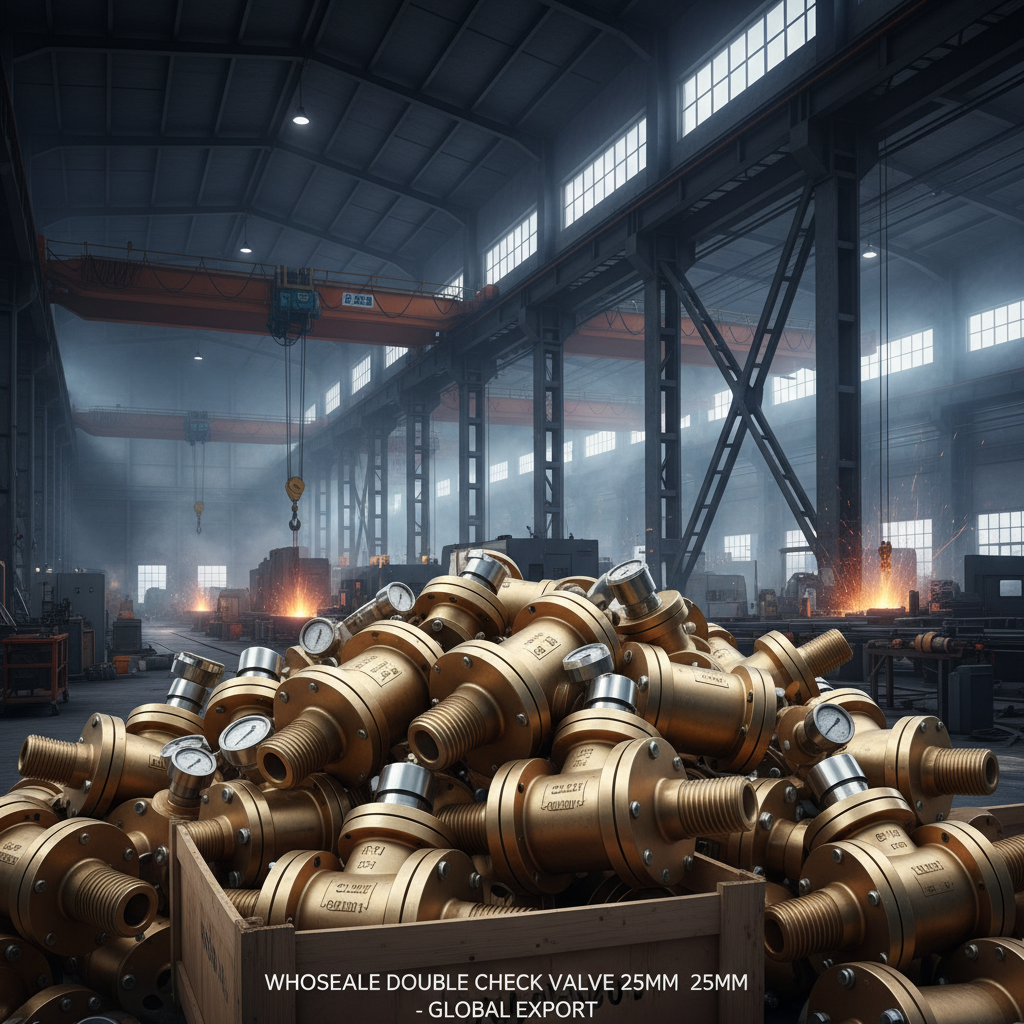
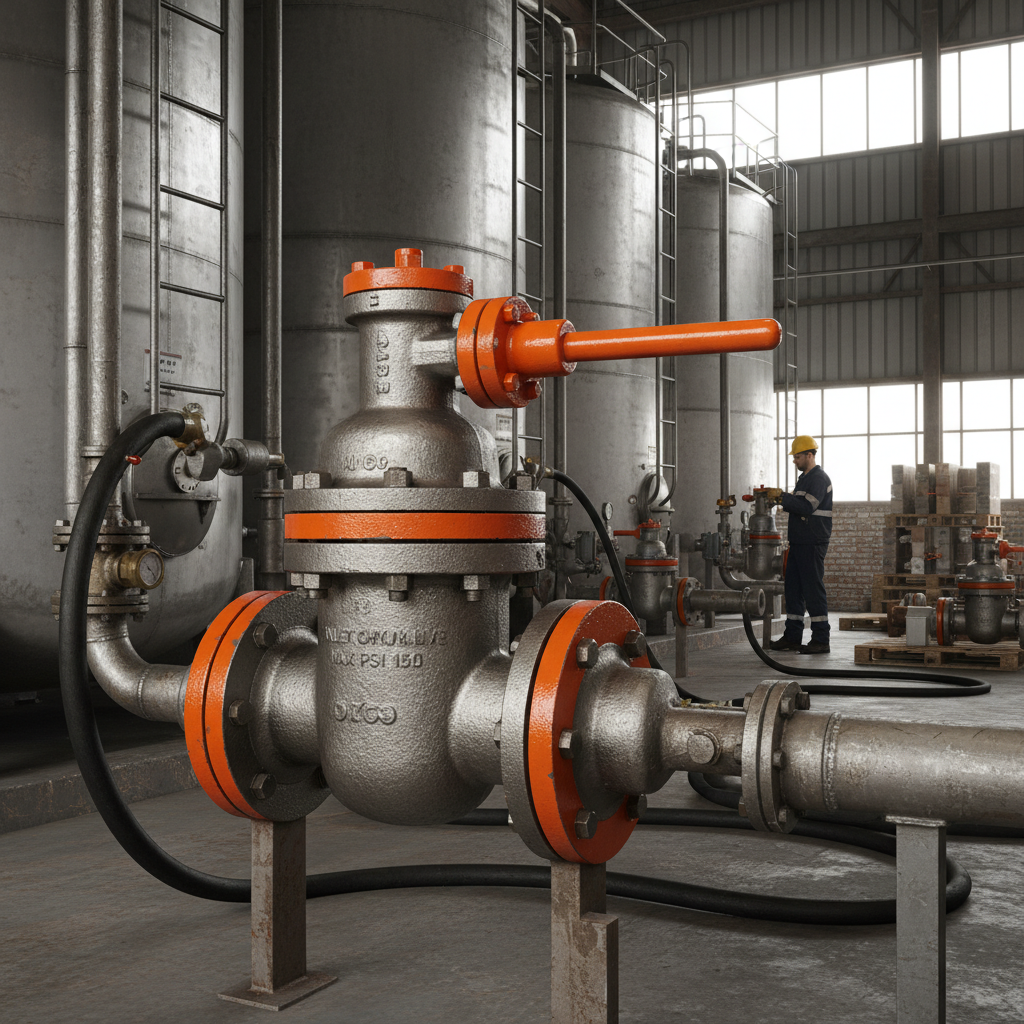
We specialize in wholesale lug style valves, primarily carbon steel, though we do some stainless for corrosive environments. Carbon steel… feels solid, you know? A little rough around the edges. Smells like a machine shop. It needs a good coat of epoxy to prevent rust, of course. We source ours from a mill in Shandong – they’ve been reliable for years. I visited their facility last year – place was massive, steel everywhere.
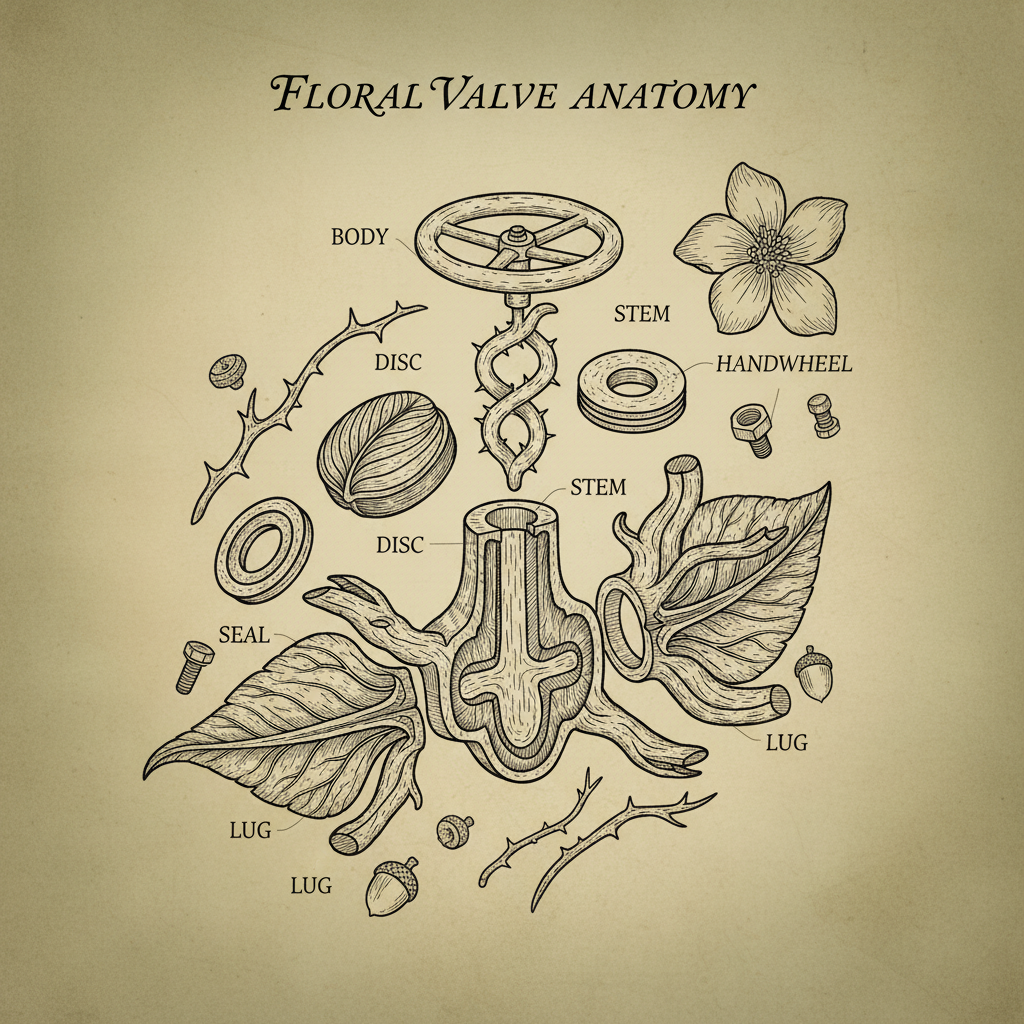
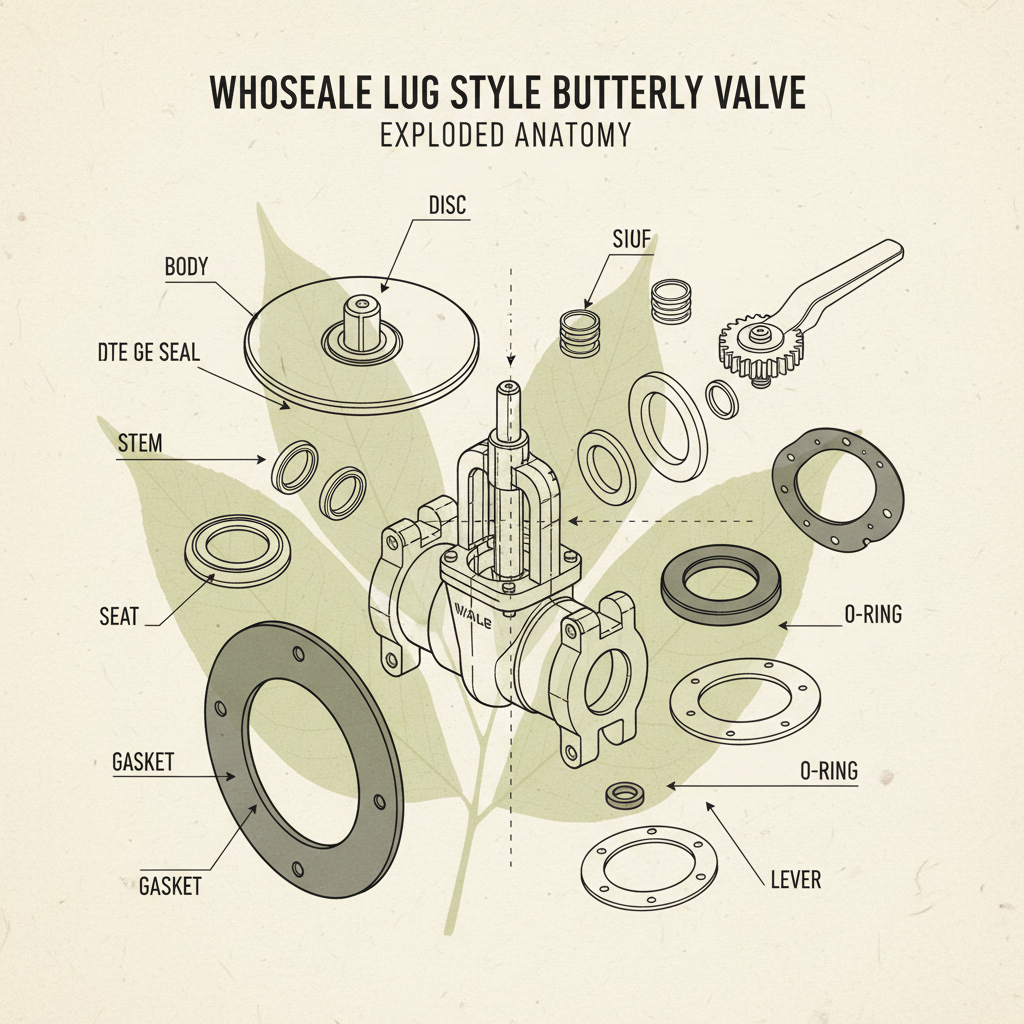
Strangely enough, even with all the tech advancements, lug style valves remain incredibly popular. They're robust, relatively easy to install, and well-understood. I encountered a project manager in Kuwait last month who refused to use anything else – said he didn’t want to “reinvent the wheel”. You can’t argue with experience, I guess.
The demand for wholesale lug style valve is tied directly to infrastructure growth – particularly in developing nations. China, India, Southeast Asia… they're building pipelines, expanding water systems, and upgrading their energy grids. It’s a constant stream of orders.
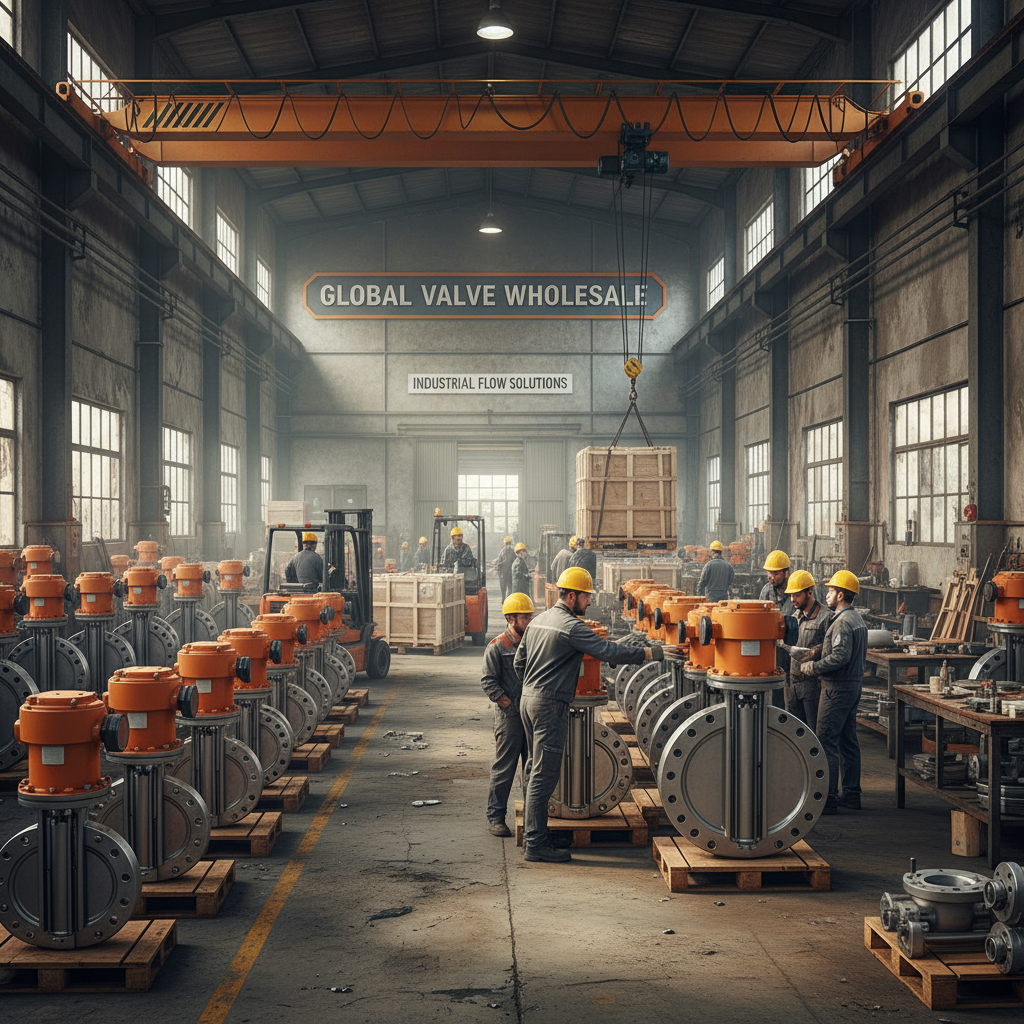
Lead times can vary significantly depending on the quantity, material, and customization requirements. Generally, for standard carbon steel valves, we can deliver within 4-6 weeks. For larger orders or specialized materials like duplex stainless steel, it can take 8-12 weeks. It always depends on mill capacity and current demand, to be honest.
We hold ISO 9001 certification for our quality management system. Our valves are typically manufactured to meet API 600 standards, and we can provide material test reports (MTRs) for all raw materials. We can also obtain third-party inspection from agencies like SGS or Bureau Veritas if required.
Absolutely. We routinely manufacture valves with custom flange connections to meet specific pipeline requirements. We'll need detailed drawings and specifications, but we can handle most requests. The tooling cost for custom flanges can be significant, so there’s a minimum order quantity to consider.
A high-quality epoxy coating is your first line of defense. We recommend a two-part epoxy specifically designed for harsh environments. Regular inspection and maintenance are also crucial. If you're operating in a saltwater environment, consider using sacrificial anodes to protect the valve body. I’ve seen a lot of valves fail because people skip that step.
For our standard carbon steel valves with epoxy coating, the maximum operating temperature is typically around 80°C (176°F). For higher temperature applications, we offer valves made from alloy steel or stainless steel, which can withstand temperatures up to 300°C (572°F) or even higher, depending on the specific alloy.
Leaks are usually caused by worn gaskets, loose bolts, or damage to the valve body. Regular inspection and tightening of bolts are essential. We recommend replacing the gasket every year or two, depending on the operating conditions. Ensure proper surface preparation during installation, and don't overtighten the bolts – you can damage the flange.
Ultimately, wholesale lug style valves remain a reliable and cost-effective solution for a wide range of applications. The key to success lies in understanding the specific operating conditions, selecting the right materials, and implementing a robust maintenance program. It’s not about fancy designs or cutting-edge technology; it's about building a valve that can withstand the rigors of real-world use.
And remember, the technology will always evolve. New materials will emerge, and new designs will be tested. But ultimately, whether this thing works or not, the worker will know the moment he tightens the screw. Visit our website at wholesale lug style valve to learn more.

 Afrikaans
 Albanian
 Amharic
 Arabic
 Armenian
 Azerbaijani
 Basque
 Belarusian
 Bengali
 Bosnian
 Bulgarian
 Catalan
 Cebuano
 Corsican
 Croatian
 Czech
Czech
 Danish
 Dutch
Dutch
 Esperanto
 Estonian
 Finnish
 French
 Frisian
 Galician
 Georgian
 German
 Greek
Greek
 Gujarati
 Haitian Creole
 Hausa
Hausa
 Hawaiian
 Hebrew
 Hindi
Hindi
 Miao
Miao
 Hungarian
 Icelandic
 Igbo
Igbo
 Indonesian
 Irish
Irish
 Italian
 Japanese
 Javanese
 Kannada
 Kazakh
 Khmer
Khmer
 Rwandese
 Korean
 Kurdish
 Kyrgyz
 Lao
Lao
 Latin
Latin
 Latvian
 Lithuanian
 Luxembourgish
 Macedonian
 Malgashi
 Malay
Malay
 Malayalam
 Maltese
 Maori
Maori
 Marathi
 Mongolian
 Myanmar
 Nepali
 Norwegian
 Norwegian
 Occitan
 Pashto
 Persian
 Polish
 Portuguese
 Punjabi
 Romanian
 Russian
 Samoan
 Scottish Gaelic
 Serbian
 Sesotho
 Shona
Shona
 Sindhi
 Sinhala
 Slovak
 Slovenian
 Somali
 Spanish
 Sundanese
 Swahili
 Swedish
 Tagalog
 Tajik
Tajik
 Tamil
Tamil
 Tatar
Tatar
 Telugu
 Thai
Thai
 Turkish
 Turkmen
 Ukrainian
 Urdu
Urdu
 Uighur
 Uzbek
Uzbek
 Vietnamese
 Welsh
Welsh
 Bantu
Bantu
 Yiddish
 Yoruba
 Zulu
Zulu
 English