
- Call Us
- +8618633052223
- njhdvlz@163.com
Mar . 31, 2026 01:55 Back to list
Comprehensive Guide to Wholesale Valve Material Selection and Cost Optimization
Understanding Wholesale Valve Material: A Comprehensive Guide
When sourcing components for fluid control systems, the quality and cost-effectiveness of wholesale valve material are paramount. This article provides a detailed overview of the key considerations when purchasing valve materials, covering types, applications, and factors influencing cost. Whether you're a manufacturer, distributor, or engineer, understanding these aspects is crucial for making informed decisions and ensuring optimal performance. Choosing the right materials translates to reliability, longevity, and ultimately, customer satisfaction.
Common Types of Wholesale Valve Material
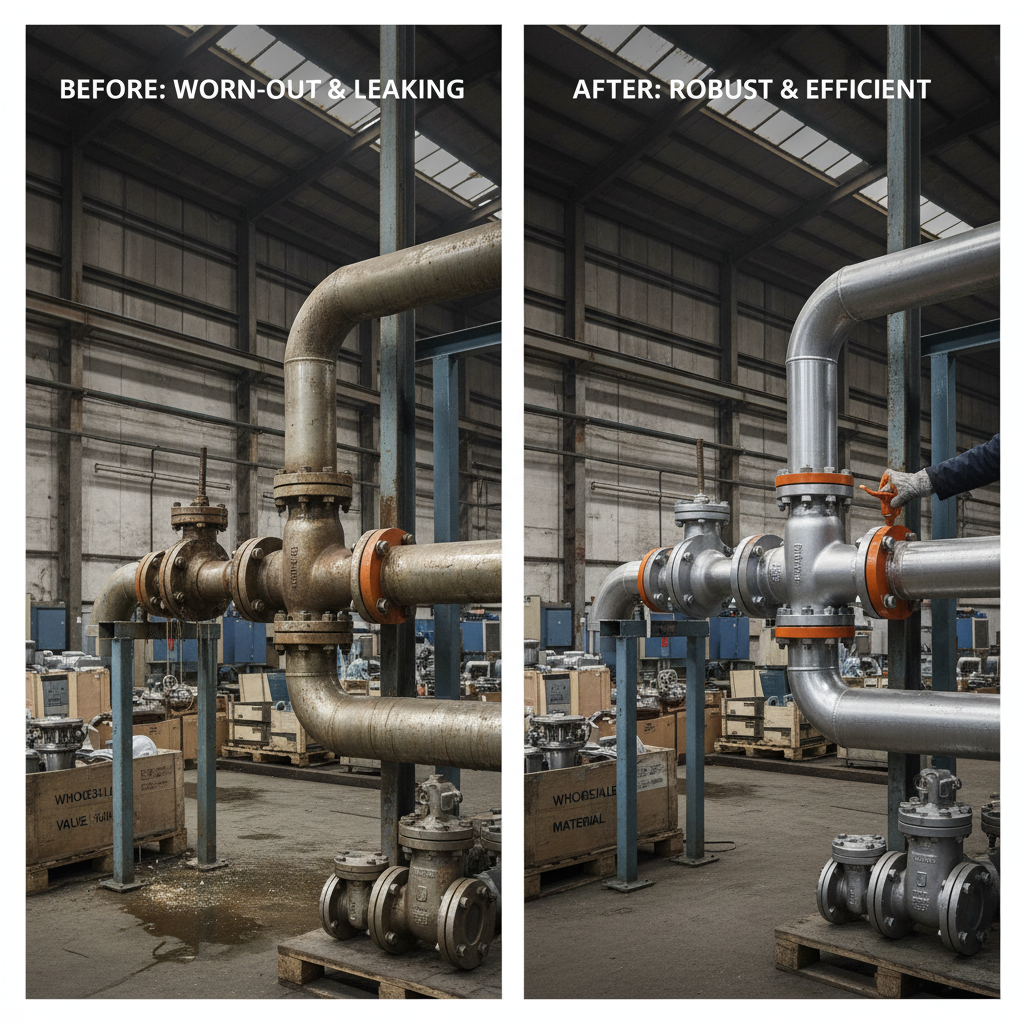
The selection of valve material significantly impacts the valve’s performance, lifespan, and suitability for specific applications. Common materials include stainless steel (304, 316, etc.), carbon steel, brass, bronze, and various plastics like PTFE and PVC. Stainless steel is favored for its corrosion resistance, while carbon steel offers high strength at a lower cost. Brass and bronze are excellent choices for potable water applications due to their lead-free properties. Plastics excel in environments requiring chemical resistance and lightweight construction. Hongda Valve specializes in providing a wide array of these materials to meet diverse industrial needs.
Key Takeaway: Material selection depends heavily on the fluid being controlled, the operating temperature and pressure, and the expected lifespan of the valve.
Stainless Steel Grades for Valve Components
Stainless steel is a frequently utilized material in valve construction, owing to its excellent corrosion resistance and durability. However, selecting the appropriate grade of stainless steel is crucial. 304 stainless steel is a versatile, general-purpose grade suitable for many applications. 316 stainless steel offers superior corrosion resistance, especially in chloride-rich environments. Duplex stainless steels provide even greater strength and corrosion resistance. Choosing the right grade ensures optimal performance and longevity in demanding applications. Understanding the composition of these stainless steel types can dramatically improve your project's final outcome.
Stainless Steel Grade Comparison:
• 304 Stainless Steel: Good corrosion resistance, versatile, cost-effective.
• 316 Stainless Steel: Superior corrosion resistance, ideal for chloride environments.
• Duplex Stainless Steel: High strength and corrosion resistance, for demanding applications.
Wholesale Valve Material: Comparing Costs and Benefits
The cost of wholesale valve materials varies considerably based on the material type, grade, and quantity ordered. Carbon steel is generally the most affordable option, followed by brass and bronze. Stainless steel tends to be more expensive, with 316 and duplex grades commanding higher prices. However, considering the long-term cost of ownership, investing in higher-quality materials like stainless steel can often be more economical due to reduced maintenance and replacement costs. Hongda Valve offers competitive pricing without compromising on quality.
Factors Influencing Wholesale Valve Material Pricing
Several factors impact the pricing of wholesale valve materials. These include raw material costs (which fluctuate with market conditions), manufacturing processes, order volume, and shipping expenses. Long-term contracts and bulk orders often qualify for discounted pricing. Furthermore, the complexity of the material and any required certifications can also influence the cost. Understanding these dynamics allows buyers to negotiate effectively and secure the best possible deals. Partnering with a reputable supplier like Hongda Valve ensures transparency and fair pricing.
Selecting the Right Supplier for Wholesale Valve Material
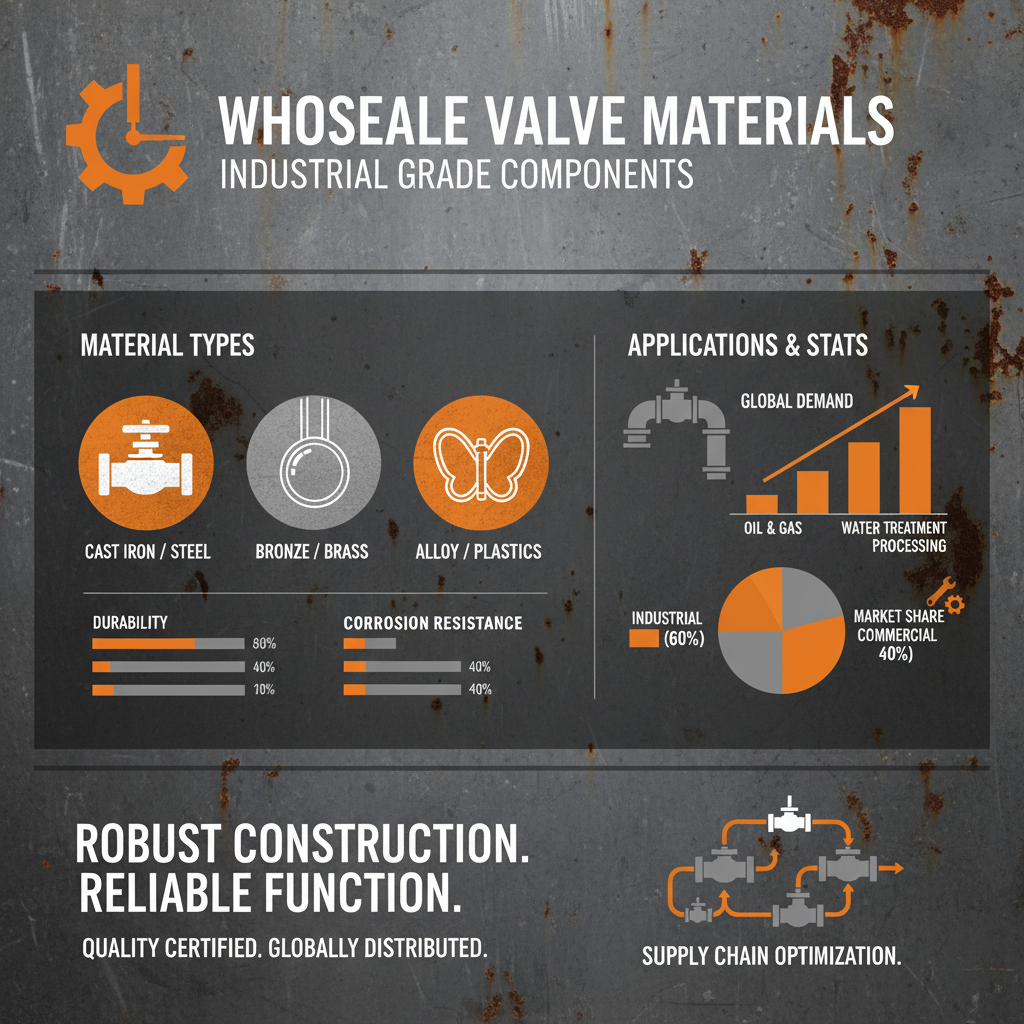
Choosing a reliable supplier is crucial for consistently receiving high-quality wholesale valve material at competitive prices. Look for a supplier with a proven track record, comprehensive quality control procedures, and a wide range of material options. Consider factors like lead times, shipping capabilities, and customer support. A supplier who can provide technical expertise and assistance with material selection is invaluable. Hongda Valve is committed to providing exceptional service and building long-term partnerships with its clients.
Conclusion: Making Informed Decisions About Valve Materials
Selecting the right wholesale valve material is a critical component of any fluid control system. By carefully considering the application requirements, material properties, and cost factors, you can make informed decisions that optimize performance, ensure reliability, and minimize long-term expenses. Partnering with a trusted supplier like Hongda Valve provides access to quality materials, competitive pricing, and expert support.
Frequently Asked Questions (FAQs)
What is the typical lead time for wholesale valve material orders?
Lead times vary depending on the material type, quantity ordered, and current production capacity. Generally, standard materials with readily available stock can be shipped within 1-2 weeks. Custom materials or large orders may require longer lead times, typically 4-8 weeks. It’s always best to confirm lead times with the supplier during the quoting process. At Hongda Valve, we strive to provide accurate and realistic lead times to ensure timely delivery.
Do you offer material certifications?
Yes, we provide material certifications (e.g., mill test reports) to verify the composition and properties of the materials. These certifications ensure compliance with industry standards and provide traceability. Material certifications are available upon request for all our wholesale valve material offerings. We understand the importance of documentation for quality control and regulatory compliance.
What quantity discounts are available?
We offer tiered pricing based on order volume. Larger quantities typically qualify for significant discounts. The specific discount structure varies depending on the material and order value. Contact our sales team at Hongda Valve to receive a customized quote for your specific requirements.
Can you accommodate custom material requests?
Yes, we can accommodate custom material requests, subject to feasibility and minimum order quantities. We work closely with our clients to source and process materials according to their specific specifications. Our engineering team can provide assistance with material selection and design optimization. We pride ourselves on our flexibility and ability to meet unique customer needs.
-
Industrial Guide to Wholesale Large Butterfly Valve Procurement
NewsApr.16,2026
-
High Quality Wholesale Inlet Butterfly Valve for Industrial Systems
NewsApr.09,2026
-
Comprehensive Guide to Wholesale Butterfly Valve 8 Inch Price and Selection
NewsApr.07,2026
-
Comprehensive Guide to Wholesale SS 304 Butterfly Valve Selection and Applications
NewsApr.04,2026
-
Comprehensive Guide to Wholesale Valve Material Selection and Cost Optimization
NewsMar.31,2026
-
Comprehensive Guide to Wholesale Inline Hydraulic Check Valve Solutions
NewsMar.28,2026
 Afrikaans
 Albanian
 Amharic
 Arabic
 Armenian
 Azerbaijani
 Basque
 Belarusian
 Bengali
 Bosnian
 Bulgarian
 Catalan
 Cebuano
 Corsican
 Croatian
 Czech
Czech
 Danish
 Dutch
Dutch
 Esperanto
 Estonian
 Finnish
 French
 Frisian
 Galician
 Georgian
 German
 Greek
Greek
 Gujarati
 Haitian Creole
 Hausa
Hausa
 Hawaiian
 Hebrew
 Hindi
Hindi
 Miao
Miao
 Hungarian
 Icelandic
 Igbo
Igbo
 Indonesian
 Irish
Irish
 Italian
 Japanese
 Javanese
 Kannada
 Kazakh
 Khmer
Khmer
 Rwandese
 Korean
 Kurdish
 Kyrgyz
 Lao
Lao
 Latin
Latin
 Latvian
 Lithuanian
 Luxembourgish
 Macedonian
 Malgashi
 Malay
Malay
 Malayalam
 Maltese
 Maori
Maori
 Marathi
 Mongolian
 Myanmar
 Nepali
 Norwegian
 Norwegian
 Occitan
 Pashto
 Persian
 Polish
 Portuguese
 Punjabi
 Romanian
 Russian
 Samoan
 Scottish Gaelic
 Serbian
 Sesotho
 Shona
Shona
 Sindhi
 Sinhala
 Slovak
 Slovenian
 Somali
 Spanish
 Sundanese
 Swahili
 Swedish
 Tagalog
 Tajik
Tajik
 Tamil
Tamil
 Tatar
Tatar
 Telugu
 Thai
Thai
 Turkish
 Turkmen
 Ukrainian
 Urdu
Urdu
 Uighur
 Uzbek
Uzbek
 Vietnamese
 Welsh
Welsh
 Bantu
Bantu
 Yiddish
 Yoruba
 Zulu
Zulu
 English