
- Call Us
- +8618633052223
- njhdvlz@163.com
Sep . 22, 2025 11:51 Back to list
High-Performance Red Butterfly Valve | Industrial Flow Control
Elevating Industrial Flow Control: The Red Butterfly Valve
In the demanding world of industrial fluid management, selecting the appropriate valve is paramount for operational efficiency, safety, and longevity. Among the myriad options, the red butterfly valve stands out as a critical component, widely recognized for its robust performance and versatility. These valves, often distinguished by their vibrant epoxy coating, are engineered to provide reliable shut-off and throttling capabilities across diverse applications. This comprehensive guide delves into the technical intricacies, manufacturing excellence, and strategic advantages of this essential industrial valve, focusing on its role in modern B2B sectors.
Industry Trends and Market Dynamics
The global industrial valve market is experiencing significant growth, driven by increasing investments in infrastructure, energy, and process industries. Within this landscape, butterfly valves, particularly robust options like the red butterfly valve, are gaining traction due to their compact design, cost-effectiveness, and efficient operation. Key trends include the rising demand for valves capable of handling abrasive and corrosive media, pushing manufacturers towards advanced material science and coating technologies. Furthermore, stringent environmental regulations are driving innovation in leak-proof designs and materials that ensure longevity and reduce maintenance overheads. The shift towards automation and smart manufacturing also necessitates valves that integrate seamlessly into complex control systems, featuring advanced actuation and monitoring capabilities.
The adoption of specialized materials such as `ductile iron butterfly valve`, `stainless steel butterfly valve`, `aluminium bronze butterfly valve`, and options with `PTFE seated butterfly valve` configurations reflects the industry's need for application-specific solutions. These material choices directly influence a valve's pressure rating, temperature limits, and resistance to chemical attack, extending service life in challenging environments.
Technical Specifications: Short Neck Wafer Type Model 15 Butterfly Valve
The Short Neck Wafer Type Model 15 Butterfly Valve exemplifies precision engineering tailored for efficiency and reliability. Its design allows for installation between two flanges, offering a compact footprint without sacrificing performance. This particular model, often available as a red butterfly valve, is typically engineered with a ductile iron body, providing an excellent balance of strength and cost-effectiveness for a wide range of industrial applications.
| Parameter | Specification | Details/Notes |
|---|---|---|
| Valve Type | Wafer Type Butterfly Valve | Compact, suitable for general industrial applications. |
| Model | Model 15 (Short Neck) | Designed for minimal space requirements. |
| Body Material | Ductile Iron (GGG50, ASTM A536 65-45-12) | High strength, good ductility, excellent for water/non-corrosive fluids. |
| Disc Material | Ductile Iron (Nickel Plated), Stainless Steel (CF8M/316), Aluminium Bronze | Selection based on media compatibility and corrosion resistance. |
| Seat Material | EPDM, NBR, PTFE, Viton | Elastomer or polymer options for temperature and chemical resistance. |
| Stem Material | Stainless Steel (410, 304, 316) | Ensures corrosion resistance and robust operation. |
| Nominal Diameter | DN50-DN600 (2" - 24") | Common industrial pipeline sizes. |
| Nominal Pressure (PN) | PN10 / PN16 (10 bar / 16 bar) | Suitable for medium-pressure applications. |
| Temperature Range | -20°C to +120°C (depending on seat material) | EPDM: -20°C to +120°C, NBR: -10°C to +80°C. |
| Actuation | Lever, Gearbox, Electric, Pneumatic | Versatile control options for automation. |
| Design Standard | EN593, API 609, BS EN 593 | Adherence to international design specifications. |
| Flange Connection | EN 1092-2 PN10/PN16, ASME B16.5 Class 150 | Compatibility with various piping systems. |
| Coating | Fusion Bonded Epoxy (FBE) Coating, Min. 250 microns | Enhanced corrosion protection, often giving the distinctive red color. |
The robust construction and material options, including `stainless steel butterfly valve` for demanding conditions or `aluminium bronze butterfly valve` for marine applications, ensure adaptability. The availability of `PTFE seated butterfly valve` configurations extends its utility to chemical processing, where aggressive media would compromise other elastomers.
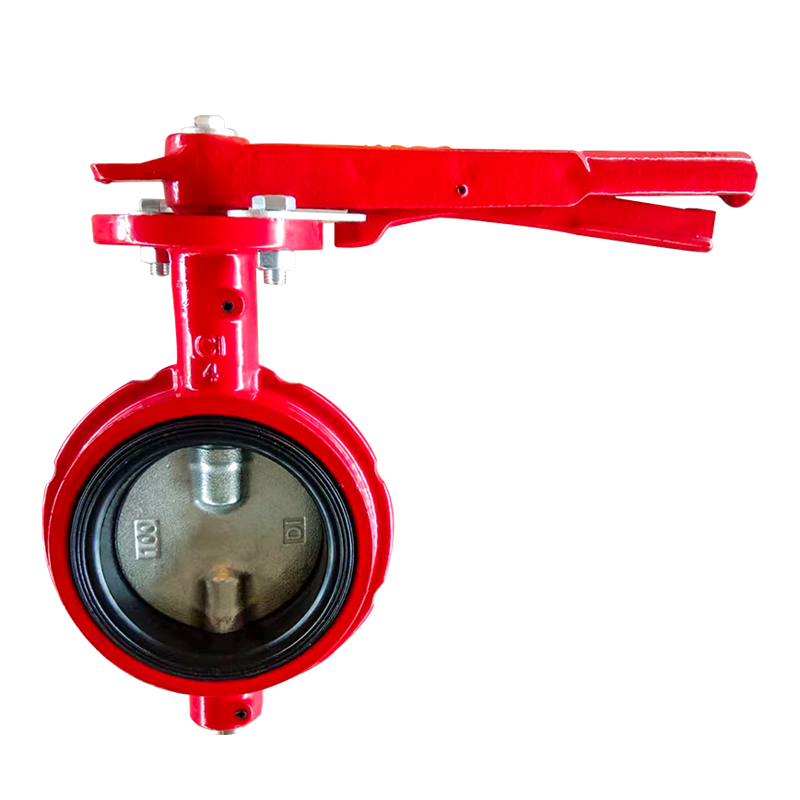
Figure 1: Detailed schematic of a wafer type butterfly valve, highlighting key components.
Manufacturing Process Flow: Ensuring Quality and Performance
The production of a high-quality red butterfly valve involves a meticulously controlled manufacturing process, beginning with material sourcing and culminating in rigorous testing. This multi-stage process ensures that each valve meets stringent industry standards for performance, durability, and safety.
Key Manufacturing Steps:
- Material Procurement & Inspection: High-grade raw materials, such as ductile iron for bodies and `stainless steel butterfly valve` components for discs and stems, are sourced from certified suppliers. Incoming materials undergo chemical composition analysis and mechanical property testing to ensure compliance with specifications (e.g., ASTM A536 for ductile iron).
-
Casting/Forging:
- Casting: Ductile iron bodies are typically produced via sand casting, a process optimized to minimize defects. Precision molds are used, followed by controlled cooling to achieve desired metallurgical structures.
- Forging: For critical components like stems or high-pressure applications, forging may be employed for superior strength and grain structure.
- CNC Machining: Cast or forged components are subjected to advanced CNC (Computer Numerical Control) machining. This ensures precise dimensions for critical surfaces like the disc profile, stem bore, and flange seating areas, guaranteeing tight tolerances and optimal sealing performance.
- Surface Treatment & Coating: For valves like the red butterfly valve, the body undergoes thorough cleaning, sandblasting, and then receives a fusion-bonded epoxy (FBE) coating. This robust coating, applied at a minimum thickness of 250 microns, provides exceptional corrosion resistance, UV stability, and a distinctive color, enhancing both durability and identification.
- Assembly: Components, including the coated body, disc, stem, and elastomer seat (e.g., EPDM, NBR, or PTFE for `ptfe seated butterfly valve`), are meticulously assembled in a clean environment. Gaskets, bearings, and sealing rings are incorporated to ensure smooth operation and leak integrity.
-
Testing & Quality Control:
- Hydrostatic Shell Test: Conducted at 1.5 times the nominal pressure to verify the structural integrity of the valve body (e.g., 24 bar for PN16 valves).
- Seat Leakage Test: Performed at 1.1 times the nominal pressure (e.g., 17.6 bar for PN16) and at low pressure (e.g., 6 bar air test) to ensure bubble-tight closure. Compliance with standards like ISO 5208 Rate A or API 598 is mandatory.
- Operational Torque Test: Measures the torque required to operate the valve, ensuring it falls within specified limits for manual or automated actuation.
- Visual Inspection: Final inspection for coating quality, marking, and overall finish.
- Packaging & Dispatch: Valves are carefully packaged to prevent damage during transit, complete with relevant documentation including material test reports, certification, and operating manuals.
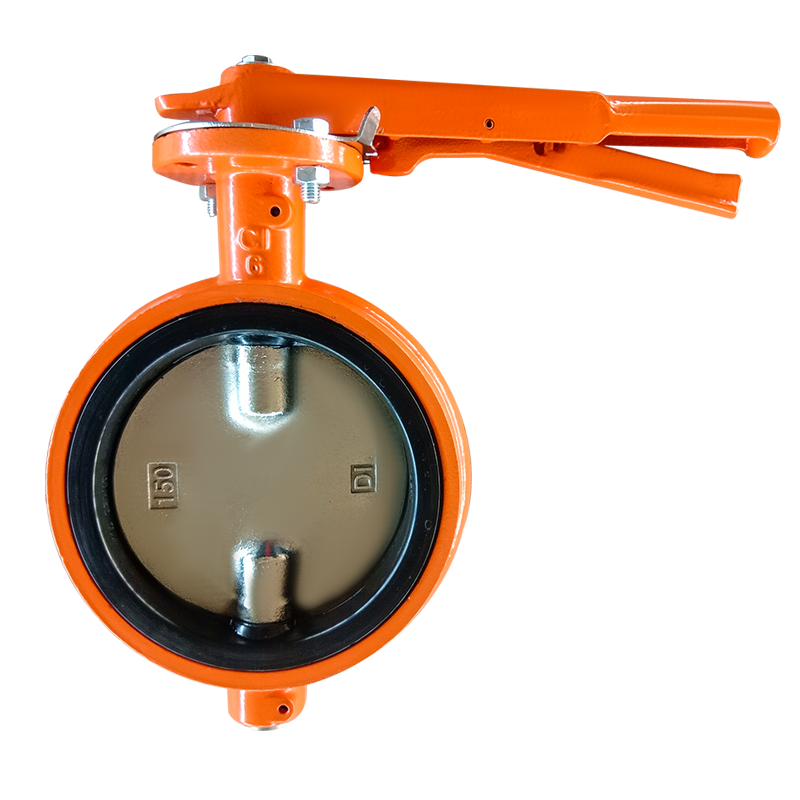
Figure 2: Production line for butterfly valves, emphasizing quality control checkpoints.
This rigorous process ensures a service life often exceeding 15-20 years under normal operating conditions, making the `ductile iron butterfly valve` a reliable long-term investment.
Technical Advantages and Performance Metrics
The engineering design and material selection for the red butterfly valve confer several distinct technical advantages, crucial for its widespread adoption in demanding B2B environments.
- Exceptional Corrosion Resistance: The fusion-bonded epoxy coating (often providing the distinctive red color) applied to the ductile iron body offers superior protection against corrosion from environmental factors and mildly aggressive media. For highly corrosive applications, a `stainless butterfly valve` or `aluminium bronze butterfly valve` with specialized disc materials provides even greater chemical resistance.
- Energy Efficiency (Low Pressure Drop): Butterfly valves are characterized by a relatively short face-to-face dimension and a streamlined disc profile when fully open. This design minimizes flow obstruction, resulting in a low pressure drop across the valve, which translates to reduced pumping energy requirements and significant energy saving over the system's operational lifetime.
- Tight Shut-off and Sealing Integrity: With options like `PTFE seated butterfly valve` or resilient EPDM/NBR seats, these valves provide bubble-tight shut-off. This is critical for preventing leakage, ensuring process purity, and maintaining system pressure, adhering to standards like API 598 zero leakage.
- Compact Design and Easy Installation: The wafer-type configuration allows the valve to be sandwiched between two pipeline flanges, significantly reducing installation space and weight compared to traditional gate or globe valves. This makes them ideal for systems where space is a premium.
- Versatile Actuation Options: From simple manual levers and gear operators to sophisticated electric and pneumatic actuators, the red butterfly valve offers flexibility in control. This adaptability facilitates integration into automated process control systems, enhancing operational efficiency and remote management capabilities.
- Reduced Maintenance: The simple, robust design with fewer moving parts than other valve types contributes to lower maintenance requirements and extended service intervals, reducing operational costs and downtime.
Application Scenarios Across Key Industries
The versatility and robust performance of the red butterfly valve make it indispensable across a multitude of industrial sectors. Its ability to handle various media and operating conditions ensures its widespread application.
- Water Supply & Drainage: Essential for municipal water treatment plants, pumping stations, and distribution networks. The `ductile iron butterfly valve` with FBE coating provides excellent resistance to potable water and wastewater, ensuring long-term reliability in critical infrastructure.
- HVAC Systems: Utilized in heating, ventilation, and air conditioning systems for controlling water flow in cooling towers, chillers, and boiler feeds. Their compact size and ease of automation are significant advantages.
- Chemical and Petrochemical Industries: In these sectors, material compatibility is paramount. `Stainless steel butterfly valve` or `PTFE seated butterfly valve` options are frequently employed for handling corrosive chemicals, acids, and hydrocarbons, ensuring safety and preventing media contamination.
- Food & Beverage Processing: High-purity applications demand `stainless butterfly valve` constructions with polished discs and sanitary connections. These valves are used for controlling flow of water, syrups, and other food-grade liquids, meeting strict hygiene standards.
- Mining and Metallurgy: For abrasive slurries and high-temperature processes, specially lined or hardened `ductile iron butterfly valve` variants, or those with wear-resistant disc materials, are deployed to withstand harsh operational conditions.
- Power Generation: Used in cooling water systems, intake lines, and auxiliary services in thermal, nuclear, and hydroelectric power plants, where reliable flow isolation is critical for operational safety and efficiency.
Vendor Comparison and Selection Criteria
Choosing the right supplier for a red butterfly valve involves more than just price comparison. B2B decision-makers must evaluate vendors based on product quality, certifications, customization capabilities, and after-sales support.
| Feature/Criterion | Premium Vendor (e.g., Hongda Valve) | Standard Vendor | Budget Vendor |
|---|---|---|---|
| Quality Certifications | ISO 9001, CE, WRAS, ACS, API 609, SIL | ISO 9001, CE | Basic ISO 9001 |
| Material Traceability | Full MTRs (Material Test Reports) for all components | Limited MTRs for critical parts | Generic material statements |
| Customization Options | Extensive (material, coating, actuation, pressure/temp ratings) | Moderate (standard material variations, basic actuation) | Minimal (off-the-shelf) |
| Testing & QA Protocols | 100% Hydrostatic, Seat, and Torque Testing per ISO/API | Batch testing, visual checks | Minimal functional checks |
| Lead Time Flexibility | Optimized for standard items, expedited options for custom orders | Standard lead times only | Longer, less predictable lead times |
| Warranty & Support | Comprehensive multi-year warranty, dedicated technical support | Standard 1-year warranty, limited support | Minimal warranty, basic support |
| Market Reputation | Decades of experience, global client base, strong testimonials | Regional presence, some established clients | Newer entrant, price-focused |
Customized Solutions and Project Engineering
While standard red butterfly valve models cater to many needs, complex industrial processes often demand tailored solutions. A reputable manufacturer offers extensive customization capabilities, ensuring the valve integrates seamlessly and performs optimally in unique operating environments.
Customization options extend beyond basic material changes to include specific face-to-face dimensions, specialized coatings (e.g., for aggressive chemicals or high abrasion), bespoke actuation packages (including intelligent controls for remote monitoring), and integration with specific SCADA or DCS systems. For example, a client requiring a valve for seawater desalination might opt for an `aluminium bronze butterfly valve` with a dual-offset design for enhanced sealing and corrosion resistance. Similarly, high-purity pharmaceutical applications necessitate `stainless butterfly valve` construction with ultra-smooth internal finishes to prevent bacterial growth and comply with FDA regulations. Partnering with a vendor offering experienced engineering support ensures that these critical modifications are designed, validated, and manufactured to exact specifications.
Application Case Studies
Case Study 1: Municipal Water Treatment Plant Upgrade
A major metropolitan water treatment facility in North America sought to replace aging gate valves with more efficient, lower-maintenance alternatives in their raw water intake and filtered water distribution lines. After a thorough evaluation, they selected over 300 units of a ductile iron red butterfly valve (Short Neck Wafer Type, Model 15) with EPDM seats. The decision was driven by the valve's high flow coefficient (Cv), minimal pressure drop, and superior corrosion resistance provided by the FBE coating. The compact wafer design allowed for easier installation in congested areas, while the quarter-turn operation significantly reduced actuation time. Post-installation data showed a 12% reduction in pumping energy consumption and a marked decrease in valve-related maintenance, validating the facility's investment. This project demonstrated the significant energy saving and operational efficiency gains achievable with modern butterfly valves.
Case Study 2: Chemical Plant Effluent Treatment
A European chemical manufacturing plant faced persistent issues with valve degradation in its aggressive wastewater treatment system. Traditional cast iron valves were failing prematurely due to chemical attack and abrasive solids. The plant implemented `stainless steel butterfly valve` units with PTFE seats (a `ptfe seated butterfly valve` configuration), specifically for regulating the flow of acidic effluent. The CF8M (316 stainless steel) disc and stem, coupled with the chemically inert PTFE seat, provided unparalleled resistance to the corrosive media. Despite a higher initial investment compared to standard options, the `stainless butterfly valve` solution resulted in a dramatic extension of valve service life (from 6 months to over 5 years), significantly reducing replacement costs, downtime, and environmental risks associated with leakage.
Trustworthiness & Customer Support
Frequently Asked Questions (FAQ)
A1: The red epoxy coating, typically Fusion Bonded Epoxy (FBE), provides excellent corrosion resistance, abrasion resistance, and UV protection, extending the valve's service life, especially in outdoor or demanding industrial environments. It also aids in quick visual identification.
A2: Yes, butterfly valves are suitable for both on-off and throttling services. However, for precise throttling or extended use in a partially open position, specific disc designs and robust actuation systems are recommended to minimize seat wear and cavitation.
A3: Seat material selection depends on the fluid media, temperature, and pressure. EPDM is excellent for water and many non-petroleum-based chemicals, NBR for hydrocarbons and oils, and PTFE (or reinforced PTFE) is ideal for highly corrosive chemicals and higher temperatures due to its chemical inertness and wider temperature range.
A4: Yes, certain configurations, particularly those with WRAS (Water Regulations Advisory Scheme) or ACS (Attestation de Conformité Sanitaire) certifications, are specifically designed and tested for use in potable water systems, ensuring material safety and non-contamination.
Lead Time & Fulfillment
We understand the critical nature of project timelines. Our standard lead time for common configurations of the red butterfly valve (Short Neck Wafer Type Model 15) ranges from 2-4 weeks, depending on order volume and specific requirements. For urgent projects or large-scale customized orders, we offer expedited manufacturing and shipping options, coordinated directly with our logistics team. Our robust inventory management and efficient production processes are designed to meet stringent delivery schedules, minimizing project delays.
Warranty & After-Sales Support
All our valves, including the Short Neck Wafer Type Model 15, come with a comprehensive 18-month warranty from the date of shipment or 12 months from installation, whichever comes first, covering manufacturing defects and material failures. Our commitment extends beyond the sale with dedicated after-sales support, including technical assistance, troubleshooting, spare parts availability, and maintenance guidance. Our team of experienced engineers is available to provide expert advice, ensuring optimal performance and longevity of your valve installations.
Conclusion
The red butterfly valve, particularly the Short Neck Wafer Type Model 15, represents a pinnacle of efficient and reliable flow control technology for diverse B2B applications. Its robust design, advanced material options, stringent manufacturing processes, and comprehensive testing ensure exceptional performance and an extended service life. By understanding the intricate technical specifications, process advantages, and customization potential, industrial decision-makers can confidently select and implement these valves to achieve optimal operational efficiency, enhance system integrity, and realize significant long-term cost savings.
References
- ISO 5208: Industrial valves — Pressure testing of metallic valves. International Organization for Standardization.
- API Standard 598: Valve Inspection and Testing. American Petroleum Institute.
- EN 593: Industrial valves — Metallic butterfly valves. European Committee for Standardization.
- ASM Handbook, Volume 1: Properties and Selection: Irons, Steels, and High-Performance Alloys. ASM International.
- Water Research Centre (WRc) - Engineering and Operations Manual.
-
Comprehensive Guide to Wholesale 3 Butterfly Valve Price and Supplier Selection
NewsJan.28,2026
-
Comprehensive Guide to Wholesale Water Main Check Valve Selection and Application
NewsJan.27,2026
-
Wholesale 6 Lug Butterfly Valve – Durable & Cost-Effective Solutions for Industrial Applications
NewsJan.06,2026
-
Wholesale Composeal Butterfly Valve - Reliable Industrial Sealing Solutions
NewsJan.06,2026
-
Wholesale Marine Check Valve | Durable & Certified Marine Valves
NewsJan.06,2026
-
Wholesale Butterfly Valve Gas – B2B Solutions for Efficient Gas Flow Control | Hongda Valve
NewsJan.05,2026
 Afrikaans
 Albanian
 Amharic
 Arabic
 Armenian
 Azerbaijani
 Basque
 Belarusian
 Bengali
 Bosnian
 Bulgarian
 Catalan
 Cebuano
 Corsican
 Croatian
 Czech
Czech
 Danish
 Dutch
Dutch
 Esperanto
 Estonian
 Finnish
 French
 Frisian
 Galician
 Georgian
 German
 Greek
Greek
 Gujarati
 Haitian Creole
 Hausa
Hausa
 Hawaiian
 Hebrew
 Hindi
Hindi
 Miao
Miao
 Hungarian
 Icelandic
 Igbo
Igbo
 Indonesian
 Irish
Irish
 Italian
 Japanese
 Javanese
 Kannada
 Kazakh
 Khmer
Khmer
 Rwandese
 Korean
 Kurdish
 Kyrgyz
 Lao
Lao
 Latin
Latin
 Latvian
 Lithuanian
 Luxembourgish
 Macedonian
 Malgashi
 Malay
Malay
 Malayalam
 Maltese
 Maori
Maori
 Marathi
 Mongolian
 Myanmar
 Nepali
 Norwegian
 Norwegian
 Occitan
 Pashto
 Persian
 Polish
 Portuguese
 Punjabi
 Romanian
 Russian
 Samoan
 Scottish Gaelic
 Serbian
 Sesotho
 Shona
Shona
 Sindhi
 Sinhala
 Slovak
 Slovenian
 Somali
 Spanish
 Sundanese
 Swahili
 Swedish
 Tagalog
 Tajik
Tajik
 Tamil
Tamil
 Tatar
Tatar
 Telugu
 Thai
Thai
 Turkish
 Turkmen
 Ukrainian
 Urdu
Urdu
 Uighur
 Uzbek
Uzbek
 Vietnamese
 Welsh
Welsh
 Bantu
Bantu
 Yiddish
 Yoruba
 Zulu
Zulu
 English