- Call Us
- +8618633052223
- njhdvlz@163.com
Look, I’ve been crawling around construction sites for fifteen years, covered in dust more often than not. And lately? Everyone's obsessed with, well, smarter valves. Not just the basic on-off stuff, but valves that think a little. They want flow control, pressure monitoring, remote operation...the whole shebang. Seems like every other engineer is talking about Industry 4.0, digital twins, you name it. To be honest, it’s a bit much sometimes. But the demand is real, especially for wholesale butterfly valve function. The big push is to make everything more efficient, reduce waste, and, of course, save a buck.
What people don’t always realize is how easily things can go wrong in the design phase. It’s not just about the fancy software. It's the little things. Like, I've seen so many designs where the actuator mounting isn’t properly accounted for. You get vibration, misalignment, and suddenly your “smart” valve is stuck open or closed. Or worse, oscillating wildly. It's frustrating. We spent three weeks fixing that mess at a petrochemical plant in Ningbo last year.
And don’t even get me started on materials. Everyone wants stainless steel, naturally. But there are grades of stainless steel, you know? 304 is fine for a lot of stuff, but if you’re dealing with corrosive chemicals, you need 316. Have you noticed how different they smell when you’re welding them? 316 has a slightly sweeter smell...or maybe I’m just imagining things after years of fumes. Anyway, I think proper material selection is 80% of the battle.
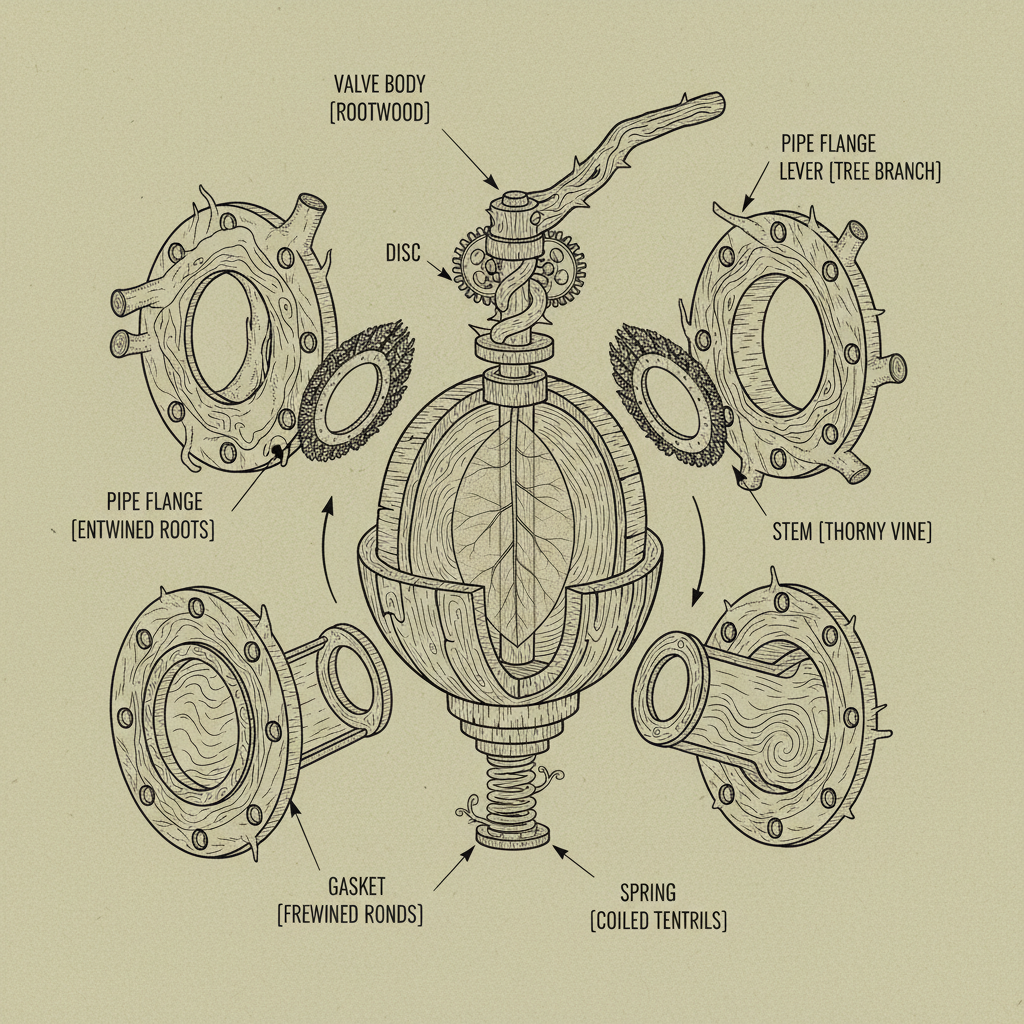

It's not just about saving money, though that's a big driver. It’s about safety, too. Remote monitoring means you can spot a potential issue before it becomes a disaster. I encountered this at a water treatment plant last time – they were losing pressure overnight, and nobody knew why. Turns out a valve was slowly failing. Without the remote monitoring, it could have led to a major water outage.
This push for wholesale butterfly valve function is driven heavily by regulations, too. Especially in Europe and North America. They're clamping down on emissions and waste, and these smart valves help companies stay compliant. It's a pain for everyone involved, honestly, but it's the way things are going.
From my experience, the biggest culprits are improper installation—misalignment is a killer—and abrasive fluids wearing down the disc and seat. Cavitation is another big one, especially in liquid applications. And, of course, forgetting about routine maintenance. A little grease goes a long way.
You need to know your flow rate, the fluid properties, and the pressure drop you can tolerate. There are formulas, but honestly, a good rule of thumb is to consult with a valve specialist. They can run simulations and recommend the right size and material. Don't guess—it'll cost you more in the long run.
Concentric valves have a symmetrical design, while eccentric valves have an offset disc. Eccentric valves are better for handling slurries and fluids with solids because they reduce the build-up of deposits on the disc. Concentric valves are generally less expensive and easier to maintain.
They can be, but it depends on the design and materials. Metal-seated butterfly valves are generally better for high-pressure applications than rubber-seated valves. You need to carefully consider the pressure rating and ensure it’s adequate for the system. Don't push it; a valve blowout is a bad day.
Regular inspection is key. Check for leaks, corrosion, and wear on the disc and seat. Lubricate the stem and actuator periodically. If it’s a pneumatic actuator, check the air supply and filters. And keep a log of all maintenance activities.
Absolutely, but you need to select the right materials. Stainless steel, PTFE, and other corrosion-resistant materials are essential. Consider the specific chemical compatibility and consult a materials specialist if you’re unsure. Don't just assume something will hold up.
Ultimately, we’ve talked about materials, design, testing, and what people actually do with these valves. It all boils down to building something that’s reliable, durable, and easy to use. Forget about all the fancy features if it can't handle the basics. This whole digital valve thing is great, but it’s still just a valve at the end of the day.
So, if you're designing or selecting wholesale butterfly valve function, remember to keep it simple, choose the right materials, and always, always think about the guy who’s going to be wrenching on it in the middle of the night. Ultimately, whether this thing works or not, the worker will know the moment he tightens the screw.

 Afrikaans
 Albanian
 Amharic
 Arabic
 Armenian
 Azerbaijani
 Basque
 Belarusian
 Bengali
 Bosnian
 Bulgarian
 Catalan
 Cebuano
 Corsican
 Croatian
 Czech
Czech
 Danish
 Dutch
Dutch
 Esperanto
 Estonian
 Finnish
 French
 Frisian
 Galician
 Georgian
 German
 Greek
Greek
 Gujarati
 Haitian Creole
 Hausa
Hausa
 Hawaiian
 Hebrew
 Hindi
Hindi
 Miao
Miao
 Hungarian
 Icelandic
 Igbo
Igbo
 Indonesian
 Irish
Irish
 Italian
 Japanese
 Javanese
 Kannada
 Kazakh
 Khmer
Khmer
 Rwandese
 Korean
 Kurdish
 Kyrgyz
 Lao
Lao
 Latin
Latin
 Latvian
 Lithuanian
 Luxembourgish
 Macedonian
 Malgashi
 Malay
Malay
 Malayalam
 Maltese
 Maori
Maori
 Marathi
 Mongolian
 Myanmar
 Nepali
 Norwegian
 Norwegian
 Occitan
 Pashto
 Persian
 Polish
 Portuguese
 Punjabi
 Romanian
 Russian
 Samoan
 Scottish Gaelic
 Serbian
 Sesotho
 Shona
Shona
 Sindhi
 Sinhala
 Slovak
 Slovenian
 Somali
 Spanish
 Sundanese
 Swahili
 Swedish
 Tagalog
 Tajik
Tajik
 Tamil
Tamil
 Tatar
Tatar
 Telugu
 Thai
Thai
 Turkish
 Turkmen
 Ukrainian
 Urdu
Urdu
 Uighur
 Uzbek
Uzbek
 Vietnamese
 Welsh
Welsh
 Bantu
Bantu
 Yiddish
 Yoruba
 Zulu
Zulu
 English