- Call Us
- +8618633052223
- njhdvlz@163.com
Navigating the complexities of industrial procurement often leads engineers and purchasing managers to a critical focal point: the wholesale 150mm butterfly valve price. In the realm of fluid control, the 150mm (6-inch) specification is a versatile standard used across municipal water systems, chemical processing, and HVAC installations. Understanding the pricing dynamics of these components is not merely about finding the lowest number, but about balancing material longevity with initial capital expenditure.
Globally, the demand for efficient flow control has surged as infrastructure projects in developing regions expand and existing industrial plants in developed nations undergo modernization. The wholesale 150mm butterfly valve price is influenced by fluctuating raw material costs, such as stainless steel and ductile iron, as well as the rigorous certifications required by ISO and ASME standards. For companies managing large-scale projects, a slight variance in wholesale pricing can result in significant budget shifts across thousands of units.
The challenge lies in avoiding the "cheap valve trap," where a low initial wholesale price masks poor sealing performance or premature disc failure. By analyzing the factors that drive the wholesale 150mm butterfly valve price, procurement specialists can make informed decisions that ensure operational safety while optimizing their bottom line. This guide explores the technical and commercial drivers that determine the true value of these essential industrial components.
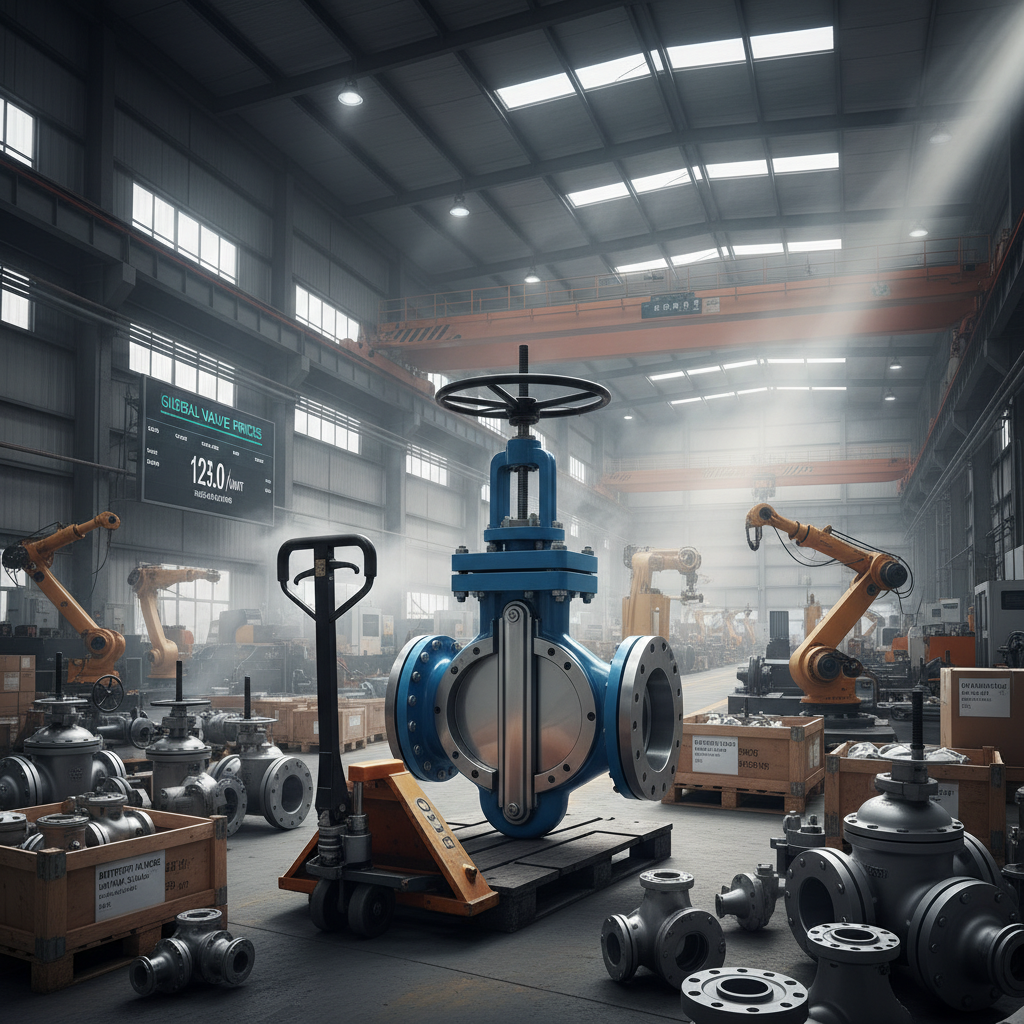
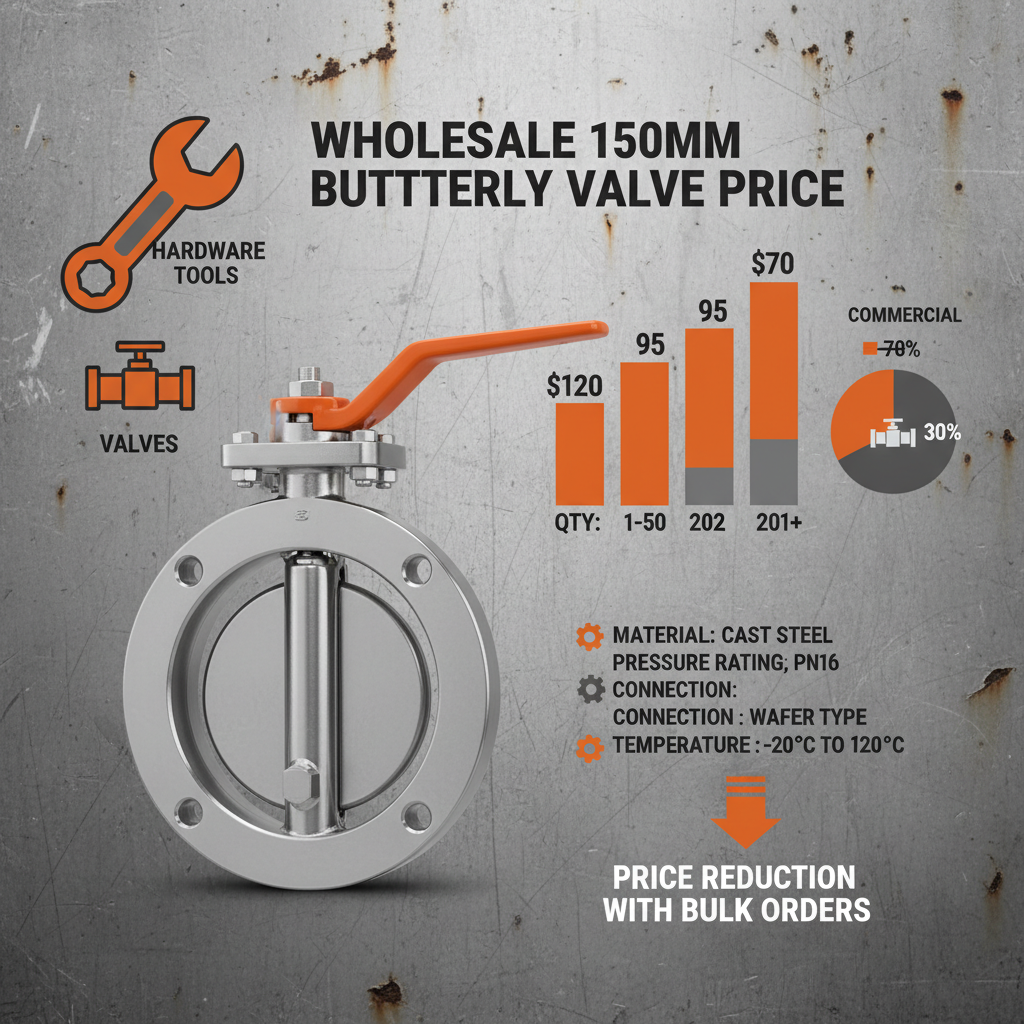
The global market for flow control is currently experiencing a shift toward high-efficiency, low-maintenance components. When examining the wholesale 150mm butterfly valve price, it is evident that manufacturing hubs in Asia and Europe are competing not just on cost, but on the integration of precision engineering. The move toward standardized 150mm sizing allows for seamless replacement across different brands, which in turn stabilizes wholesale pricing by increasing market liquidity.
Furthermore, international trade policies and tariffs continue to play a pivotal role in how the wholesale 150mm butterfly valve price is quoted. Procurement teams must account for logistics, customs duties, and quality assurance inspections. By sourcing directly from manufacturers who adhere to ISO 9001 standards, buyers can mitigate the risks of counterfeit materials while securing a more competitive wholesale rate through bulk volume agreements.
The primary drivers include the material of construction (e.g., ductile iron vs. stainless steel), the type of seat (EPDM, PTFE, or metal), and the actuation method (manual, pneumatic, or electric). Additionally, bulk order volume and required certifications (API, ISO) significantly affect the final wholesale quote.
Not necessarily, but it requires scrutiny. A lower wholesale 150mm butterfly valve price could be the result of manufacturing efficiencies or the use of standard materials for non-critical applications. However, if the price is significantly below market average for high-spec materials, it may indicate inferior casting or low-grade seals.
Lug type valves are generally more expensive because they feature threaded bolt holes in the body, allowing them to be used for end-of-line service. Wafer valves are simpler in design and are clamped between flanges, which typically results in a lower wholesale price and a lighter overall weight.
Yes, most manufacturers offer tiered pricing. By increasing the order volume, you reduce the per-unit cost of setup, machining, and administration. Bulk orders often allow you to negotiate better terms on shipping and quality inspection fees, lowering the overall landed cost.
Ductile iron with an EPDM seat typically provides the best balance of cost and performance for water systems. It offers the necessary strength and corrosion resistance for municipal use while keeping the wholesale 150mm butterfly valve price economical compared to stainless steel options.
This depends on the medium and cycle frequency. However, implementing a predictive maintenance schedule is better than scheduled replacement. By investing in higher-quality valves initially, you extend the replacement cycle from 5 years to 10 or 15 years, effectively lowering the amortized cost of the valve.
Determining the right wholesale 150mm butterfly valve price is a strategic exercise in balancing immediate budget constraints with the long-term operational integrity of a fluid system. From the critical choice of materials like ductile iron or stainless steel to the selection of Lug or Wafer designs, every technical specification contributes to the final cost and, more importantly, the valve's lifespan. By focusing on the Total Cost of Ownership rather than just the initial sticker price, companies can avoid the hidden costs of downtime and premature failure.
As the industry moves toward smarter, more sustainable flow control solutions, the value proposition of the 150mm butterfly valve will continue to evolve. We recommend that procurement officers partner with manufacturers who prioritize transparency in their pricing and quality assurance. For those seeking a reliable balance of performance and cost, exploring high-standard series like the F101 or F235 is a prudent first step toward system optimization. Visit our website for professional consultations and competitive quotes: www.hongdavalve.com

 Afrikaans
 Albanian
 Amharic
 Arabic
 Armenian
 Azerbaijani
 Basque
 Belarusian
 Bengali
 Bosnian
 Bulgarian
 Catalan
 Cebuano
 Corsican
 Croatian
 Czech
Czech
 Danish
 Dutch
Dutch
 Esperanto
 Estonian
 Finnish
 French
 Frisian
 Galician
 Georgian
 German
 Greek
Greek
 Gujarati
 Haitian Creole
 Hausa
Hausa
 Hawaiian
 Hebrew
 Hindi
Hindi
 Miao
Miao
 Hungarian
 Icelandic
 Igbo
Igbo
 Indonesian
 Irish
Irish
 Italian
 Japanese
 Javanese
 Kannada
 Kazakh
 Khmer
Khmer
 Rwandese
 Korean
 Kurdish
 Kyrgyz
 Lao
Lao
 Latin
Latin
 Latvian
 Lithuanian
 Luxembourgish
 Macedonian
 Malgashi
 Malay
Malay
 Malayalam
 Maltese
 Maori
Maori
 Marathi
 Mongolian
 Myanmar
 Nepali
 Norwegian
 Norwegian
 Occitan
 Pashto
 Persian
 Polish
 Portuguese
 Punjabi
 Romanian
 Russian
 Samoan
 Scottish Gaelic
 Serbian
 Sesotho
 Shona
Shona
 Sindhi
 Sinhala
 Slovak
 Slovenian
 Somali
 Spanish
 Sundanese
 Swahili
 Swedish
 Tagalog
 Tajik
Tajik
 Tamil
Tamil
 Tatar
Tatar
 Telugu
 Thai
Thai
 Turkish
 Turkmen
 Ukrainian
 Urdu
Urdu
 Uighur
 Uzbek
Uzbek
 Vietnamese
 Welsh
Welsh
 Bantu
Bantu
 Yiddish
 Yoruba
 Zulu
Zulu
 English