
Industrial Horizontal Swing Check Valve Solutions for Venezuela's Oil & Gas Sector

Engineered for high-pressure durability and precise flow control in the demanding industrial landscapes of South America.

Industrial Horizontal Swing Check Valve Solutions for Venezuela's Oil & Gas Sector

Providing high-performance flow prevention and reliability for Venezuela's complex fluid transport systems, specializing in heavy-duty industrial check valves.

The Landscape of Valve Manufacturing in Venezuela

Navigating the technical challenges of the Venezuelan industrial infrastructure.

Venezuela's industrial sector, heavily centered around the Orinoco Belt and Lake Maracaibo, demands equipment that can withstand extreme salinity and high-pressure fluctuations. The deployment of a horizontal check valve is critical in these regions to prevent backflow in crude oil pipelines, where sudden pressure surges can cause catastrophic failure of legacy systems.

Current infrastructure often faces a conflict between aging Soviet-era equipment and modern Western standards. This gap creates a high demand for versatile components like the hose check valve for temporary transfer stations and auxiliary pumping units used in remote oil fields where permanent piping is not yet established.

Moreover, the humid tropical climate of Venezuela accelerates corrosion. Consequently, the industry is shifting toward high-grade alloys and reinforced seals in hose bib check valve designs to ensure long-term operational integrity in water treatment and cooling systems across the manufacturing hubs of Valencia and Maracay.
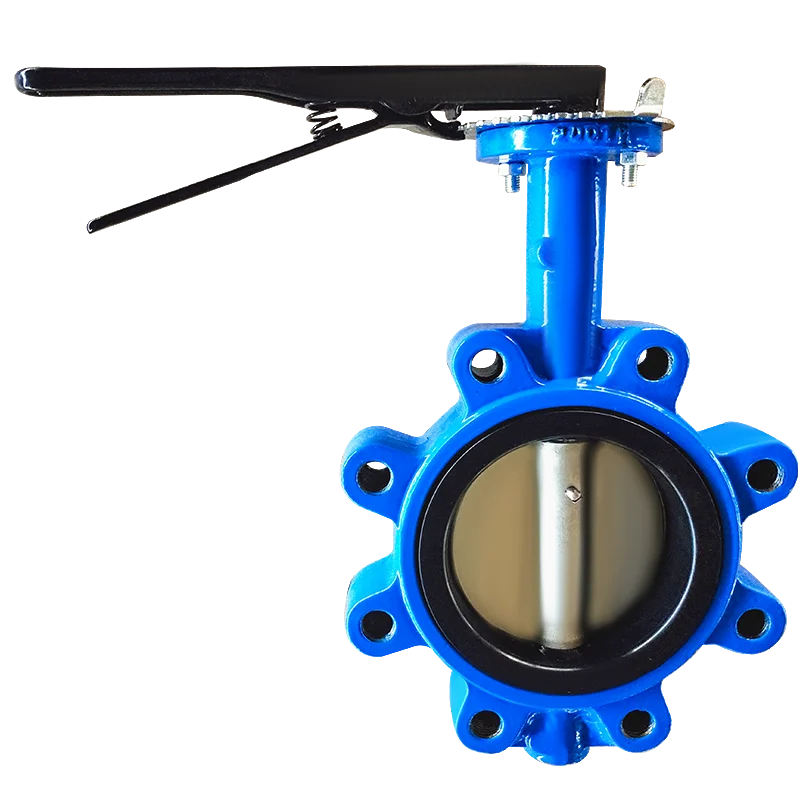
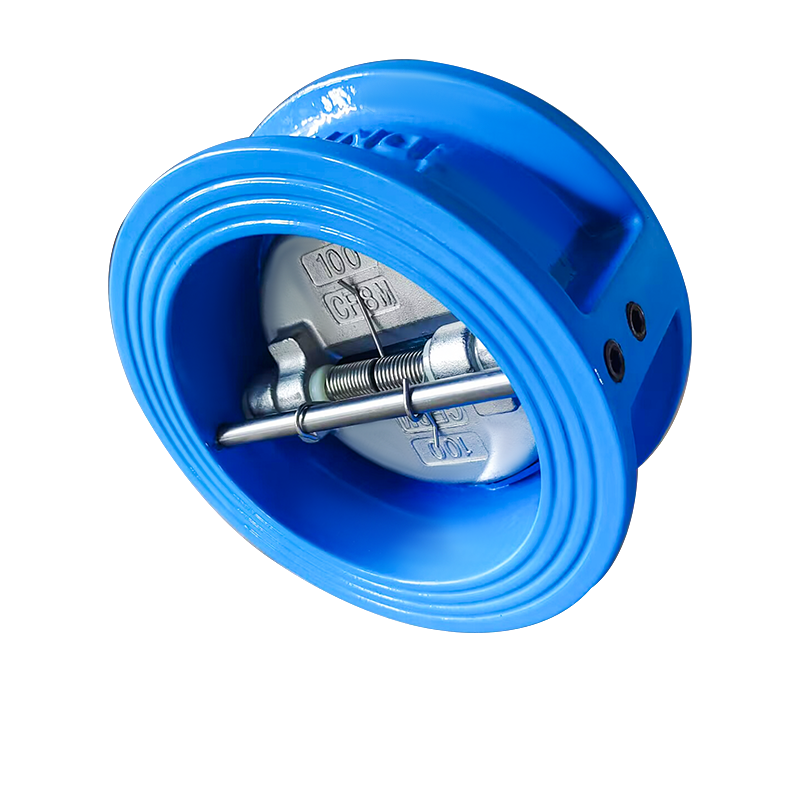
Technical Evolution of Fluid Control in South America

From mechanical simplicity to high-precision engineering trajectories.

Market Development History

In the 1970s and 80s, the Venezuelan market relied primarily on heavy cast-iron valves with basic seating, where the horizontal lift check valve was the standard for vertical-to-horizontal transitions in refinery piping due to its robust closure mechanism.

By the early 2000s, there was a significant shift toward precision machining. The introduction of CNC-milled components allowed for tighter tolerances in swing-type mechanisms, reducing leakage rates and improving the efficiency of energy transport across the Andean foothills.

From 2015 to the present, the focus has evolved toward "Smart Maintenance." Modern valve installations now prioritize modularity and ease of access, allowing for rapid replacement of internal discs without decommissioning entire pipeline segments.

Future Development Trends

Advanced Material Integration

Expect a surge in duplex stainless steels and PTFE coatings to combat the aggressive chemical compositions of Venezuelan heavy crude oil.

Digital Flow Monitoring

Integration of IoT sensors within valve bodies to provide real-time data on backflow incidents and wear patterns.

Zero-Leakage Standards

A transition toward bubble-tight shut-off technologies to meet stricter environmental regulations regarding hydrocarbon leaks in the Orinoco region.

Industry Trends & Future Outlook

Strategic forecasting for the valve and cock manufacturing sector.

Corrosion Resistance
Shift towards super-alloys to handle the high sulfur content of Venezuelan crude.
Automation Integration
Increased demand for actuated check valves to reduce manual intervention in hazardous zones.
Modular Scaling
Development of interchangeable valve components for faster field repairs and lower downtime.
Eco-Efficiency
Reducing pressure drops across valves to lower the energy consumption of pumping stations.

Industry Outlook

The next 3-5 years will see a convergence of traditional valve manufacturing and digital twin technology. Google search trends indicate an increasing interest in "low-maintenance fluid control" within South America, suggesting that operators are prioritizing long-term reliability over initial capital expenditure.

As Venezuela seeks to revitalize its energy exports, the demand for high-specification check valves that meet API and ASME standards will grow, creating a significant opportunity for manufacturers who can provide certified, durable components.

Localized Applications in Venezuela

Real-world deployment of check valve technology across diverse Venezuelan industries.

01. Crude Oil Pipeline Backflow Prevention

Utilization of heavy-duty swing check valves in the Orinoco Belt to ensure unidirectional flow of viscous oils, preventing contamination and pipe bursts.

02. Offshore Platform Water Systems

Deployment of corrosion-resistant check valves on Lake Maracaibo drilling rigs to manage seawater intake and prevent saltwater intrusion into freshwater lines.

03. Industrial Cooling in Manufacturing Hubs

Installation of precise check valves in the cooling loops of Valencia's automotive and textile plants to maintain constant thermal regulation.

04. Auxiliary Pumping for Remote Exploration

Use of flexible hose-based check systems for temporary fluid transfer during the exploration phase of new oil wells in jungle regions.

05. Municipal Water Infrastructure

Integration of high-reliability check valves in Caracas's water distribution network to prevent siphoning and maintain pressure in elevated reservoirs.

Brand Story

Global Development Journey of Ningjin County Hongda Valve Co., Ltd.

Foundational Excellence

Established with a commitment to precision, we began by solving the most basic sealing leaks in local industrial machinery.

Technological Breakthrough

Invested in advanced CNC machining and metallurgical research to develop valves capable of withstanding extreme pressures.

Global Market Entry

Expanded our footprint into South America, tailoring our product line to meet the unique geological needs of oil-producing nations.

Standardization Leadership

Achieved international certifications, ensuring every valve produced meets the highest global safety and performance benchmarks.

Future-Proof Engineering

Now leading the way in intelligent fluid control, focusing on sustainability and zero-leakage technology for the next generation.

Comprehensive Valve Portfolio for the Venezuelan Market

A curated selection of check valves designed for durability, pressure resistance, and corrosive environments.

Common Questions for Venezuelan Industrial Operators

Technical guidance and procurement support for fluid control components.

Which horizontal check valve is best for high-viscosity crude oil?

For viscous fluids, we recommend the swing-type mechanism as it offers lower resistance to flow and is less prone to clogging compared to lift-type designs.

How does a hose bib check valve prevent contamination in water lines?

It ensures that water flows in only one direction, preventing stagnant water or external contaminants from being siphoned back into the main supply line.

What is the lifespan of a hose check valve in saline environments?

When manufactured with 316L stainless steel or specialized coatings, these valves can operate for several years without significant degradation in coastal regions.

Can a horizontal lift check valve be installed in a vertical line?

While possible, lift check valves are specifically optimized for their designed orientation; installing them incorrectly may lead to incomplete sealing and leakage.

How often should industrial check valves be inspected in Venezuela?

Due to the corrosive nature of the local industry, we recommend quarterly visual inspections and annual internal seal audits.

Do your valves comply with international API standards?

Yes, all our high-pressure industrial valves are designed and tested according to API and ASME standards to ensure global compatibility.

Ready to Optimize Your Fluid Control?

Our engineers are ready to provide tailored valve solutions for your projects in Venezuela.

Contact Us Now

If you are interested in our products, you can choose to leave your information here, and we will be in touch with you shortly.