- Call Us
- +8618633052223
- njhdvlz@163.com
Wholesale aseptic split butterfly valves are critical components in a variety of industries where maintaining sterile processes is paramount. These valves, designed for sanitary applications, are essential for ensuring product integrity and preventing contamination in sectors like pharmaceuticals, biotechnology, food and beverage processing, and water treatment. The global demand for these valves is steadily increasing, driven by stricter regulatory standards and a growing focus on product safety and quality. Understanding the nuances of wholesale aseptic split butterfly valve selection, installation, and maintenance is, therefore, becoming increasingly vital for businesses operating in these sensitive industries.
The increasing globalization of supply chains and the rise of biopharmaceutical manufacturing have further amplified the need for reliable and efficient aseptic valves. The ability to source high-quality wholesale aseptic split butterfly valves directly from manufacturers like wholesale aseptic split butterfly valve is a significant advantage for companies looking to reduce costs and ensure consistent product quality. Furthermore, advancements in materials and designs are leading to valves with improved performance characteristics, such as lower leakage rates and enhanced cleanability.
Ultimately, the effective implementation of wholesale aseptic split butterfly valve technology contributes to public health, economic stability, and innovation within key industrial sectors. Choosing the right valve configuration and ensuring proper validation and documentation are essential steps toward achieving optimal process control and regulatory compliance.


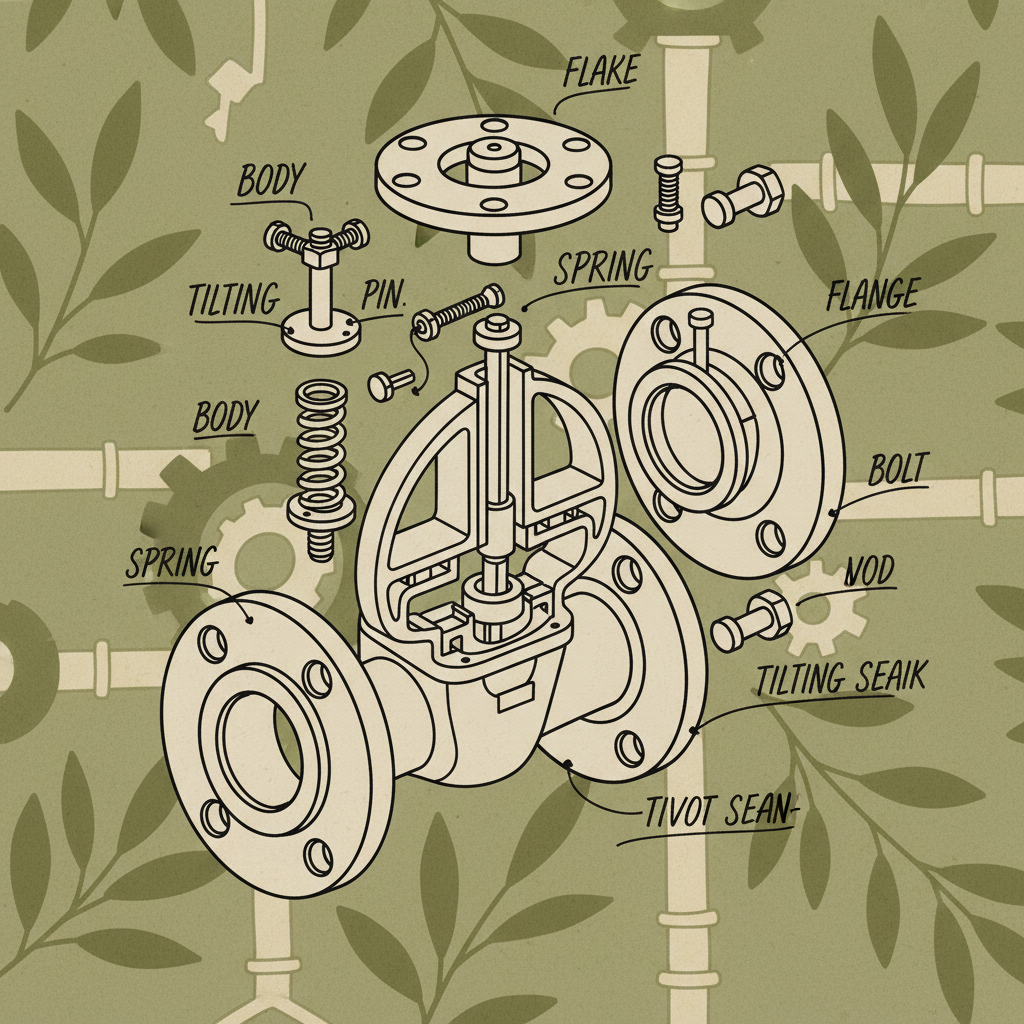
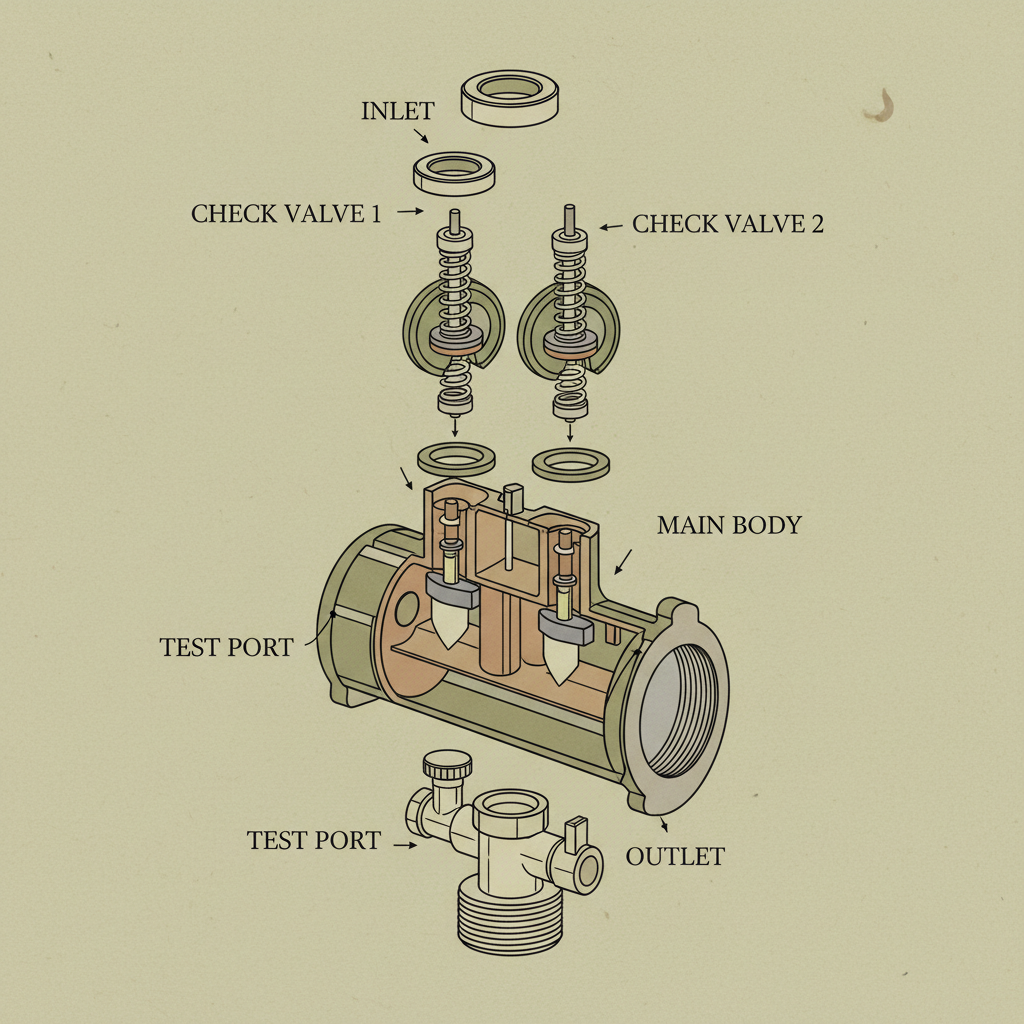
A wholesale aseptic split butterfly valve represents a crucial advancement in fluid handling technology, particularly in industries demanding stringent sanitary conditions. These valves are meticulously engineered to minimize the risk of contamination during fluid transfer, employing a split butterfly design that allows for thorough cleaning and sterilization. The term "wholesale" signifies the accessibility of these valves in bulk quantities, catering to the needs of large-scale production facilities.
Their design is based on established butterfly valve principles, but incorporates features like electro-polished surfaces, sanitary connections (such as Tri-Clamp), and often, a PTFE seat to ensure leak-tight closure and compatibility with a wide range of media. This makes them a preferred choice over traditional valve types in applications where maintaining product purity and adhering to rigorous hygiene standards are paramount.
With regular inspection, cleaning, and adherence to manufacturer recommendations, a wholesale aseptic split butterfly valve can typically last 10-15 years, or even longer, depending on the application and frequency of use. Proper maintenance, including timely replacement of seals and gaskets, is crucial for maximizing lifespan and preventing failures.
Valve size selection should be based on the required flow rate, pressure drop, and fluid viscosity. It’s important to ensure the valve’s internal diameter is sufficient to handle the maximum flow rate without excessive pressure loss. Consulting with a valve specialist is recommended to determine the optimal size for your specific application.
The frequency of CIP and SIP procedures depends on the process requirements and the risk of contamination. Generally, CIP should be performed after each batch or production run, while SIP should be conducted at the beginning and end of each campaign. Validation protocols should define the specific procedures and frequencies for your application.
Look for valves that comply with relevant industry standards, such as 3-A Sanitary Standards, EHEDG guidelines, and FDA regulations. Certification to ISO 9001 indicates that the manufacturer has a robust quality management system in place. Material certificates confirming 316L stainless steel are essential.
Aseptic valves should be stored in a clean, dry environment, protected from dust and moisture. Keep them sealed in their original packaging until ready for installation. Ensure the valve ports are covered to prevent contamination. Avoid stacking heavy objects on top of the valves.
Common seal materials include PTFE, EPDM, and Viton. PTFE is generally preferred for aseptic applications due to its chemical inertness and low friction coefficient. However, the best seal material depends on the specific fluid being handled and the operating temperature. Consult with a valve specialist to determine the optimal seal for your needs.
In conclusion, wholesale aseptic split butterfly valves represent a cornerstone of hygienic fluid handling in critical industries. Their ability to maintain product integrity, comply with stringent regulations, and offer long-term reliability makes them an indispensable component of modern manufacturing processes. Understanding the key factors influencing valve performance, coupled with a commitment to proper maintenance and validation, is essential for maximizing their value.
Looking ahead, continued innovation in materials, digital integration, and sustainable manufacturing will further enhance the capabilities of these valves, paving the way for even more efficient and reliable aseptic fluid handling solutions. For all your wholesale aseptic split butterfly valve needs, visit our website today: www.hongdavalve.com.

 Afrikaans
 Albanian
 Amharic
 Arabic
 Armenian
 Azerbaijani
 Basque
 Belarusian
 Bengali
 Bosnian
 Bulgarian
 Catalan
 Cebuano
 Corsican
 Croatian
 Czech
Czech
 Danish
 Dutch
Dutch
 Esperanto
 Estonian
 Finnish
 French
 Frisian
 Galician
 Georgian
 German
 Greek
Greek
 Gujarati
 Haitian Creole
 Hausa
Hausa
 Hawaiian
 Hebrew
 Hindi
Hindi
 Miao
Miao
 Hungarian
 Icelandic
 Igbo
Igbo
 Indonesian
 Irish
Irish
 Italian
 Japanese
 Javanese
 Kannada
 Kazakh
 Khmer
Khmer
 Rwandese
 Korean
 Kurdish
 Kyrgyz
 Lao
Lao
 Latin
Latin
 Latvian
 Lithuanian
 Luxembourgish
 Macedonian
 Malgashi
 Malay
Malay
 Malayalam
 Maltese
 Maori
Maori
 Marathi
 Mongolian
 Myanmar
 Nepali
 Norwegian
 Norwegian
 Occitan
 Pashto
 Persian
 Polish
 Portuguese
 Punjabi
 Romanian
 Russian
 Samoan
 Scottish Gaelic
 Serbian
 Sesotho
 Shona
Shona
 Sindhi
 Sinhala
 Slovak
 Slovenian
 Somali
 Spanish
 Sundanese
 Swahili
 Swedish
 Tagalog
 Tajik
Tajik
 Tamil
Tamil
 Tatar
Tatar
 Telugu
 Thai
Thai
 Turkish
 Turkmen
 Ukrainian
 Urdu
Urdu
 Uighur
 Uzbek
Uzbek
 Vietnamese
 Welsh
Welsh
 Bantu
Bantu
 Yiddish
 Yoruba
 Zulu
Zulu
 English